tokyo
Tokyo doesn't announce itself. No single skyline shot, no one neighborhood that sums it up — just block after block where centuries-old shrines sit quietly beside vending machines and neon towers, and nobody seems to find that strange. Stay a week and you'll still be finding new versions of the city. Stay longer, and you'll stop trying to define it at all.
❋ More Stars Than Paris
Tokyo holds more Michelin stars than any city alive, somehow without ever bragging about it.
Addresses run on numbered blocks, not streets. Even taxi drivers sometimes stop and call ahead, quietly admitting they're lost too.
❋ No Street Names
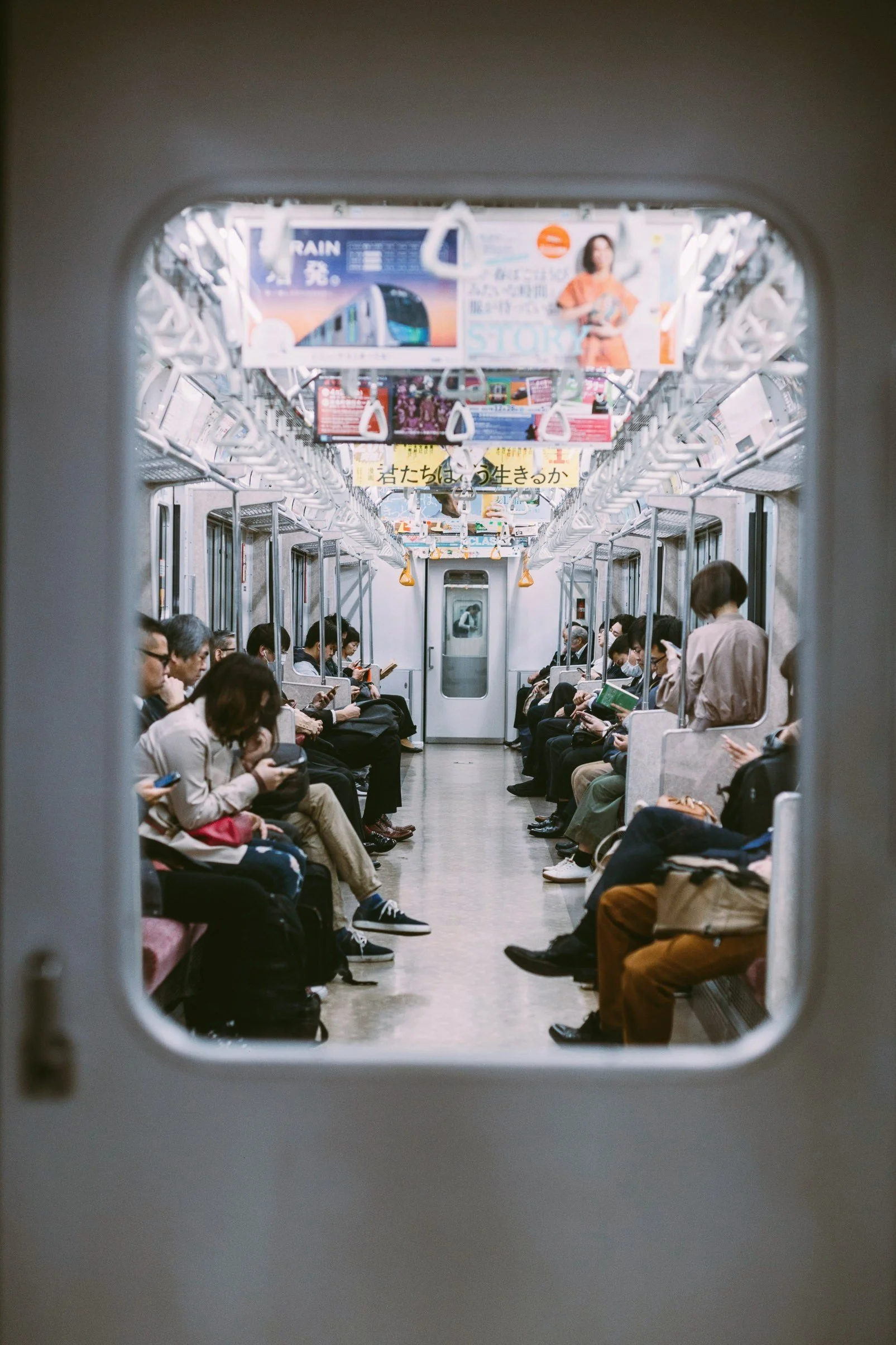
Packed trains run near-silent — phone calls are taboo, conversations drop to a whisper, apologies outnumber words spoken out loud.
❋ Silence Is the Rule
Japan has about four million vending machines, roughly one for every 30 people
❋ A Machine for Everything
THE HOUSE
IMPERIAL HOTEL
THE ICON
Open since 1890, rebuilt in 1923 by Frank Lloyd Wright — the hotel that survived the Great Kanto earthquake on its opening day, standing while half the city fell. It has hosted heads of state and film stars ever since. Order a drink at the Old Imperial Bar, where Wright's original details still survive.
1 Chome-1-1 Uchisaiwaicho, Tokyo 100-8558 - CHIYODA
Check availability →
THE TREAT
k5
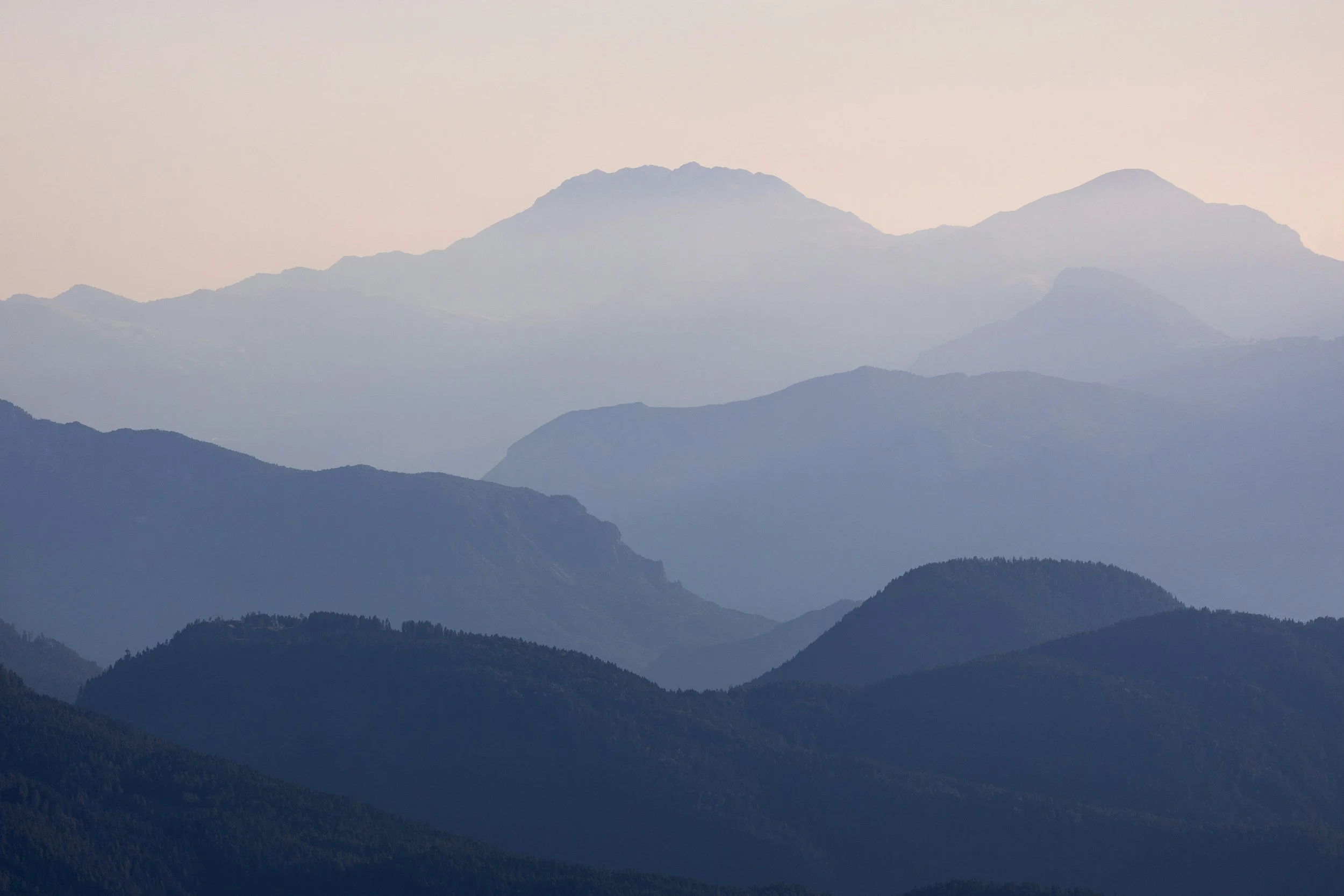
A 1920s bank annex in Kabutocho — once Japan's Wall Street — reborn as twenty rooms wrapped around a Swedish-Japanese design by Claesson Koivisto Rune. The original concrete is left raw and exposed. There's a beer hall by Brooklyn Brewery, a library bar, and a quiet green stillness nobody expects from a former vault.
〒103-0026 Tokyo, Nihonbashikabutocho, 3−5 - NIHONBASHI
Check availability →
THE SMART STAY
HOTEL niwa tokyo
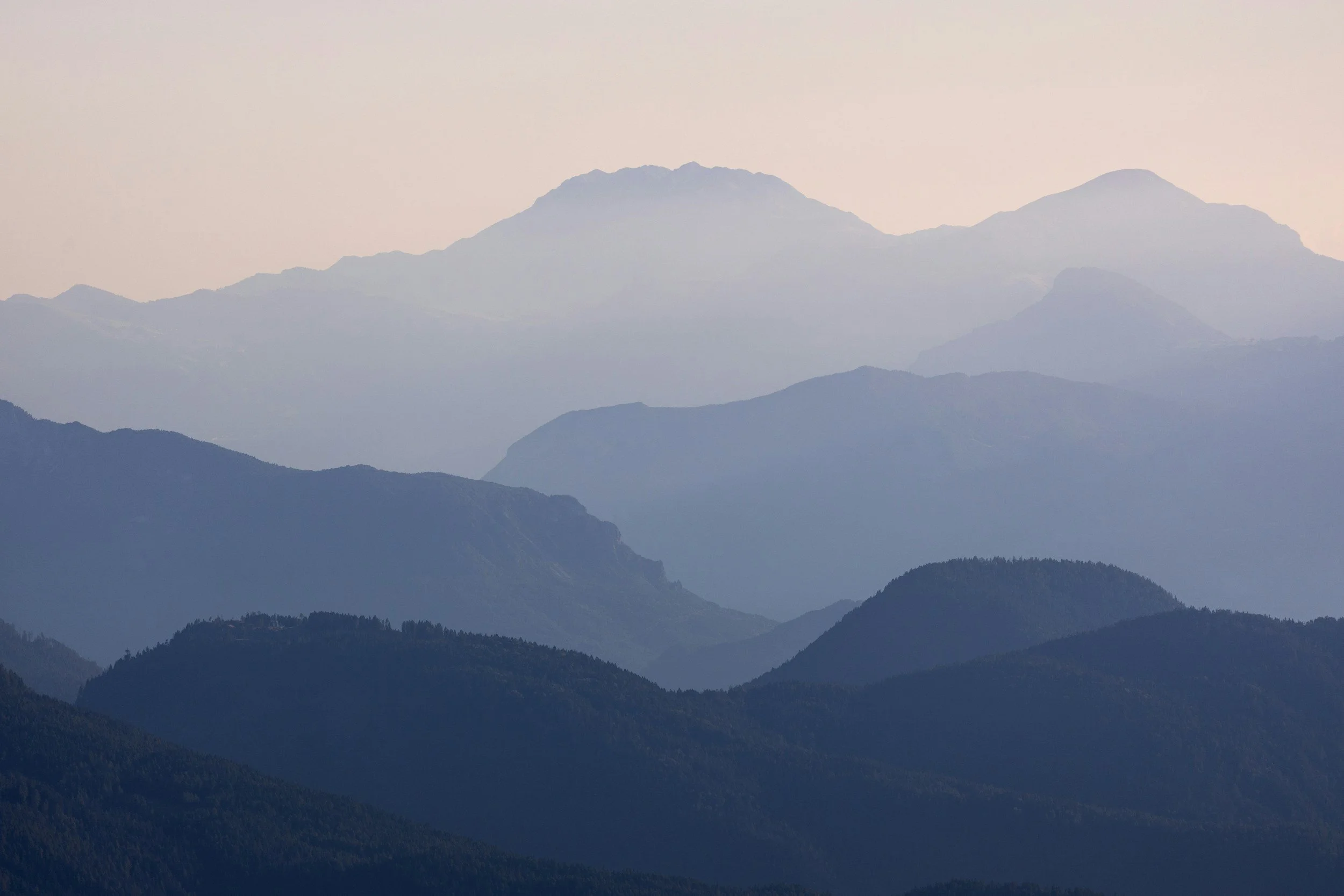
Tucked between Kanda's used bookshops and Jimbocho's old printing houses, with a Zen garden view from nearly every table at breakfast. Compact rooms, spotless, staff who remember your name by day two. The kind of quietly excellent stay that makes you wonder why anyone pays double elsewhere.
〒101-0061 Tokyo, Misakicho, 1 Chome−1−16 1F - CHIYODA
Check availability →
THE CAFÉ
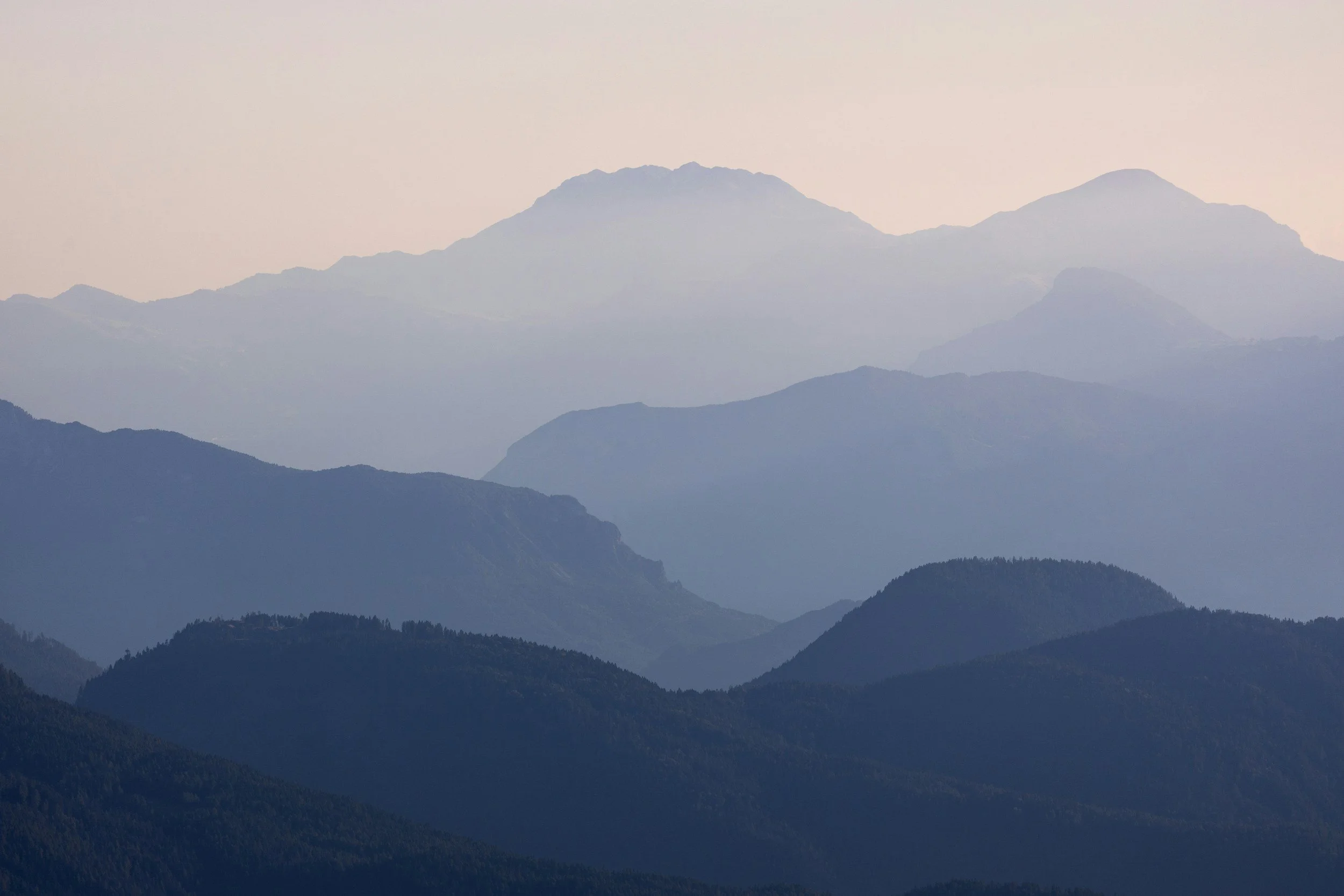
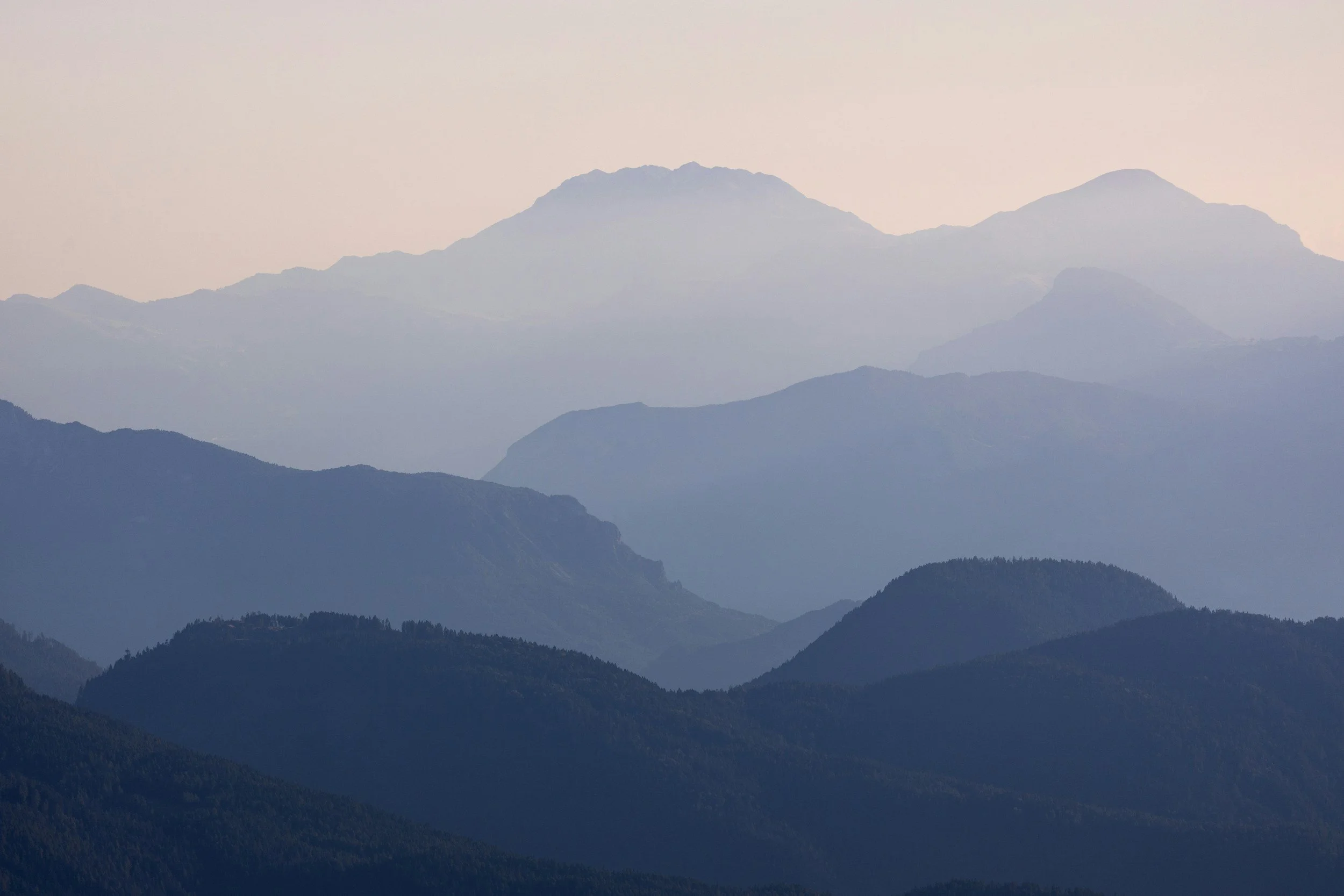
An Oslo café institution opened its first foreign outpost here in 2012 — original Norwegian furniture from the 1960s, light-roast coffee by morning, aquavit cocktails by night. Somehow more Oslo than Tokyo, and entirely comfortable being both.
1 Chome-16-11 Tomigaya, Tokyo 151-0063 - SHIBUYA
Closed in 2006, saved by neighbors who missed it too much — reopened in 2009, original 1938 charm intact. Order the egg sandwich or the red bean toast, and book a day ahead. Yanaka's proof that some things are worth fighting to keep.
6 Chome-1-29,Taito City, Tokyo 110-0001 - YANAKA
"Coffee Only," the sign has said since 1948 — green beans aged for decades, like wine, a method its late founder perfected until he was 103. Order anything aged over standard. A generation of Tokyo's café owners trained right here.
8 Chome-10-15, Chuo City, Tokyo 104-0061 - GINZA
THE table
Two Michelin stars, and the signature dish arrives in a fried-chicken takeout box with the chef's own face printed on it. Zaiyu Hasegawa greets guests with a hug, then serves twenty-vegetable salads with a wink. Kaiseki, minus the solemnity.
〒150-0001 Tokyo, Jingumae, 2 Chome−3−18 - SHIBUYA
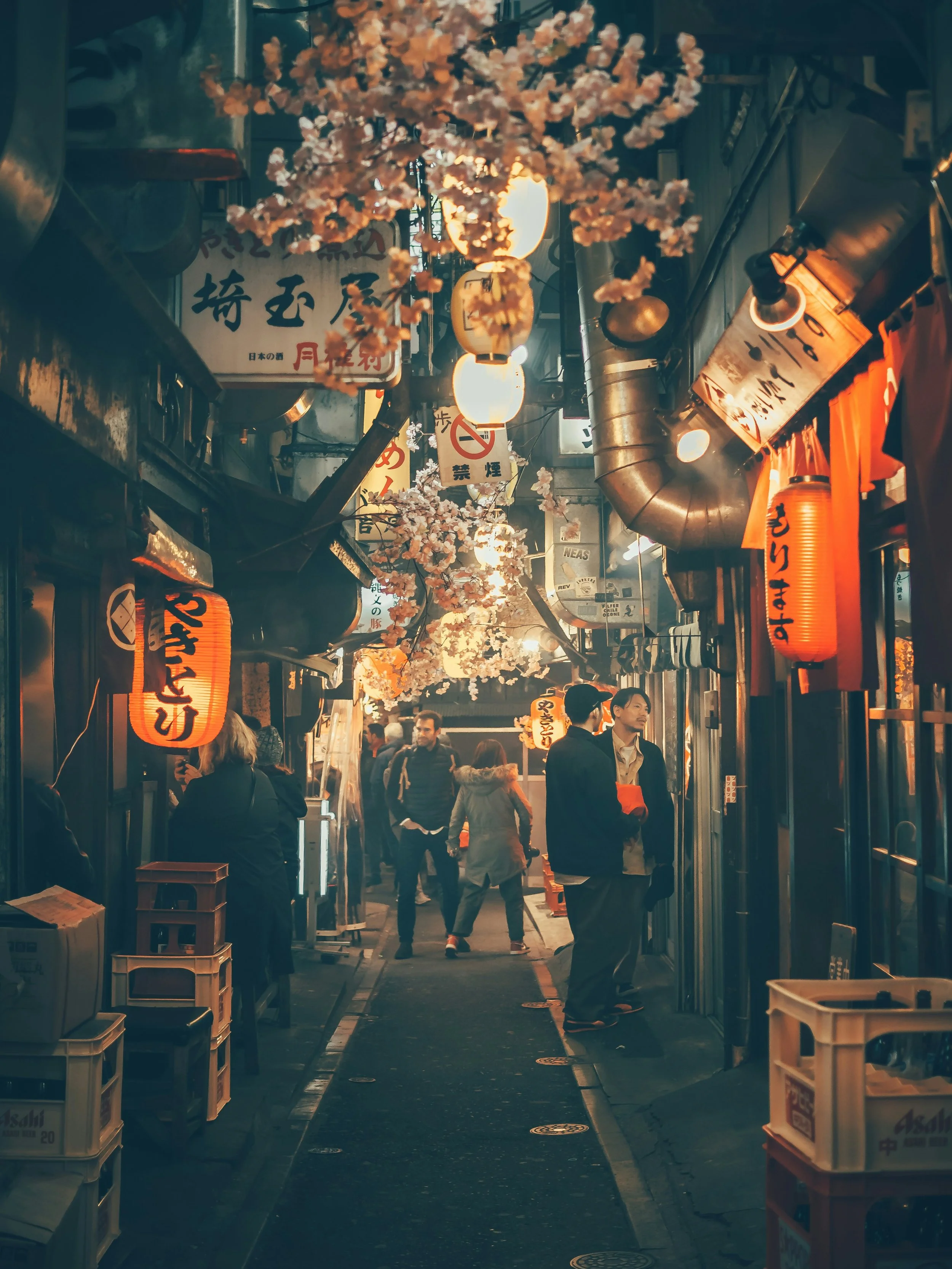
Buried in Omoide Yokocho, the tourist-heavy alley of grilled skewers and neon — yet somehow this counter still runs mostly on Japanese regulars who know better. No ceremony, just honest sushi at prices that make Ginza look absurd. Squeeze in if there's a stool free.
1 Chome-2-7 Nishishinjuku, Tokyo 160-0023 - SHINJUKU
Soba (noodles) since 1880, rebuilt after a 2013 fire but unchanged in spirit — thin hand-cut noodles, dipped only halfway into a sharp, dark sauce. One of Tokyo's "Big Three" soba houses, and still worth the weekend queue.
〒101-0063 Tokyo, Kanda Awajicho, 2 Chome−10 - CHIYODA
THE BAR
Tucked down an Ebisu alleyway, all absinthe served the traditional way — sugar cube, cold water, slow drip. The menu leans obscure and classic in equal measure, the back-bar a small library of spirits. No reservations, and it fills fast.
〒150-0021 Tokyo, Ebisunishi, 1 Chome−5−8 102 - SHIBUYA
Six thousand vinyl records, two vintage Tannoy speakers, and a strict house rule: quiet. The owner alone chooses what plays — no requests, no photos, no loud talk. Order a whisky, sit with the record, let the room do the rest.
109, 1 Chome-22-23 Ebisu, Tokyo 150-0013 - SHIBUYA
Fifty-two floors up, with Shinjuku's lights spread out below and live jazz most nights — the room Lost in Translation made famous. Arrive before sunset for the transition from daylight to skyline. Book the window seats weeks ahead.
3 Chome-7-1-2 Nishishinjuku, Tokyo 163-1055 - SHINJUKU
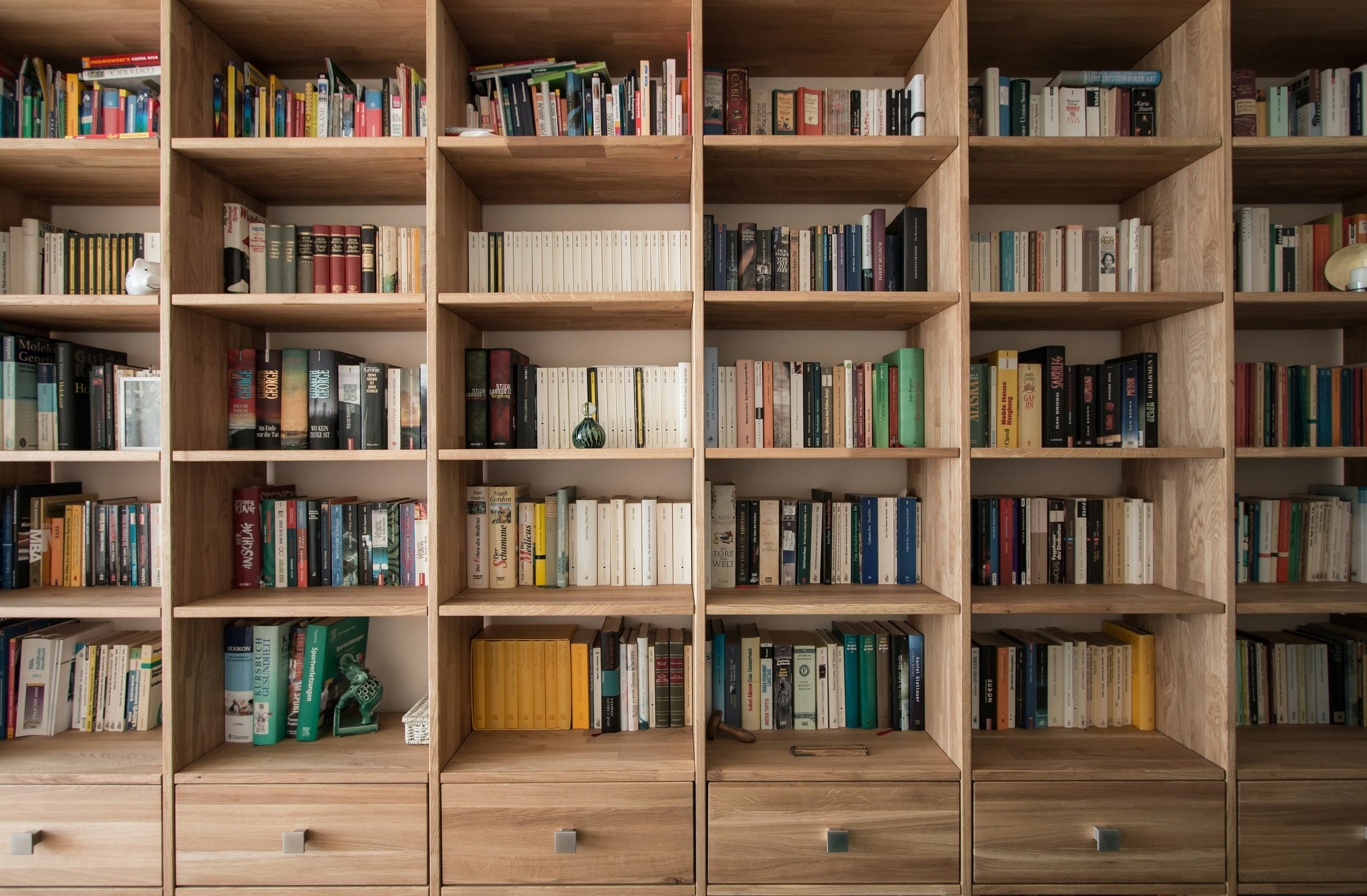
the bookshelf
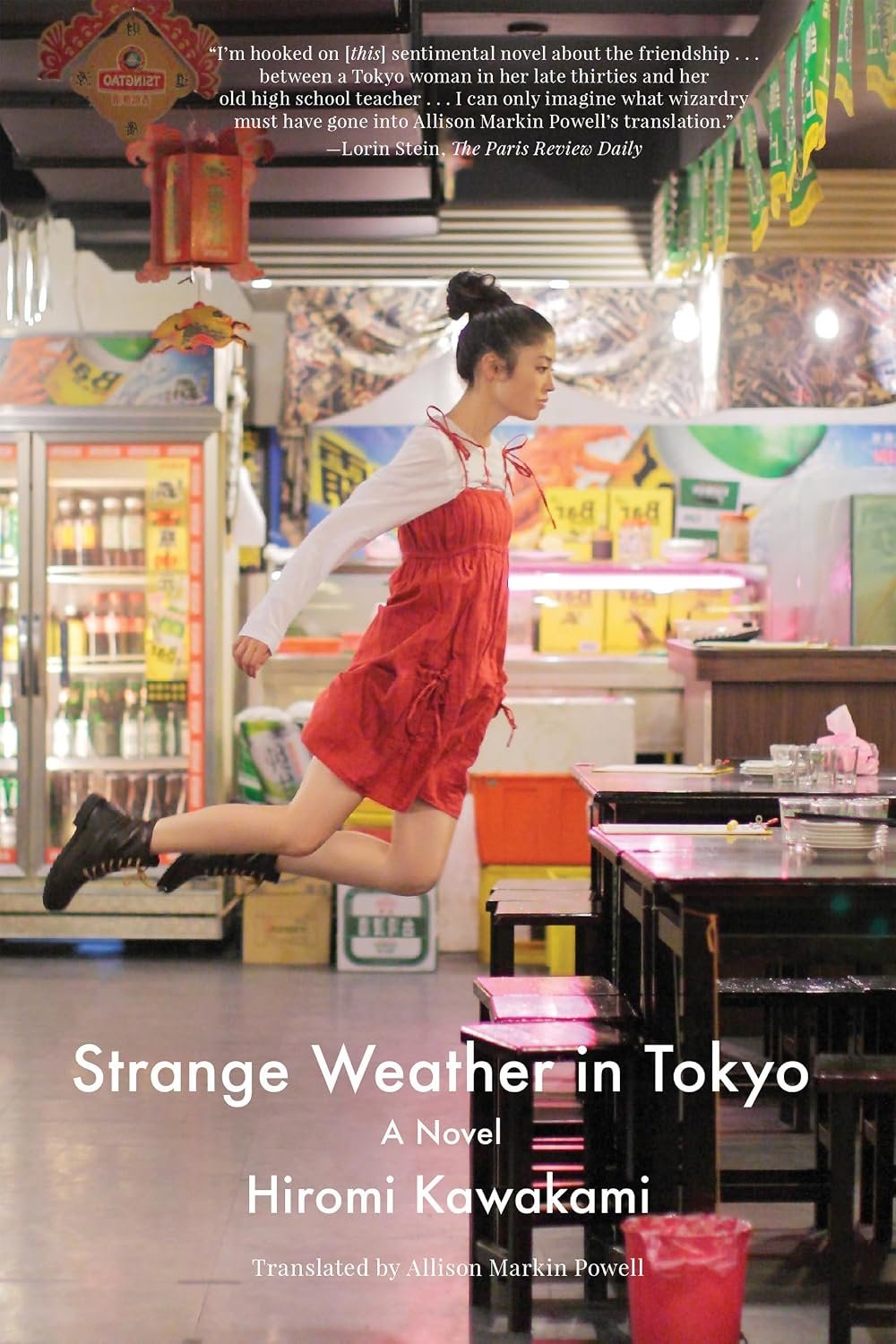
STRANGE WEATHER IN TOKYO - Hiromi Kawakami
Hiromi Kawakami, 2001. Tsukiko, 38, runs into her old high school teacher at a neighborhood bar and slowly, awkwardly, falls for him. Quiet, seasonal, unhurried — sake and mushroom hunting in place of drama. Tokyo at its most intimate scale.
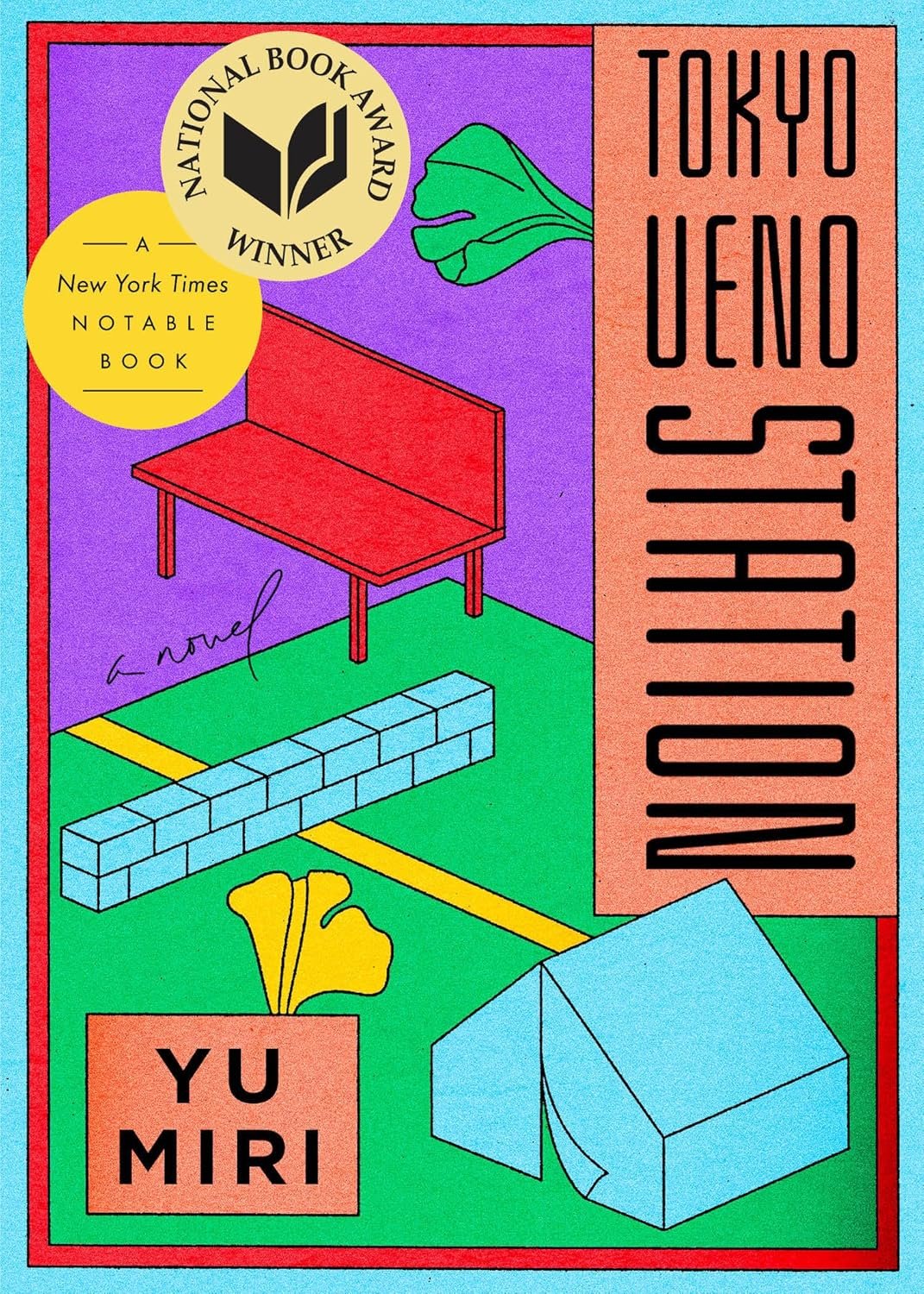
TOKYO UENO STATION - Yu Miri
Yu Miri, 2014, National Book Award winner. A homeless ghost haunts Ueno Park, his life shadowing the Emperor's from birth to death. Built the Olympic stadium in 1964, slept in its shadow decades later. Devastating, and unlike anything else on this list.
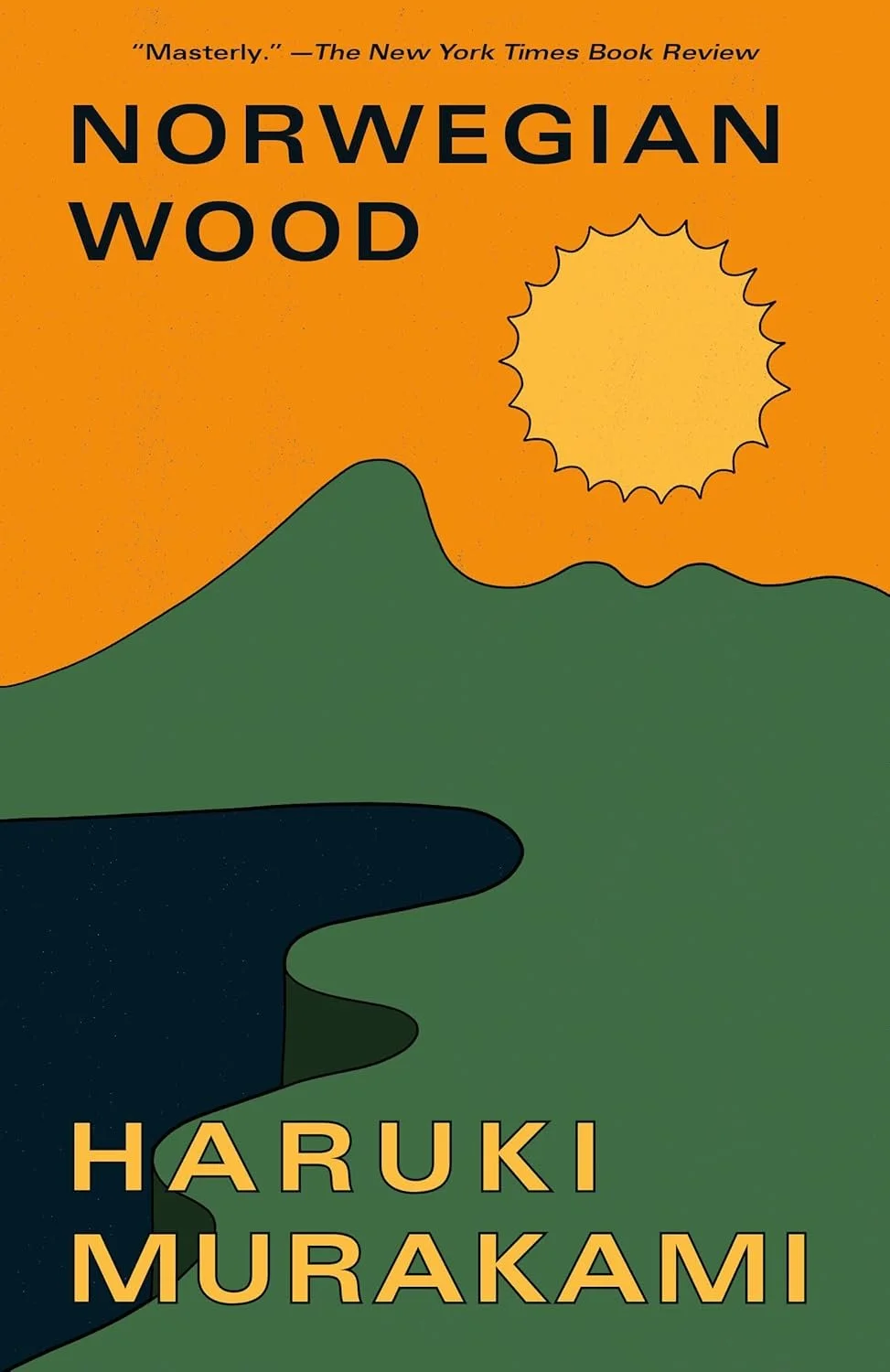
NORWEGIAN WOOD - Haruki Murakami
Haruki Murakami's breakout, 1987 — a student caught between two women against the backdrop of late-60s Tokyo, campus unrest simmering just offstage. Less magical realism than his later work, more pure melancholy. The novel that made Murakami a household name.
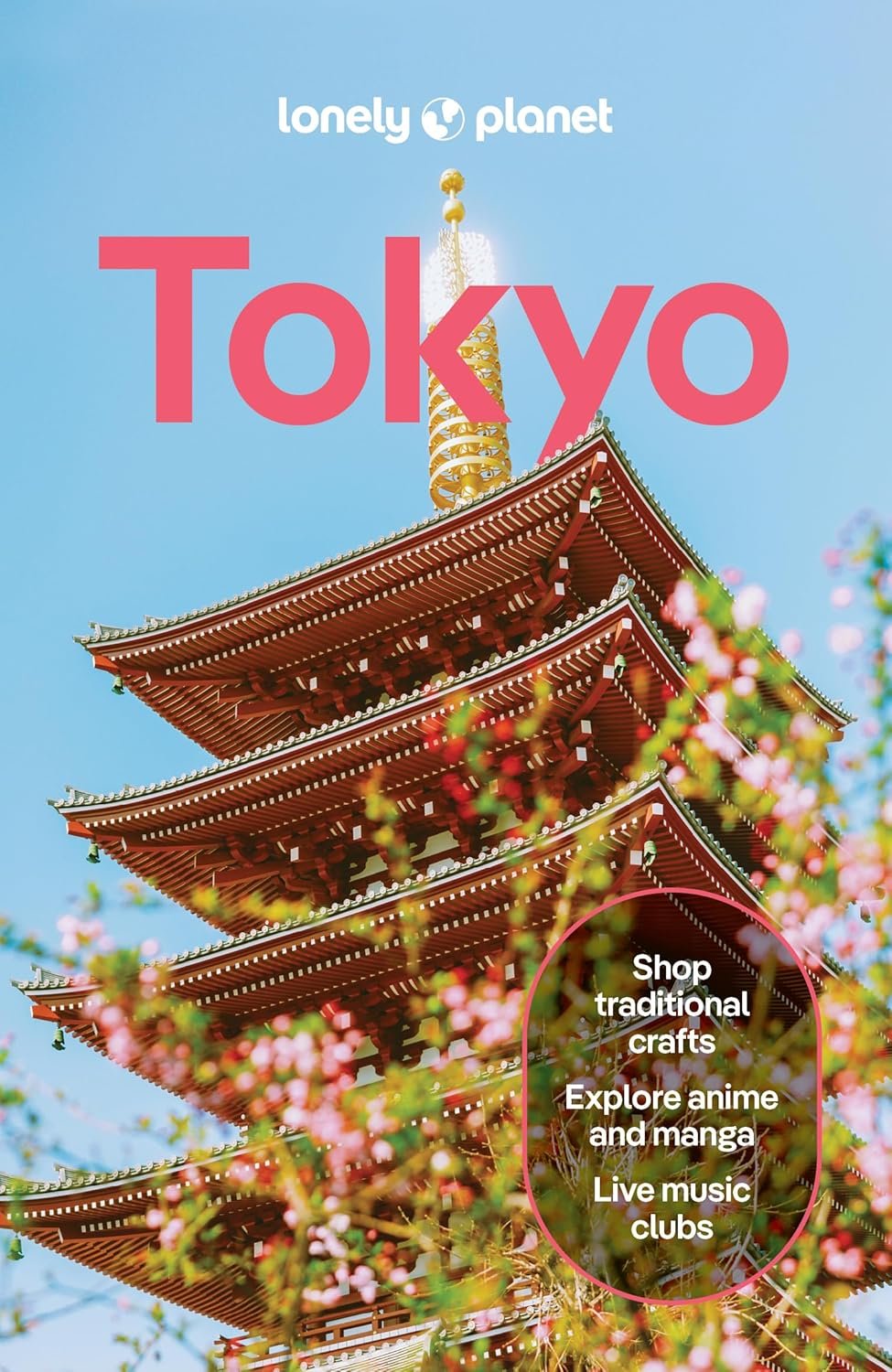
TOKYO CITY GUIDE - Lonely Planet
The practical companion to everything above — neighborhood by neighborhood, temple etiquette to train transfers, built for a city where getting lost is easy and half the charm. The kind of guide that earns a dog-eared spine by the end of the trip.
THE SHORTLIST
Everything worth booking, in one place — every site, every ticket, gathered from across the guide so you don't have to go looking for them.
EXPERIENCES
Toyosu Market Tour, Tuna Auction — Fish Markets & Sushi Culture
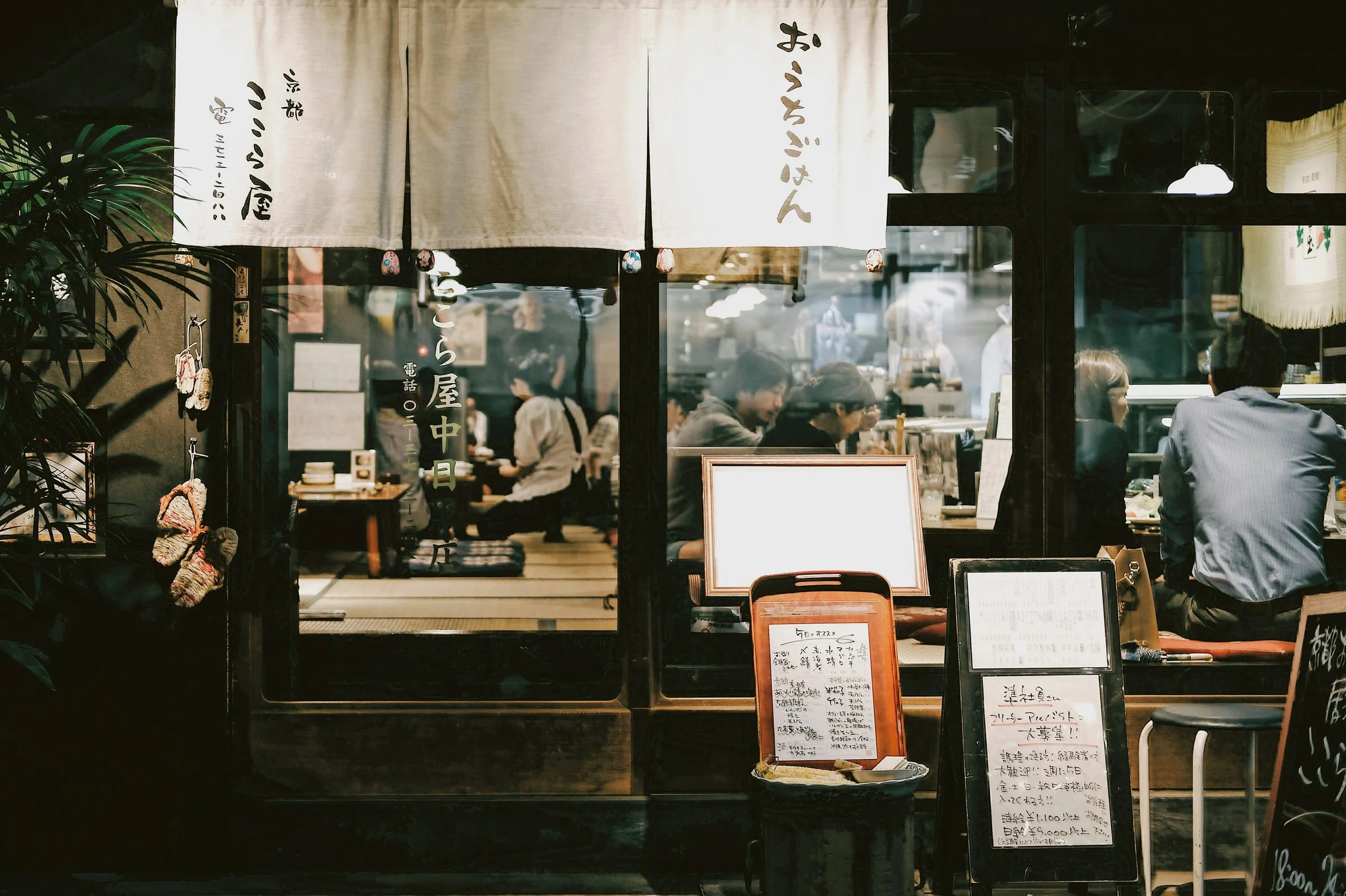
Izakaya Food Tour — Izakaya & Sake
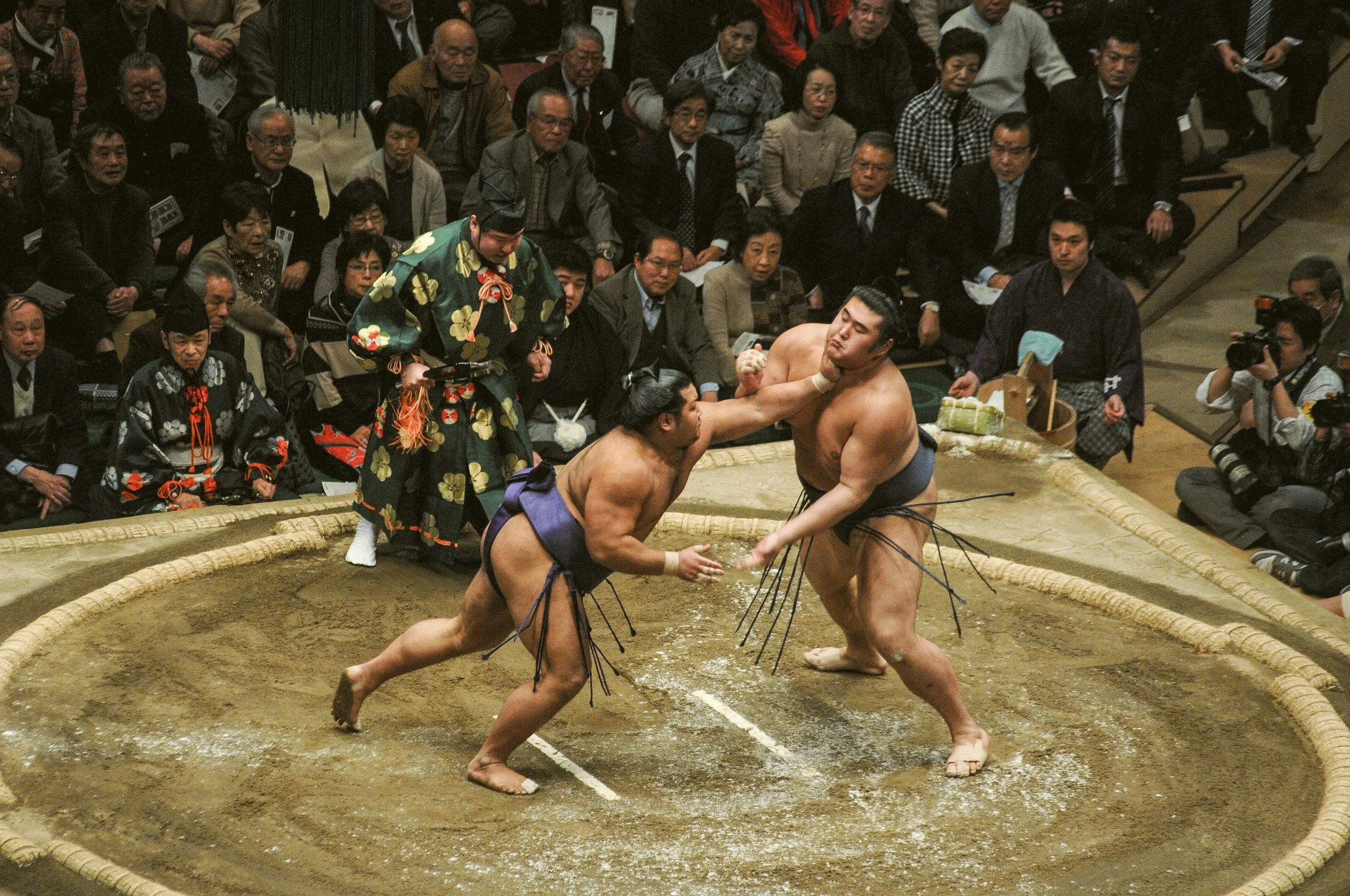
Sumo Tournament Tickets — Sumo
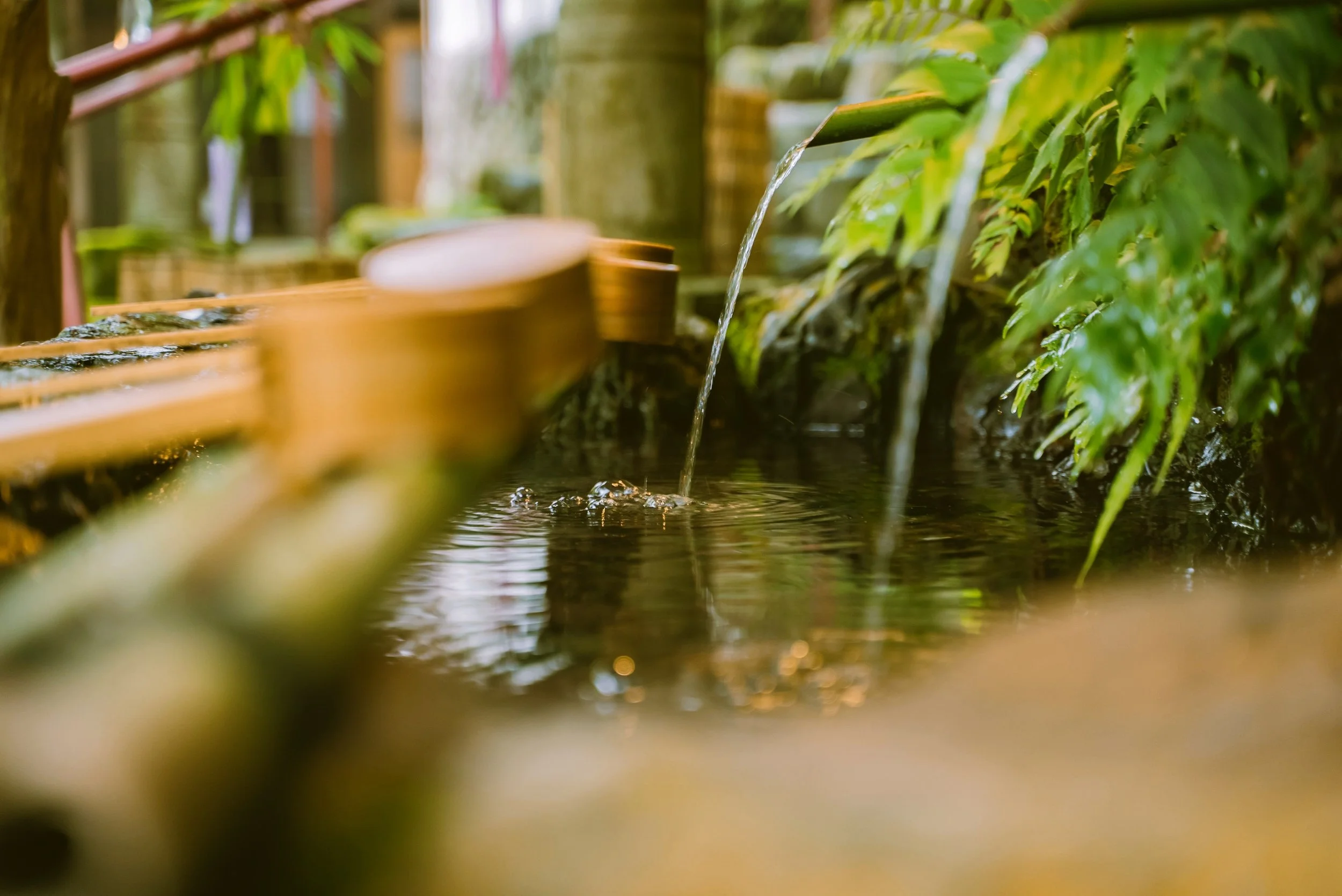
Tokyo Toyosu Manyo Club — Onsen Culture
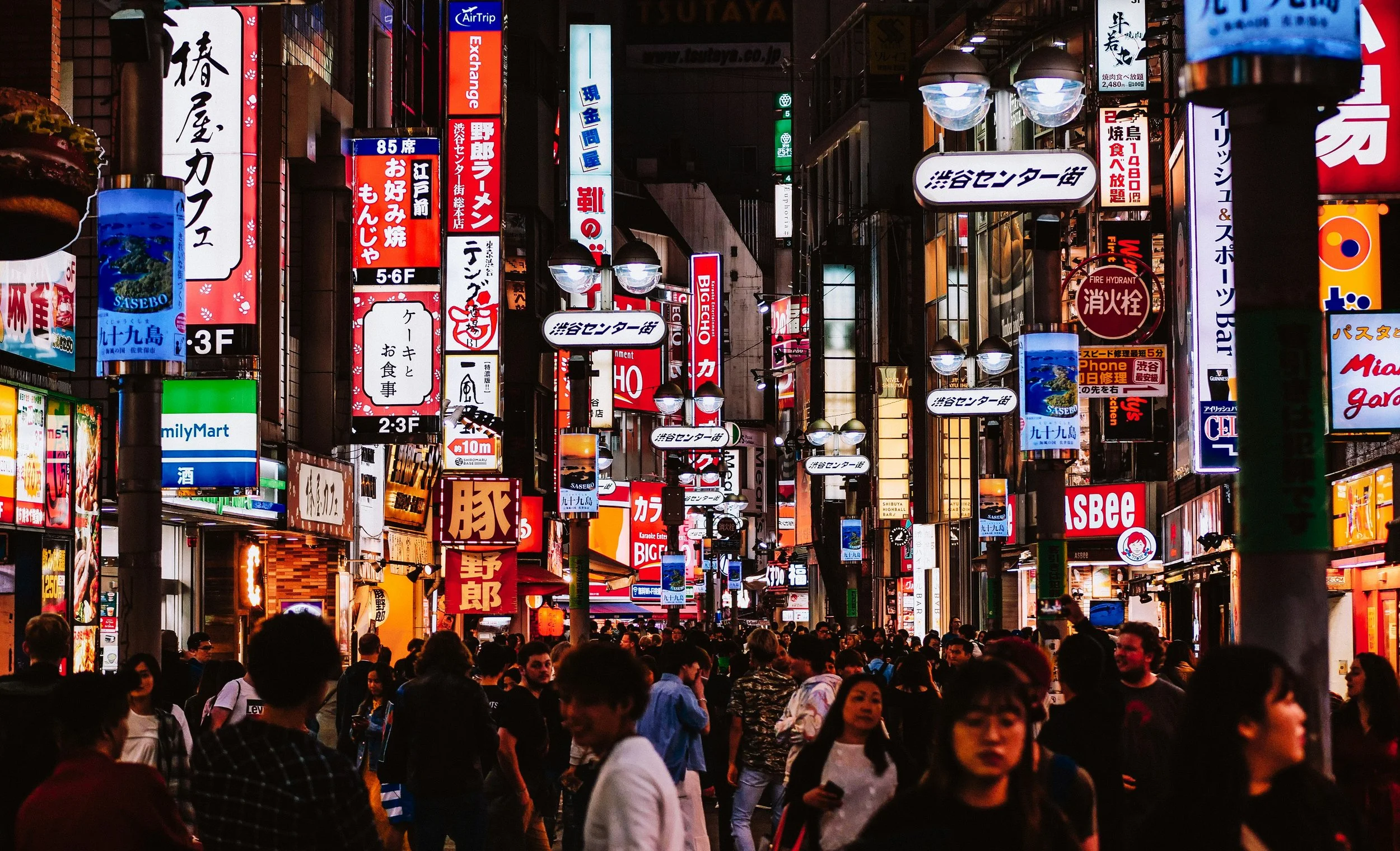
Neon Tokyo Walking Tour — Neon Tokyo
THE know-how
The stuff nobody photographs, but everyone needs — transport, transfers, luggage, insurance, connectivity. Not glamorous. Just the difference between a smooth trip and a stressful one.
-
Not exactly a one-pager — Tokyo runs on three separate rail networks, so here's all three, in your pocket.
View the Tokyo Metro map ↗
via Tokyo Metro Co., Ltd.
View the Toei Subway map ↗
via Tokyo Metropolitan Bureau of Transportation
View the JR East rail map ↗
via East Japan Railway Company (JR East) — covers the Yamanote Line and other above-ground routes -
Tokyo has two airports, and which one you land at changes everything about this section — Narita sits far out in Chiba, Haneda is practically in the city.
INTO TOWN
FROM NARITA
The fastest option is the Keisei Skyliner. It reaches Nippori in just 36 minutes, with a short walk to the Yamanote Line loop — the fastest way into the city, full stop. A one-way ticket runs around ¥2,470.
Staying near Tokyo Station, Shinjuku or Shibuya? Take the JR Narita Express (N'EX) instead. It's slower — about 53 minutes to Tokyo Station — but runs direct to major hubs with no transfer and proper luggage space, for around ¥3,070.
On a tighter budget? The Keisei Access Express covers the same route as the Skyliner using regular commuter trains, no reserved seating, for about ¥1,280 — or take the Airport Limousine Bus, which drops you straight at your hotel lobby from around ¥2,900, or the low-cost bus to Tokyo Station for about ¥1,500.
For door-to-door comfort, a taxi runs upward of ¥20,000 to central Tokyo and takes over an hour — rarely worth it from Narita given the distance.
If you're considering a taxi anyway, compare it with a pre-booked private transfer. At Narita, where the metered fare runs upward of ¥20,000, a driver waiting at arrivals with the price fixed before you fly is often worth a look. It's the one airport far enough out for this to matter, which is why Haneda doesn't get the same advice. It makes sense after a late landing or with heavy luggage, and it works well for groups. Book a private transfer →
FROM HANEDA
Haneda is the easy one — just 14km out, with trains that take 15–20 minutes either way. Take the Keikyu Line to Shinagawa (around ¥300, 13 minutes) if you're headed toward Shinjuku, Shibuya or Asakusa — it runs straight through onto the Toei Asakusa Line without a transfer. Take the Tokyo Monorail to Hamamatsucho instead (around ¥520, 18 minutes) if your hotel sits closer to Tokyo Station or you're using a JR Pass, since it connects directly onto the Yamanote Line.
A taxi from Haneda is genuinely realistic, unlike from Narita — expect ¥5,000–8,000 and 20–45 minutes depending on traffic, a reasonable option for groups splitting the cost or late-night arrivals.
BACK TO THE AIRPORT
Heading back to either airport? All the same options run in reverse — just check which airport your flight actually departs from before booking a ticket, since Narita and Haneda sit on opposite sides of the city.
For Narita, a pre-booked private transfer works too, with the pickup time agreed in advance, which helps with a very early departure.
-
Landed hours late, flight cancelled, bumped from an overbooked plane, or missed a connection because of a delay? Depending on your route and the airline, you may be owed compensation, and it's separate from your travel insurance. Worth a quick check before you let it go, and you can usually claim for flights from months or even years back. Check your flight →
-
Checkout at noon, flight at night? Those are the hours when a suitcase becomes a nuisance. Leave it with a local shop or hotel that takes bags by the hour, and the last day of the trip stays yours. Book ahead and it's one less thing to figure out on the way. Find luggage storage nearby →
-
Half the elegance of travel is not worrying while you do it. A good policy is the kind of detail you forget you have — until, quietly, it saves the trip. [I've found one worth having →]
-
The best trips still need a map, a translation, a reservation confirmed on the go. An e-SIM means Tokyo is yours the moment you land, no queueing, no borrowed WiFi. [Here's the one I use →]