FISH MARKETS & SUSHI CULTURE
Tokyo Bay used to hand this city its breakfast every single morning, and in a roundabout way, it still does. For over eighty years, that meant one address — Tsukiji, the largest fish market on Earth, auctioneers shouting over frozen tuna the size of surfboards before dawn. Then in 2018, the wholesale side packed up and moved across the water to a gleaming new facility in Toyosu, leaving Tsukiji's outer market — the stalls, the sushi counters, the knife shops — standing exactly where it always was.
So now there are two places, not one, and most visitors never quite get the difference straight. Tsukiji is where you eat. Toyosu is where you watch. Between them, they explain something most cities can't: an entire cuisine built entirely around the idea that fish this good barely needs to be cooked at all. Nigiri, sashimi, the whole architecture of sushi — it starts here, at 5am, with men in rubber boots deciding what the city eats for lunch.
tsukiji MARKET
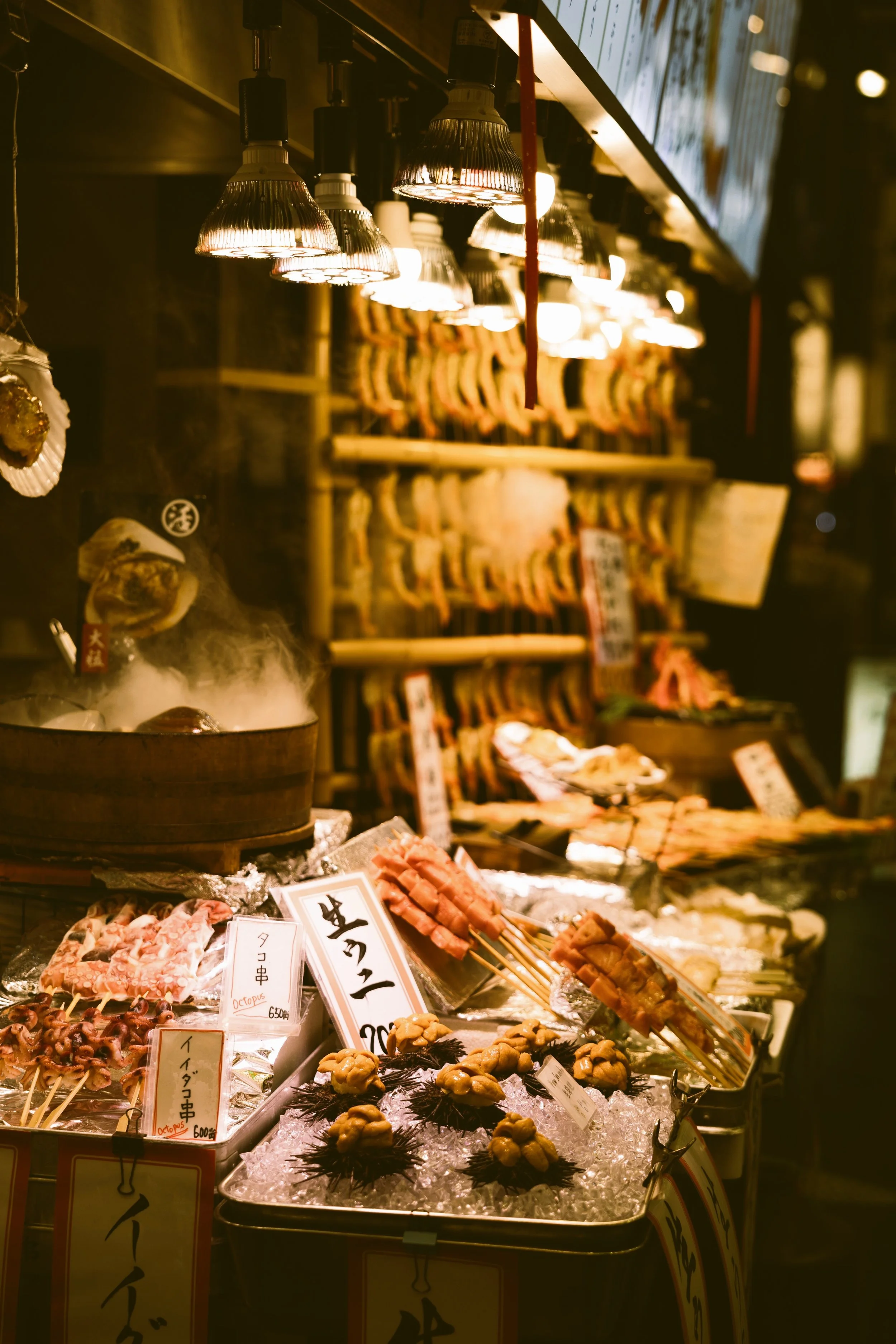
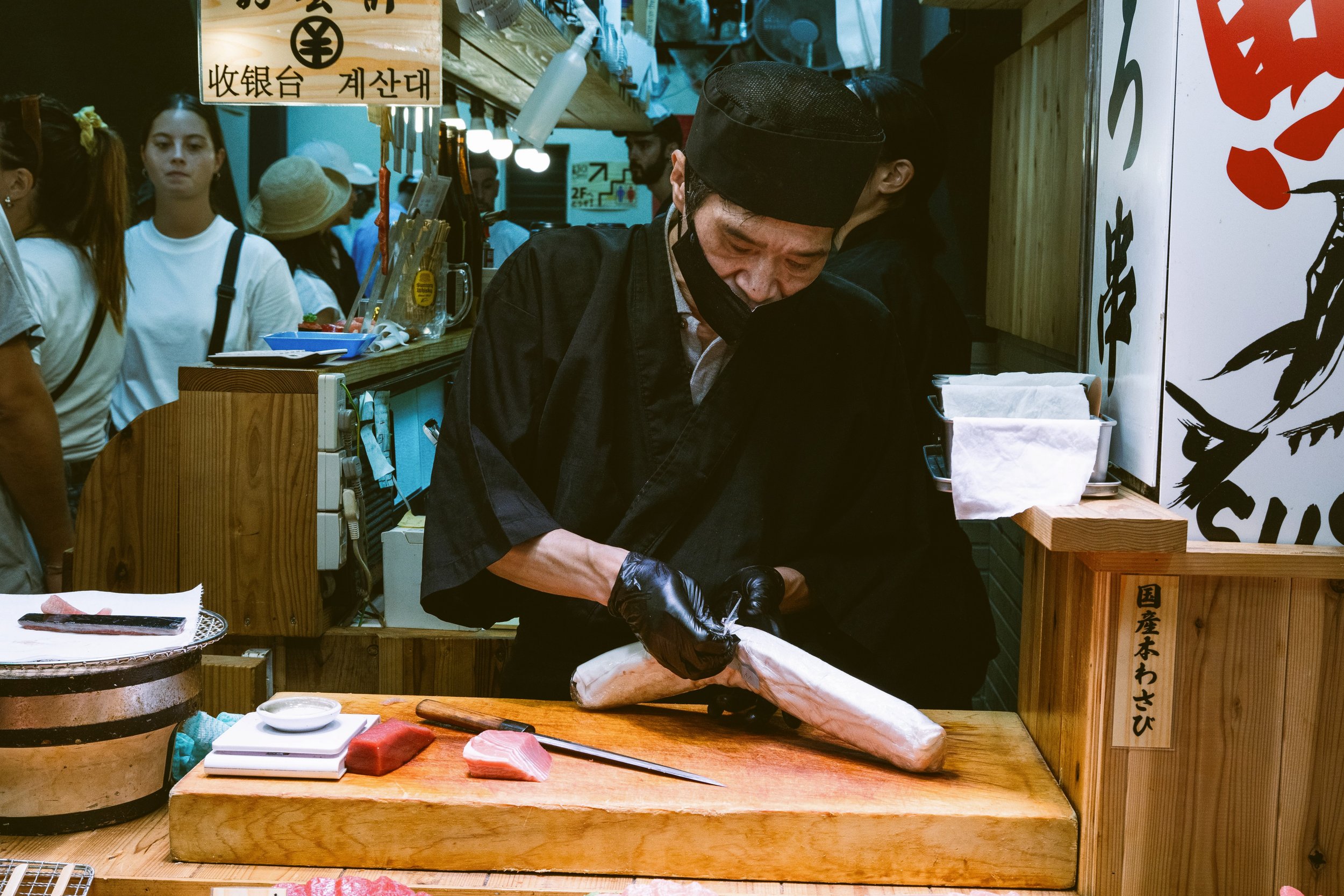
The wholesale auctions left in 2018. Everything else — the part you actually came for — stayed exactly where it was. Over 460 shops and stalls pack these narrow lanes, some family-run for generations, selling everything from tamagoyaki grilled on the spot to knives forged with techniques borrowed from swordsmithing. Come hungry and come early; some shops open as early as 5am, most by 9, and they start closing by early afternoon; the best of it is usually gone by eleven. Closed Sundays, and some Wednesdays too. It's still Tokyo's proper "food town," just without the 3am theater that used to come before it.
〒104-0045 Tokyo, Chuo City, 4 Chome - TSUKIJI
toyosu market & the tuna auction
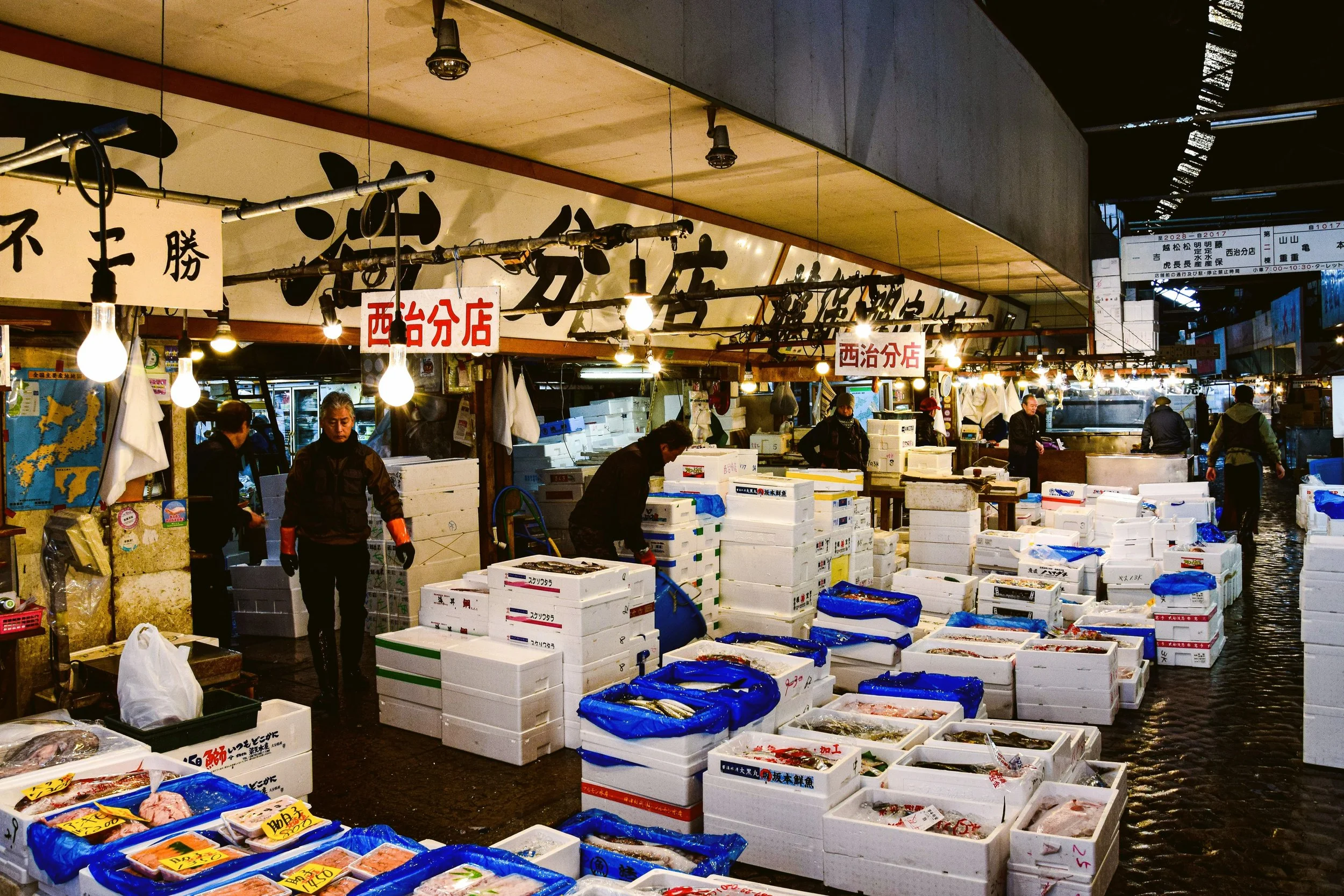
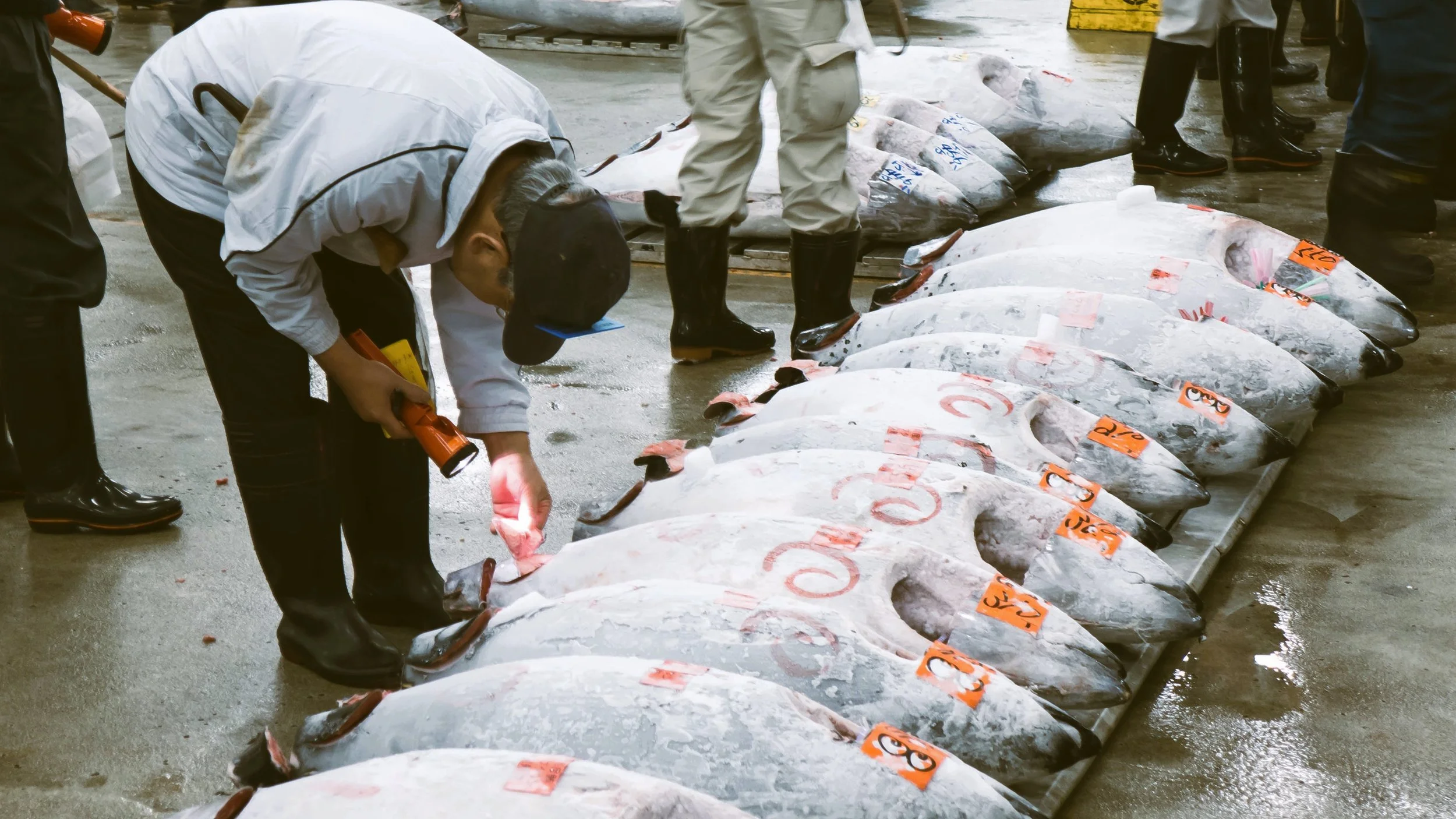
This is where the theatre went. Toyosu is a working wholesale market on Tokyo Bay, and its tuna auction — the real one, buyers inspecting frozen tuna the size of torpedoes before bidding begins around 5:30am — is the closest most visitors will ever get to watching Japan's seafood economy in motion.
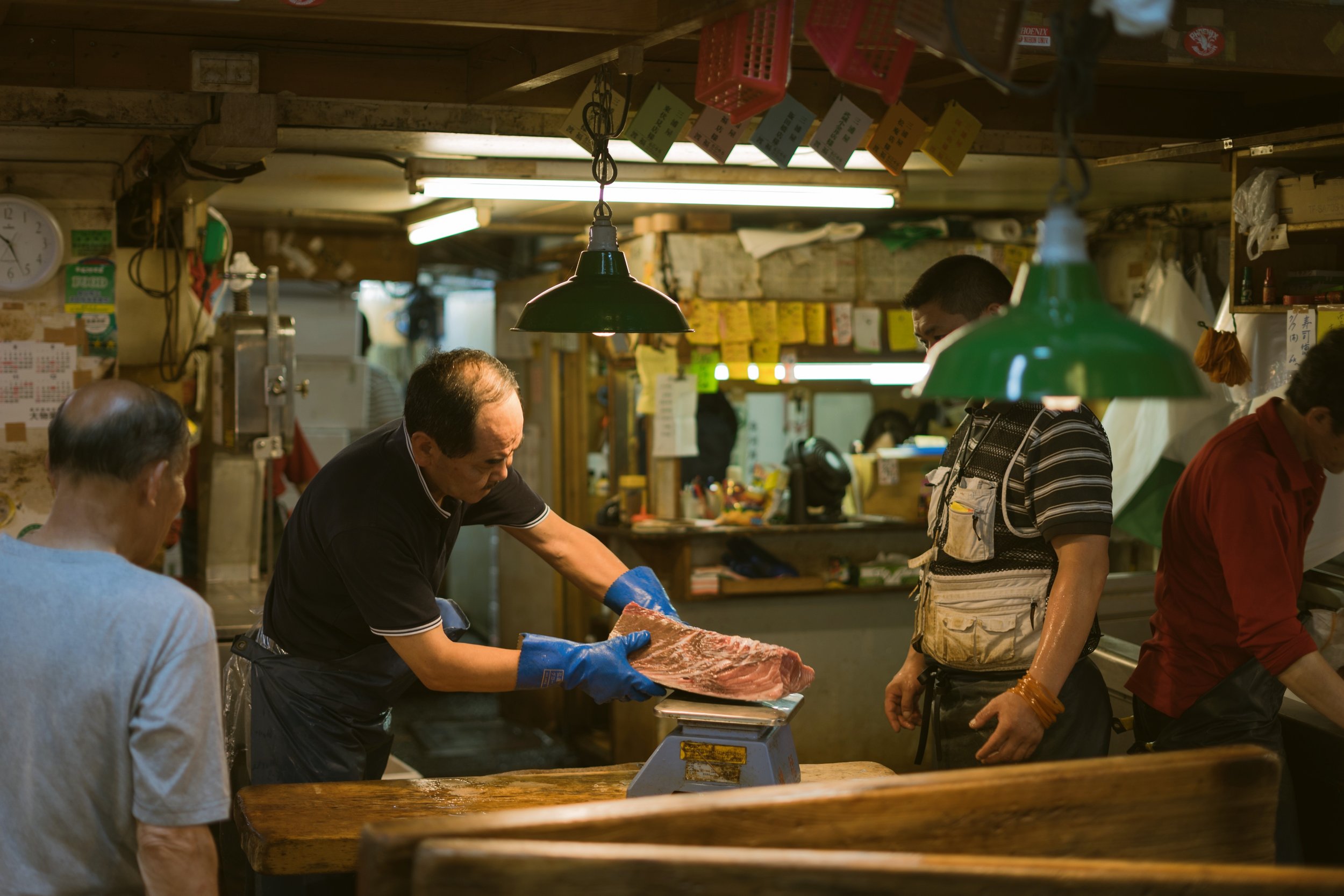
Two ways to see it, both free. Toyosu is closed on Sundays, national holidays and some Wednesdays, so check the official calendar. Show up at the public viewing corridor from 5am, no booking needed, and watch through glass from a slight distance. Or apply for the lower observation deck, closer to the floor, loud enough to hear the auctioneer's bell — but that requires winning a monthly online lottery, applied for roughly a month ahead through the official Toyosu website. The first trains from central Tokyo won't get you there in time, so budget for a taxi if the early alarm doesn't put you off first. [Book a Toyosu Market tour →]
6 Chome-6-1, Koto City, Tokyo 135-0061 - TOYOSU
sushi
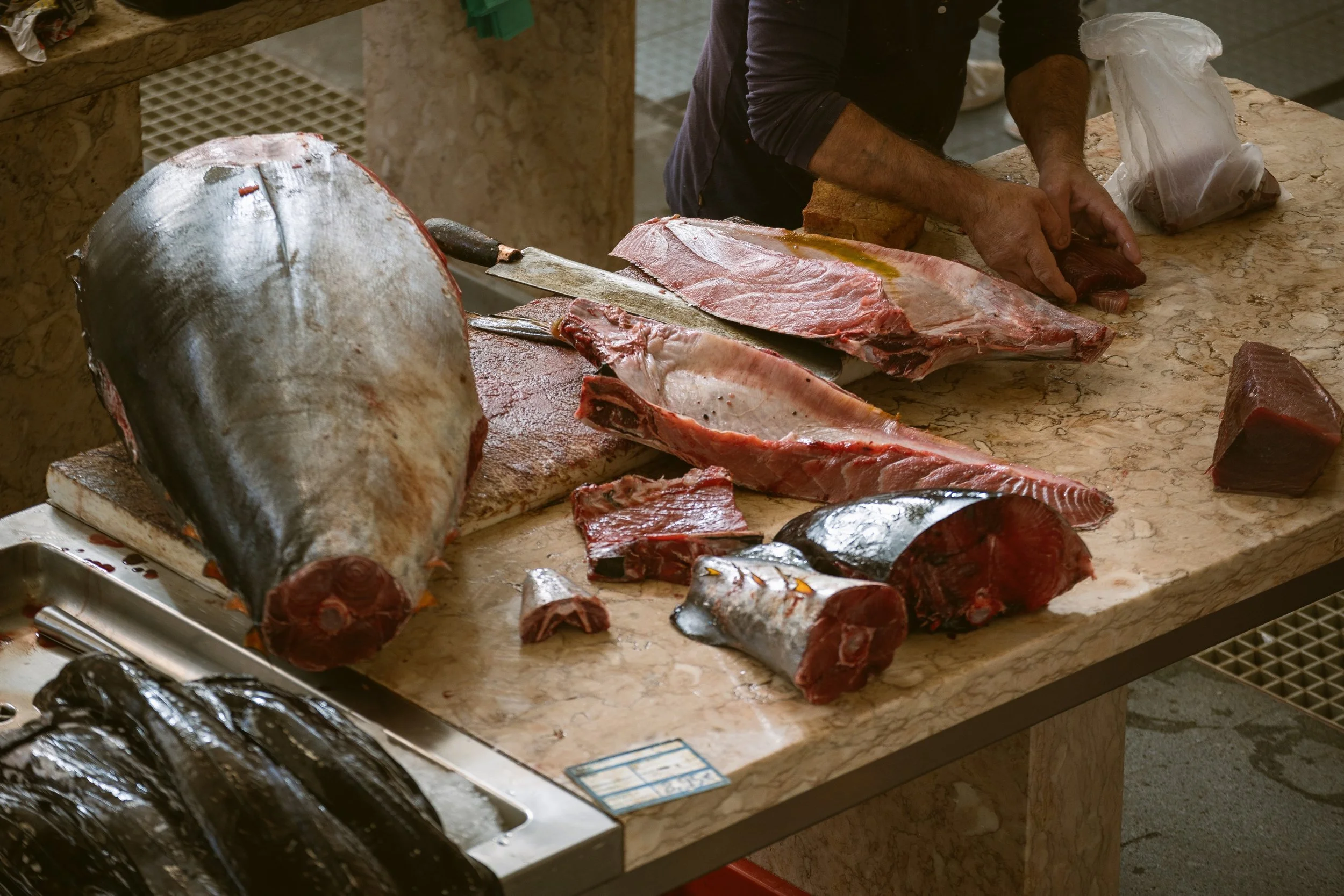
Sushi was never meant to be fancy. It started as street food in 1820s Edo — old Tokyo — when a vendor named Hanaya Yohei skipped the weeks of fermentation everyone else used and simply pressed fresh fish onto vinegared rice instead. Workers ate it standing up, in two bites, the way you'd grab a sandwich on a lunch break. What's changed since is mostly the price tag, not the idea.
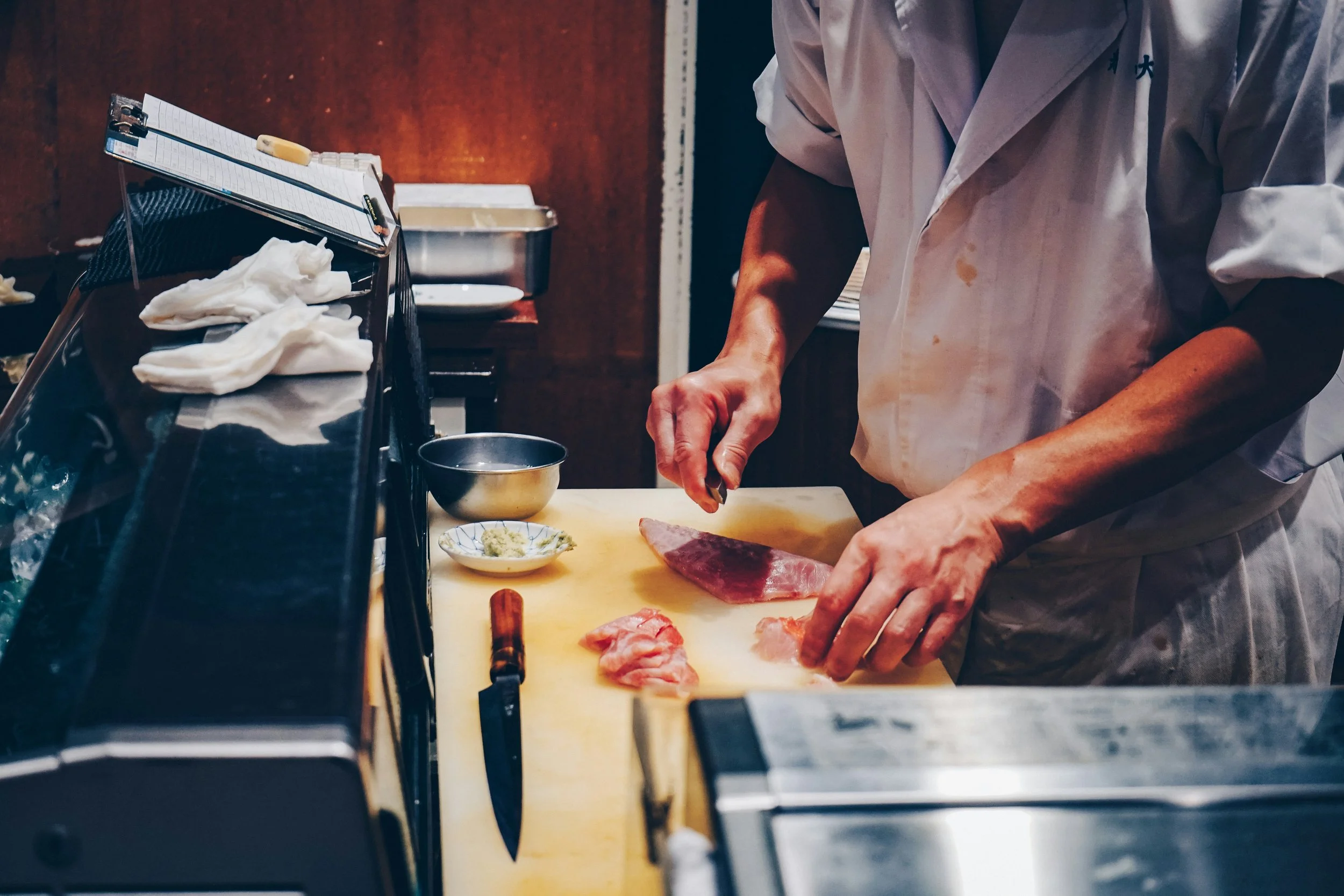
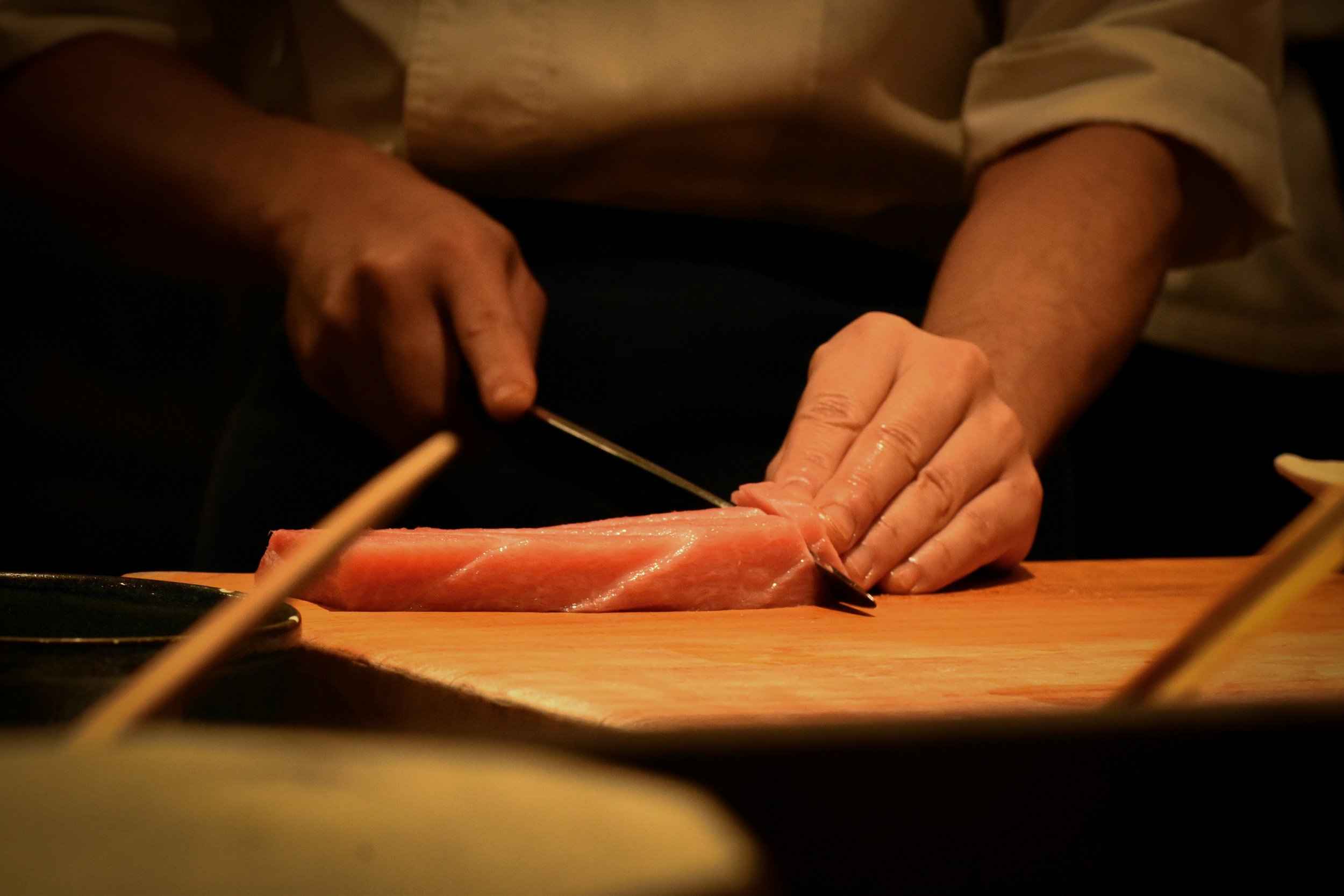
The style born in Tokyo Bay specifically has a name — Edomae — and it's still the gold standard, built around techniques (curing, aging, simmering) developed to make the most of whatever the bay produced. A good sushi counter today isn't cooking so much as editing: deciding exactly how long each piece of fish needs before it's ready.
THE SUSHI GLOSSARY
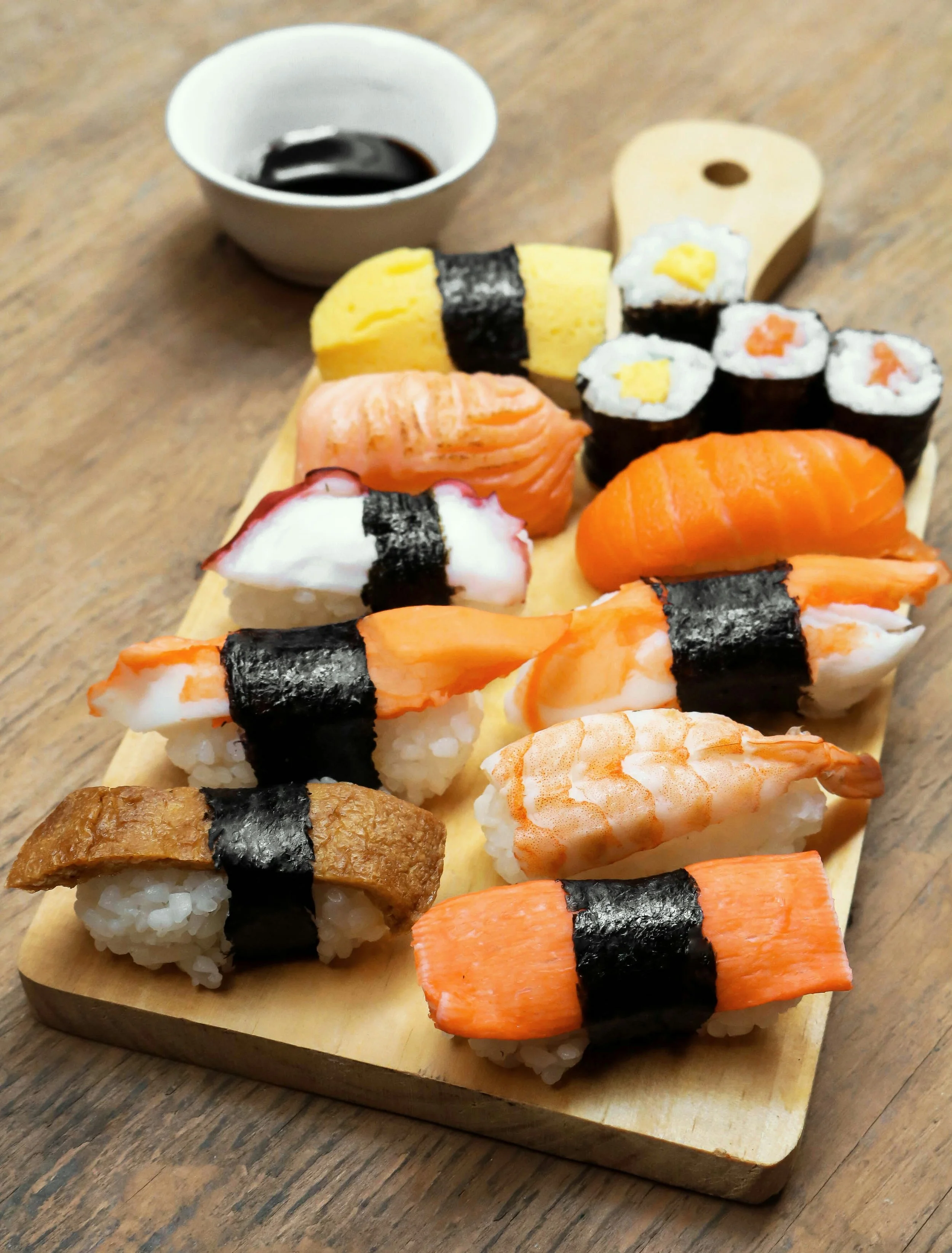
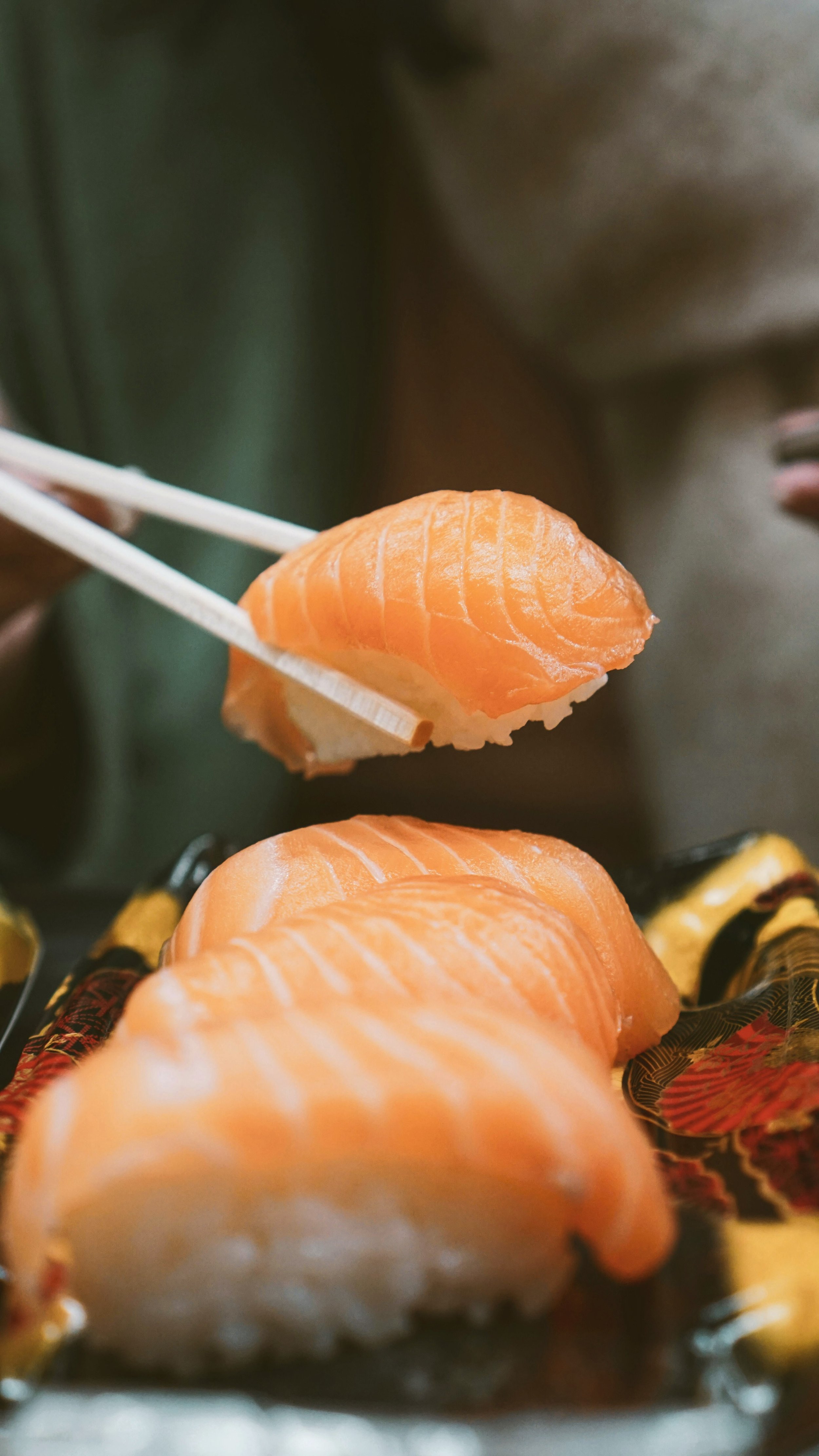
NIGIRI — A hand-pressed oval of rice, topped with a single slice of fish. The Edo-period original, and still the standard by which everything else gets judged.
SASHIMI — Just the fish, sliced and served with nothing but soy sauce and wasabi. No rice at all — technically not sushi, but always on the same menu.
MAKI — Rice and fillings rolled in nori seaweed, sliced into bite-sized rounds. The one most people picture first.
URAMAKI — Maki turned inside out — rice on the outside, nori hidden within. Built for Western palates, now everywhere.
TEMAKI — A hand-rolled cone of nori, rice and fillings, eaten immediately before the seaweed goes soft. More casual, often DIY at the table.
CHIRASHI — A bowl of sushi rice scattered with an assortment of fish on top. The one to order if you can't decide.
A quiet rule worth knowing: skip the perfume before a sushi counter, eat each nigiri in one bite, and go easy mixing wasabi into your soy sauce — the chef has usually already added exactly the right amount.