onsen culture
Somewhere along the way, Japan decided that bathing wasn't just about getting clean — it was about actually stopping. Not a quick shower before bed, but a full, unhurried soak, alone or shoulder-to-shoulder with strangers, with nothing to do but sit in hot water and let the day drain out of you. It's one of the few rituals in Tokyo that hasn't been rushed, optimized, or squeezed into a lunch break, in a city that otherwise treats spare minutes like currency.
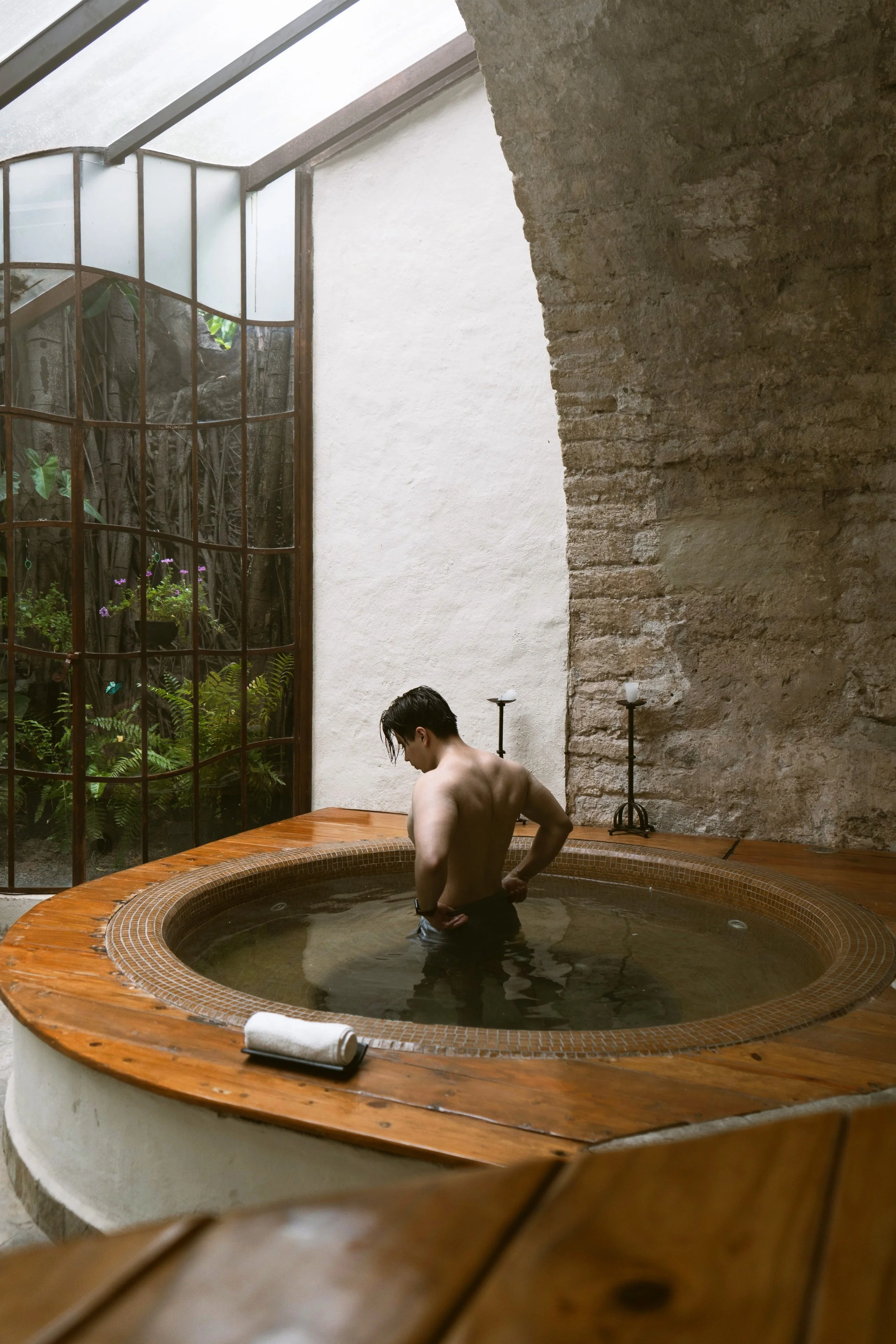
What surprises most visitors first isn't the water — it's the nudity. Public baths here are single-sex, and everyone goes in without a stitch of clothing, without the self-consciousness a Western visitor half-expects to feel. Nobody's looking. That's rather the point: stripped of clothes, status briefly disappears too, and a company president can end up soaking next to someone half his age with nothing marking the difference between them.
There are two distinct ways to do this in Japan, and knowing which is which changes what you're actually booking. An onsen comes from the ground itself. A sento, which is what Tokyo mostly makes do with, doesn't.
ONSEN VS. SENTO
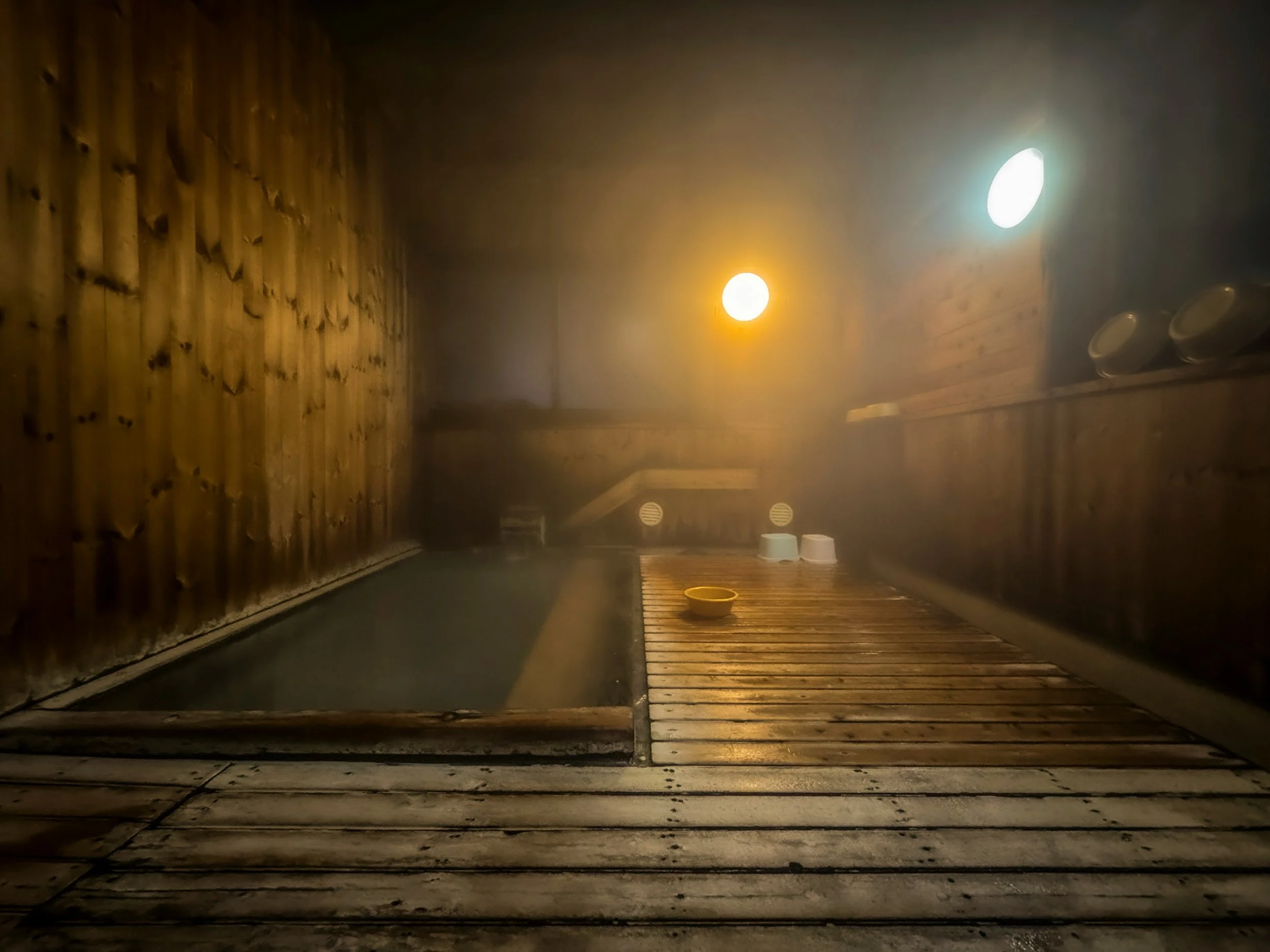
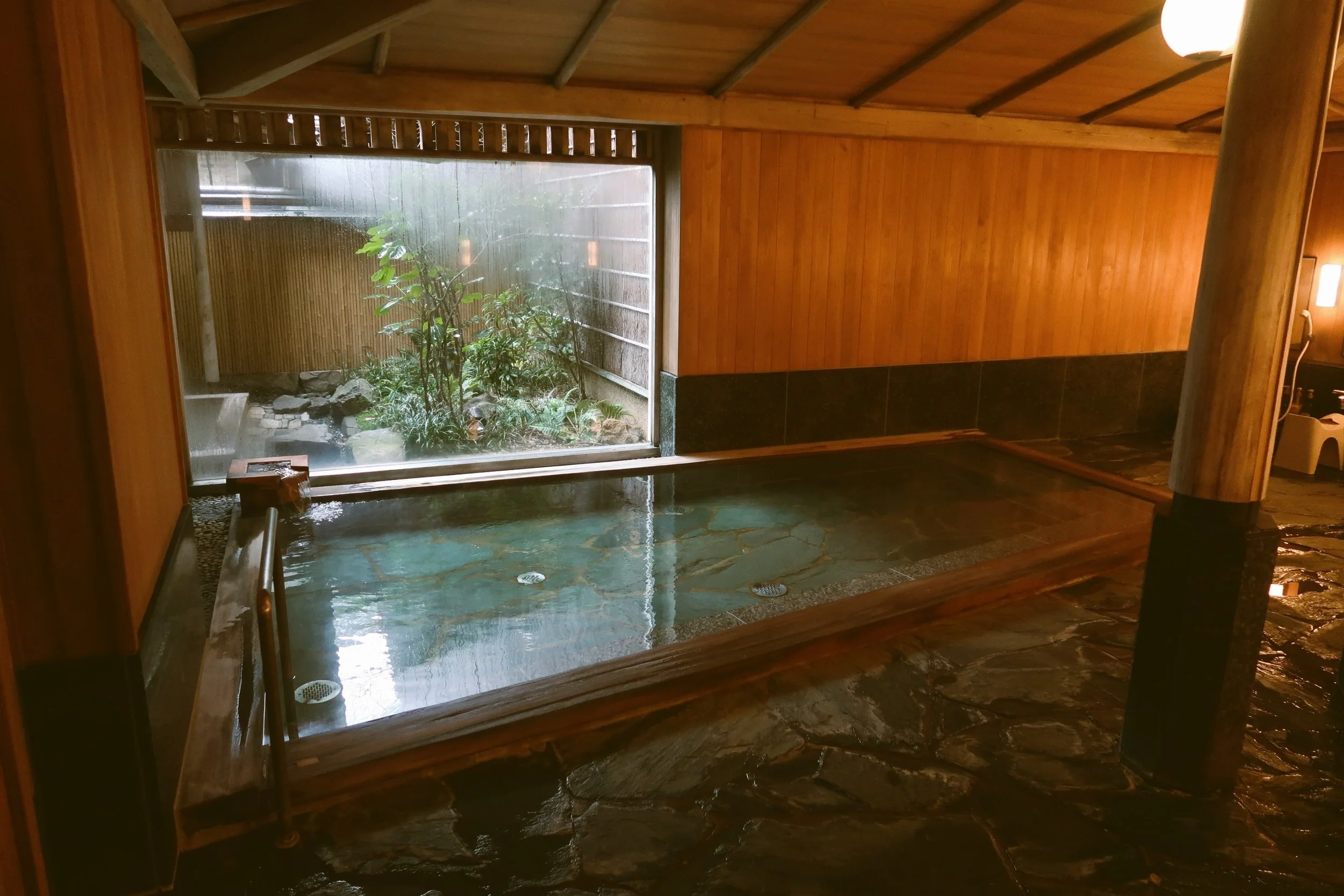
An onsen uses real hot spring water, pulled up from underground and naturally rich in minerals — sulfur, iron, sodium, whatever the local geology happens to produce. Tokyo has some natural hot springs of its own, often dark, mineral-rich 'black water' pumped from deep underground, but the country's famous onsen towns (Hakone, Kusatsu, Atami) are day trips or overnight stays, not something you stumble into on a Tuesday.
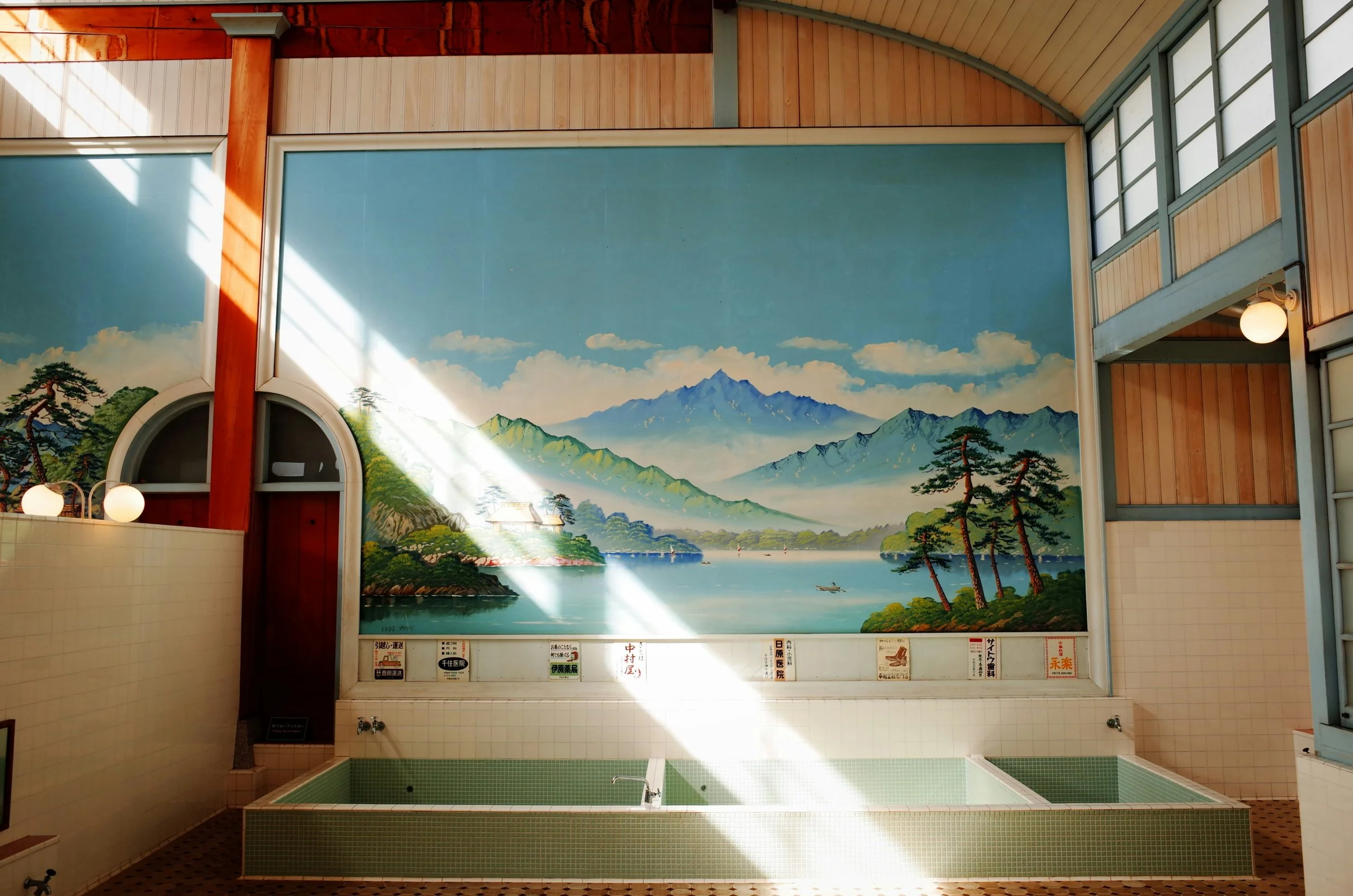
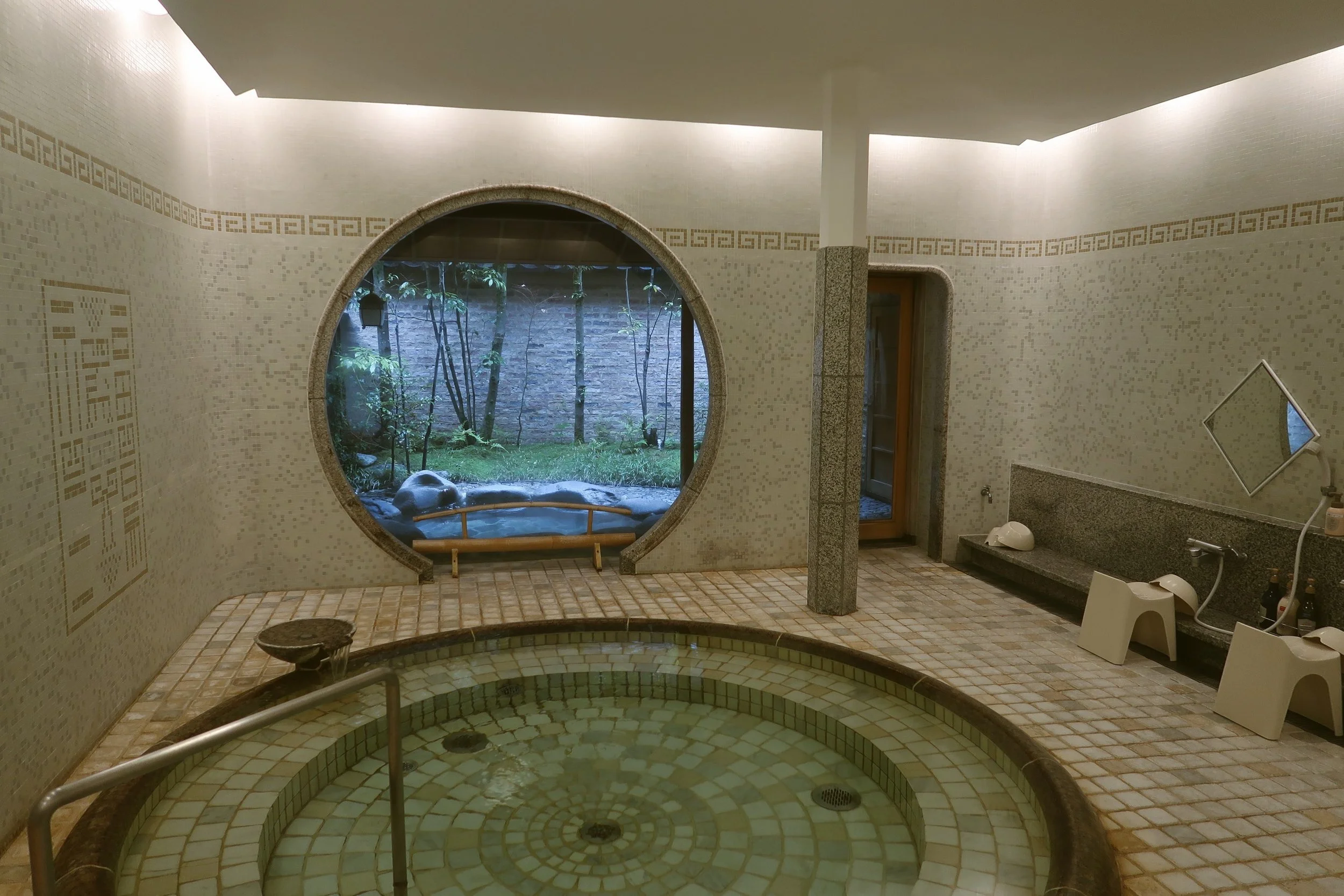
A sento, by contrast, is Tokyo's own answer out of necessity: a neighborhood bathhouse using ordinary tap water, heated artificially, born in an era when most homes had no bath of their own. There are still a few hundred scattered across the city, tiled and slightly worn, more community fixture than tourist attraction — locals in bath slippers, a rack of tiny lockers, the low murmur of regulars who've been coming for decades. A handful of larger "super sento" complexes now blend the two ideas, piping in real hot spring water from deep underground and wrapping it in saunas, restaurants and rooftop baths, so you get the mineral water without leaving the city limits.
BATH ETIQUETTE
The rules are stricter than they look, and nobody will explain them to you at the door — so here's what to know before you're standing there confused.
Wash first, soak second. Every bath area has a row of showers with small stools. Scrub down completely before you go anywhere near the actual bath — the water is shared, and nobody wants to sit in what you just washed off.
No swimsuits, ever. This isn't optional or a private-room exception. Everyone bathes nude, and bringing a swimsuit will get you turned away.
The small towel stays out of the water. You'll be given a small hand towel — use it to wash, carry it for modesty as you walk, fold it on your head or set it aside once you're in the bath. It never touches the water itself.
Tattoos can be a problem. Many onsen and sento still ban visible tattoos, a holdover from their old association with organized crime. Some now offer private baths or tattoo-friendly hours — worth checking ahead rather than being turned away on arrival.
Keep the volume down. This is meant to be restful, not social in the loud sense. Quiet conversation is fine. Splashing and shouting are not.
SOAK IT UP
Tokyo Toyosu Manyo Club brings real hot spring water into the city daily from Hakone and Yugawara — indoor and outdoor baths, saunas, and a restaurant, open almost around the clock. Tattoos are allowed if you cover them with up to two of the club's stickers. [Book Tokyo Toyosu Manyo Club →]