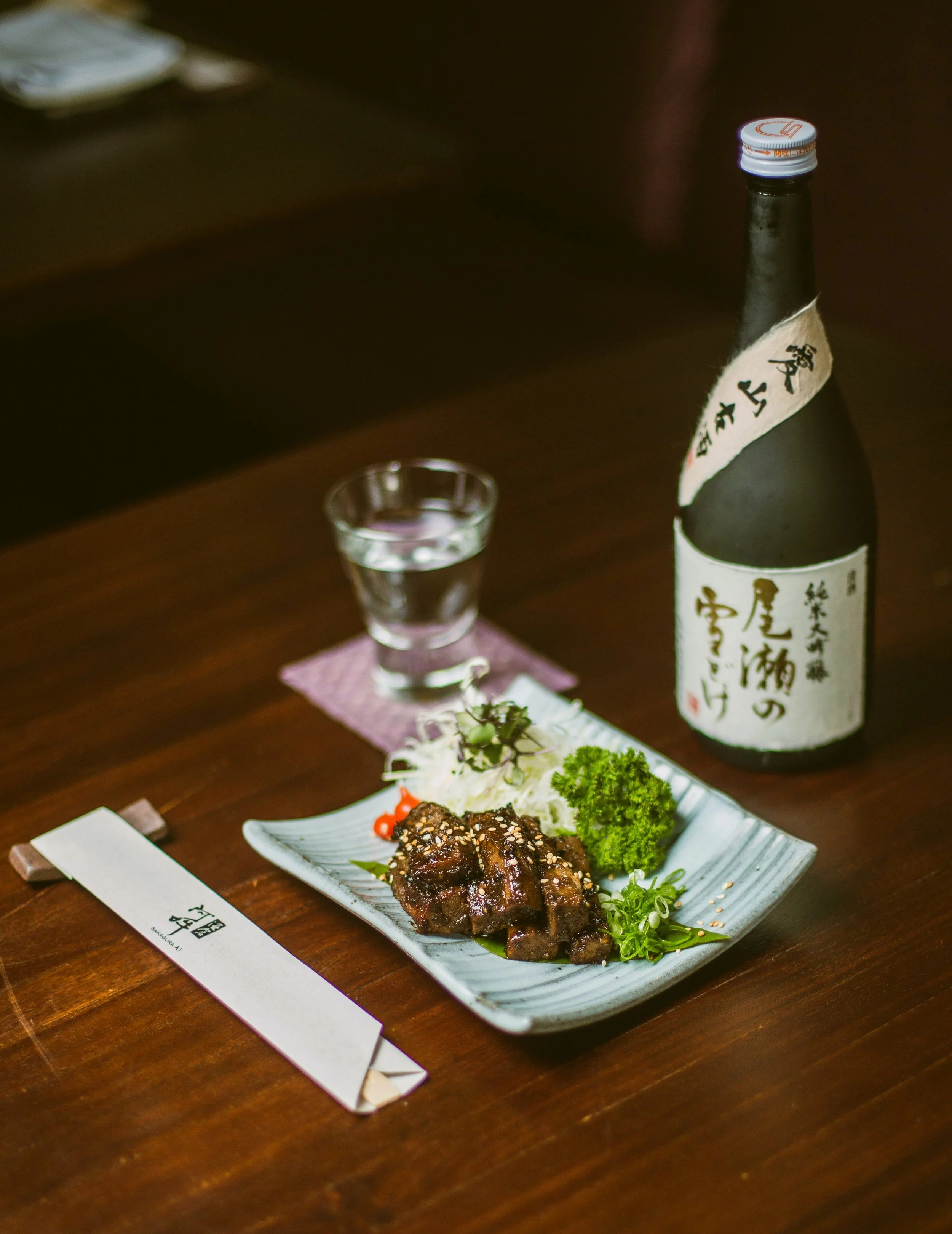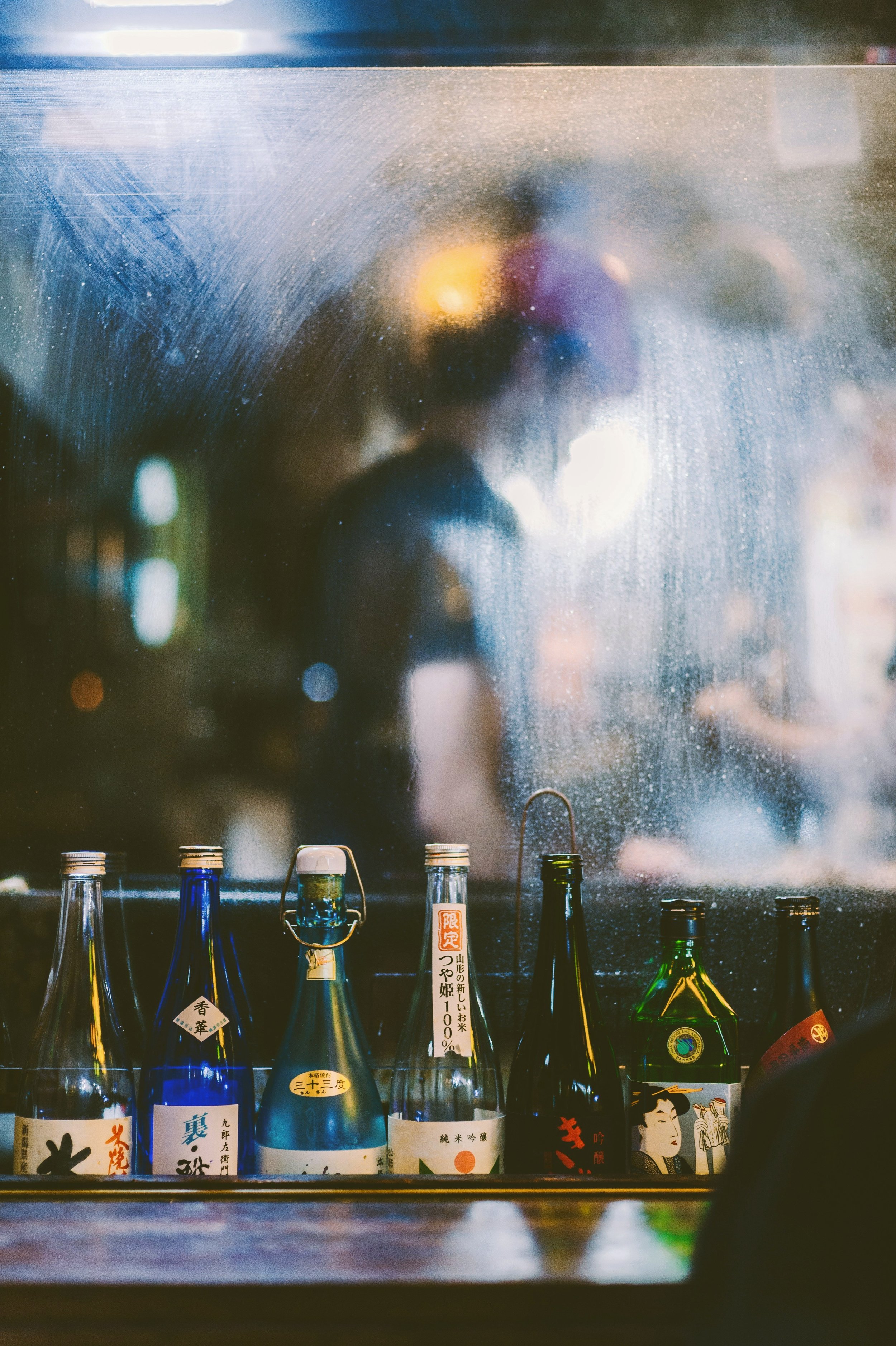
izakaya & sake
An izakaya is Japan's answer to the neighborhood pub — a small, informal restaurant-bar where you perch on low stools along a counter, the cook working right in front of you, plates of grilled skewers and small dishes arriving one after another rather than all at once. Somewhere around six in the evening, Tokyo's corporate hierarchy quietly loosens its tie and heads straight for one. That's when these places fill up — not quite a bar, not quite a restaurant, but the one spot where the rigid politeness governing office life gets set aside for a few hours. There's even a word for what happens there: nomunication, a mash-up of nomu (to drink) and communication, coined for exactly this reason. Colleagues who'd never contradict a boss at 3pm somehow find the nerve by 9, over small plates and endless refills of beer.
None of this is new. Merchants and craftsmen were doing roughly the same thing in Edo-period Tokyo centuries ago, and the modern salaryman version — after-work nomikai, year-end bōnenkai, a round of toasts before anyone touches their glass — is just the latest chapter. What's changed less than you'd expect is what's actually being poured: Sake still anchors most of these evenings, brewed from rice rather than grapes or barley, and understanding even the basics of it changes how the whole ritual reads.
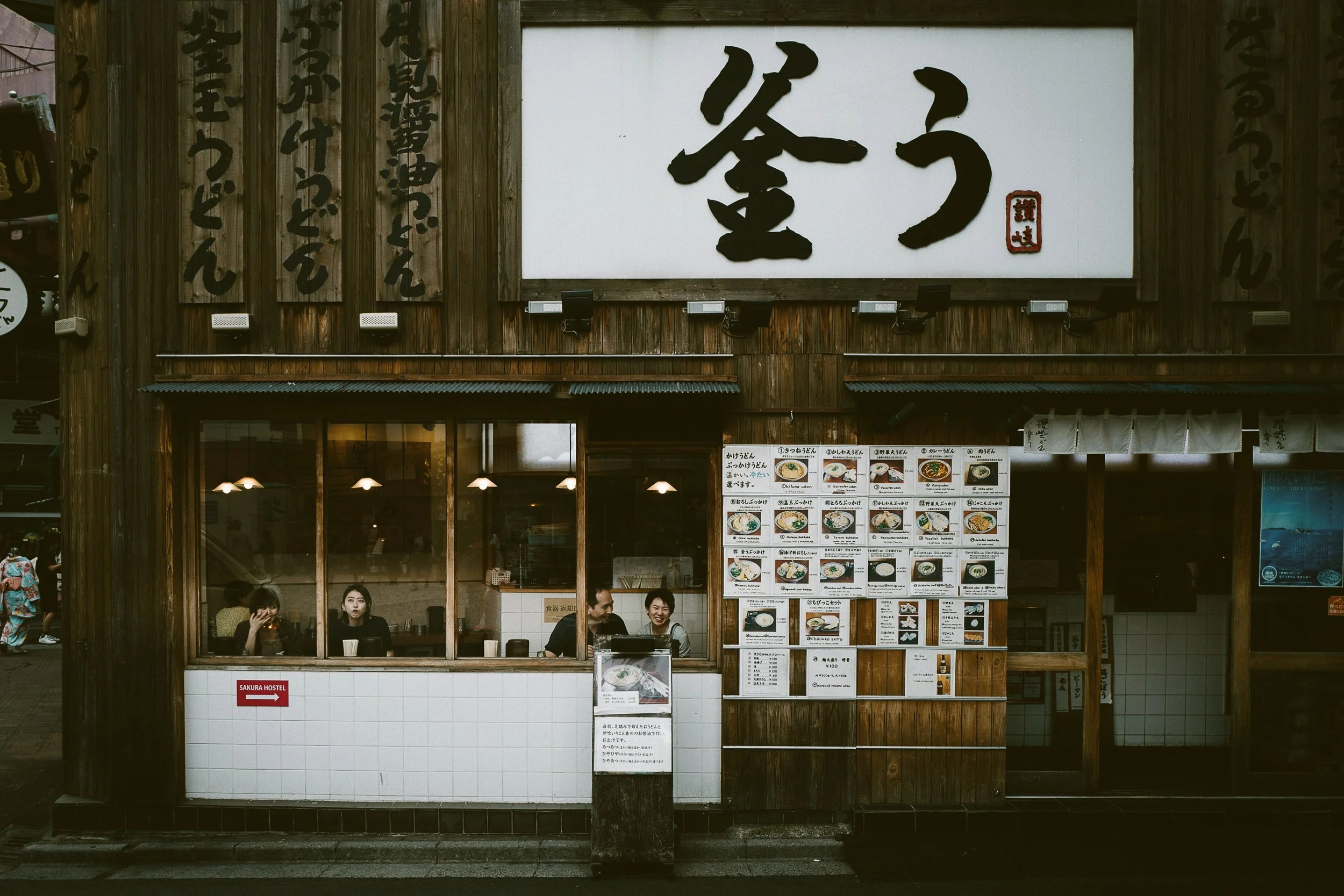
IZAKAYA CULTURE
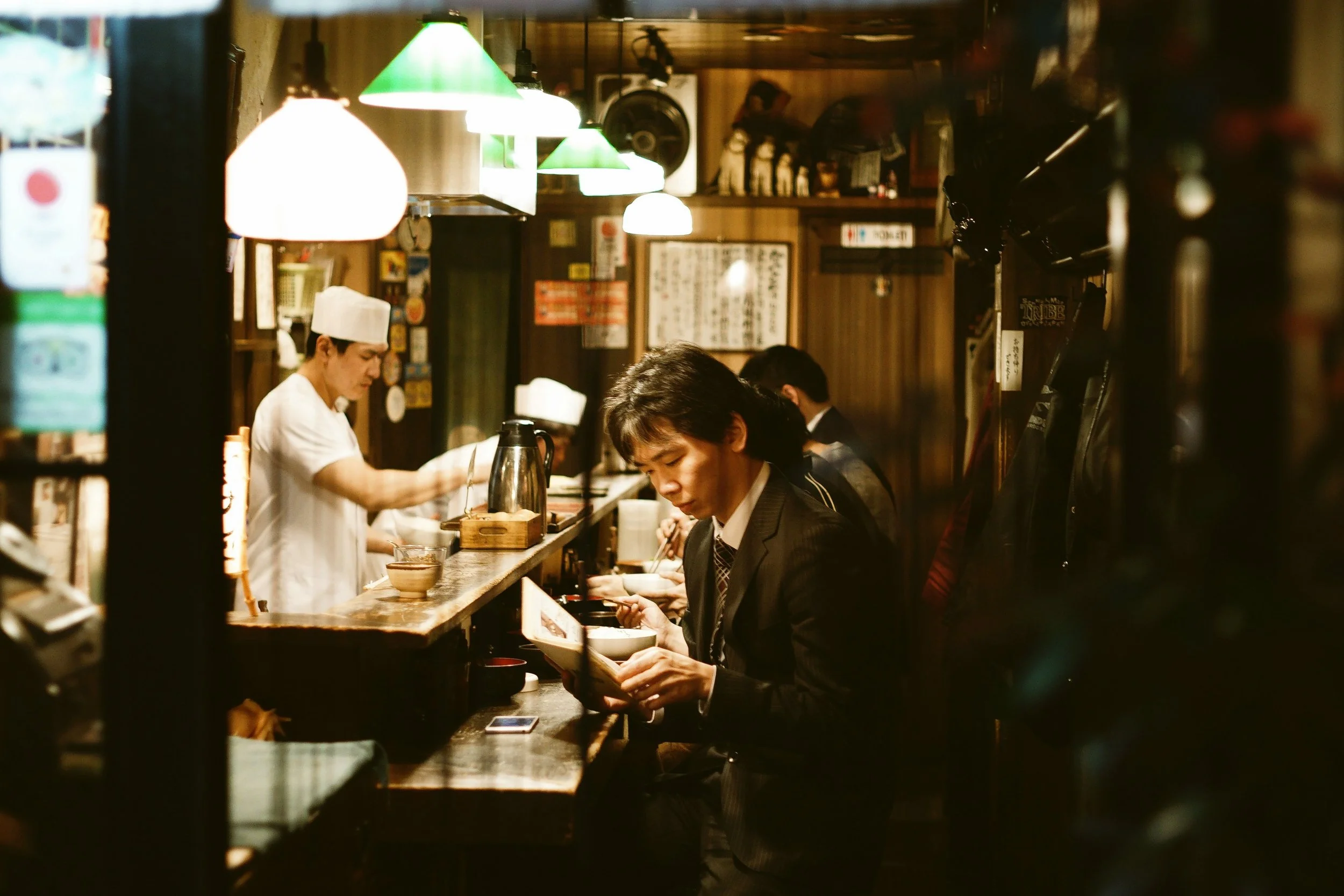
Picture the layout before anything else: a counter, low stools, the cook working the grill or the fryer close enough to talk to, and a room loud with conversation rather than quiet by design. Step into one on a weeknight and the scene barely varies: a wet towel handed over before you've even ordered, small plates arriving in a steady, unhurried stream. You'll often be charged a small, unavoidable cover fee — otōshi — for a starter you never actually requested. That's normal, not a scam.
The etiquette is simple once you know it. Wait for the first kanpai (toast) before anyone drinks. Pour for the people around you, not yourself — someone will notice an empty glass and refill it long before you'd think to ask. And if you genuinely don't want a top-up, leave a little sake in your cup rather than draining it; an empty glass reads as an open invitation. None of it requires fluent Japanese. It just requires paying attention to what everyone else at the table is already doing.
sake
Despite the nickname "rice wine", sake isn't fermented fruit at all — it's brewed from rice, water, koji mold and yeast, closer in process to beer than to anything from a vineyard. The main thing that separates one grade from another is how much of the rice grain gets polished away before brewing even starts: the more that's milled off, the lighter, more fragrant, and typically more expensive the sake becomes.
One assumption worth dropping immediately: warm sake isn't the "proper" way to drink it, and cold isn't the shortcut. Which temperature suits a bottle depends entirely on its grade — delicate, aromatic styles lose everything when heated, while heartier ones open up beautifully with a little warmth. A good izakaya staff member will usually know which is which, if you just ask.
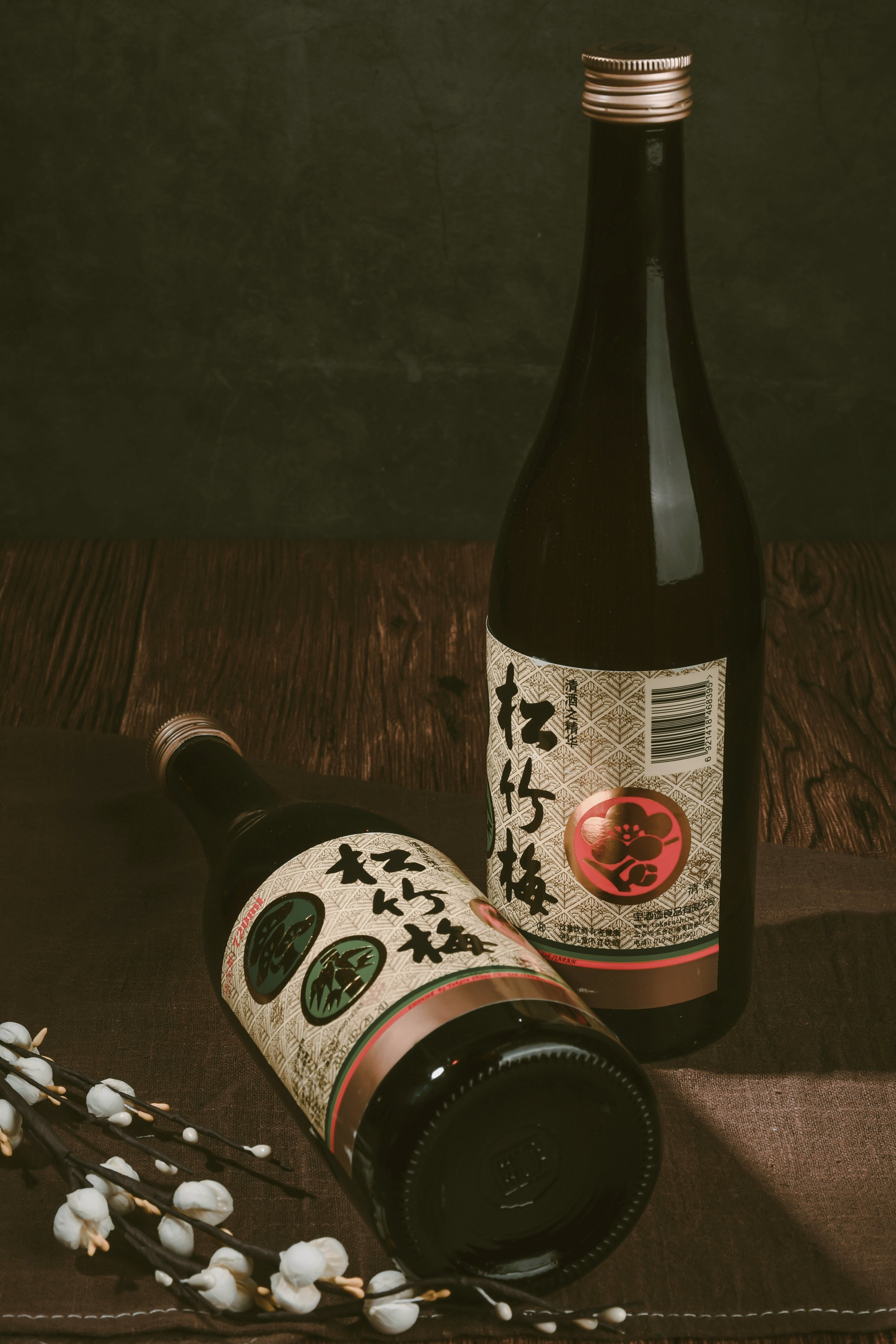
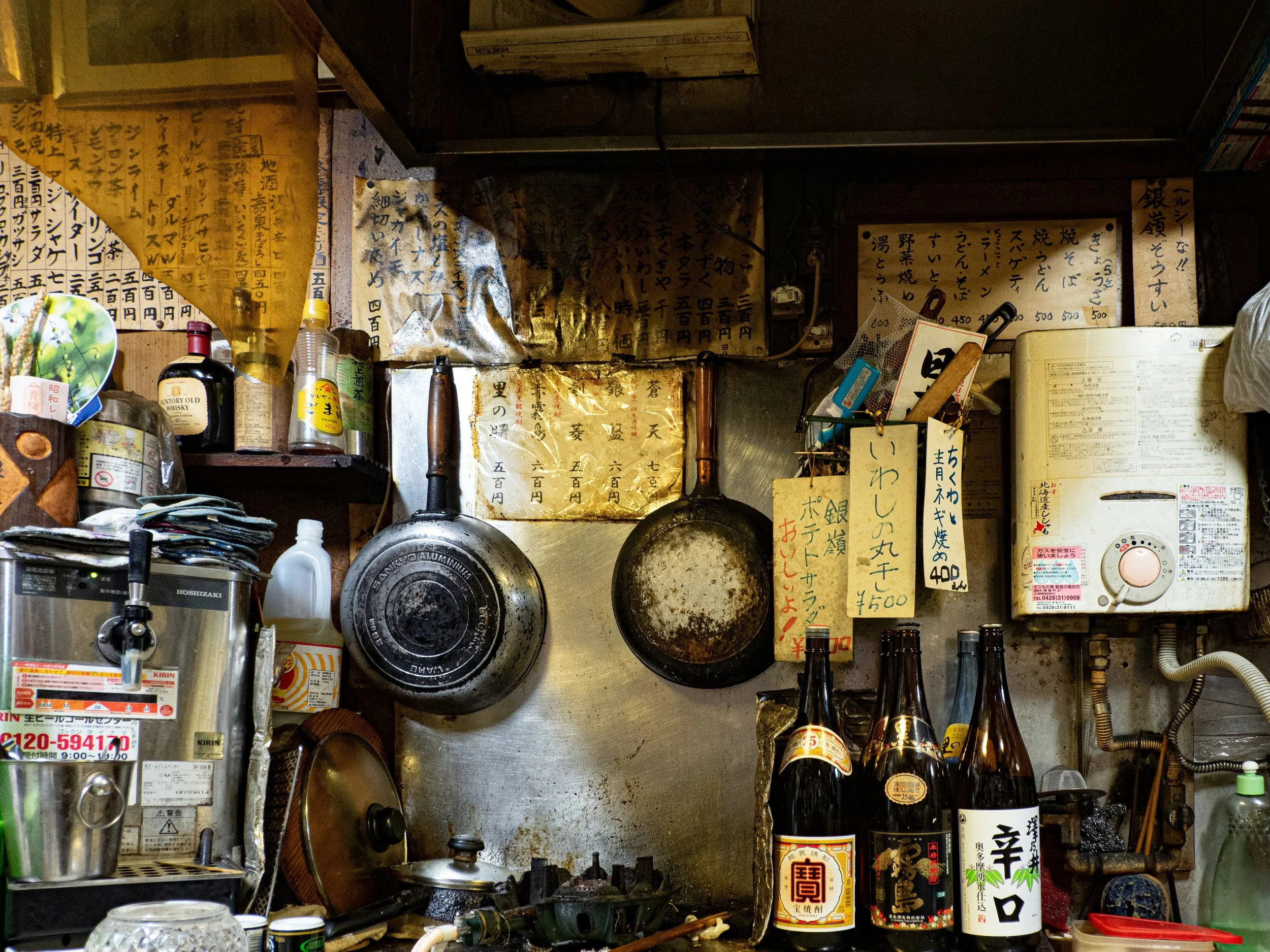
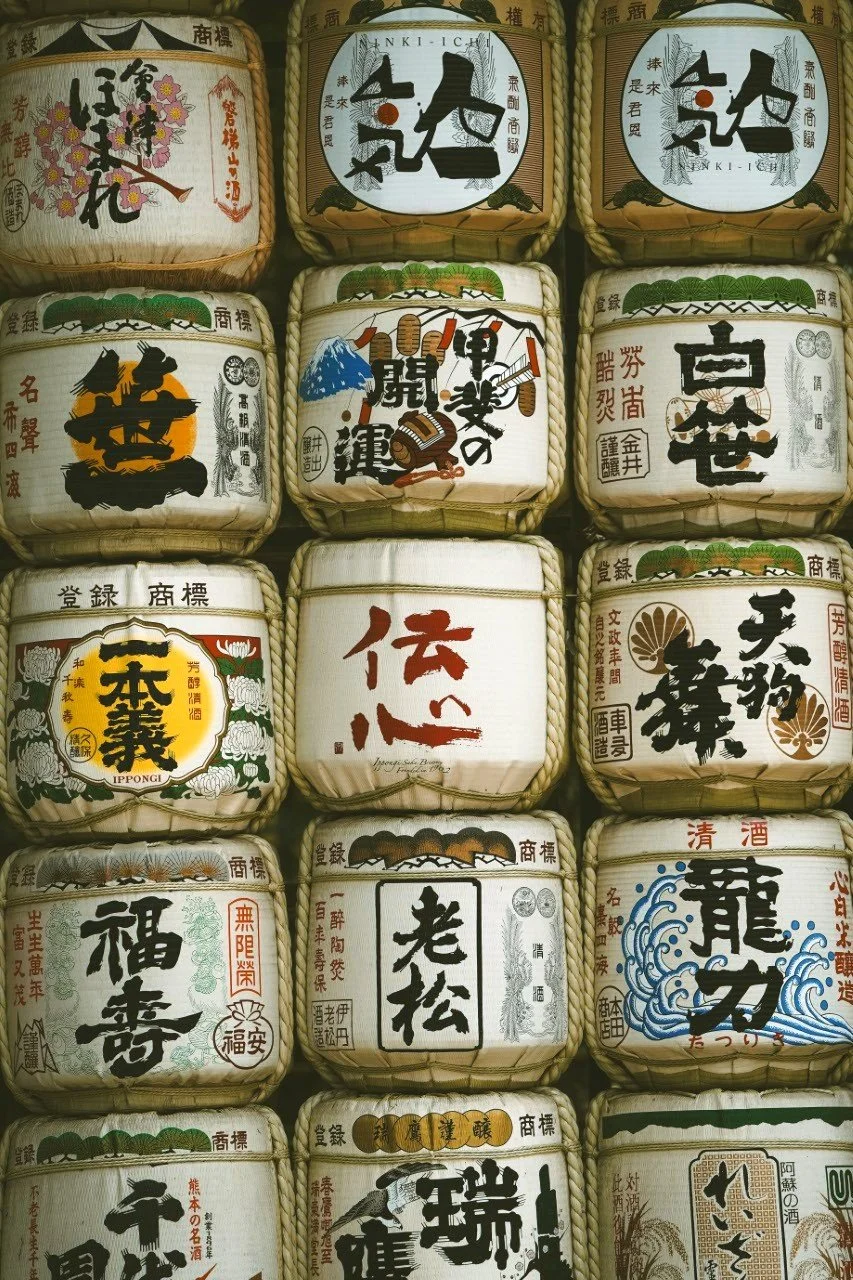
quick sake guide
Futsushu — 'Ordinary' sake, and more than half of everything produced in Japan. Rarely labeled by name, but often excellent value once you know to look past the fancier bottles beside it.
Junmai — "Pure rice" sake, no added alcohol. Earthy, full-bodied, and one of the few styles that genuinely improves warmed.
Ginjo — Rice polished down further, fermented slowly at low temperatures. Lighter and more aromatic than Junmai, often with a faint note of banana or pear. Best served chilled.
Daiginjo — The most heavily polished, most delicate tier — floral, clean, and usually the most expensive on the menu. Serve cold, and don't let anyone warm it near you.
Nigori — Coarsely filtered, cloudy, and noticeably sweeter than the rest. The easiest entry point for anyone who claims not to like sake.
TASTE YOUR WAY THROUGH IT
An izakaya crawl or a proper sake tasting takes the guesswork out of both menus at once — someone else doing the ordering, in the right order, at the right temperature. [Book an izakaya food tour →]