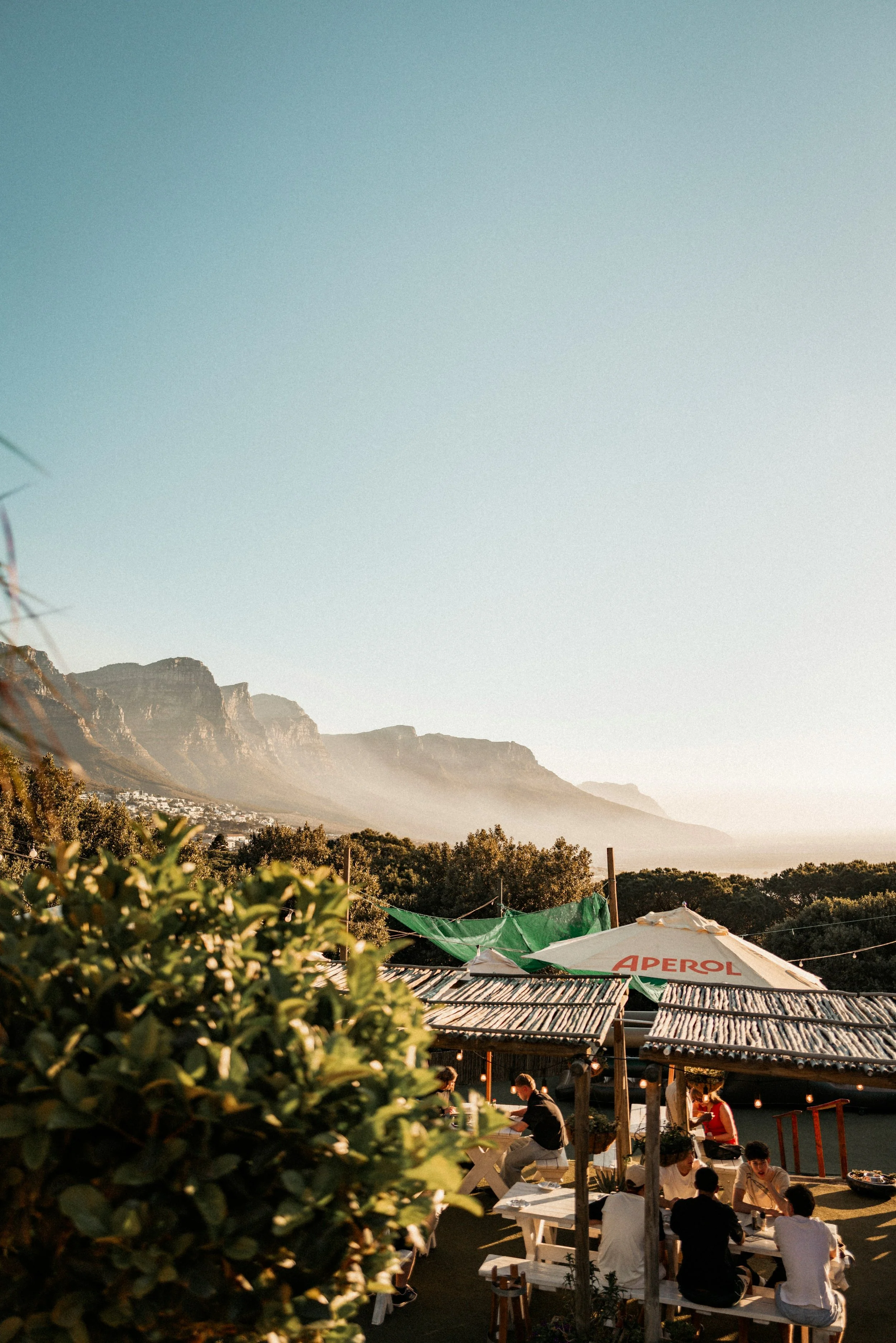
THE WINELANDS
On February 2, 1659, the Dutch commander of the Cape wrote in his diary: "Today, praise be to God, wine was pressed for the first time from Cape grapes." Nobody recorded whether it was any good. Probably not. But the idea stuck, and three and a half centuries later the valleys east of Cape Town make some of the most exciting wine in the world.
It helps that the setting is ridiculous. Vines run in neat rows up to the foot of jagged mountains, old oaks shade whitewashed farmhouses with curly gables, and lunch is usually served on a terrace with a view you'll keep thinking about for weeks. Even if you don't care much about wine, it's hard not to enjoy yourself.
For most of the twentieth century, apartheid kept South African wine out of the world's shops and restaurants. When sanctions ended in the 1990s, a new generation of winemakers got to work, and they haven't stopped since. The happy result for visitors: world-class bottles, friendly cellar doors and tastings that cost less than a cocktail back home.
One rule before you go. Whatever you do, don't be the one driving.
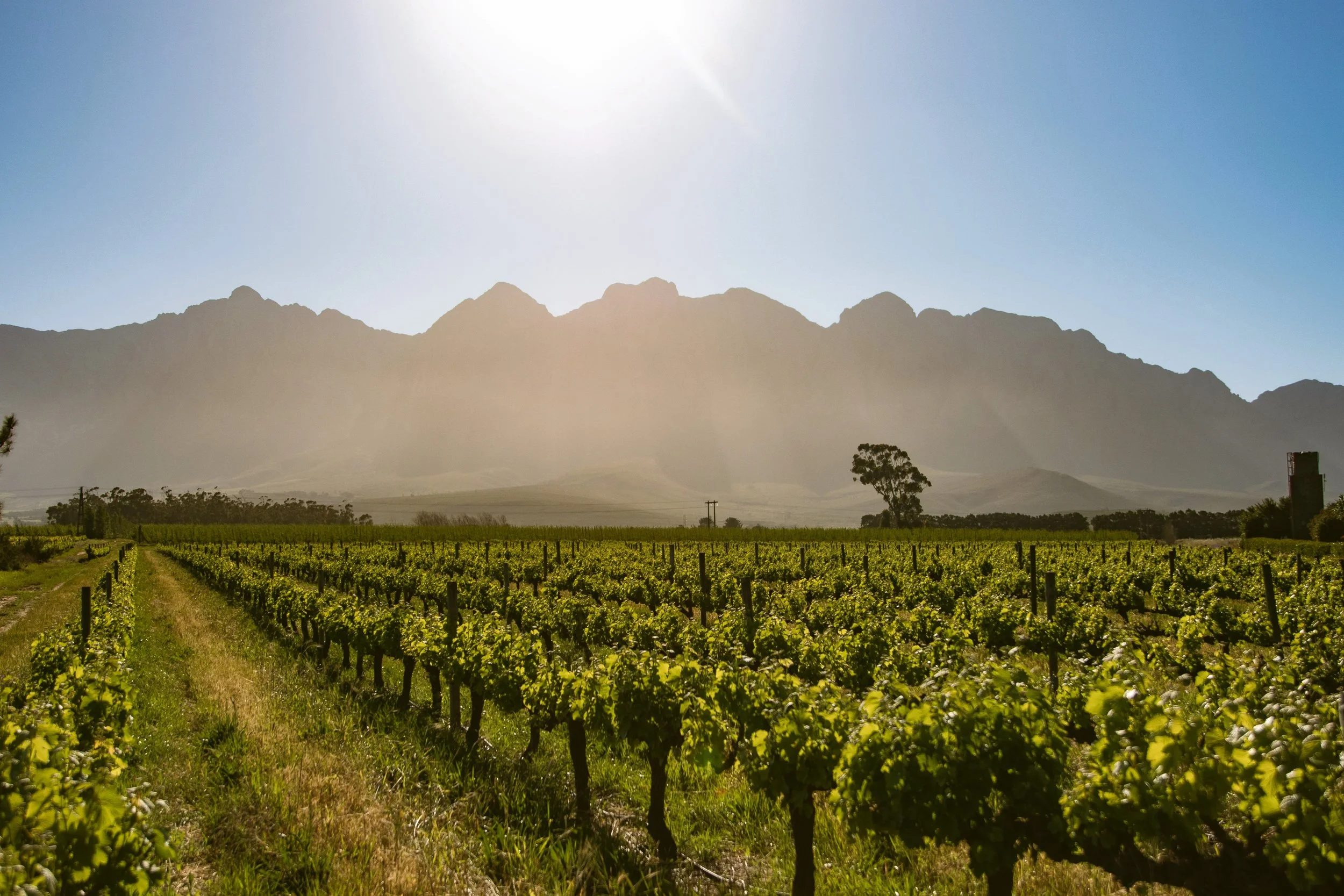
STELLENBOSCH
Founded in 1679, Stellenbosch is the second-oldest town in South Africa, and it still feels young, thanks to the thirty thousand students who fill its cafés and bars during term. Locals call it Eikestad, the city of oaks, after the trees an early governor planted along its streets. Walk down Dorp Street for a look at the old houses, then grab a coffee and watch the town go by.
The wine starts the moment you leave the center. Some of the country's best-known estates are a few minutes' drive away, and the ones up on the Helshoogte Pass, like Tokara and Delaire Graff, come with views of vineyards, mountains and valleys that make the wine taste even better.
If it's your first time in the Winelands, start here. It's under an hour from Cape Town, easy to get around and impossible to get wrong.
WHERE TO TASTE in STELLENBOSCH
- Kanonkop. The great name in South African Pinotage. The farm is named after the hill where a cannon was once fired to tell local farmers a ship had arrived in Table Bay. The tasting room is simple and the wines are serious.
- Delaire Graff. Up on the Helshoogte Pass, with one of the best views in the Winelands, a serious art collection and an elegant restaurant. Book lunch, sit outside and take your time.
- Simonsig. A relaxed family estate where, in 1971, South Africa made its first sparkling wine in the Champagne style. Start with a glass of their Kaapse Vonkel, the one that started it all.
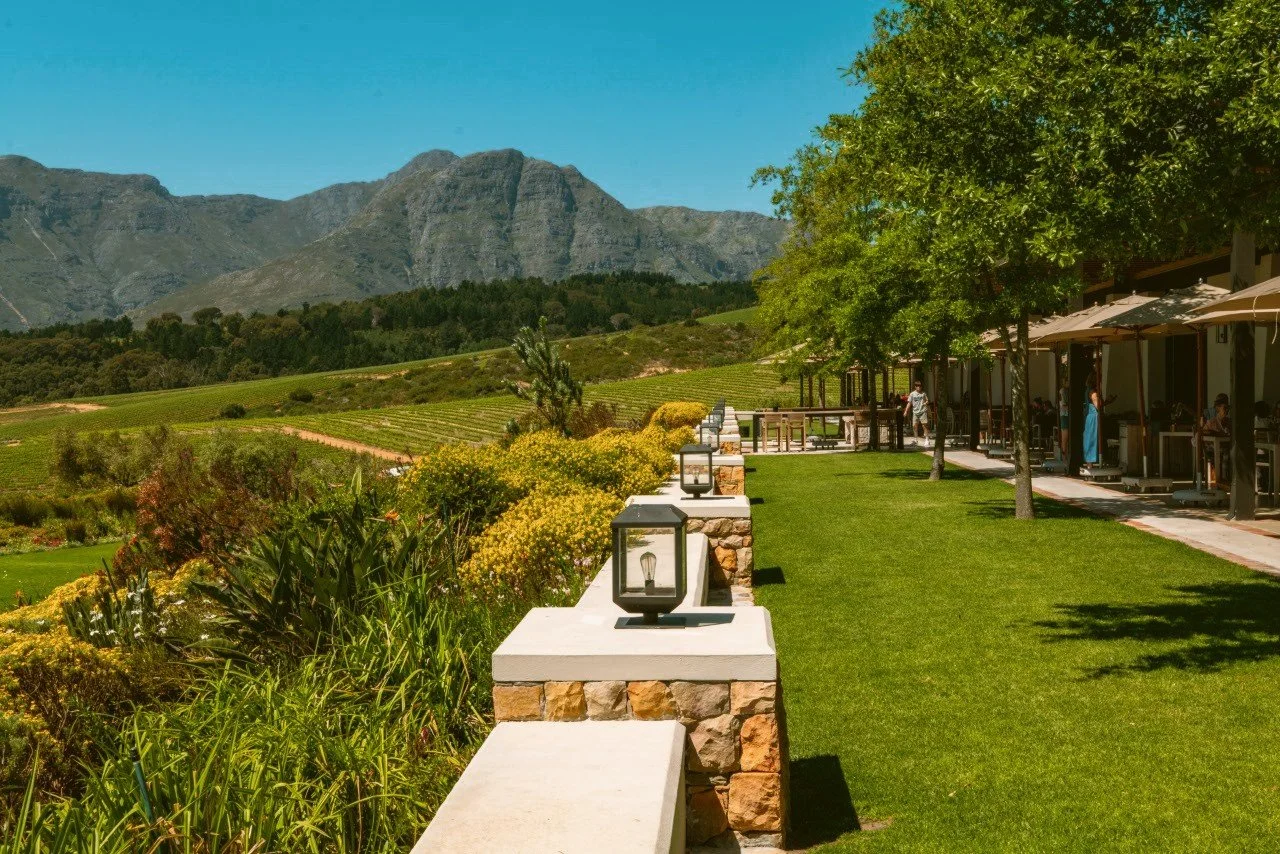
franschhoek
The name means "French corner." In 1688 a group of French Huguenots, fleeing persecution at home, were given land in this valley, and many farms still carry their names: La Motte, Chamonix, La Petite Ferme.
Today it's the prettiest village in the Winelands and, for many, the food capital of the country. One main street of galleries, bakeries and restaurants runs straight toward the Huguenot Monument and the mountains behind it.
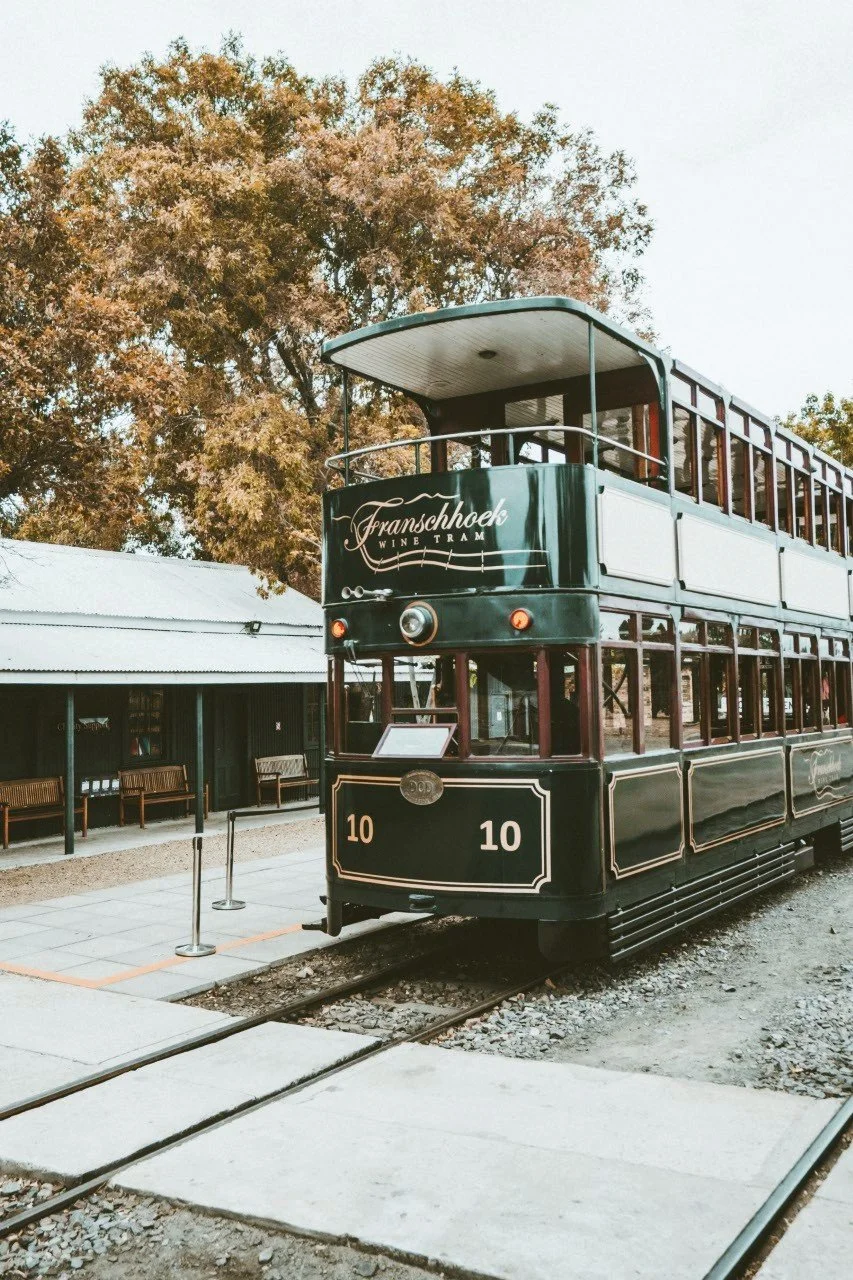
The valley is known for elegant whites and some of the country's best Cap Classique. To taste them without anyone driving, hop on the Wine Tram, which loops between the estates all day. Just don't miss the last one back.
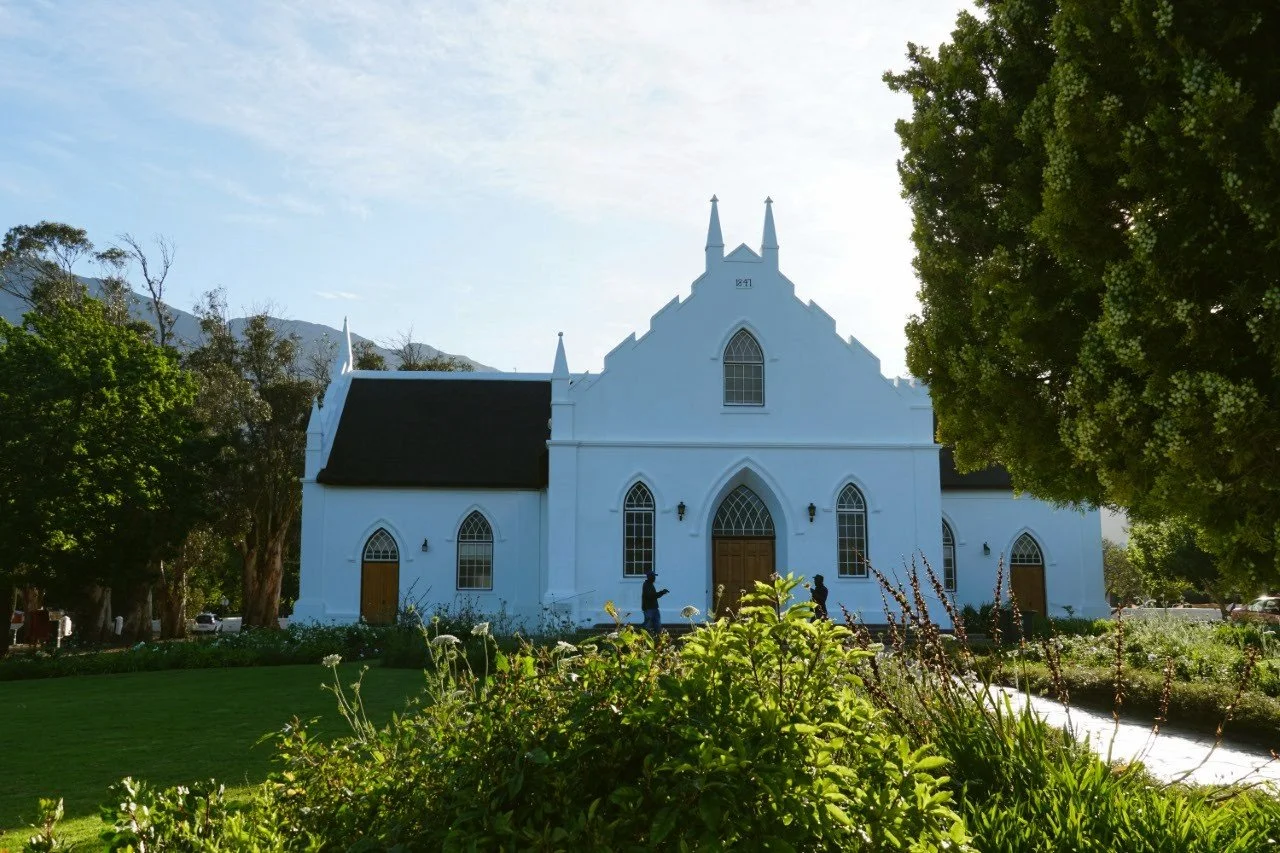
WHERE TO TASTE in FRANSCHHOEK
- Boschendal. One of the oldest farms in the country, granted in 1685, with a white Cape Dutch manor house and long lawns under the oaks. Order a picnic basket, find a shady spot and forget about the time.
- Haute Cabrière. Cut into the slopes above the village, this is the place for Cap Classique. They're famous for opening their bottles the old-fashioned way, with a saber. Ask nicely and you might see it done.
- Babylonstoren. Technically in the next valley, but nobody comes to Franschhoek without stopping here. An old farm with an enormous fruit and vegetable garden that's a pleasure to get lost in, plus a restaurant and a hotel that make it hard to leave.
CONSTANTIA
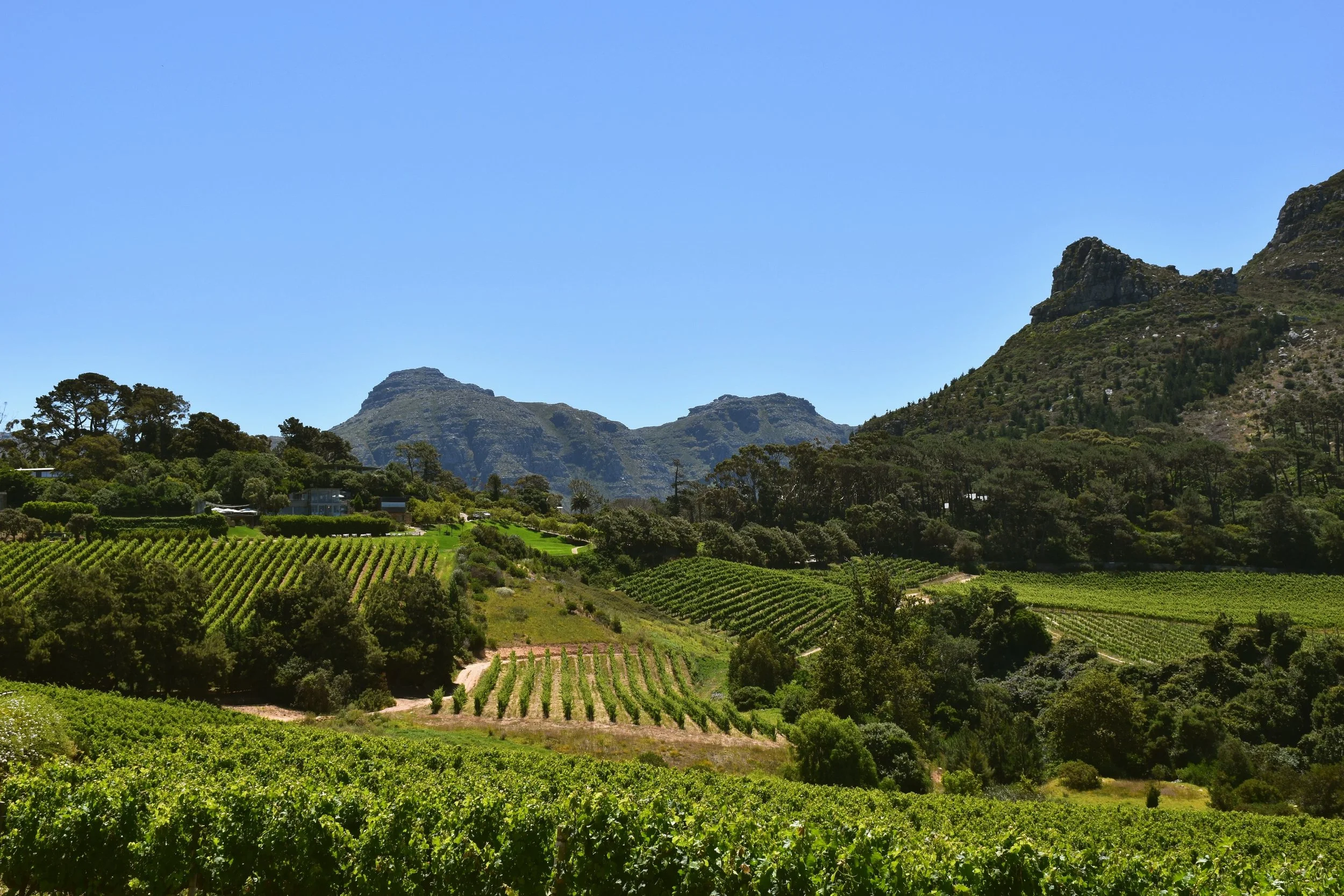
You don't have to go far for this one. Constantia sits on the back slopes of Table Mountain, about twenty minutes from the city center, and it fits nicely at the end of a day on the peninsula. Cool breezes from the ocean keep the grapes fresh, which is why the Sauvignon Blanc here is so good.
This is also where Cape wine began in earnest. The governor planted the first serious vineyard in 1685, and a century later its sweet wine, Vin de Constance, was one of the most famous in Europe. Napoleon had it shipped to him in exile on St Helena. Jane Austen recommended it for "its healing powers on a disappointed heart." Not bad for a valley most tourists drive straight past.
WHERE TO TASTE in CONSTANTIA
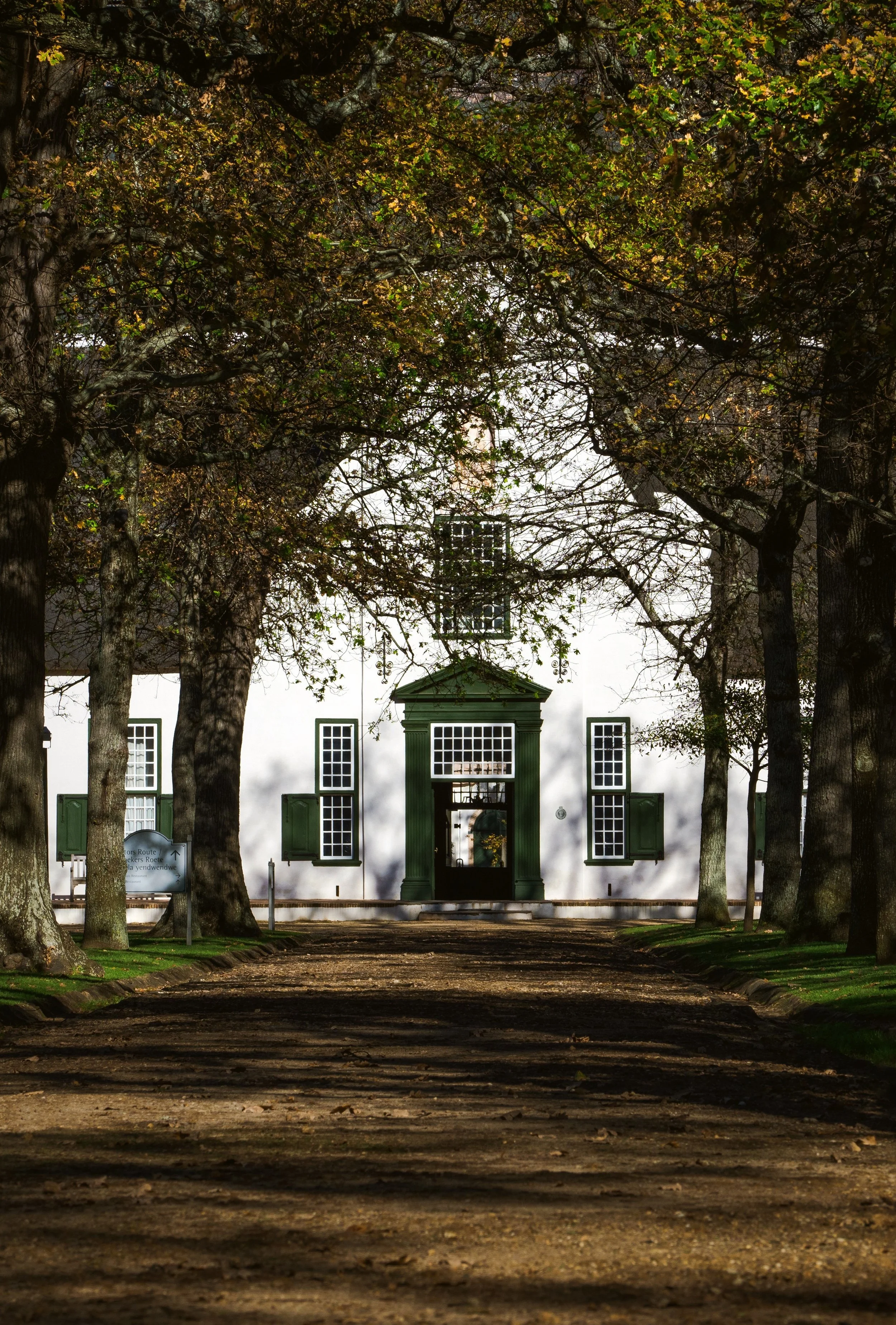
- Groot Constantia. The oldest wine farm in South Africa, founded in 1685. The whitewashed manor house is now a small museum, and the old cellar still smells of oak barrels. Taste, wander, then have lunch under the trees.
- Klein Constantia. The home of Vin de Constance, the sweet wine Napoleon couldn’t do without. It vanished in the late 19th century, when phylloxera destroyed the vines, and stayed gone until this estate brought it back in the 1980s. Try a small glass. It’s worth it.
- Steenberg. Crisp Sauvignon Blanc, very good sparkling wine and one of the best restaurants in the valley. Book a table on the terrace and let lunch turn into the afternoon.
A QUICK GUIDE TO SOUTH AFRICAN WINE
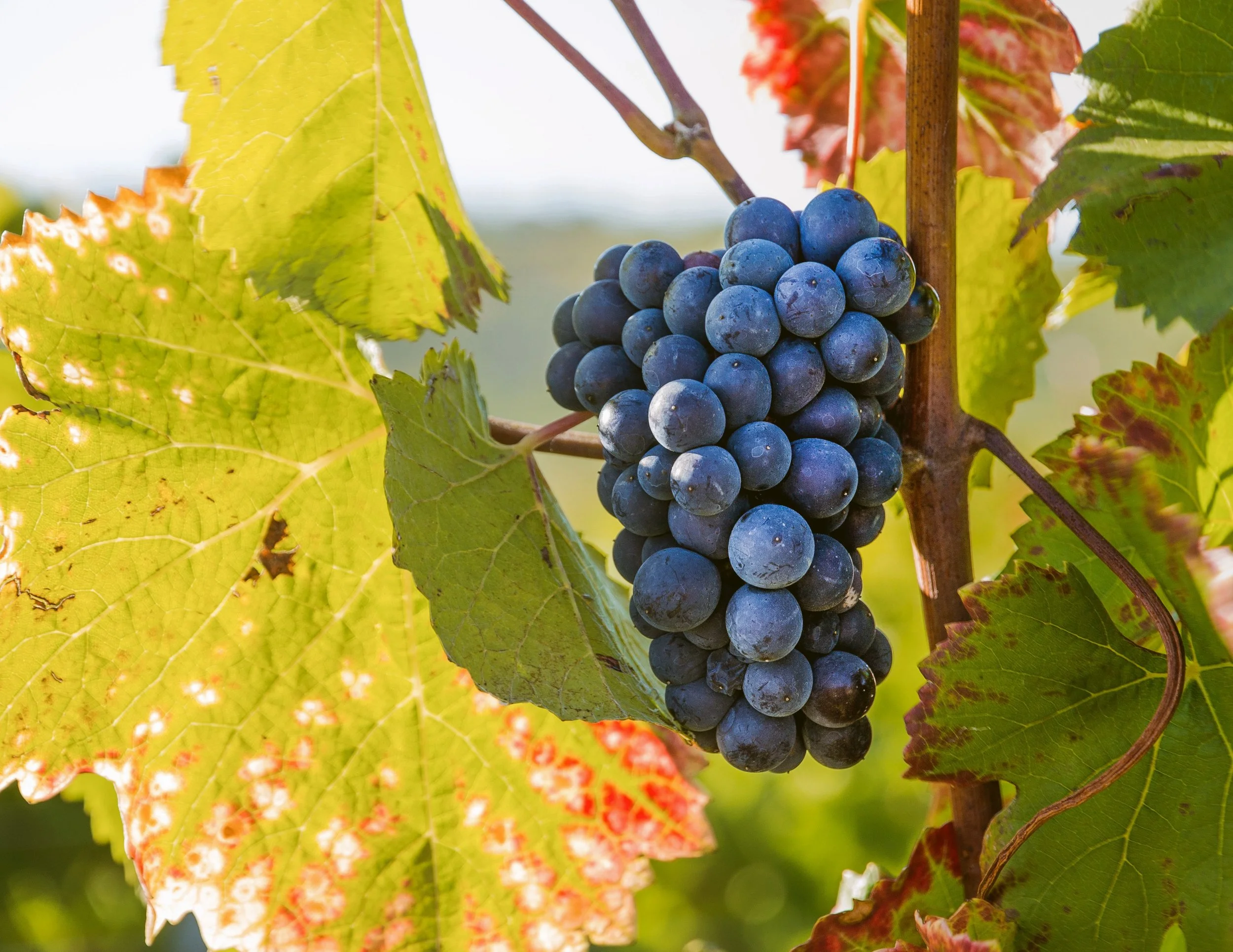
Pinotage
South Africa's very own grape, created in 1925 at Stellenbosch University by crossing Pinot Noir with Cinsault. It's smoky, dark and fruity, and it divides people: some love it, some can't stand it. Try one and pick a side.
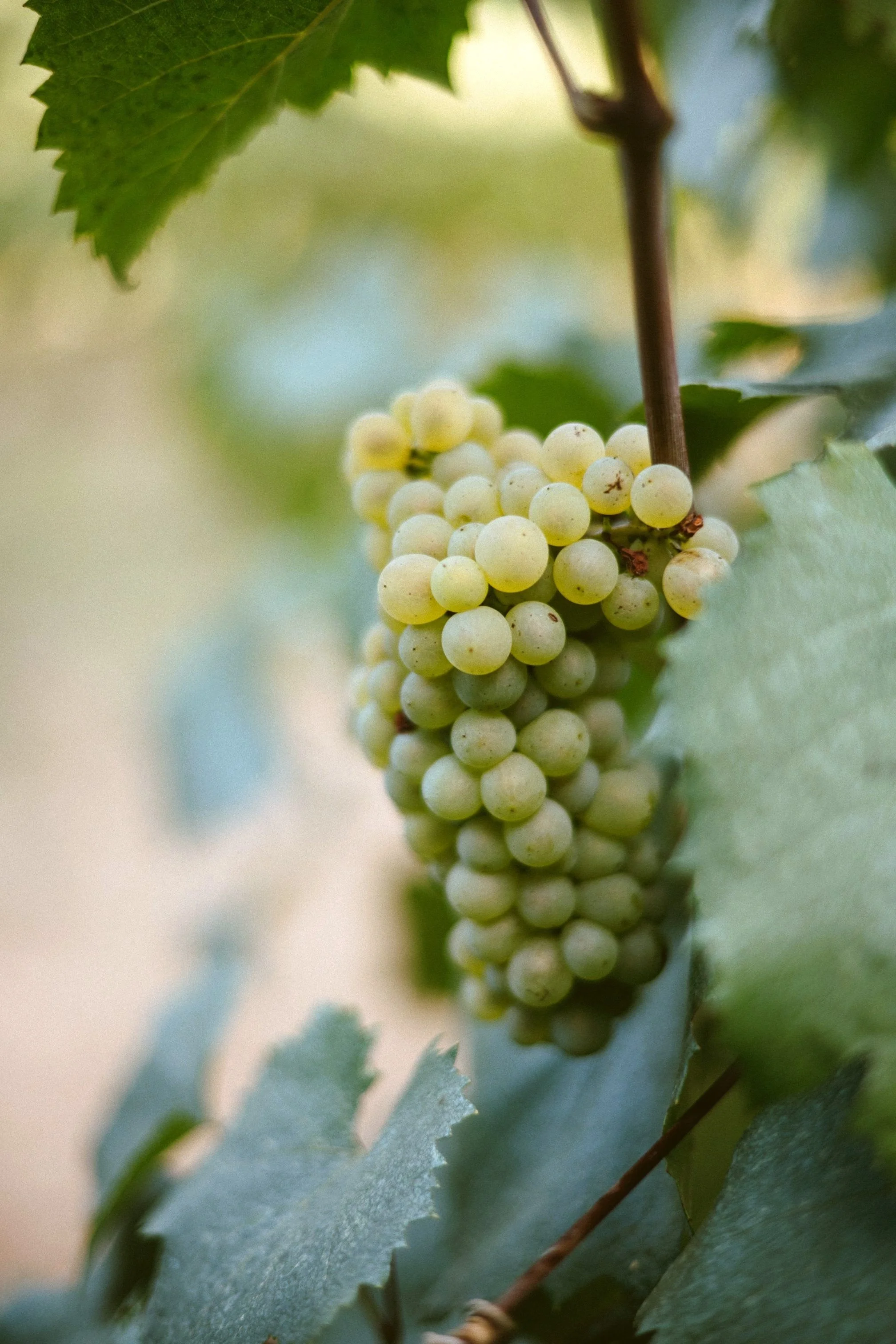
Chenin Blanc
The country's great white. South Africa grows more of it than anywhere else in the world, France included, and makes it in every style, from fresh and zesty to rich and golden. If you're not sure what to order, order this.
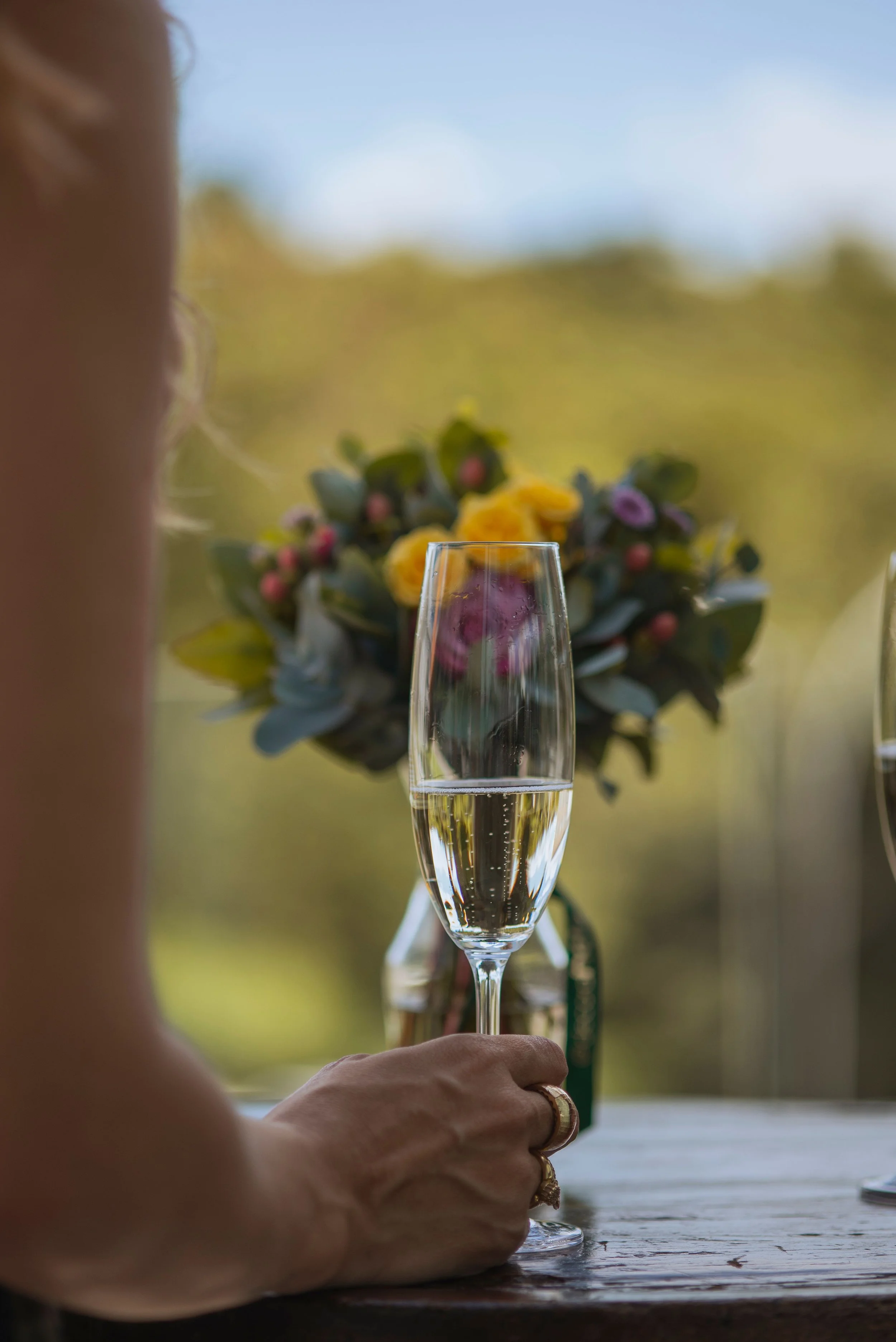
Cap Classique
Sparkling wine made the same way as Champagne, with the second fermentation in the bottle. It just can't use the name. Many are just as good for a fraction of the price, which makes a glass at lunch very easy to justify.
Someone else drives, you taste. This private tour picks you up at your hotel and spends a full day in three wine regions: Paarl, Franschhoek and Stellenbosch, with stops at estates like Spier, Haute Cabrière and Nederburg, and wine, cheese and chocolate along the way. Tasting fees are paid on the day. All you have to do is decide between red and white.