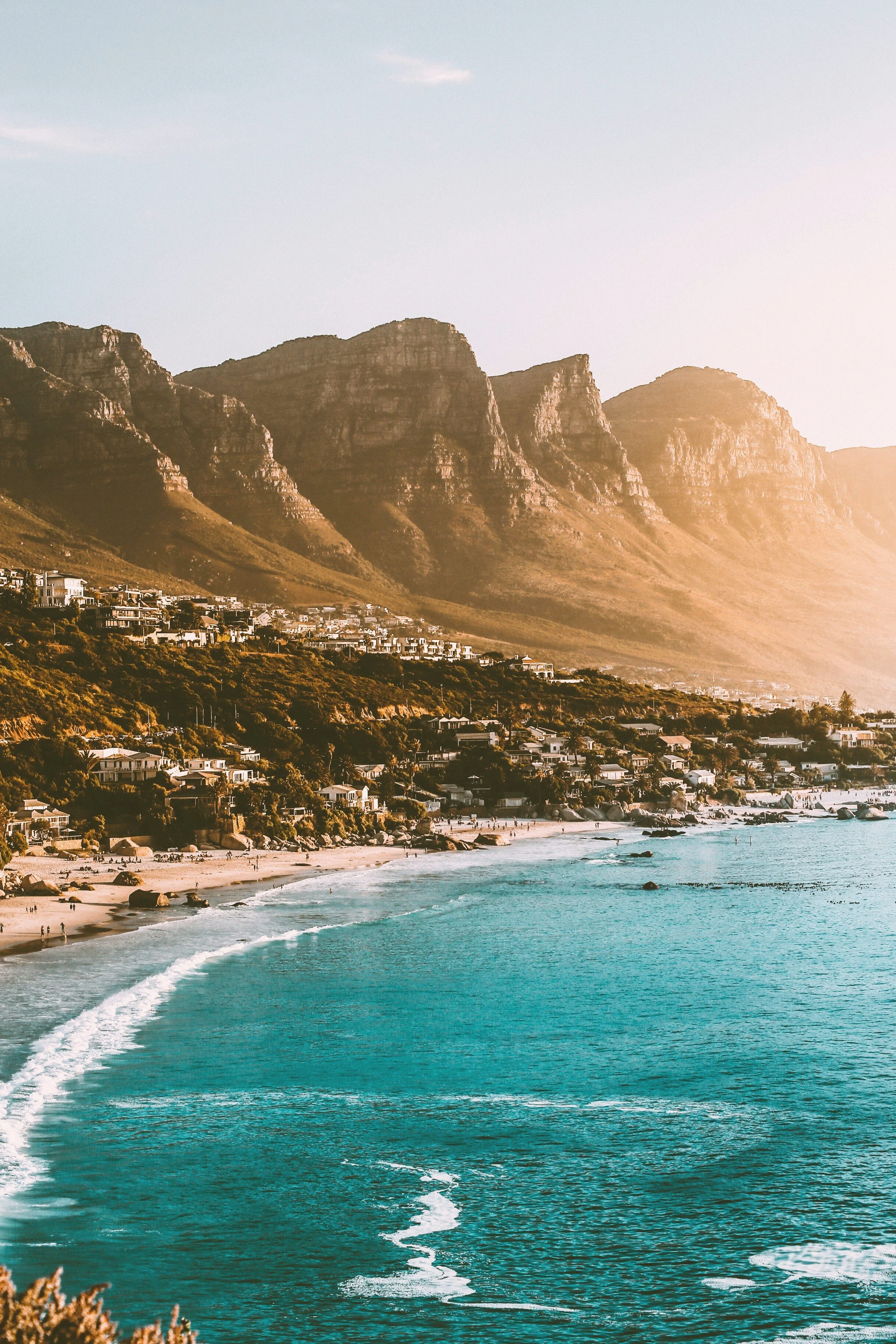
THE CAPE PENINSULA
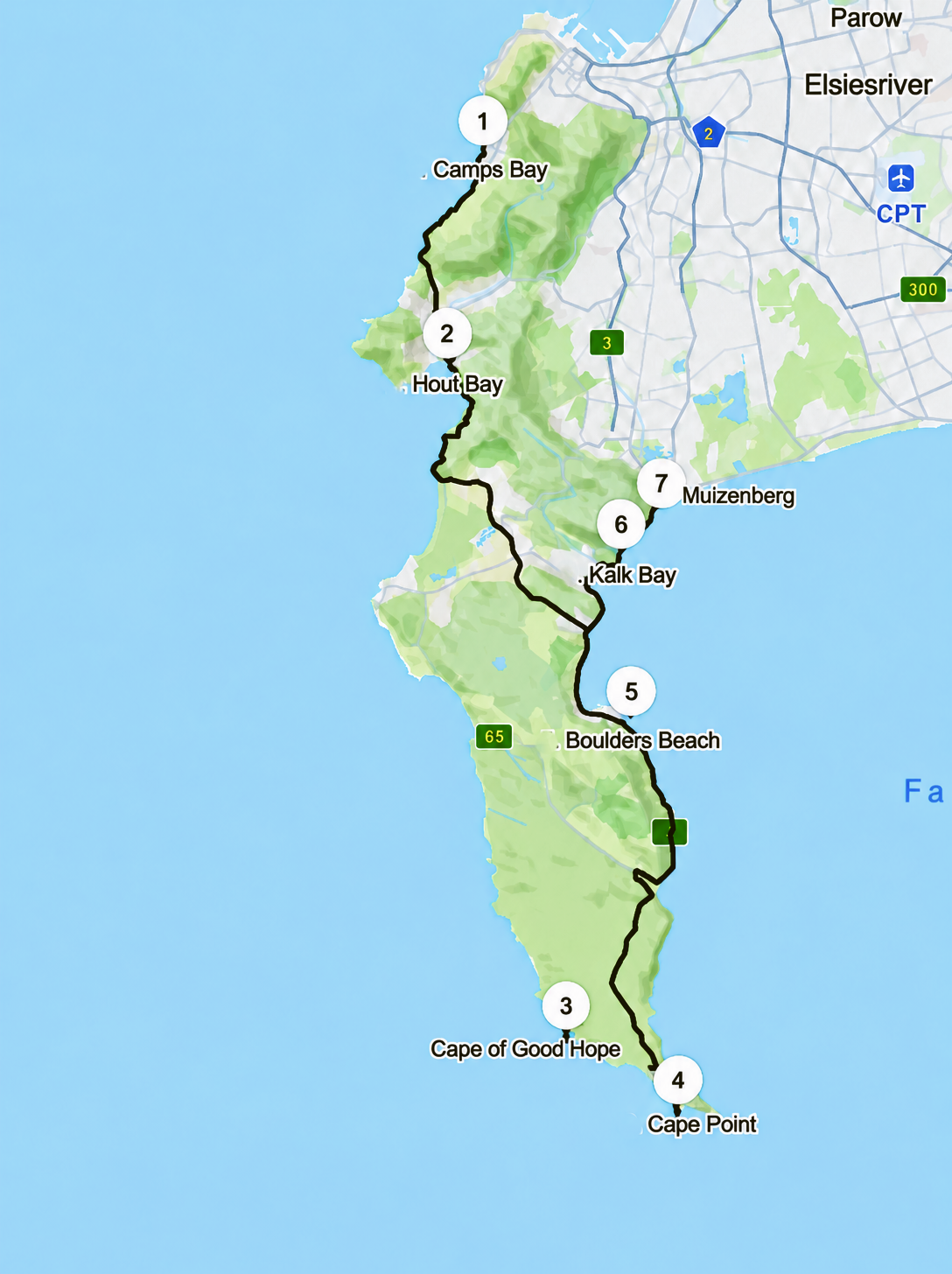
Look at a map and the Cape Peninsula is a long, bony finger of mountain pointing south into nowhere, with Cape Town clinging to the knuckle. At the very end sits the Cape of Good Hope, a name that has been selling this trip for five centuries. The Portuguese sailor who first rounded it called it the Cape of Storms. His king, sensibly, chose something more optimistic.
Driving all the way around and back takes a full day, and the two coasts feel like different countries. On the west, the Atlantic arrives straight from the Antarctic, icy and deep blue, and the beaches look better than they feel. On the east, False Bay is several degrees warmer, gentler and full of little fishing towns.
Somewhere along the way, someone will tell you that the Atlantic and Indian Oceans meet at the tip. Nod politely. They actually meet at Cape Agulhas, a few hours' drive to the southeast, and nobody there has a gift shop half as good. Not that it matters. Standing at the Cape of Good Hope, with the wind trying to take your hat, feels exactly as dramatic as it should.
Go on a clear day, start early and leave room for detours. You'll want them.
the atlantic side
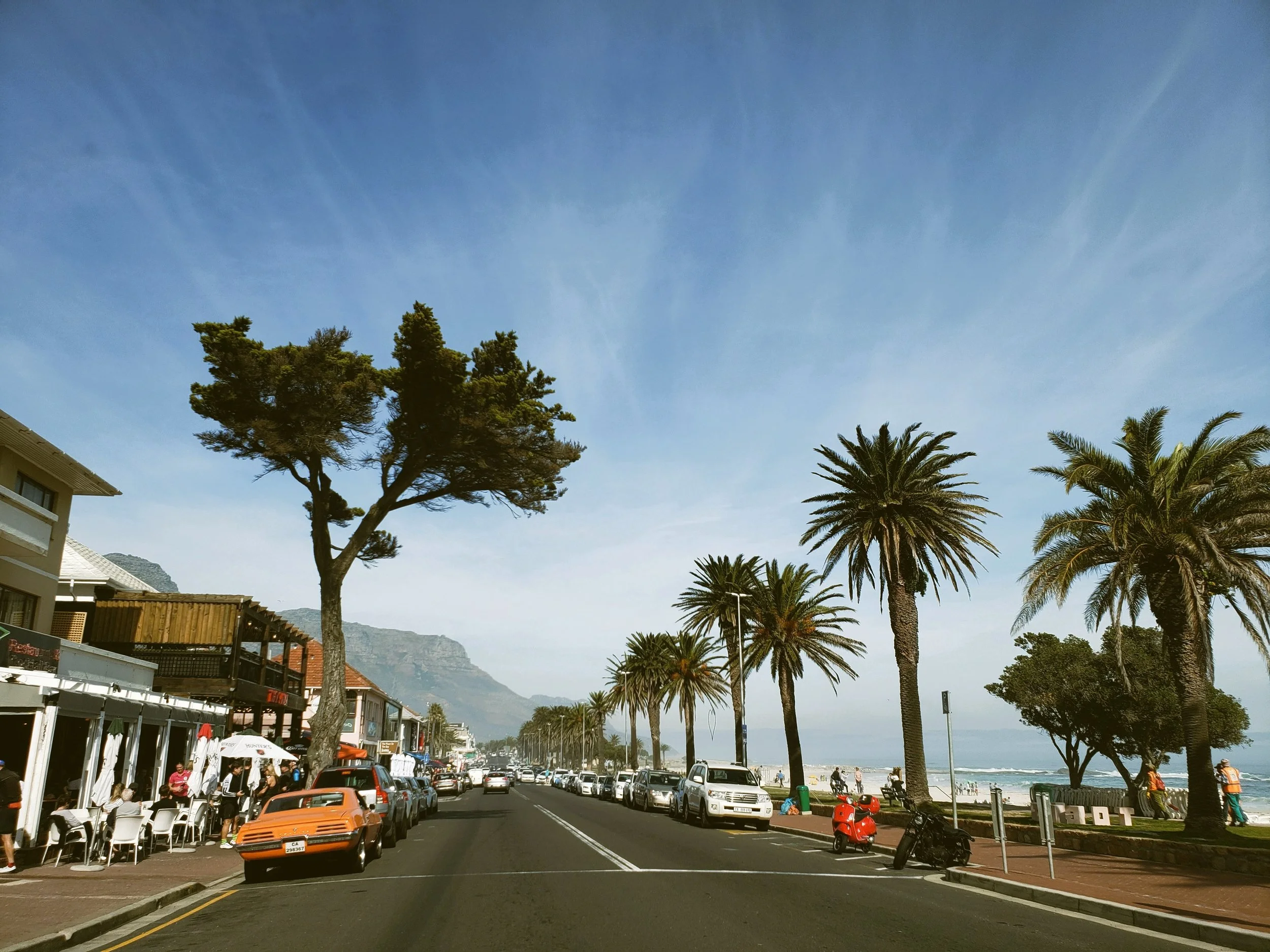
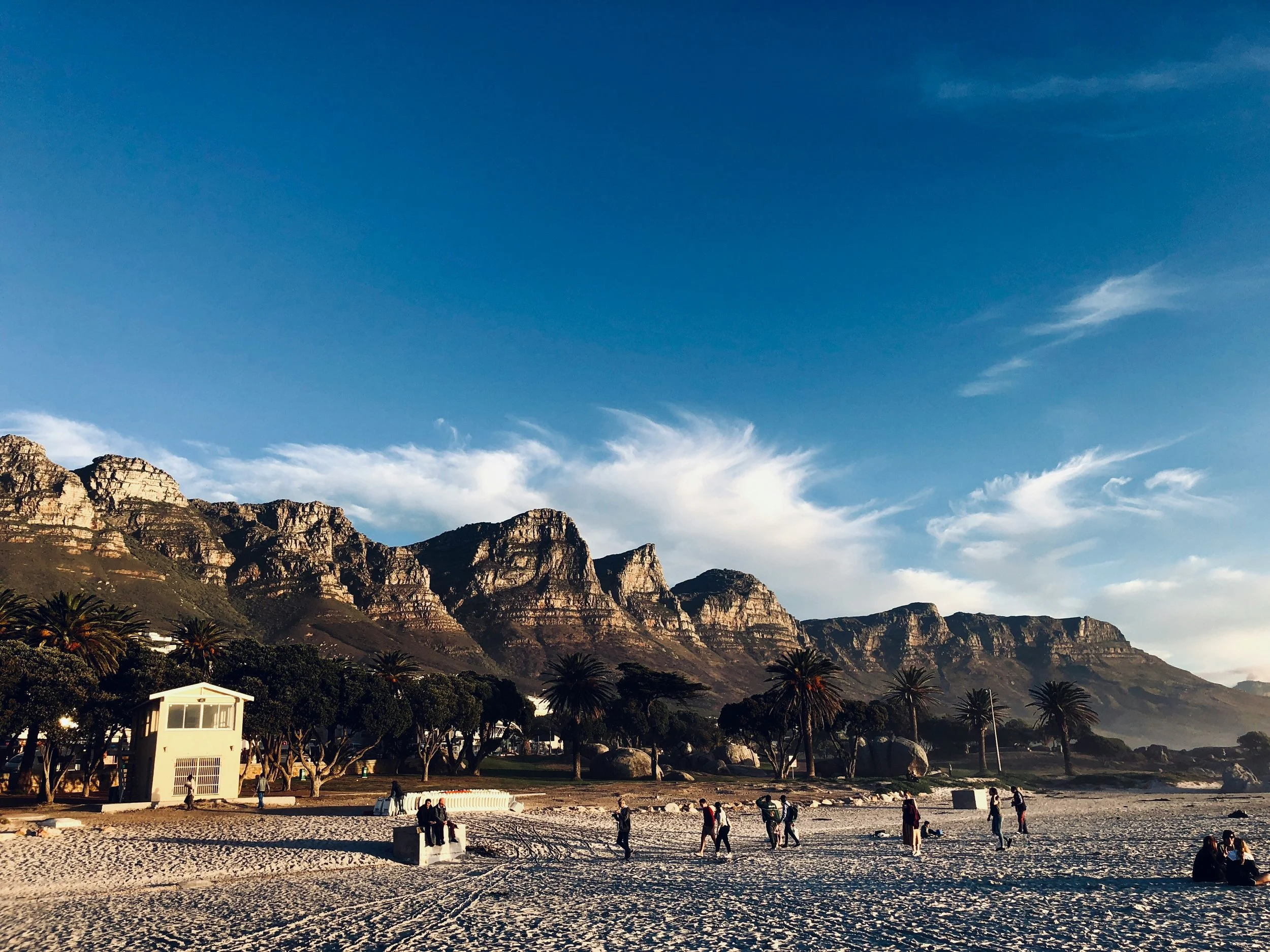
Leave the city past Clifton's four little beaches, tucked between granite boulders and named, with typical Cape Town practicality, First, Second, Third and Fourth. Then comes Camps Bay, with its palm trees, its beach volleyball and the Twelve Apostles lined up behind it like a row of stern uncles. Stop for a coffee on Victoria Road, or come back at sunset for a drink. Everyone else will.
South of Hout Bay the road turns into Chapman's Peak Drive, nine kilometers carved into the side of a cliff, with more curves than seems strictly necessary and the ocean straight below. There's a small toll, and it's worth every rand. Pull over at the lookouts, not on the bends.
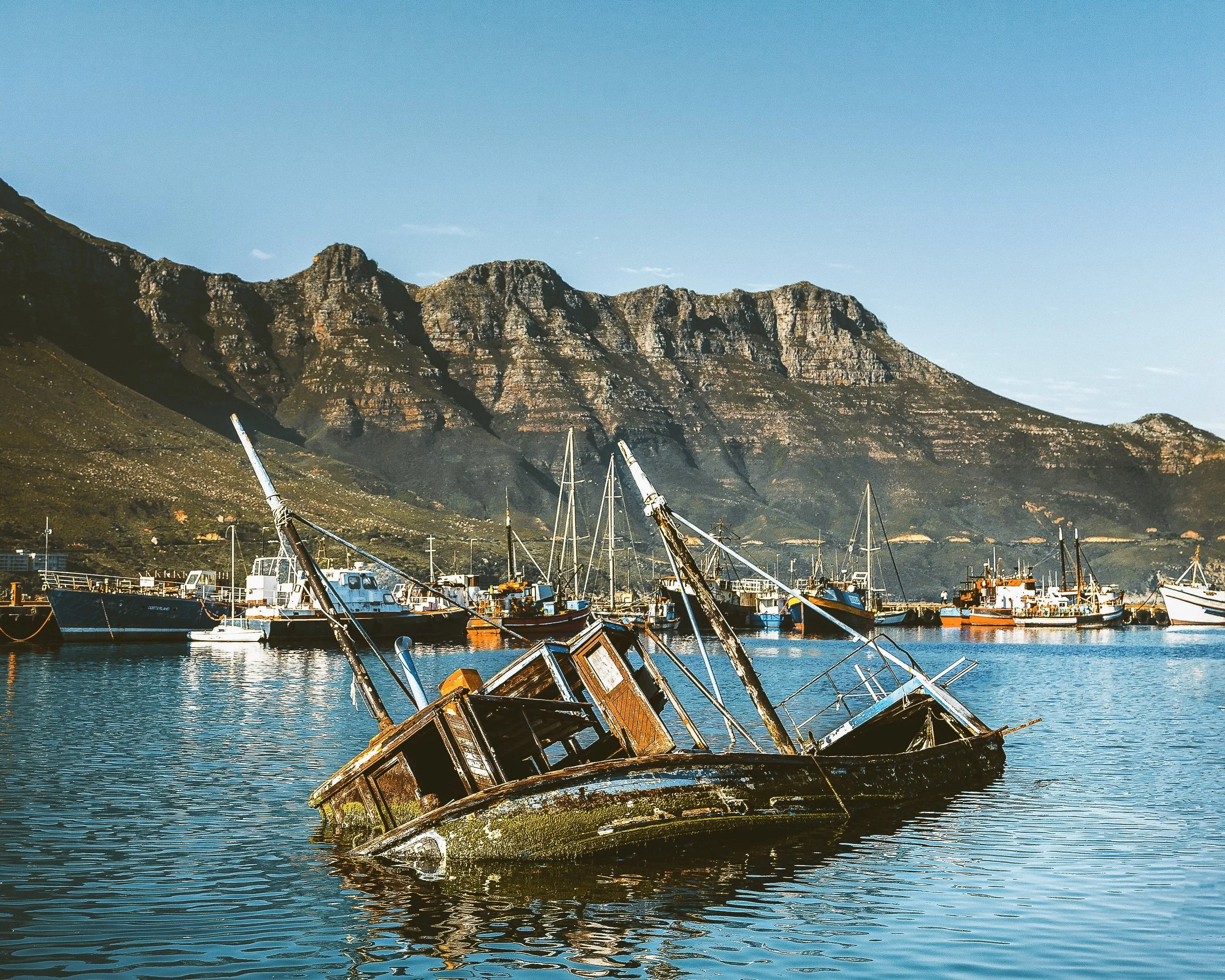
Hout Bay itself is a working harbor with a fish market, gulls with no manners and the best fish and chips on this side of the mountain. From the quay, boats head out to Seal Island, a rock just offshore where a few thousand fur seals lounge about, bark at each other and smell exactly as you'd imagine.
CAPE POINT & CAPE OF GOOD HOPE
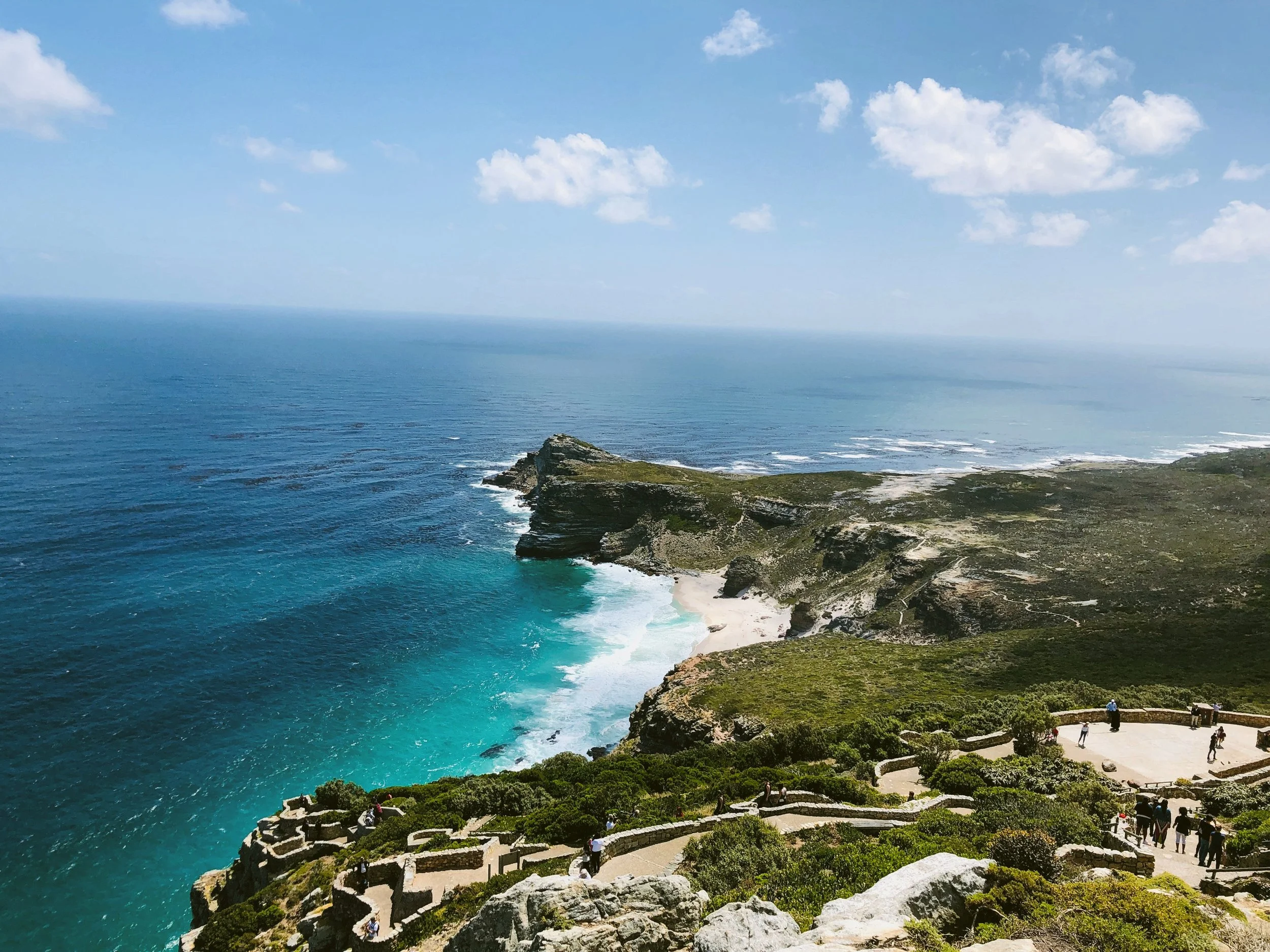
First, a small confession most visitors only make on the way home: Cape Point and the Cape of Good Hope are not the same place. They're two different headlands, a couple of kilometers apart, inside the same national park. You'll want to see both.
Cape Point is the dramatic one. A little funicular, the Flying Dutchman, named after the ghost ship sailors swore they saw in these waters, carries you most of the way up, and a steep path does the rest. At the top stands the old lighthouse, built in 1860 so high on the cliff that it spent half its life lost in the clouds. After a liner hit the rocks in 1911, they built a new one lower down, where ships could actually see it.
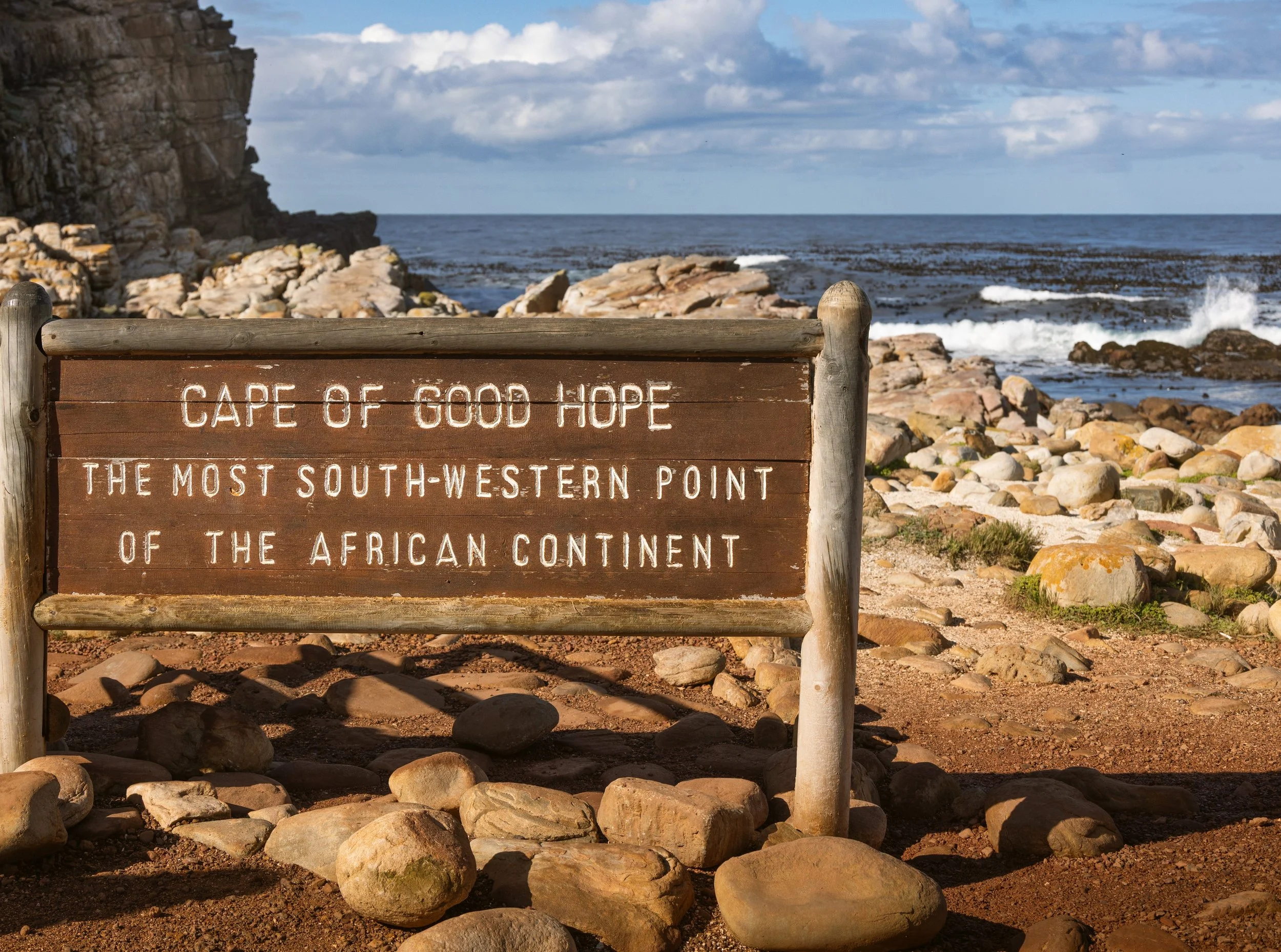
The Cape of Good Hope is wilder and quieter: a rocky beach, crashing waves and a wooden sign with a queue of people waiting to take the same photo. Join it. Everyone does.
On the drive in, look out for ostriches strolling along the road and baboons with excellent timing. Keep the windows up and the snacks out of sight. They've learned how to open car doors.
bOULDERS BEACH
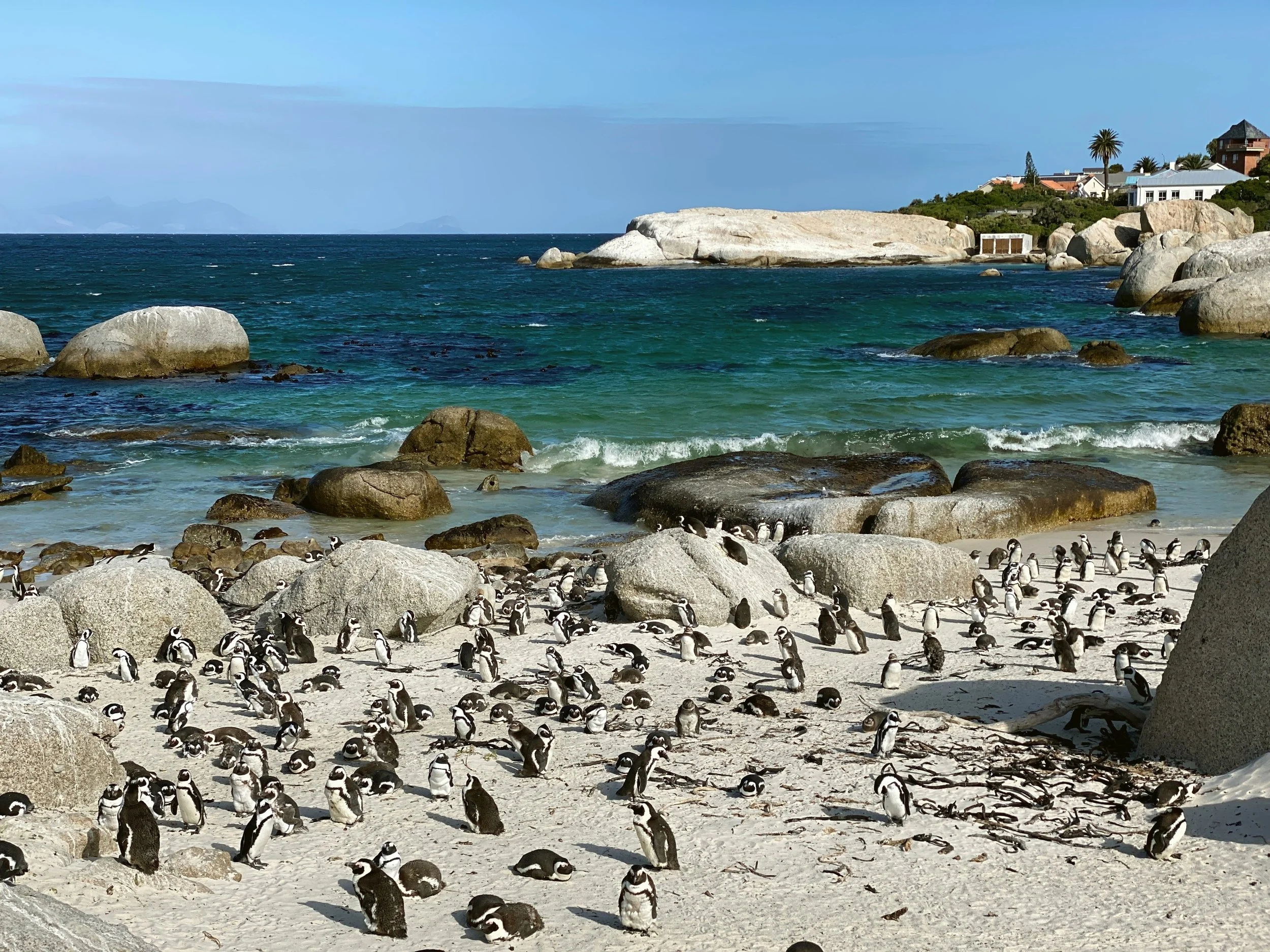
Just past Simon's Town, a small bay full of granite boulders has been taken over by African penguins. It started in the early 1980s with two breeding pairs. Today a couple of thousand live here, waddling between the rocks and occasionally wandering into a neighbor's garden. They used to be called jackass penguins, and you'll soon hear why.
From the boardwalks at Foxy Beach you get the classic view: hundreds of birds lined up on the sand like commuters waiting for a train. A short walk away, at Boulders Beach itself, you can swim in the sheltered coves with penguins paddling past.
Go early, before the tour buses. And don't touch them: they look cuddly, but they bite, and they're critically endangered.
THE FALSE BAY SIDE
Heading back north, stop in Kalk Bay, a fishing village that somehow never got the memo about tourism. In the little harbor, the boats come in around midday and sell their catch straight off the quay, while a few hopeful seals hang around for leftovers. Across the road, Main Road is a happy mess of antique shops, secondhand bookstores and cafés where nobody's in a hurry. Order fish and chips, eat them by the water and guard them from the gulls.
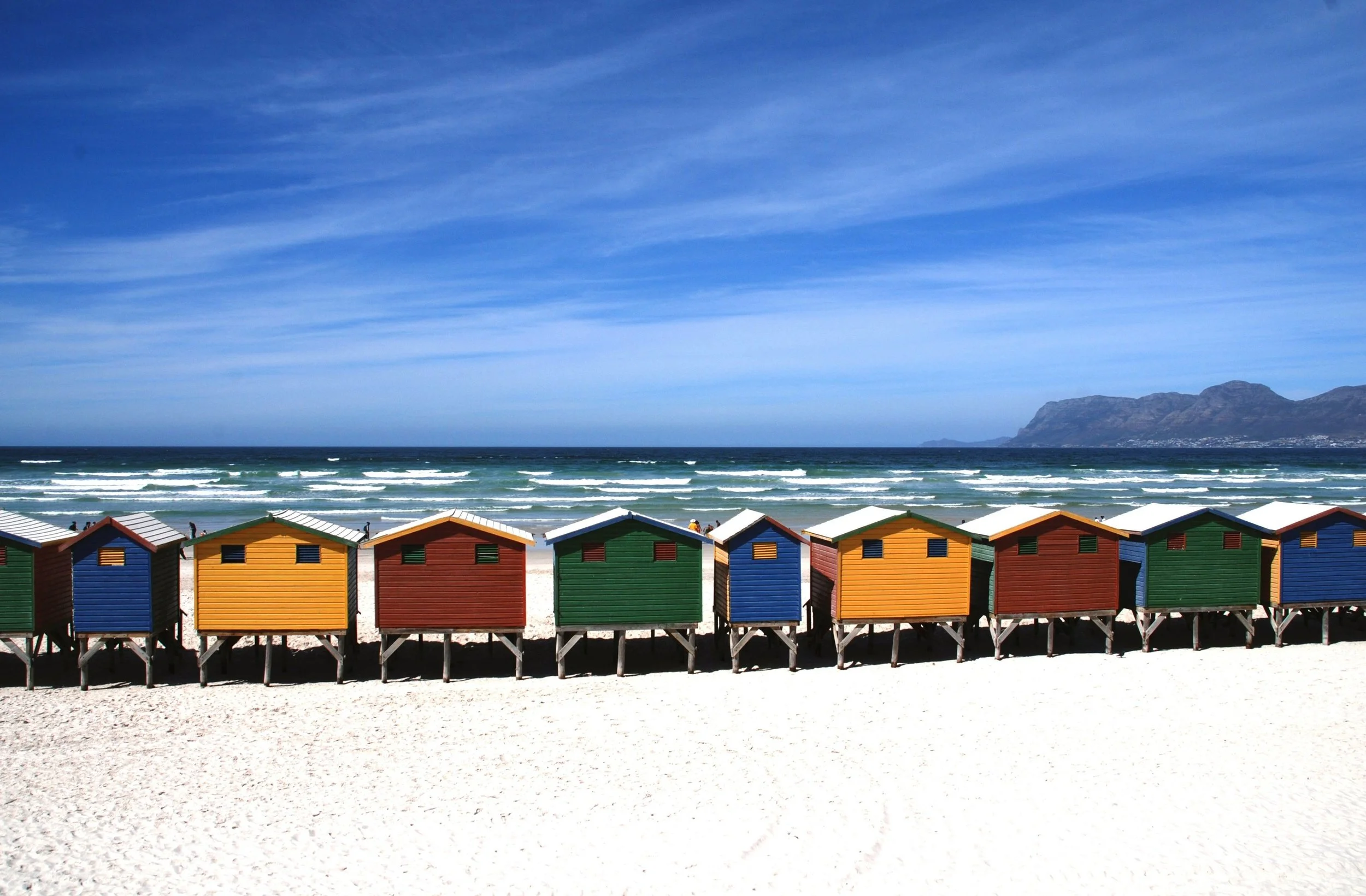
A few minutes further on, Muizenberg is where Cape Town learns to surf. The waves roll in long and gentle, the surf schools rent you a board and a wetsuit, and nobody laughs when you fall off. Agatha Christie tried it here in the 1920s, so you're in good company. Behind the beach, the famous row of beach huts painted in every color of the box makes the perfect last photo of the day.
GO ON YOUR OWN
Rent a car, set your own pace and stop wherever you like. A few things to know first:
How long. Give it a full day. The loop is about 150 km, but with stops it easily takes eight or nine hours.
Which way. Go counterclockwise: down the Atlantic side in the morning, back up along False Bay in the afternoon. You’ll drive Chapman’s Peak while the road is still quiet and finish in the fishing towns, just in time for a late lunch by the water.
Chapman's Peak. It's a toll road, and it closes after heavy rain or when there's a risk of rockfalls. Check its status before you leave. If it's shut, take the inland road via Constantia.
The park. Cape Point and the Cape of Good Hope are inside Table Mountain National Park. There's an entrance fee per person at the gate, higher for international visitors, and Boulders has its own ticket. Cards are accepted.
Baboons. Never feed them, keep the windows up, lock the car and don't walk around with food in your hands.
Start early. The park gates open around 6 or 7 am, depending on the season. Get there before the tour buses and you'll have the lighthouse almost to yourself.
THE PENINSULA IN A DAY
No car, or just don't fancy driving on the left? This full-day tour picks you up at your hotel at 7:30 and spends the whole day on the road: Chapman's Peak Drive, the Cape of Good Hope, Cape Point and its old lighthouse, and the penguins at Boulders Beach. The toll is included. Park entrance fees are paid on the day, so bring a card.