ROBBEN ISLAND
From the Waterfront it looks like nothing much. A low, flat smudge on the horizon, about forty minutes away by ferry, with a lighthouse and not a single hill. For almost four hundred years, that was the point. Robben Island is where the Cape sent the people it wanted out of sight: rebels, lepers, the sick, the inconvenient and, from the 1960s, the men who opposed apartheid.
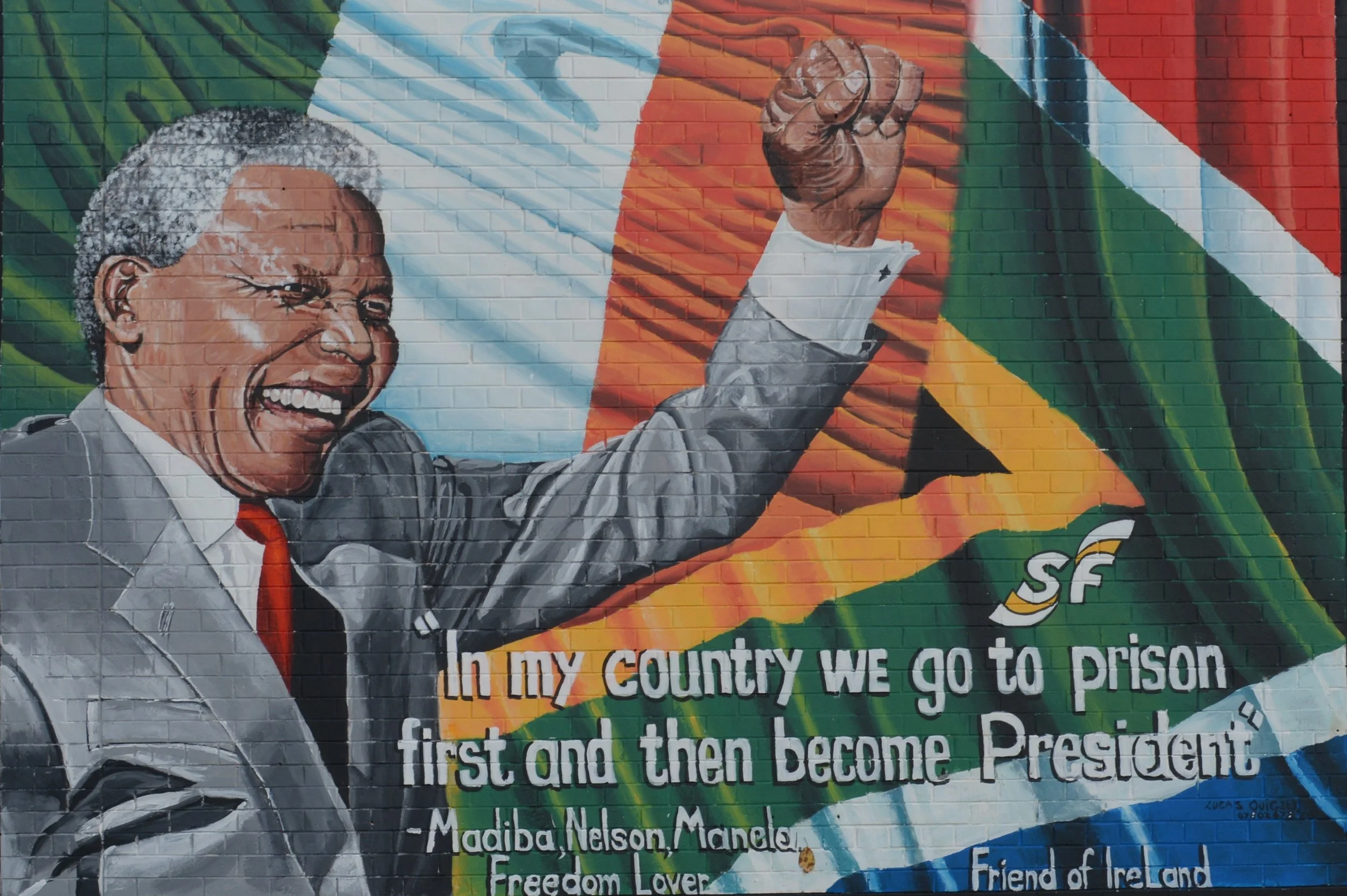
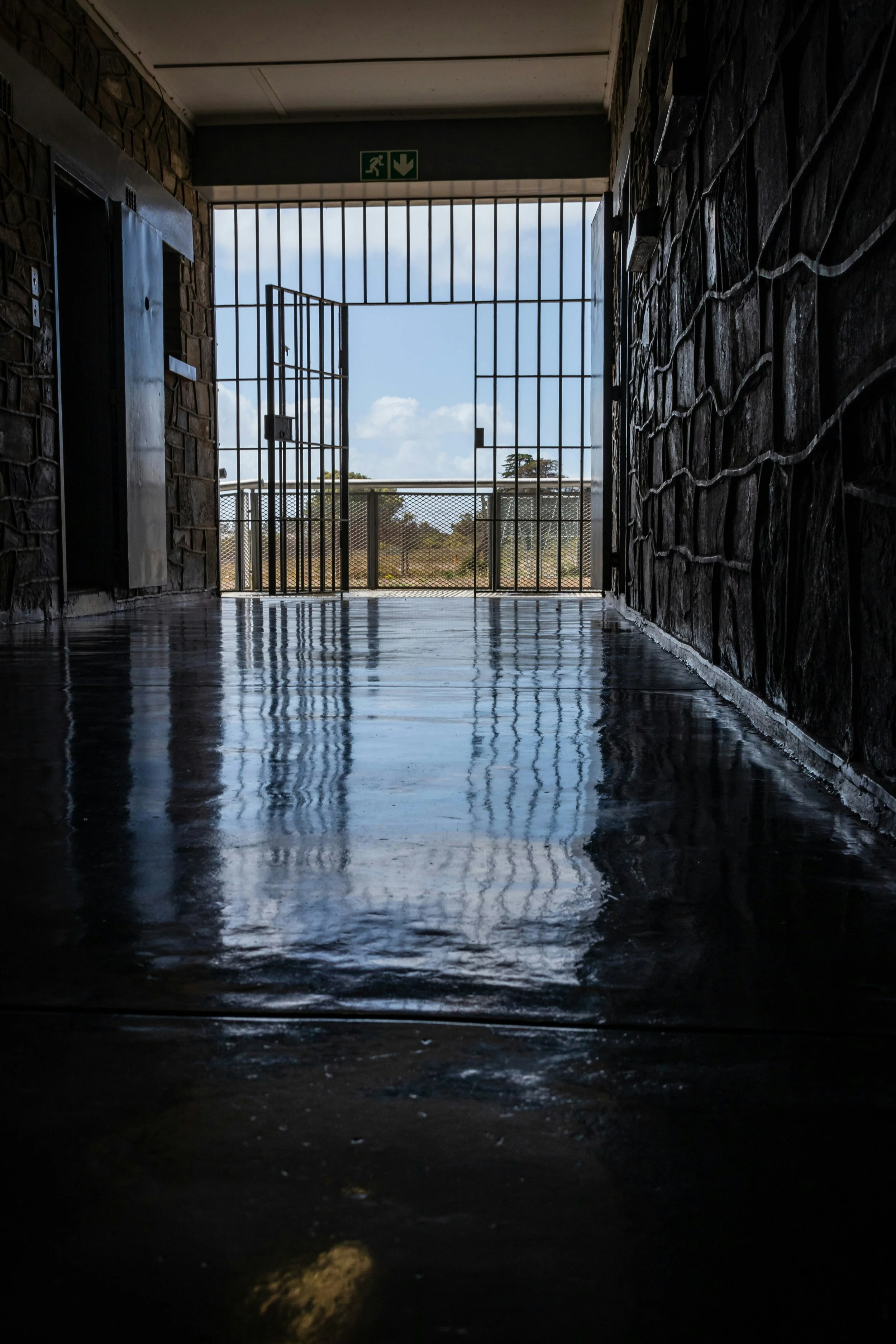
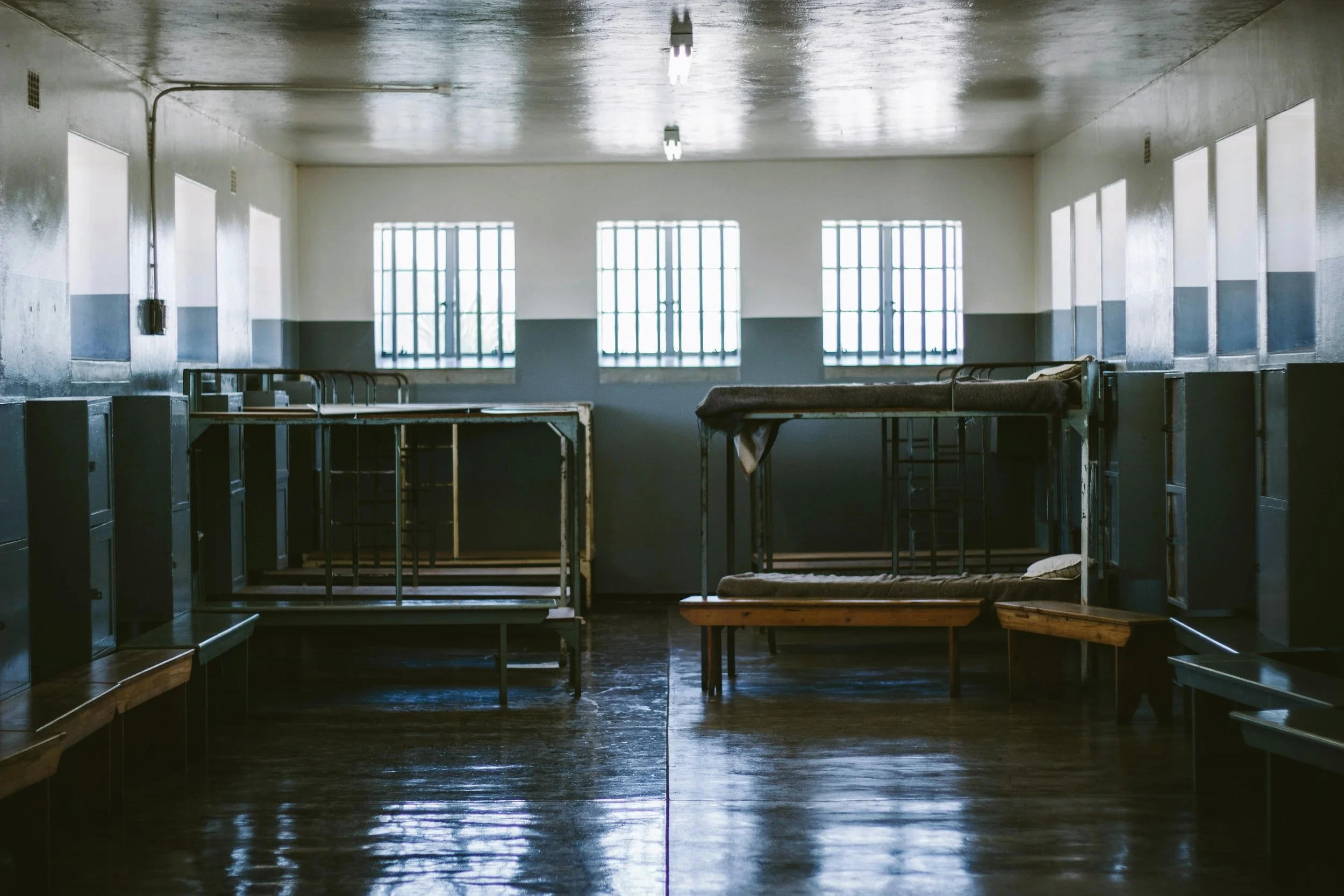
Nelson Mandela spent eighteen of his twenty-seven prison years here. He broke lime in a quarry so bright it damaged his eyes, slept on a mat in a cell you can cross in three steps, and helped turn the island into what prisoners called "the university," where they taught each other history, law and politics in whispers.
The tour is part ferry, part bus, part walk, and the best moment is usually the quietest. For years, the guides inside the prison were former political prisoners themselves. Listening to someone describe a cell he once lived in changes the way you hear everything else.
Book ahead. Tickets sell out, and the sea decides whether the boat goes at all.
THE ISLAND BEFORE MANDELA
The name is Dutch for "seal island," which tells you who lived here first. The Dutch arrived in the 1650s and quickly found a better use for a flat rock surrounded by cold water and strong currents. One of the very first prisoners was a Khoikhoi interpreter who had fallen out with the colonists. He also became one of the very few people ever to escape, in a stolen rowing boat.
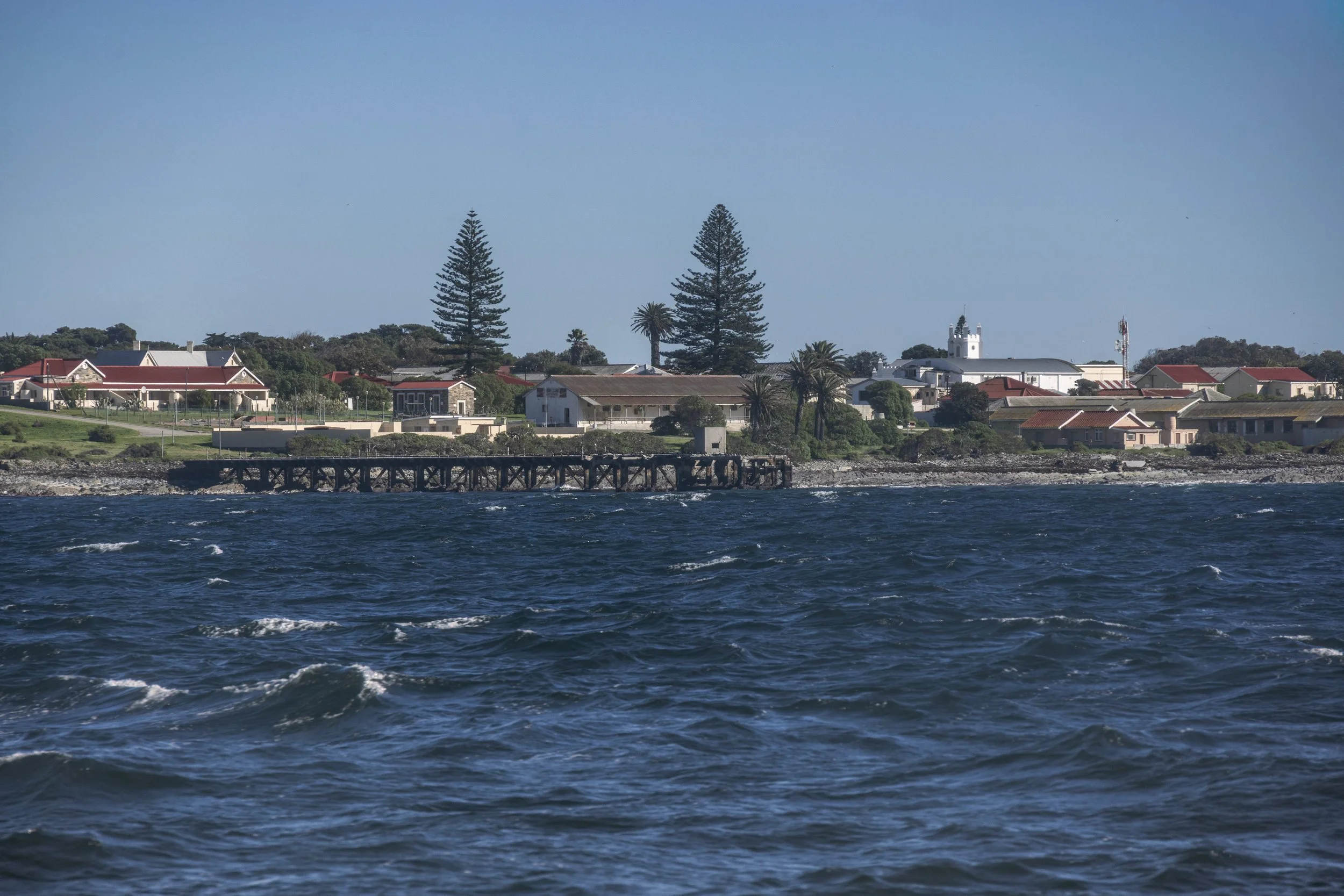
Over the next three centuries the island collected whoever the mainland didn't want: political exiles, convicts, people with leprosy, the mentally ill. In the Second World War it bristled with guns. By the time the apartheid government turned it into a maximum-security prison in the 1960s, Robben Island had been a place of banishment for three hundred years.
WHAT WAS APARTHEID?
A word that means "apartness." In Afrikaans, that is. It was the system of racial segregation the National Party made law after winning the 1948 election, and it lasted until 1994.
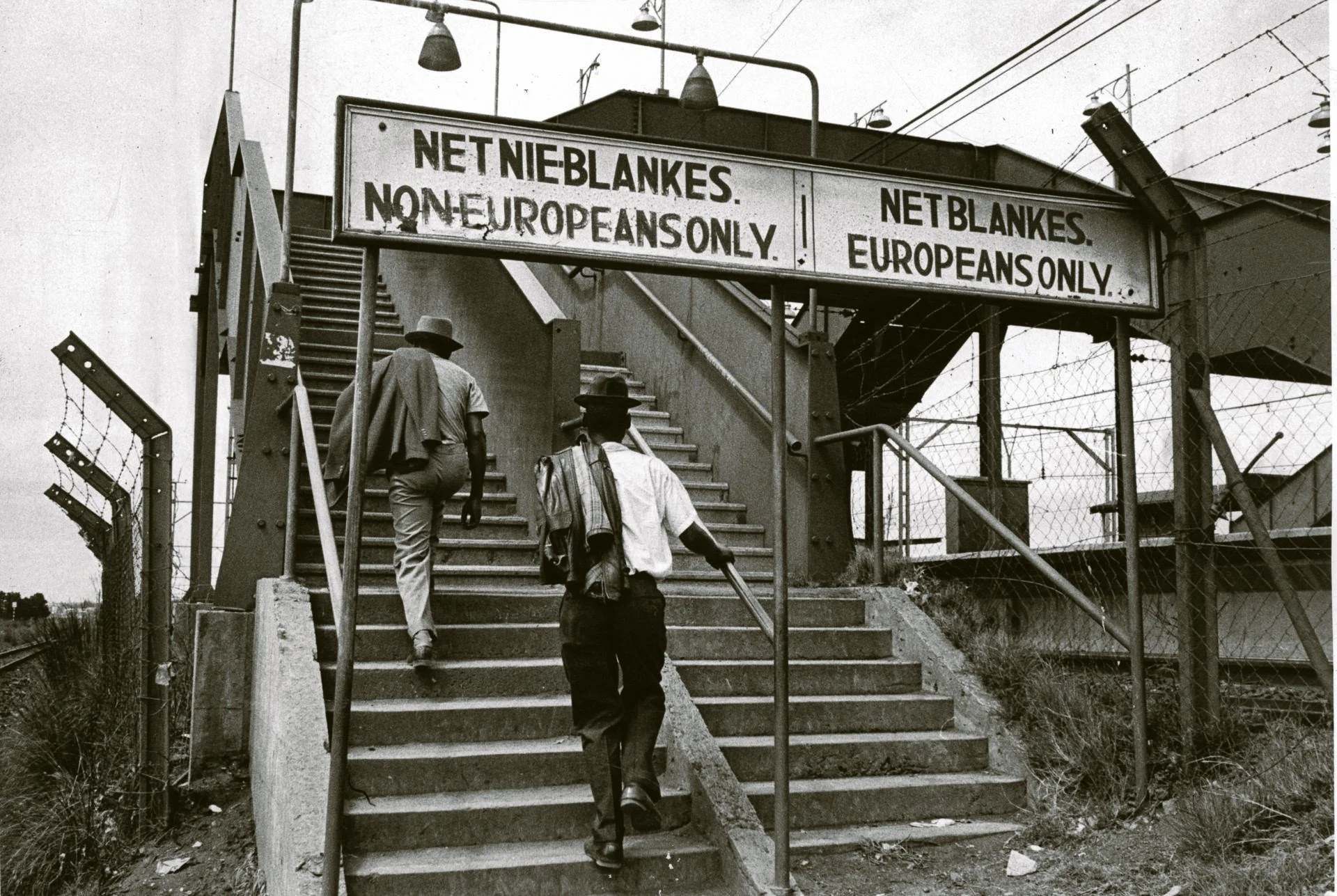
Everyone was classified by race. From 1950, every South African was officially registered as White, Black, Coloured or Indian. That label decided where you could live, study, work, marry and even be buried.
Cities were divided by law. Neighborhoods were declared "white" and their residents forced out. In Cape Town alone, tens of thousands were moved from District Six to the windswept Cape Flats.
Daily life came with signs. Separate beaches, buses, benches and entrances. Black South Africans had to carry a pass to be in "white" areas, and in 1960 police killed 69 people protesting against it in Sharpeville.
It ended at the ballot box. After decades of resistance, sanctions and negotiations, Mandela was released in 1990. Four years later, South Africans of every race voted together for the first time, and he became president.
If your trip takes you to Johannesburg, the Apartheid Museum tells the whole story better than anywhere else. Your ticket randomly labels you "white" or "non-white," and that decides which door you walk through.
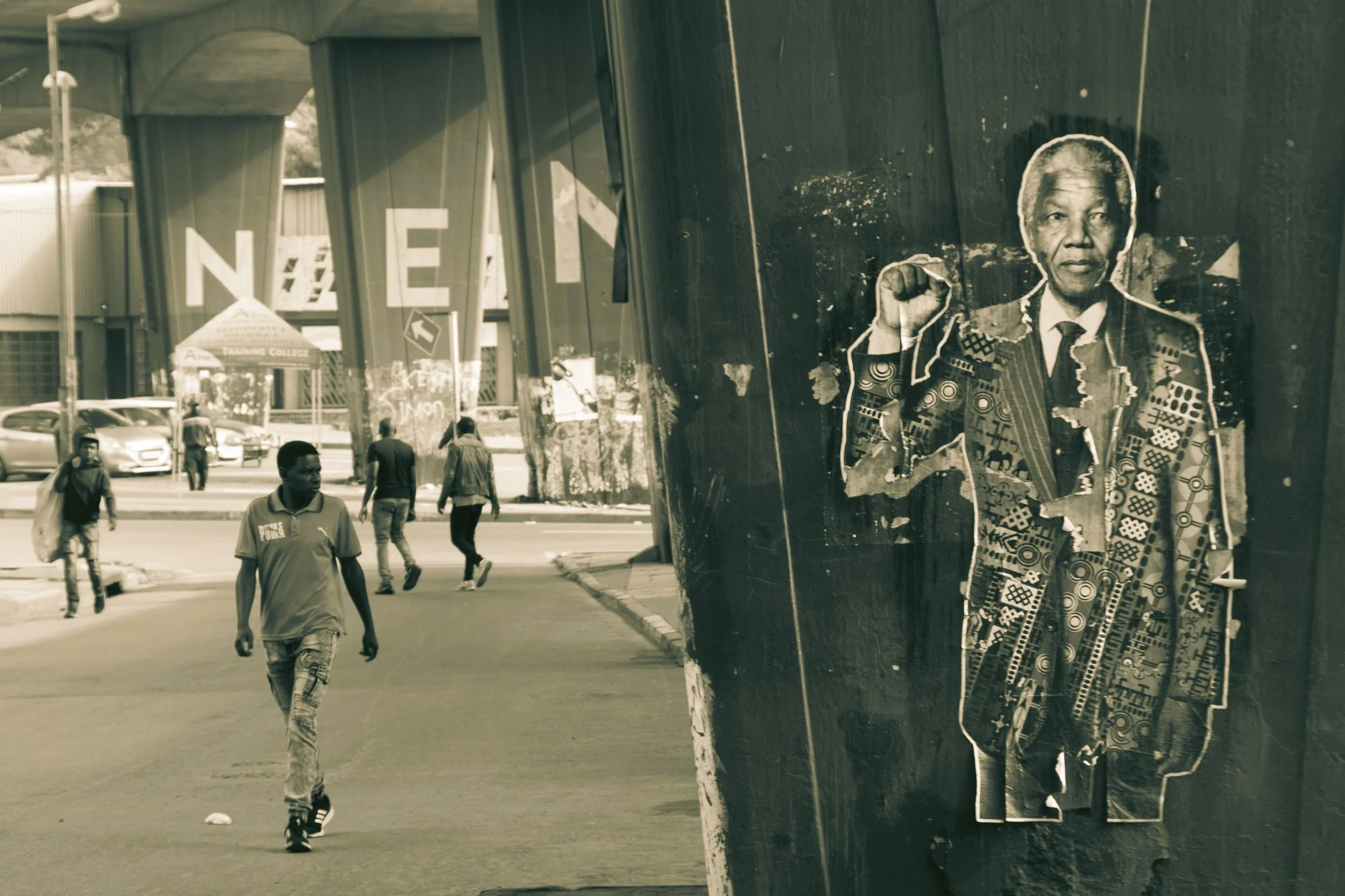
NELSON MANDELA: THE MAN
His father named him Rolihlahla, which in Xhosa roughly means "troublemaker." A teacher gave him "Nelson" on his first day of school, because that's how things worked back then. Most South Africans still call him Madiba, his clan name, and say it the way you'd talk about a grandfather.
He was born in 1918 in a village in the Eastern Cape, into a minor branch of Thembu royalty, and could easily have had a quiet life as an advisor to the chief. Instead he ran away to Johannesburg to avoid an arranged marriage, studied law, boxed in his spare time and opened the country's first Black law firm. Clients queued down the stairs.
Then came apartheid, and the young lawyer became an activist. He joined the ANC, organized strikes and campaigns of defiance, and when peaceful protest was met with bullets, he helped start an armed wing. In 1964, facing a possible death sentence, he told the court that freedom was "an ideal for which I am prepared to die." He got life instead.
He came out twenty-seven years later, at seventy-one, without bitterness, or at least without showing it. He negotiated with the men who had jailed him, shared a Nobel Peace Prize with one of them, became the country's first Black president in 1994 and stepped down after a single term. Hardly anyone in power does that. He did.
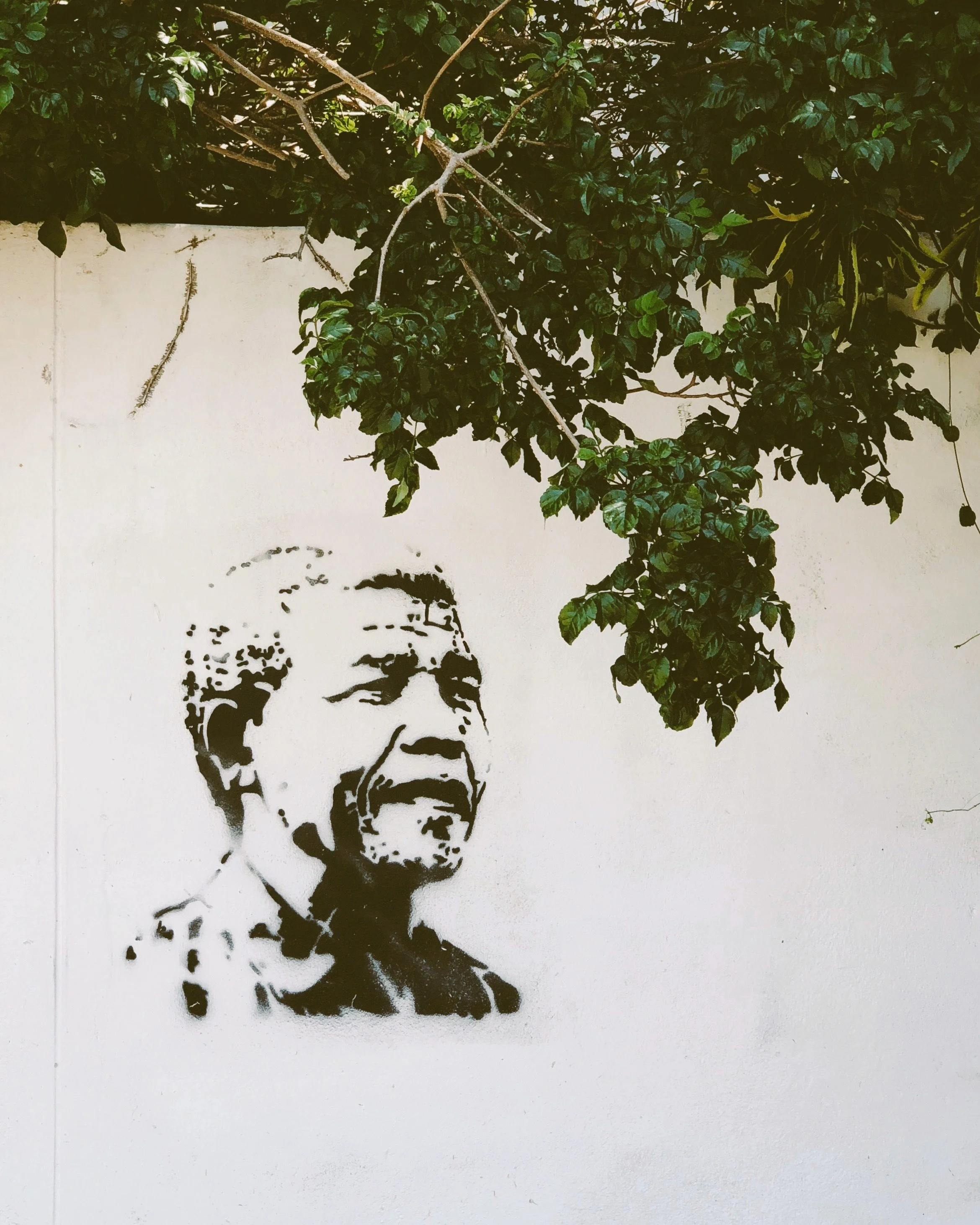
EIGHTEEN YEARS ON THE ISLAND
He arrived in 1964 and became prisoner 466/64. As a Black prisoner he was issued short trousers, like a schoolboy, while Indian and Coloured inmates got long ones. Apartheid had rules even for that.
At first he was allowed one visitor and one letter every six months, and the letters arrived with whole paragraphs cut out by the censors. When his mother died, and a year later his eldest son, he wasn't allowed to go to either funeral.
He didn't break. He argued with the guards about rights, politely and endlessly, and slowly won small things: long trousers, better food, the right to study. He even talked his way into a little garden in the courtyard, and in a corner of it buried the first secret draft of his autobiography, written at night. A copy left the island hidden among the belongings of a released prisoner.
Years later, that book had a title: Long Walk to Freedom.
ROBBEN ISLAND by FERRY
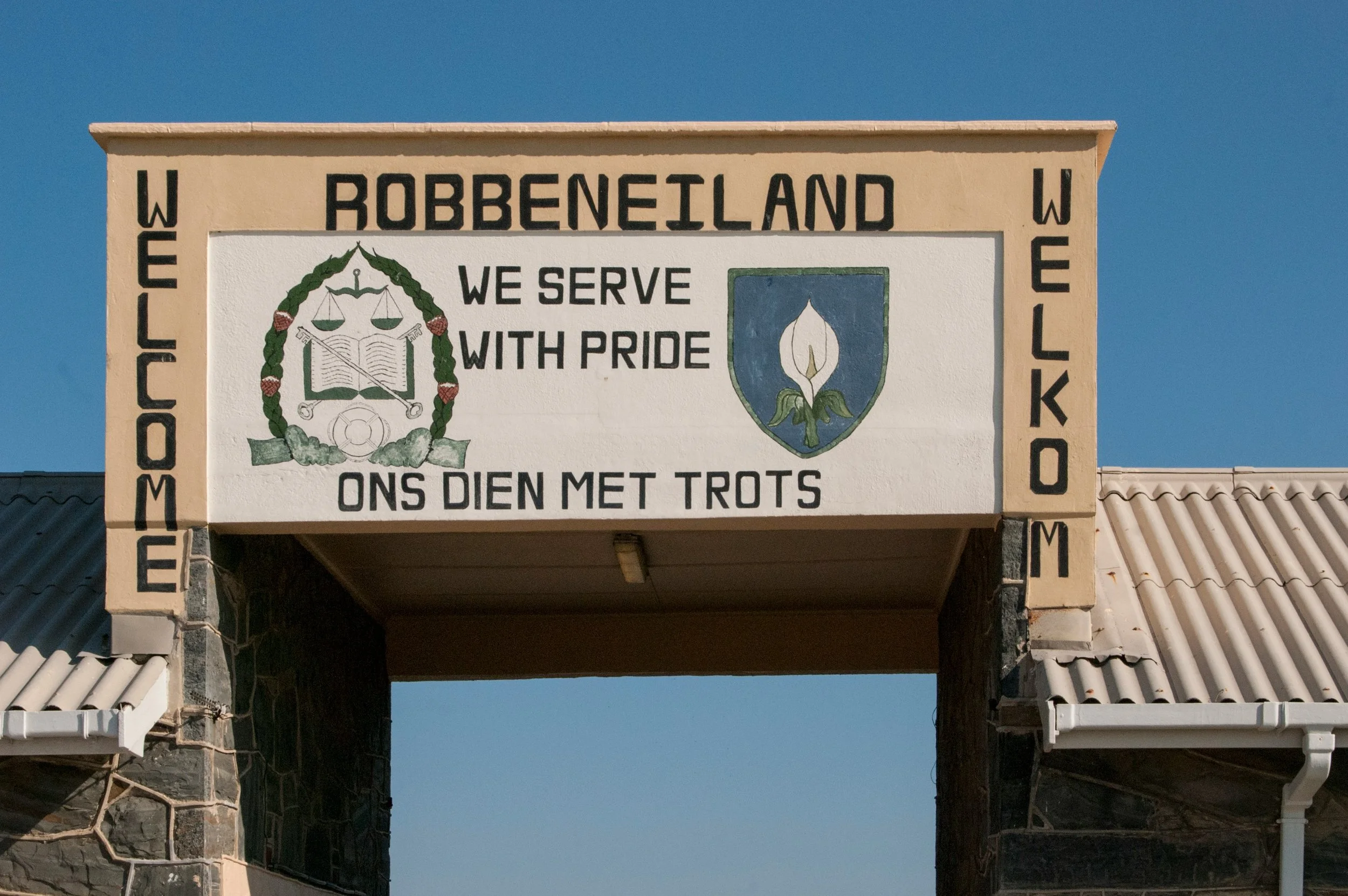
Half a day, a short crossing and one of the most moving visits in South Africa. The ferry leaves from the V&A Waterfront, a bus takes you around the island, and then comes the prison and Mandela's cell. Tickets go fast, especially in summer, so book as soon as your dates are set.