BO-KAAP
Walk up Wale Street from the city center and the road starts to climb, the tarmac turns to cobbles and, about five minutes later, the call to prayer drifts over the rooftops. You're in Bo-Kaap, the old quarter on the slopes of Signal Hill, and it feels like a different town.
The people who built it didn't choose to come. From the 1600s, the Dutch brought enslaved men and women and political exiles from Indonesia, India, Madagascar and beyond, and many of their descendants settled here after emancipation. They became known as the Cape Malays, even though few of them came from Malaysia, and they shaped Cape Town more than most visitors realize. Some of the very first texts in Afrikaans were written here, in Arabic script, in the neighborhood's religious schools.
Under apartheid, Bo-Kaap was one of the few places that wasn't bulldozed. Families stayed, mosques stayed, and so did the sense of a real community, which is exactly what makes it special today. People still live behind those bright front doors. Remember that, and the neighborhood will treat you well.
THE COLORS & THE STORY
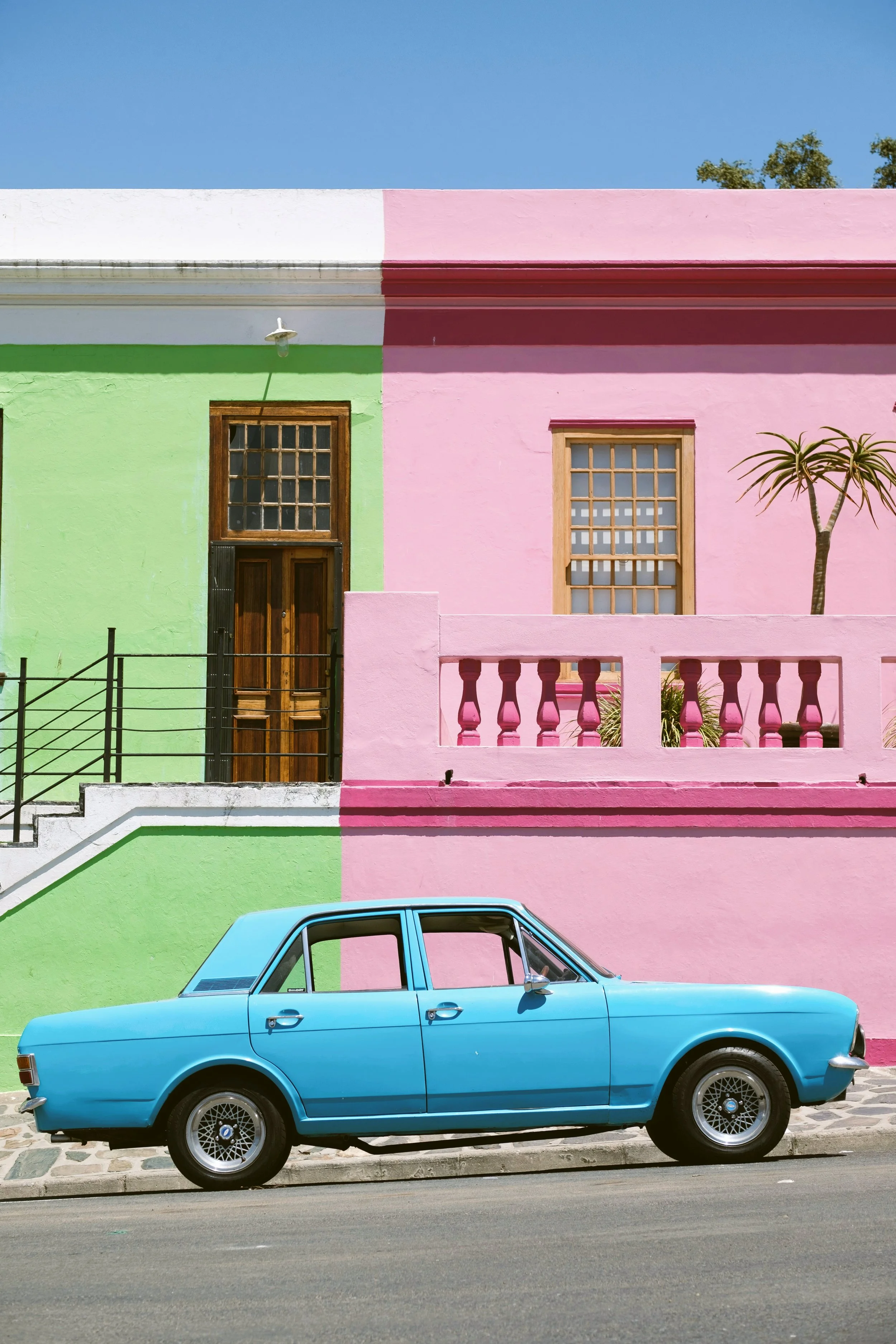
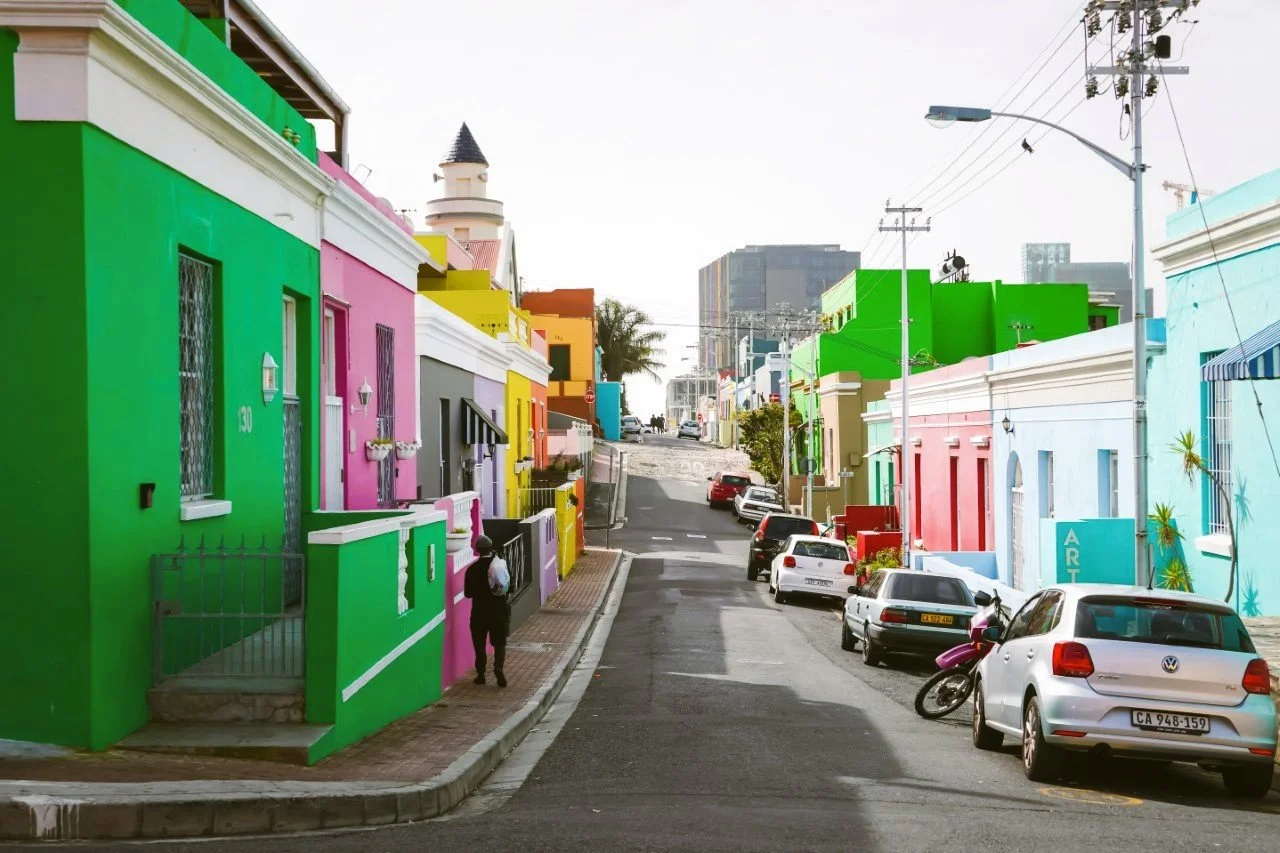
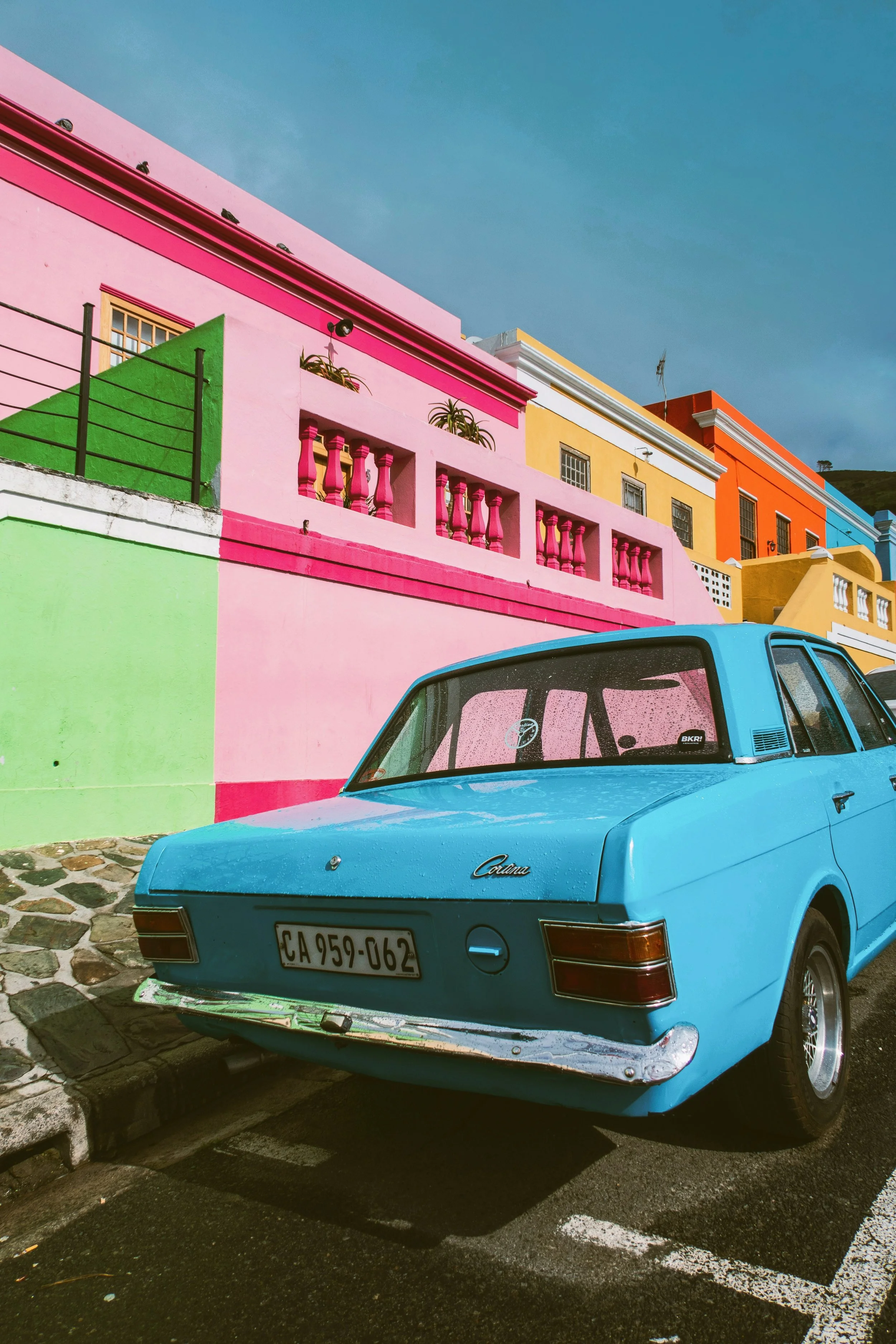
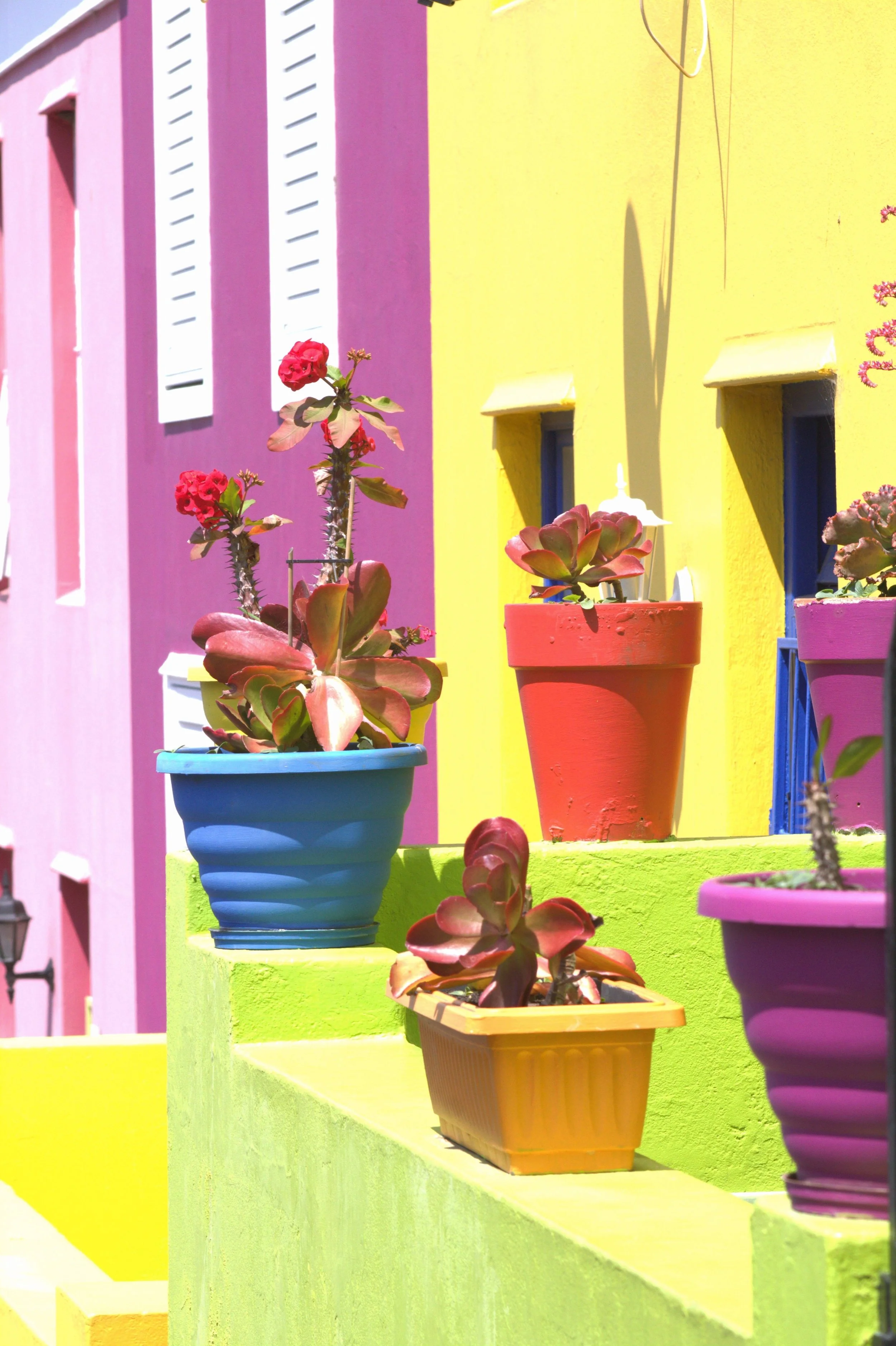
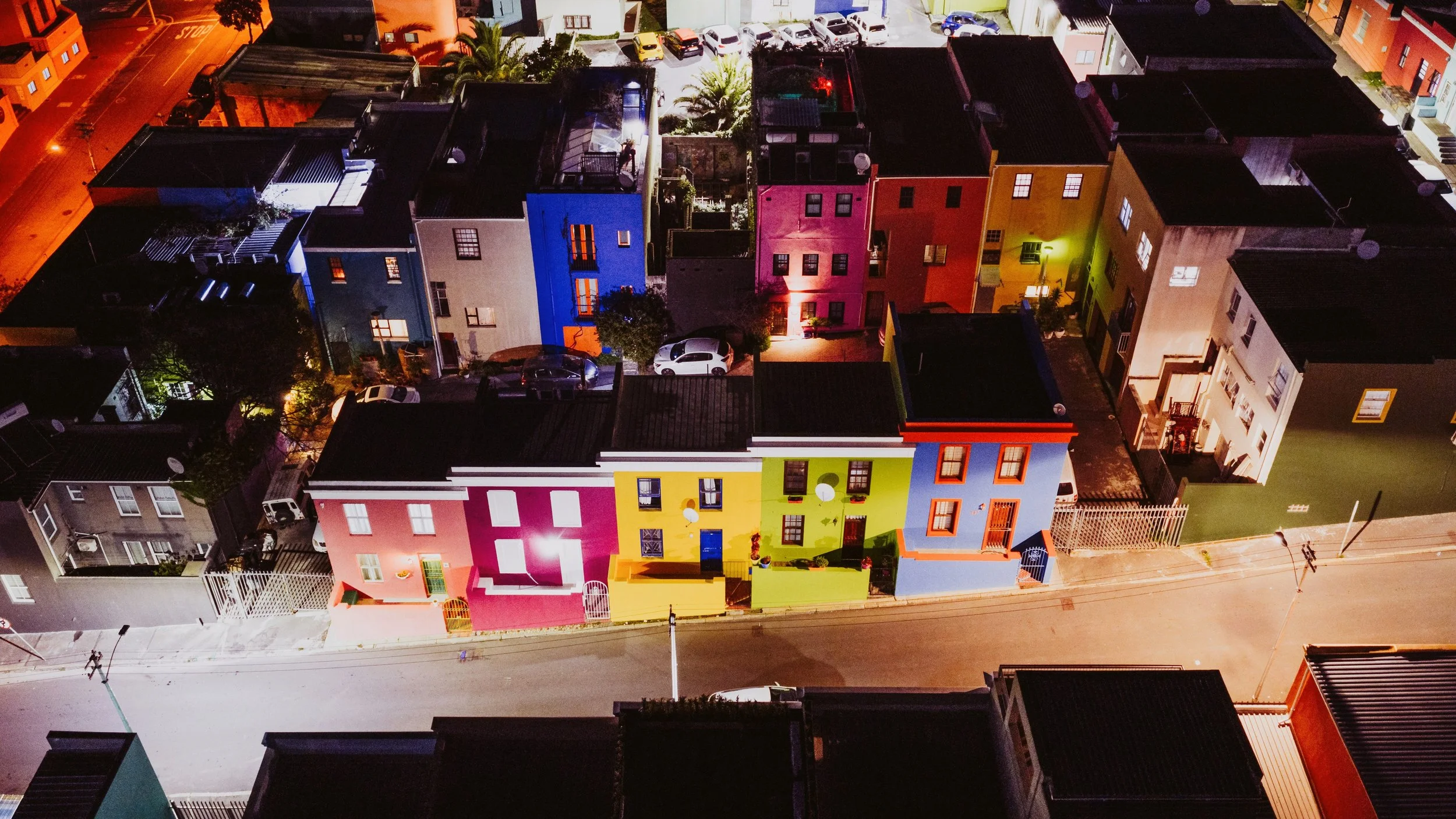
Ask three people why the houses look like a box of crayons and you'll get three answers. Freed slaves celebrating their freedom. Families repainting before Eid, each trying to outdo the neighbors. Or, as historians quietly point out, most of them were white until fairly recently. Pick your favorite.
A few streets down, the Auwal Mosque has been standing since 1794, the oldest in South Africa. Its first imam was an Indonesian prince who had spent years on Robben Island, writing out the Quran from memory.
For the best walk, go up Wale Street and turn into Chiappini and Rose. Just remember people live here: skip the photo shoot on someone's front step.
CAPE MALAY FLAVORS
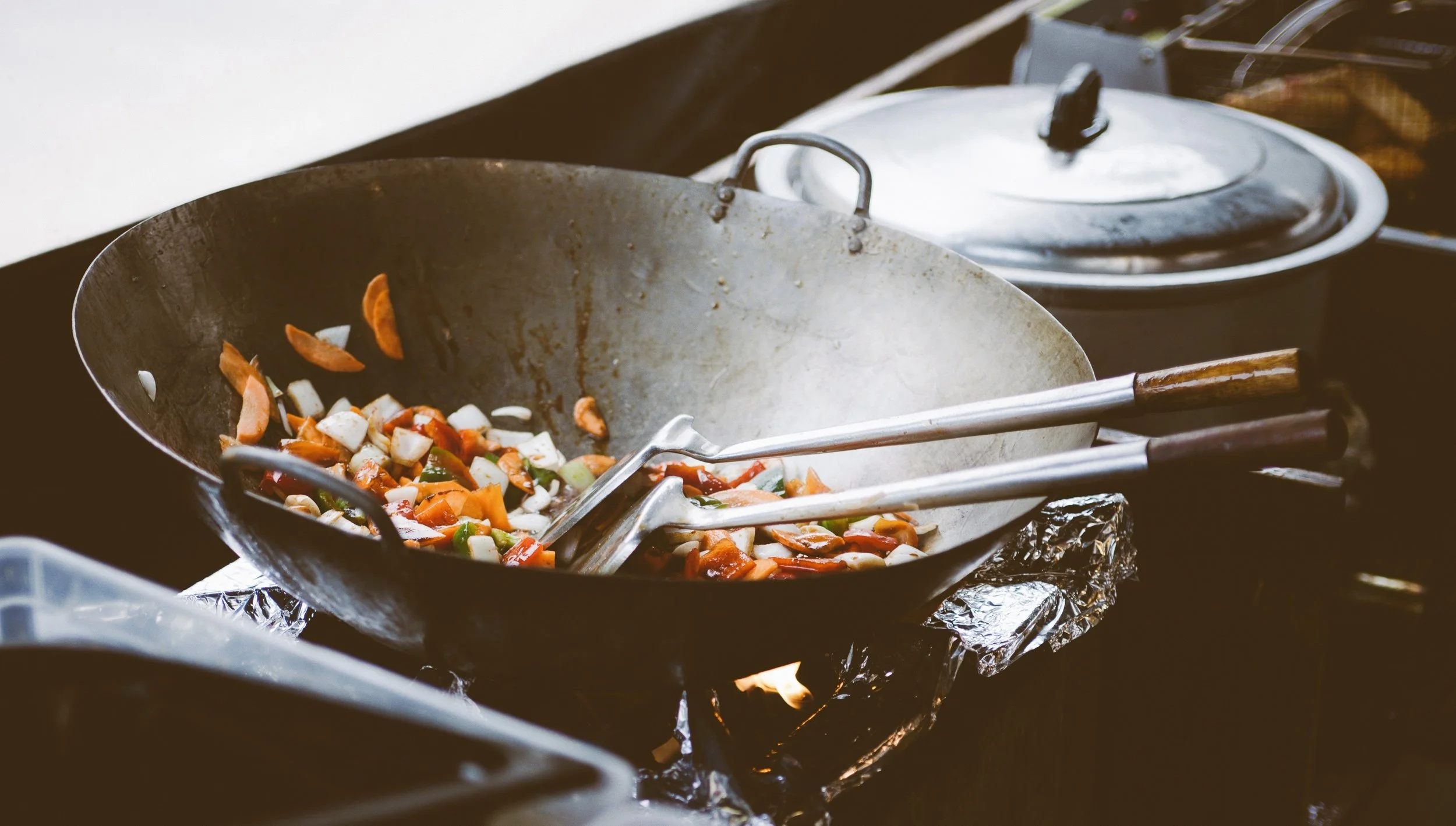
For two centuries, the cooks in Cape Town's kitchens were mostly enslaved people from Asia, and they cooked the way they knew how. Their spices ended up on the colonists' tables, then in farmhouses across the country, and today many dishes South Africans think of as simply "home cooking" started here. It's sweet and spicy at the same time, and it doesn't apologize for either: cinnamon, cardamom, turmeric and chili, often with a spoonful of apricot jam for good measure.
Start with bobotie, spiced minced meat baked under a golden egg custard, the closest thing the country has to a national dish. Then a slow tomato bredie, a plate of samoosas and, if it's a Sunday morning, a koesister: a warm, spiced doughnut rolled in coconut, sold from front doors all over the neighborhood.
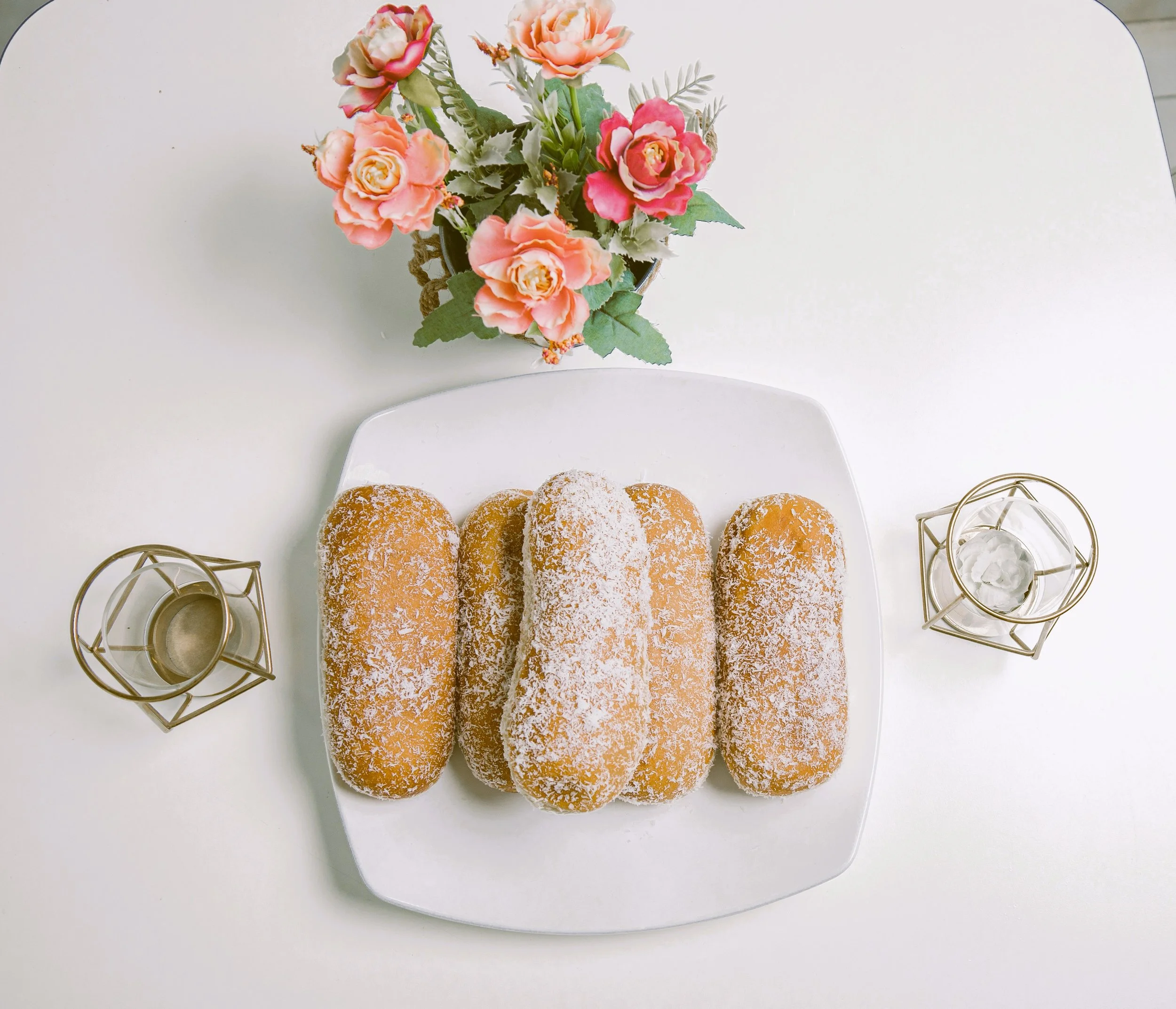
Koesister
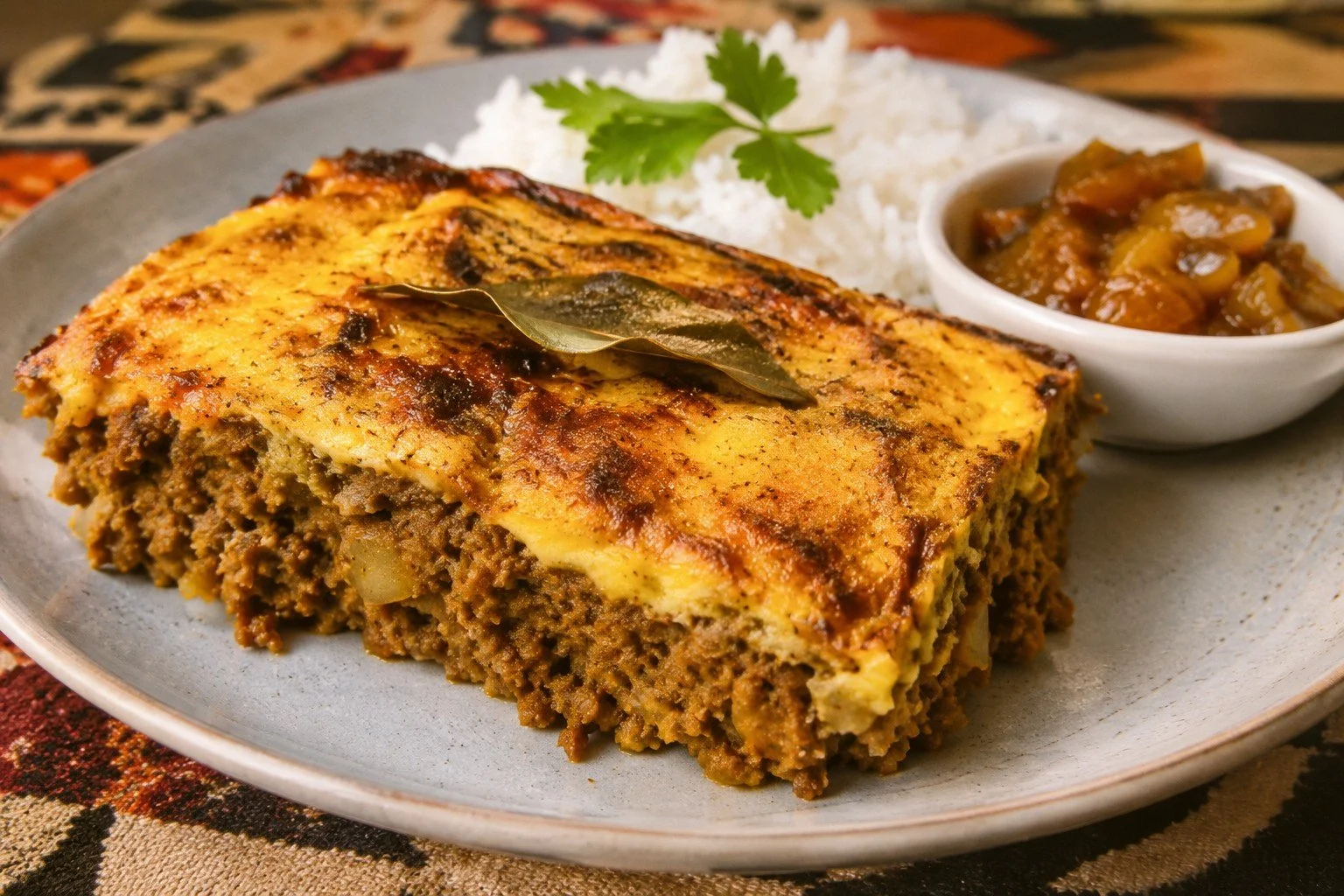
Bobotie
Four hours on foot, starting on Wale Street in the heart of Bo-Kaap. First Cape Malay cooking and the stories behind it, then African dishes and the old Afrikaans classics around Heritage Square, with a few hidden spots in between. It ends with fynbos tea and a rusk for dunking. Lunch is included, so come hungry.