THE WALTZ & CLASSICAL MUSIC
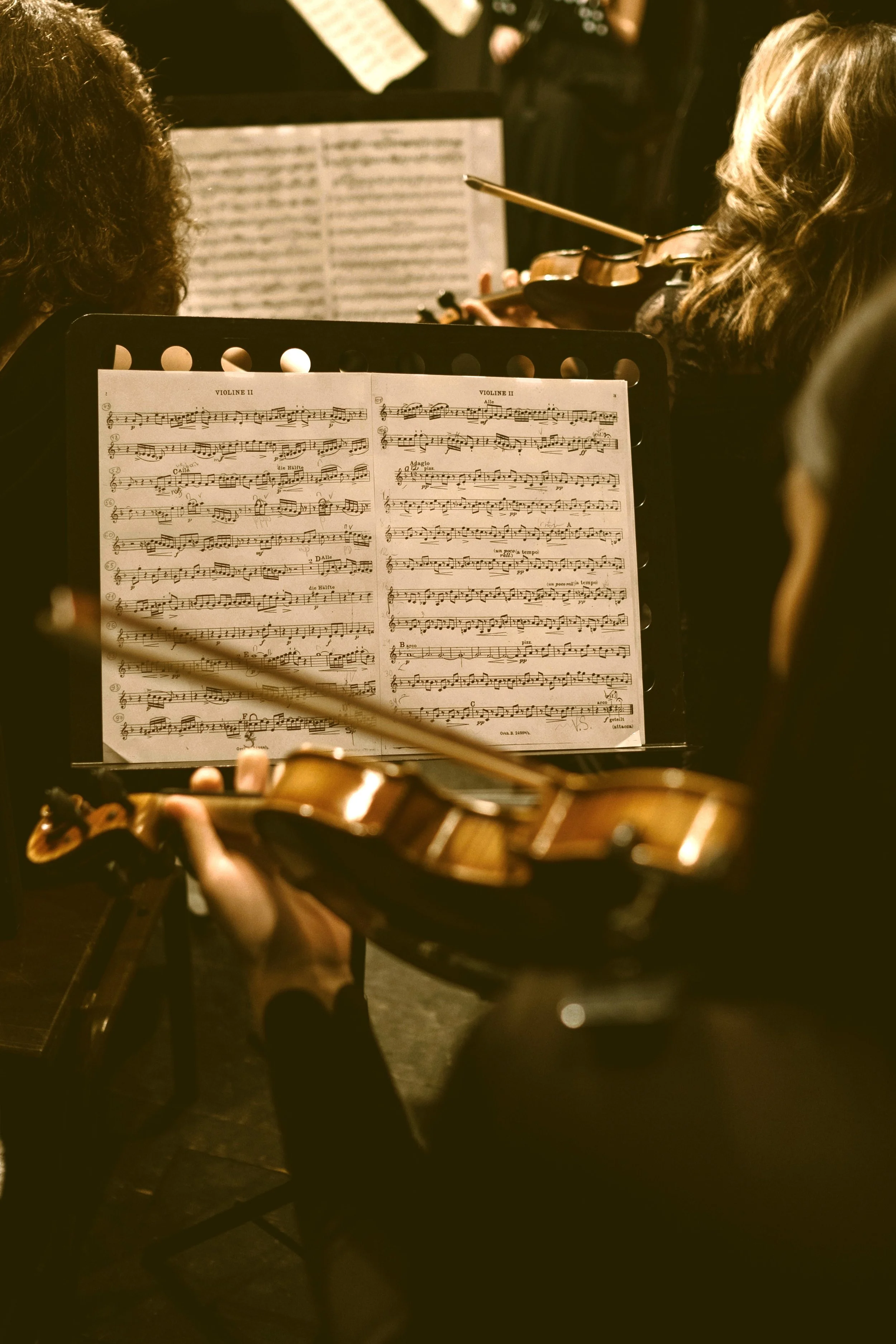
No other city has quite so thoroughly built its identity around a form of entertainment. Haydn worked here. Mozart moved here to make his name. Beethoven, Schubert, Brahms and Mahler all composed within a few square kilometers of each other, decades apart, as though the city itself kept issuing the same invitation. By the time the Strauss family turned a folk dance from the outskirts into the waltz — three-quarter time, a couple turning in each other's arms — Vienna had already decided that music wasn't culture on the side. It was the main event.
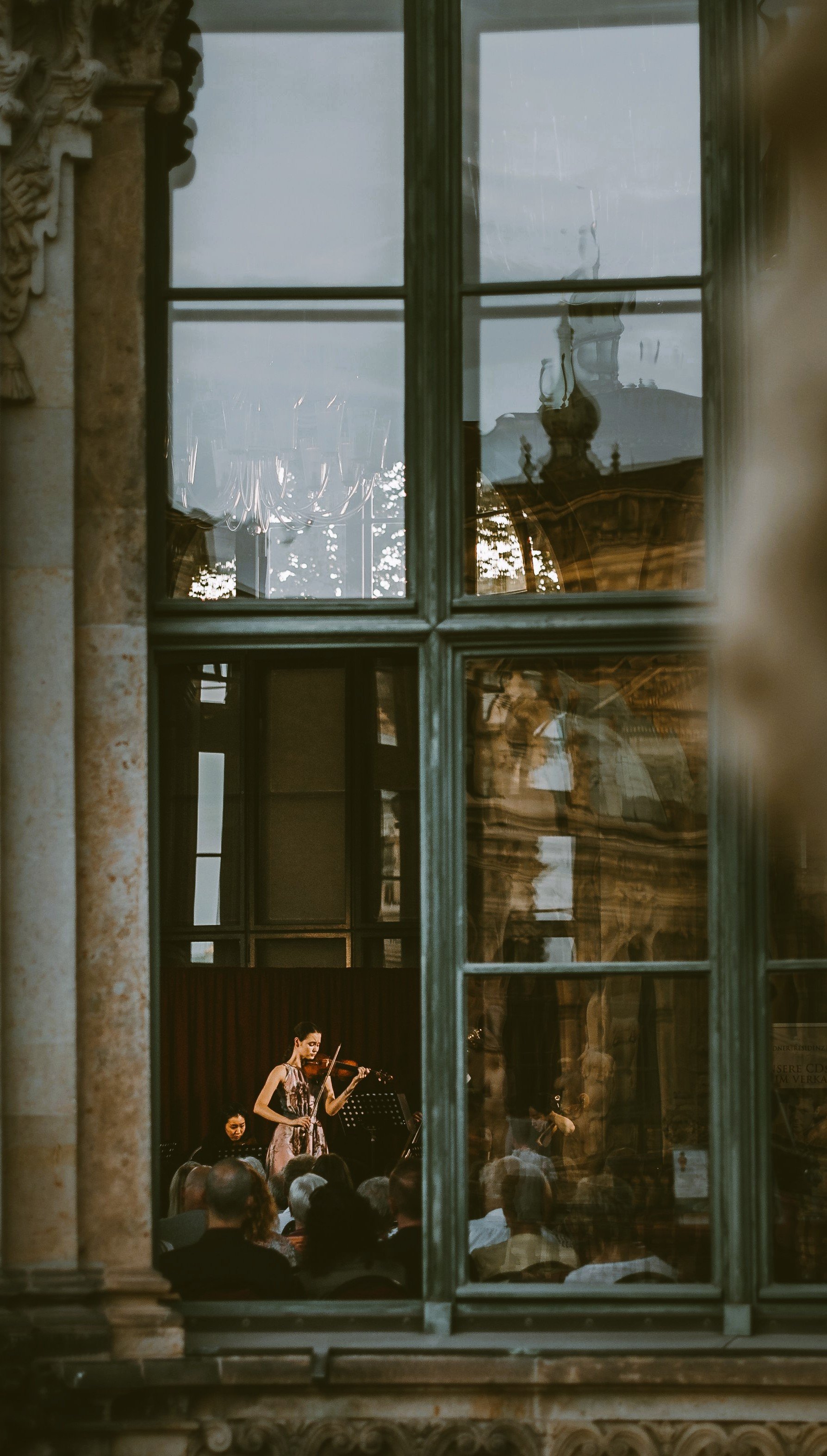
What makes this more than a museum piece is that none of it stopped. The State Opera stages a different production almost every night of the season, not a rotating handful in permanent revival. The Philharmonic's home in the Musikverein sells standing tickets for less than a round of drinks. And every January 1st, the whole city pauses — quite literally, on television, in every household — for an orchestra playing waltzes it could probably perform blindfolded.
This isn't nostalgia for a golden age. Vienna's relationship with classical music never actually ended.
the VIENNA STATE OPERA
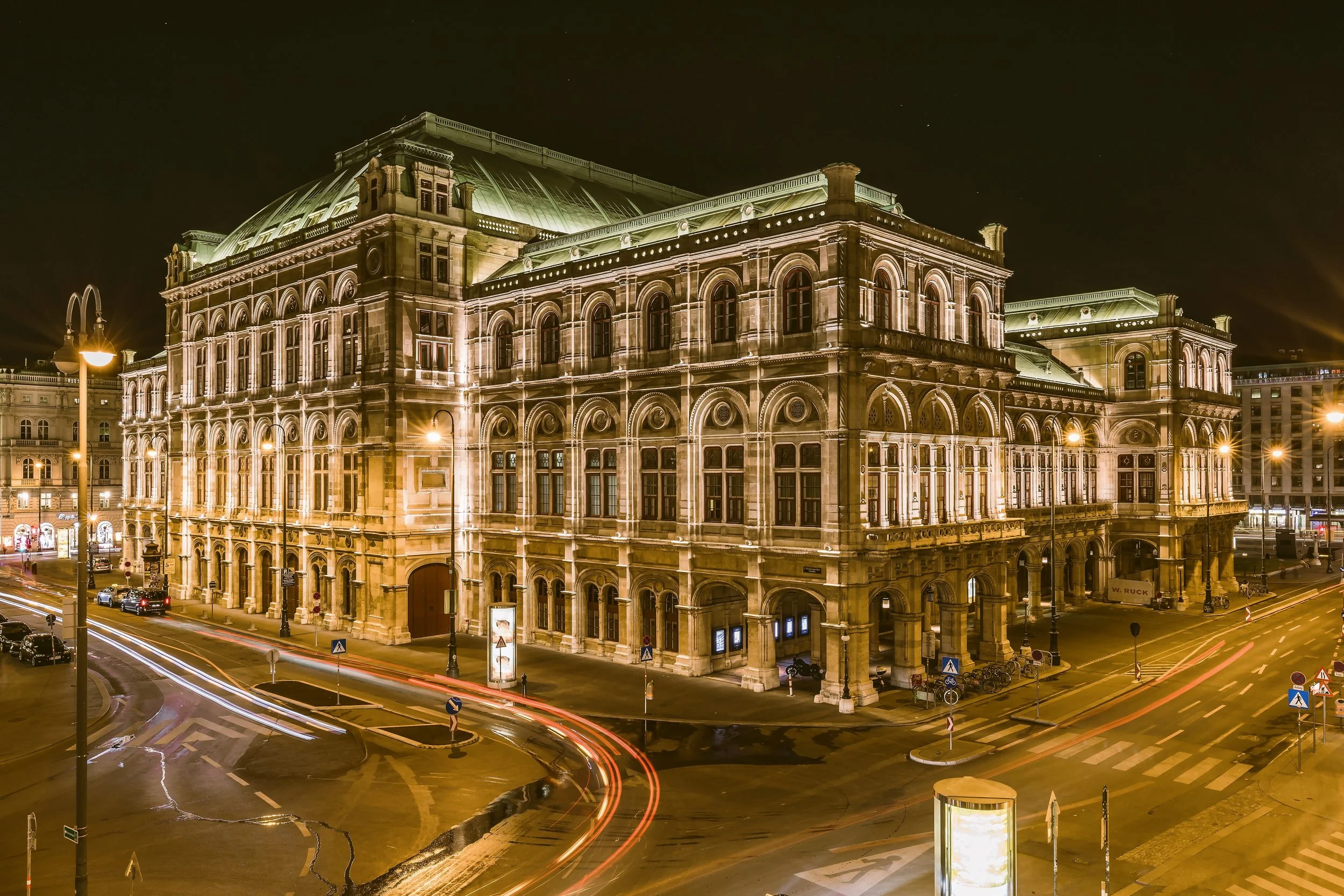
Founded in 1869 as the first grand building to rise on the Ringstrasse, the Staatsoper stages a different opera almost every night of the season — no repertoire in permanent rotation, singers flying in from Berlin or Milan for productions they may not have touched since the year before. Mahler once ran the place. What makes it remarkable isn't just the pedigree, though: it's the price. Standing-room tickets — 567 of them, released 80 minutes before curtain — go for as little as €13, genuinely putting world-class opera within reach of anyone willing to stand for three hours and skip the interval bar.
Standing room isn't bookable in advance, so if three hours on your feet doesn't sound like your evening, seated tickets are worth locking in early — especially for anything starring a name you'd recognize. [Check Vienna State Opera tickets→]
the waltz
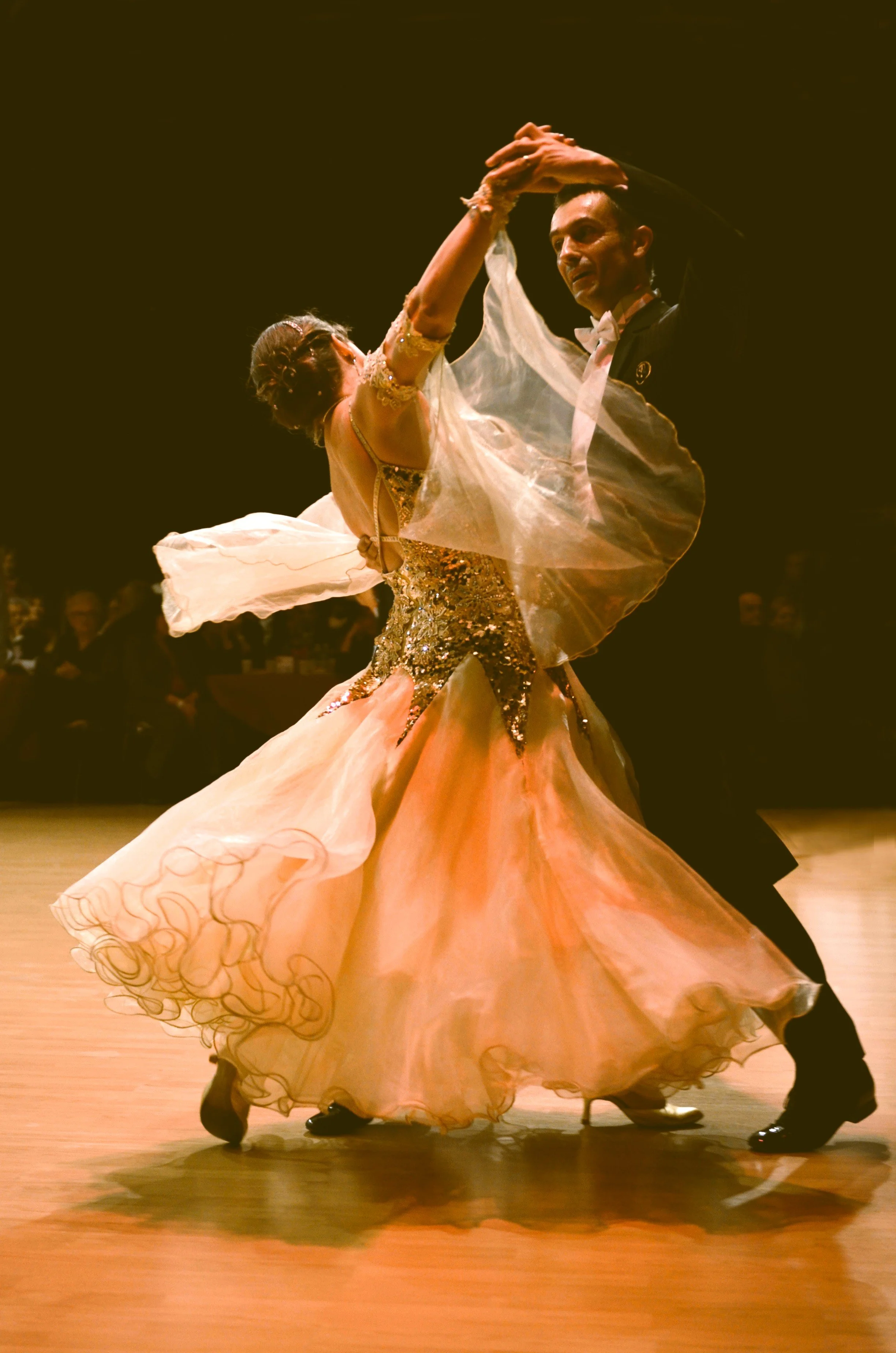
The waltz didn't start in a ballroom — it came from Ländler, a folk dance from the Austrian countryside, considered faintly scandalous when couples first began holding each other in closed position instead of at arm's length. Vienna refined it into a national obsession. Johann Strauss II, the "Waltz King," wrote more than 150 of them, including The Blue Danube — unofficially the city's second anthem. Grand balls still fill the winter calendar, from the Opera Ball's floor of tulle and tailcoats to smaller society dances across town, all turning to the same three-quarter rhythm that's been playing here, largely unchanged, for two centuries.
New Year's Concert
Each January 1st at 11:15am, the Vienna Philharmonic takes the stage of the Musikverein's Golden Hall for the New Year's Concert — a program built almost entirely from Strauss family waltzes and polkas, broadcast live to more than ninety countries. Tickets for the main event are notoriously hard to come by, allocated by lottery months in advance, with the best seats fetching well over €1,000. The preview and New Year's Eve performances, held the two days before, offer the same orchestra and nearly the same program — with considerably better odds of actually getting in.
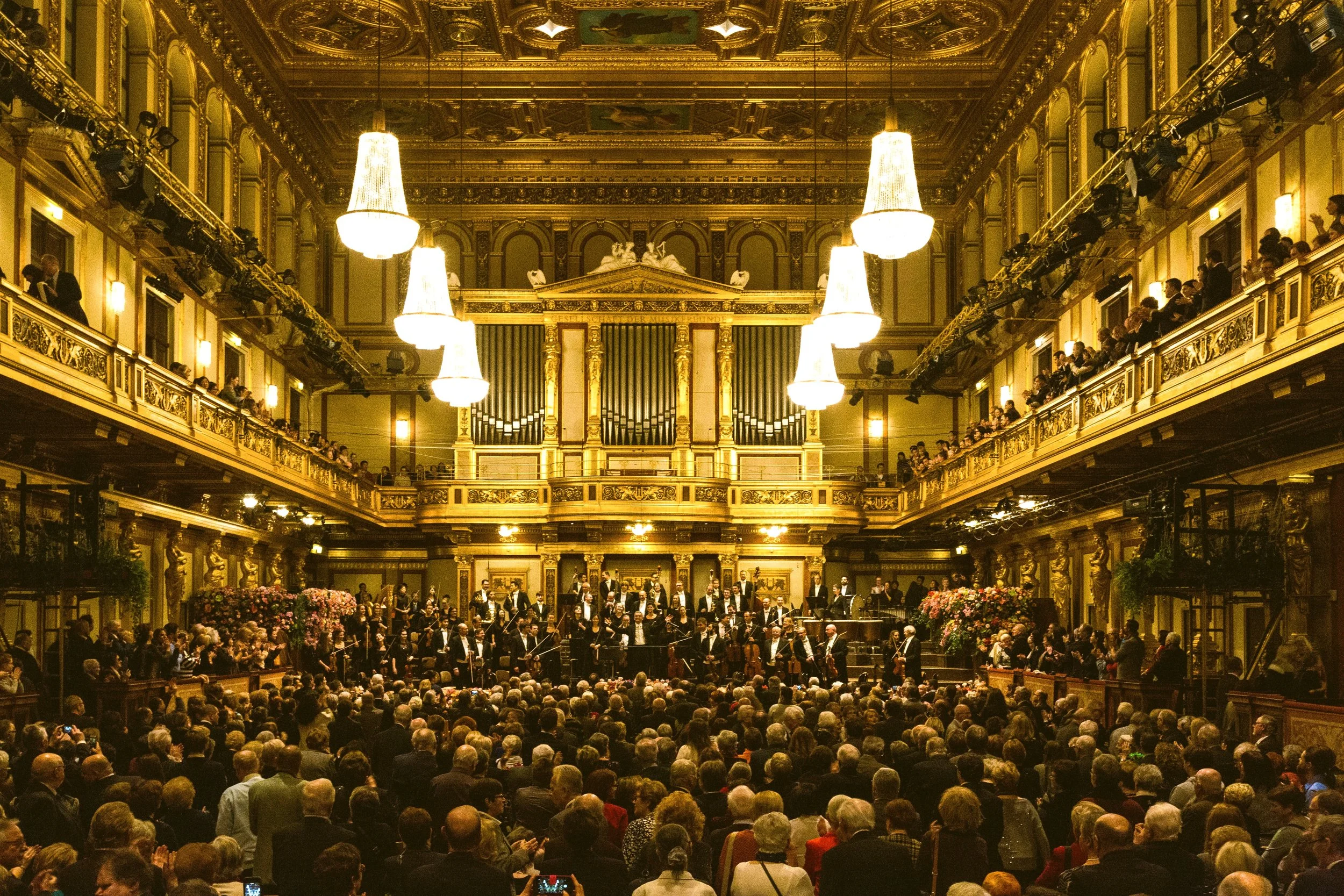
HEAR IT FOR YOURSELF - Book tickets
You don't need the New Year's Concert to hear this orchestra at its best — the Musikverein and Staatsoper both run world-class performances most nights of the season, standing room included. Book ahead for anything popular; the good seats go fast, and the standing ones go even faster. [Check availability →]