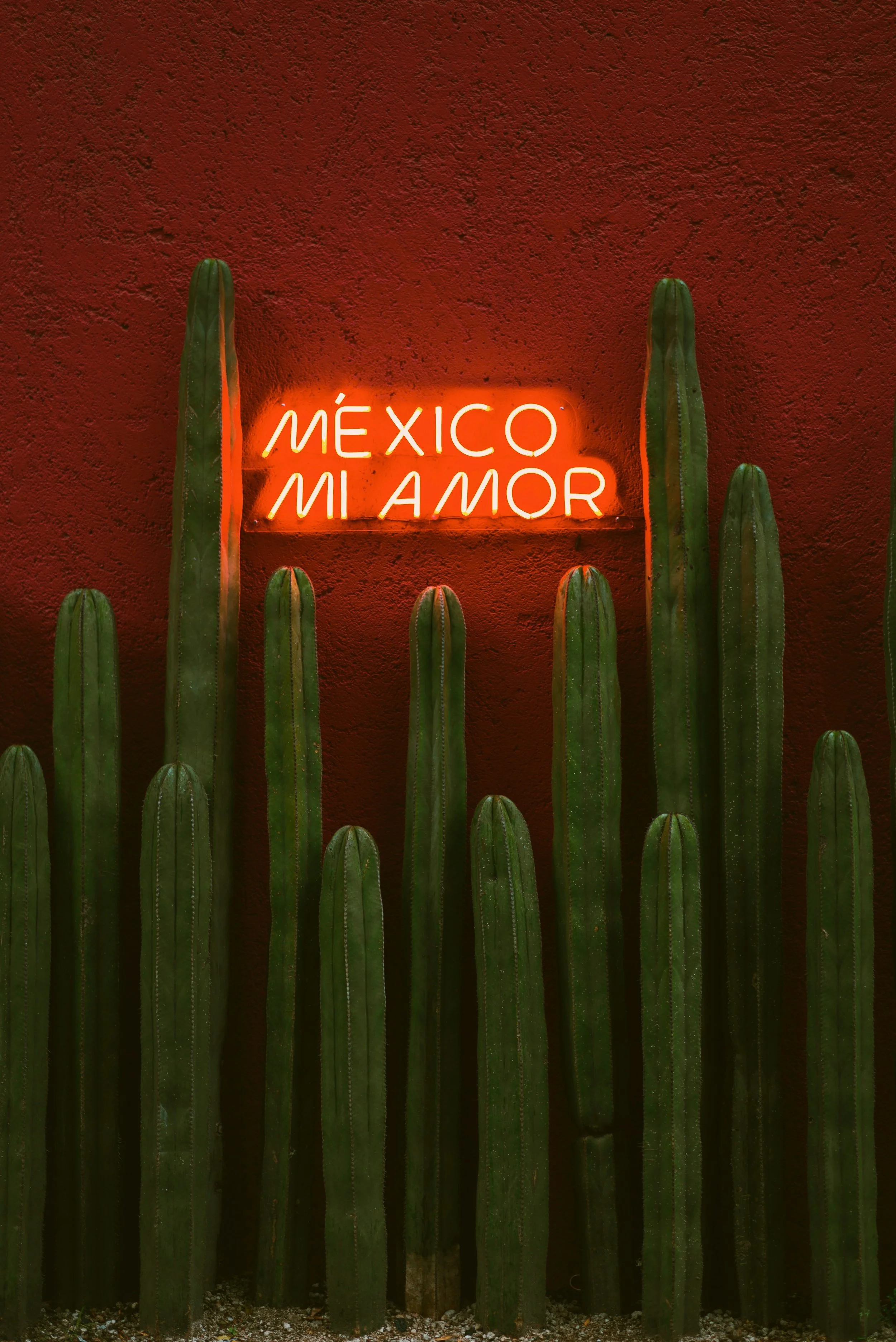
street food & cantinas
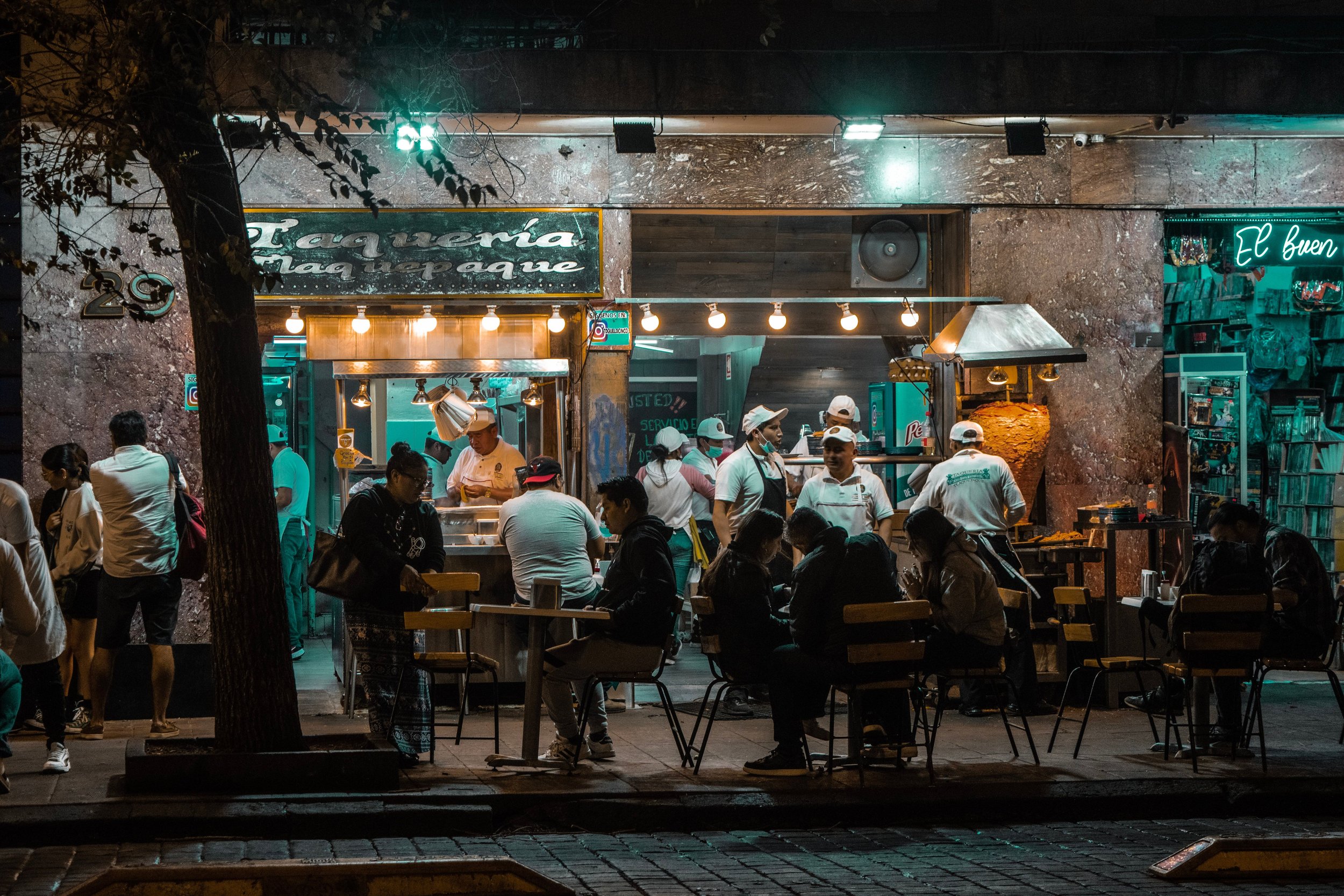
Nobody in Mexico City eats sitting down if they don't have to. The best meals here happen standing at a metal counter, plate balanced on one hand, salsa dripping onto the sidewalk — and asking for a table would almost defeat the point.
Tacos get all the attention, and they've earned it, but they're really just the loudest member of a much bigger family: quesadillas, tlacoyos, elotes slathered in mayonnaise and chili powder, tamales sold out of steel carts that appear on the same corner every night like clockwork. Eating in the street here isn't a budget compromise — it's often where the best cooking in the city is happening, no reservation required.
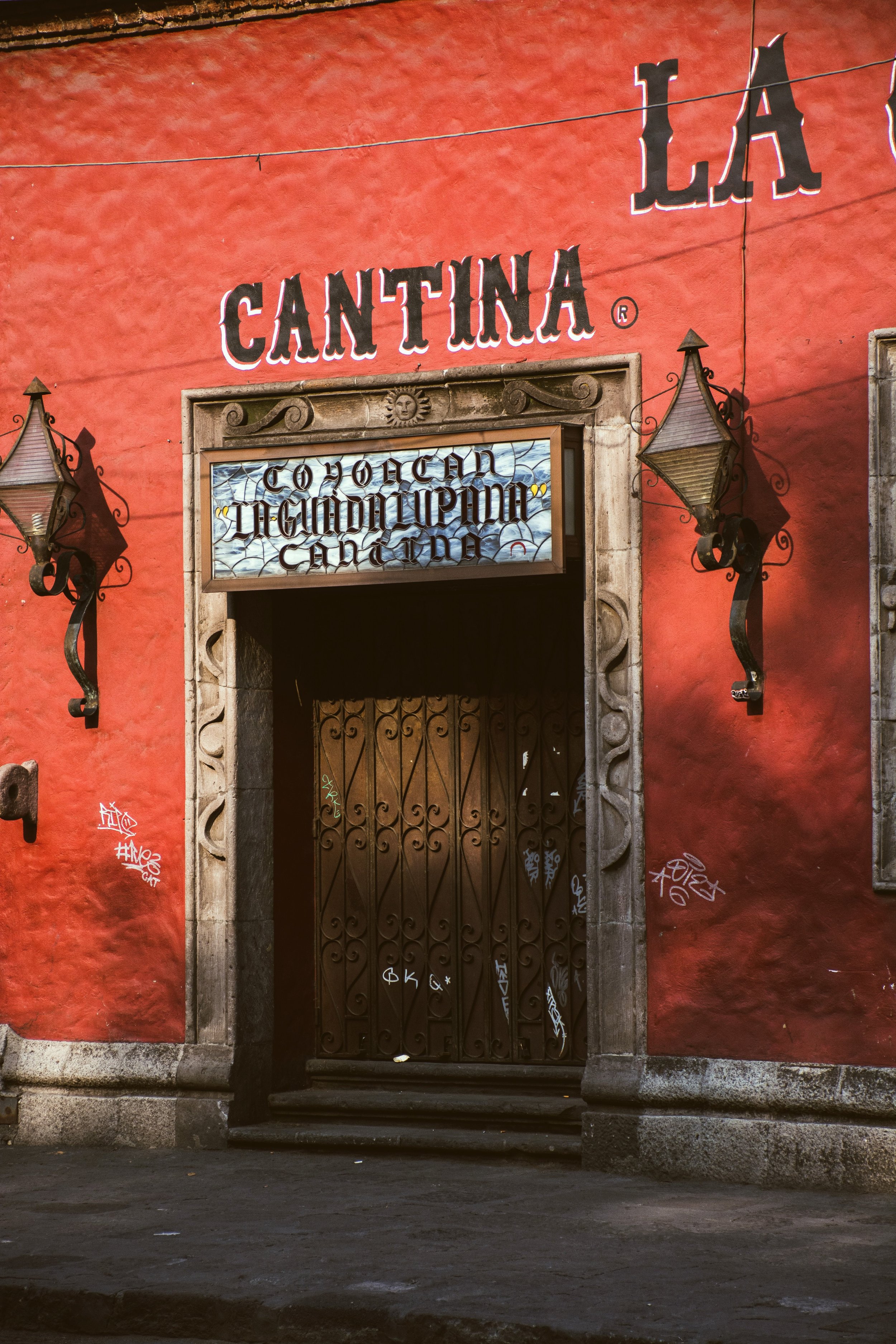
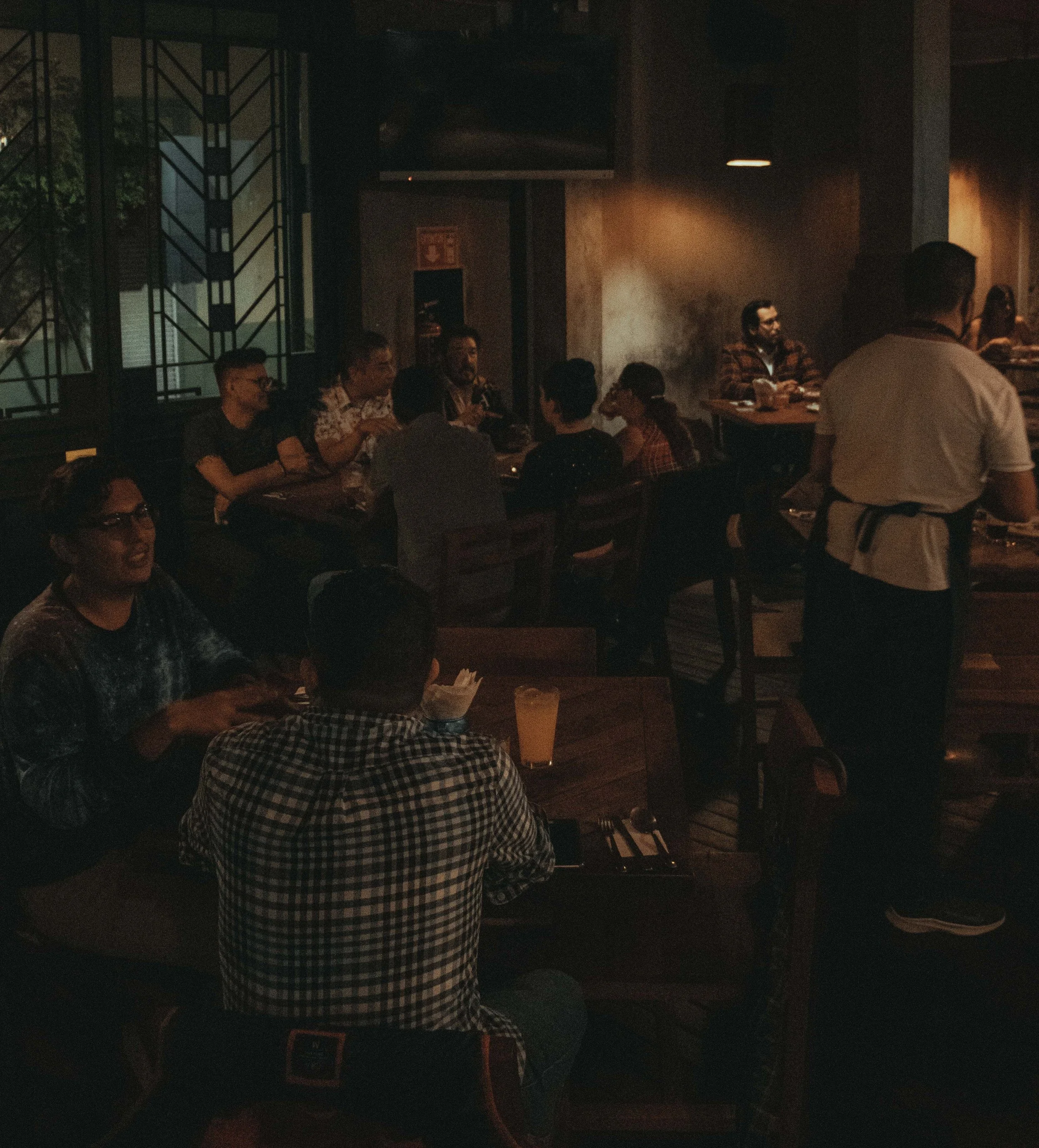
When the sun goes down, the register shifts to cantinas — dim rooms that have been serving tequila, mezcal and beer since before the revolution, some of which didn't let women through the door until the 1980s. And somewhere in the middle of it all, usually uninvited, a mariachi band might walk in and start playing at the next table over.
This is the part of Mexico City that doesn't photograph as well as the pyramids. It's better in person.
tACOS & STREET FOOD
Order at the counter, eat standing, pay in cash — that's the whole ritual. Al pastor gets the fame, carved off a spinning trompo with a pineapple balanced on top, a trick brought over by Lebanese immigrants and turned into something entirely Mexican. But don't stop there — quesadillas (ask if they come with cheese; in Mexico City, technically, they don't), tlacoyos griddled with beans and nopales, elote slathered in mayo and chili powder. The best stalls rarely have a sign. Just a line, and regulars who already know the order.
quick taco guide
Al Pastor
Marinated pork off a vertical spit, shaved to order with a bit of pineapple on top. The taco everyone argues about.
Suadero
Thin beef brisket, simmered then crisped on the griddle. Ask a local their favorite taco — this is often it.
Bistec
Grilled beef, thin-cut and fast off the plancha. Nothing fancy, just reliably good, on every menu.
Campechano
Usually suadero and chorizo chopped together. Ask a regular — this is often their real order.
Birria
Slow-cooked goat or beef in chili broth, often served quesabirria-style — dipped in fat, griddled crisp.
Barbacoa
Lamb or goat steamed in maguey leaves for hours. The classic Sunday breakfast taco, with consommé on the side.
Carnitas
Pork simmered in its own fat until it falls apart. Ask for maciza (lean) or surtida (mixed).
Canasta
Pre-made, steamed tacos sold from a cloth-wrapped basket. Cheap, quick — the one you grab on the way to work.
Guisado
Whatever's in the pot — mole, rajas, chicharrón en salsa verde. Order by pointing, no menu required.
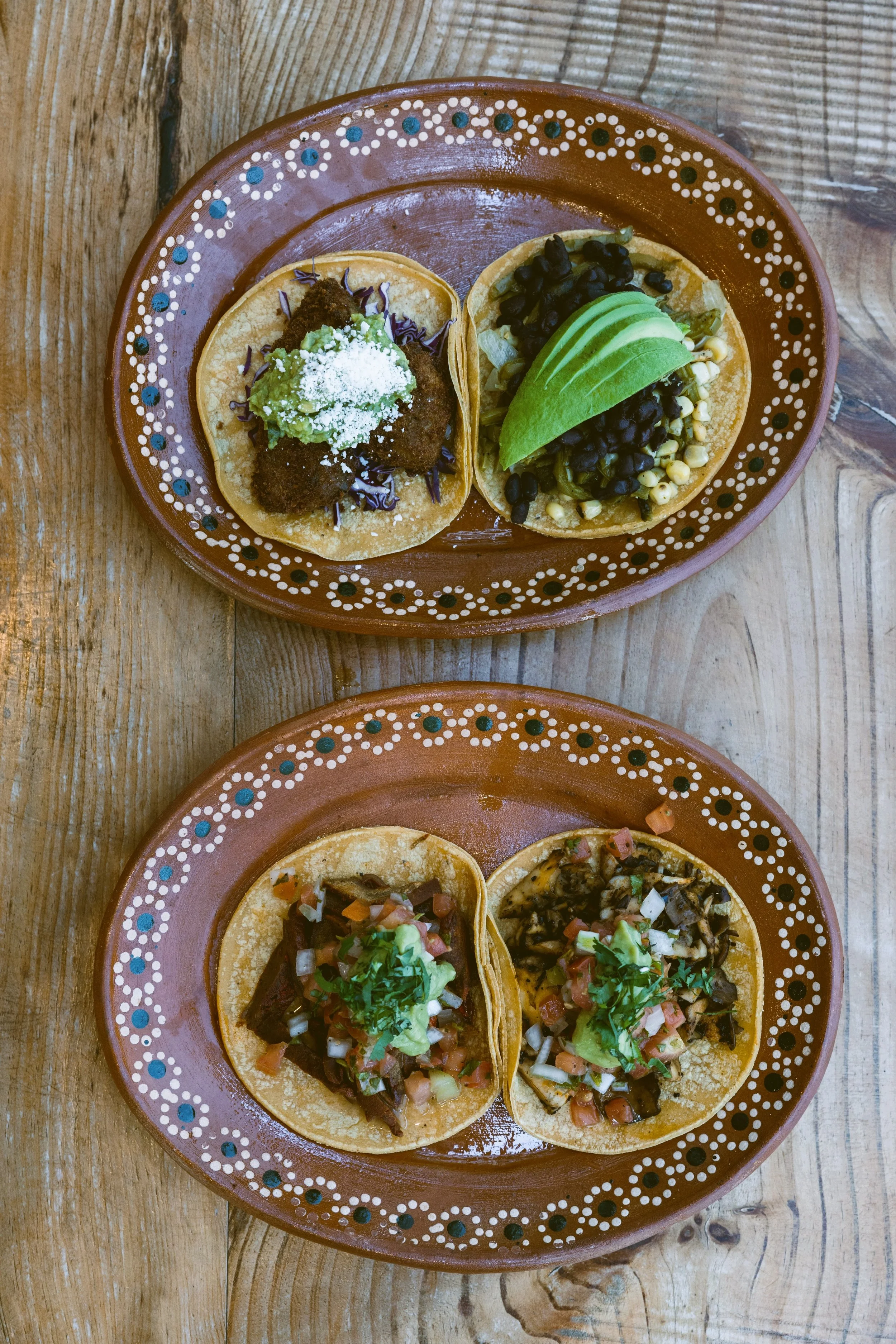
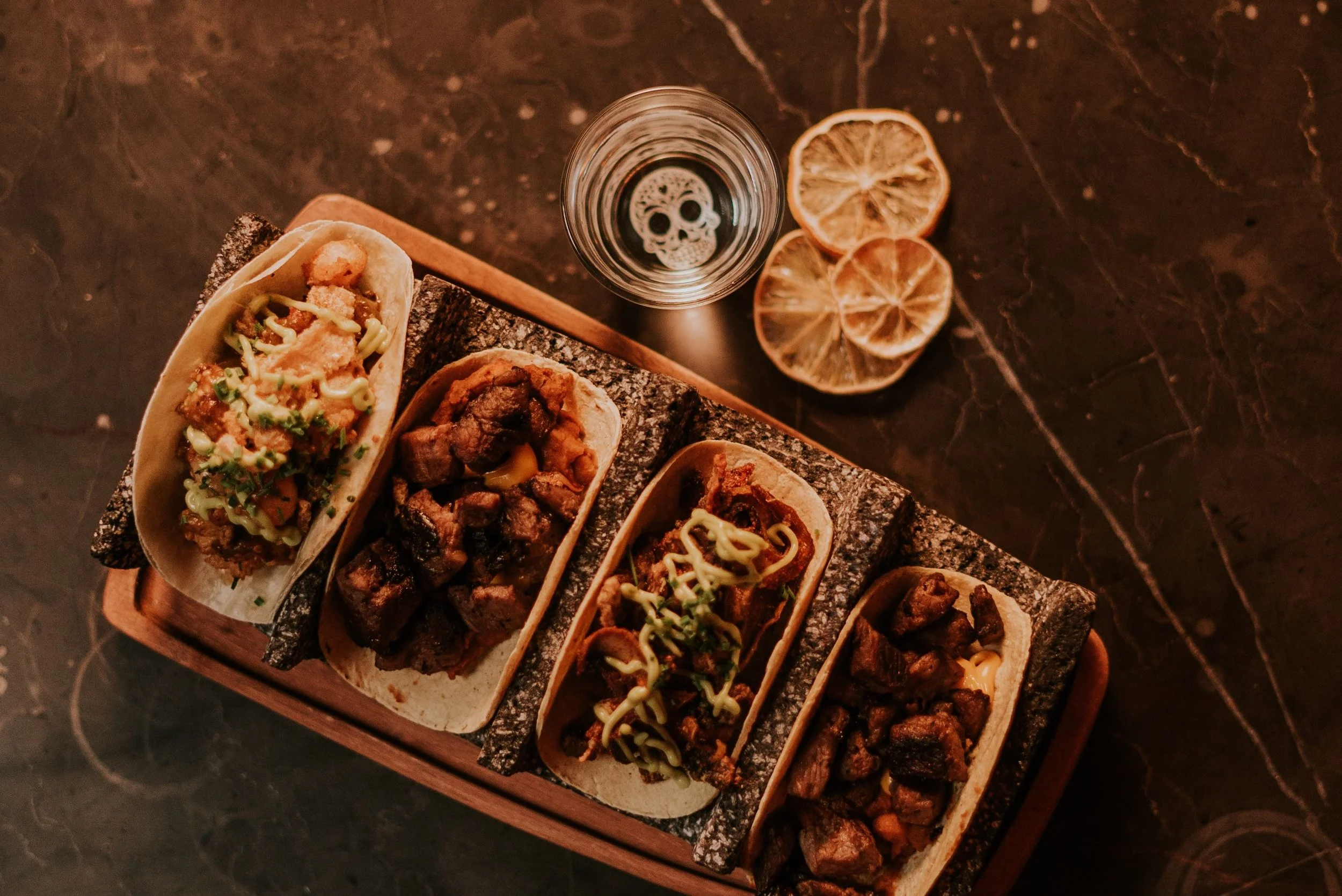
Mexican food didn't get simplified for export — what you'll eat here is older, spicier, and far more regional than the version abroad. Corn, chile, and lime do most of the work, but every state claims its own version of everything. Expect plastic chairs, no menus, and better food than half the restaurants charging you for ambiance.
WHAT TO EAT IN MEXICO CITY
Quesadillas
Folded tortillas filled with whatever's on offer — squash blossom, mushroom, huitlacoche. Ask if cheese is included; in Mexico City, it often isn't unless you request it.
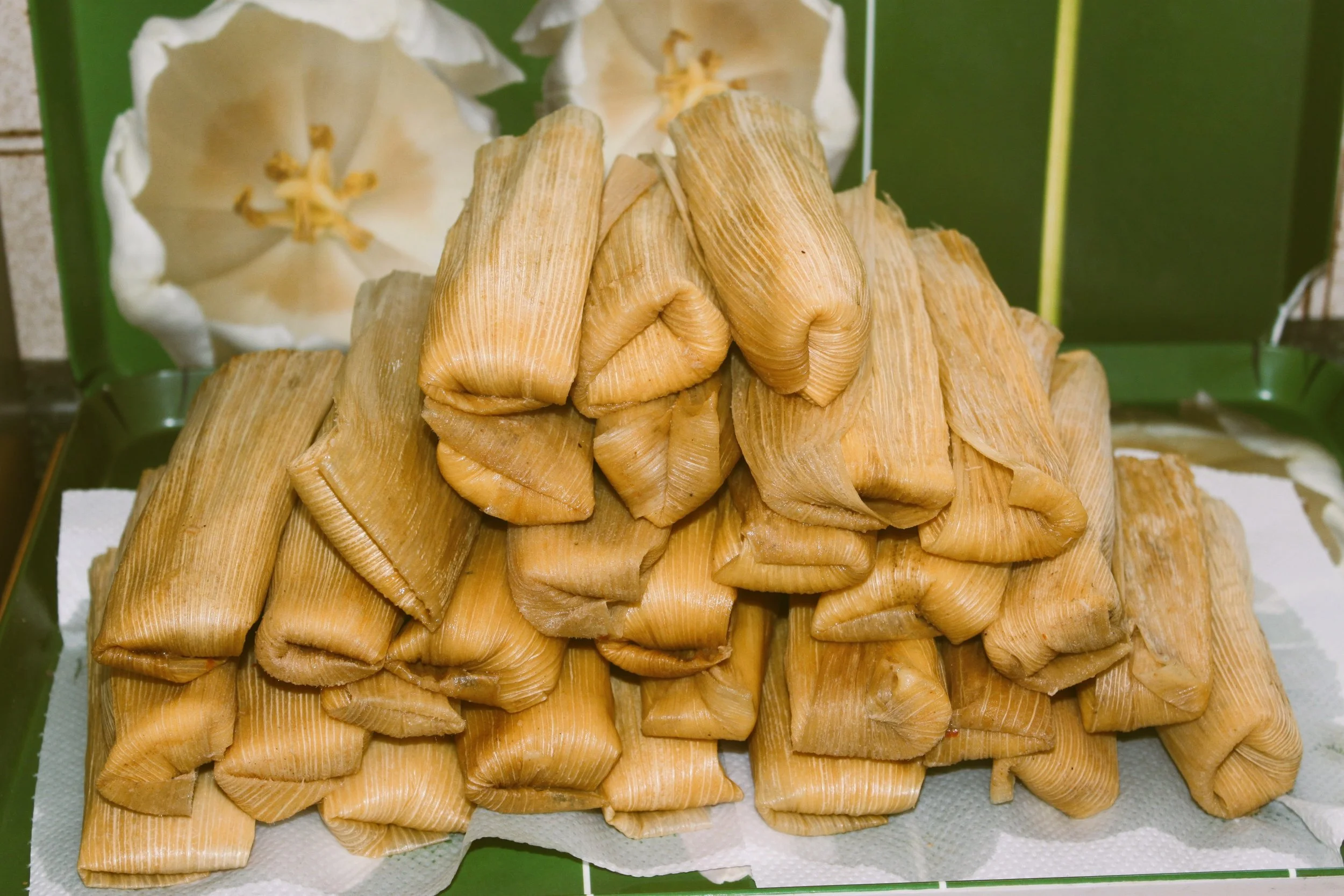
Tamales
Steamed masa parcels wrapped in corn husk or banana leaf, filled with mole, chicken, or rajas. The 8am breakfast, sold from carts with a whistle or a shout.
Tortas
Sandwiches on a crusty roll, stuffed to the point of structural concern — the torta cubana and the torta de tamal (a tamale inside bread) are the two extremes worth knowing.
Pozole
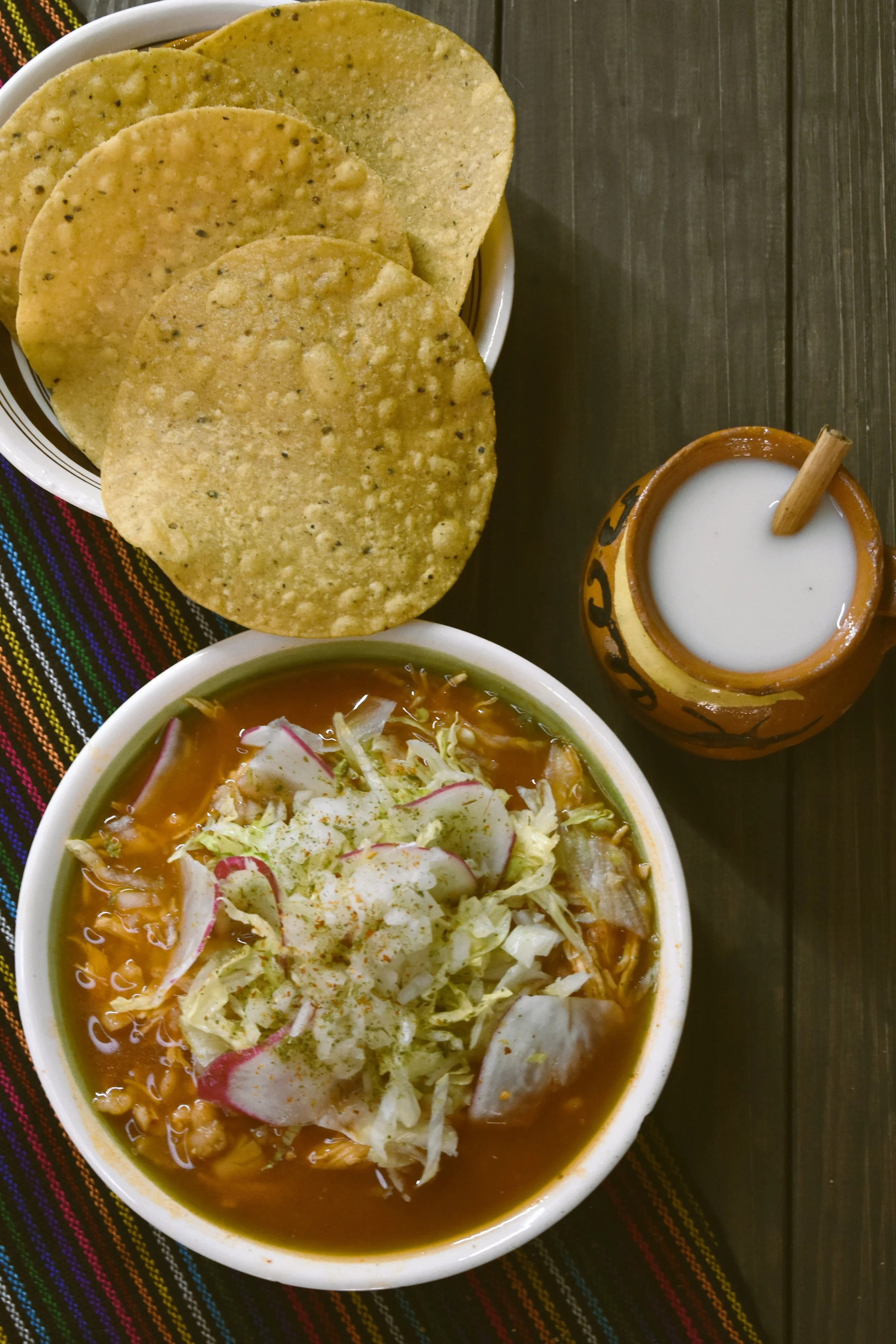
Hominy stew, red or green, topped with radish, lettuce, and oregano. A weekend dish more than a weekday one — order it on a Saturday if you can.
Mole
A sauce, not a dish — dozens of regional versions, but mole poblano (chocolate, chilies, dozens of ingredients) is the one that made it famous internationally.
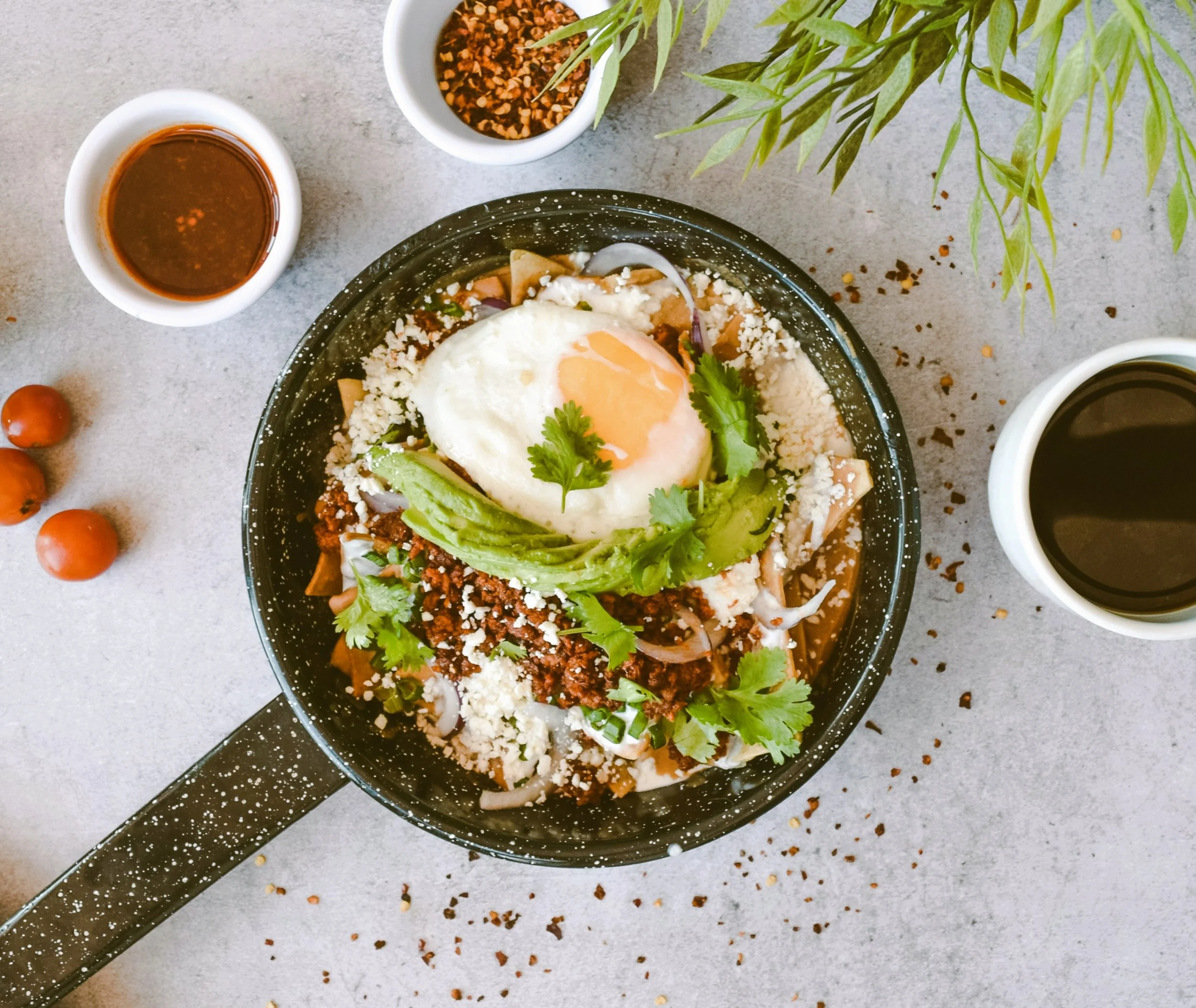
Chilaquiles
Fried tortilla chips drowned in salsa until soft, topped with cream, cheese, and an egg if you want it. The hangover cure, eaten unapologetically at any hour.
Elote
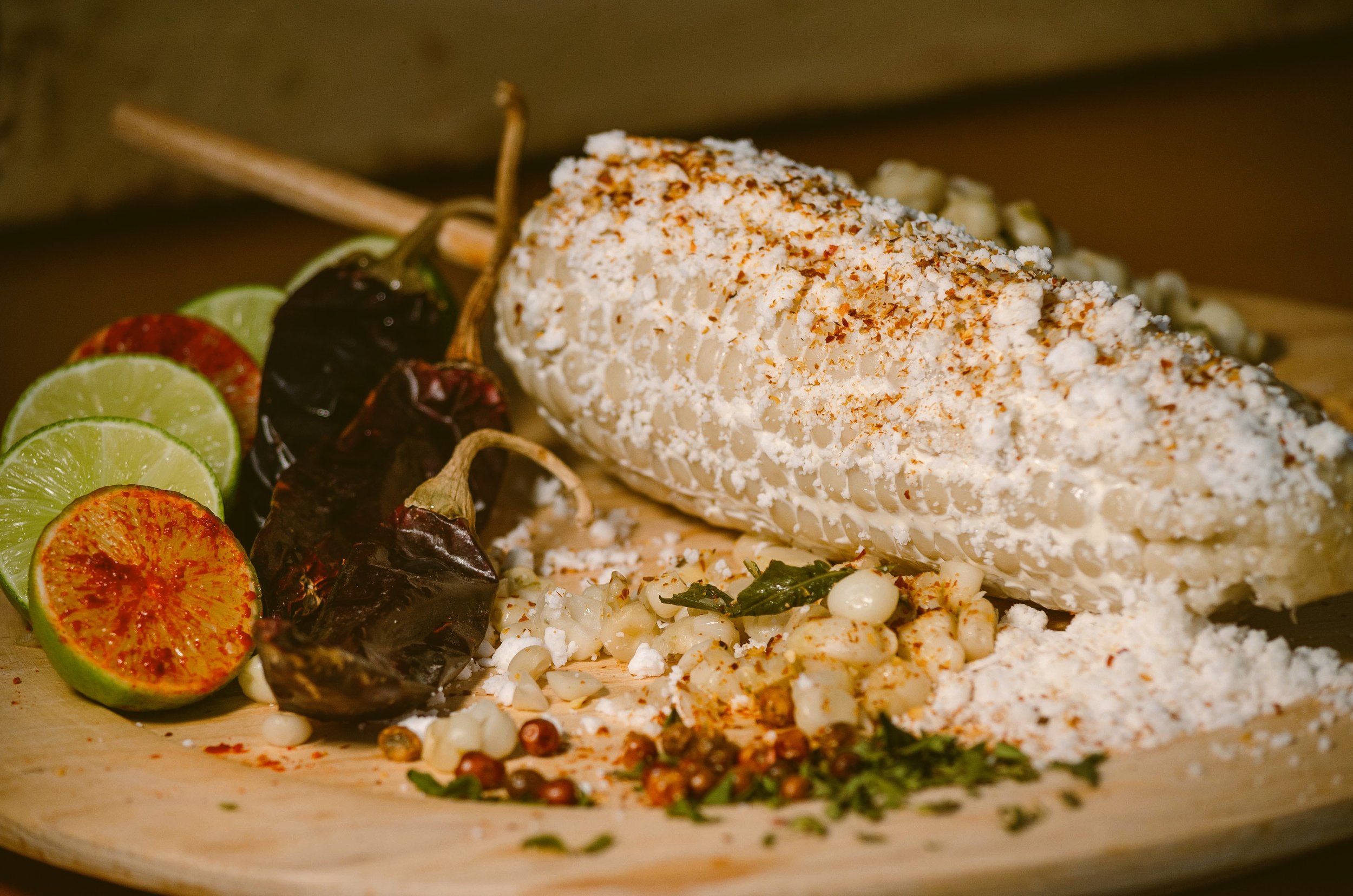
Corn on the cob, slathered in mayo, cheese, chili powder, and lime — or off the cob in a cup as esquites. Sold from carts on nearly every corner after dark.
Tlacoyos
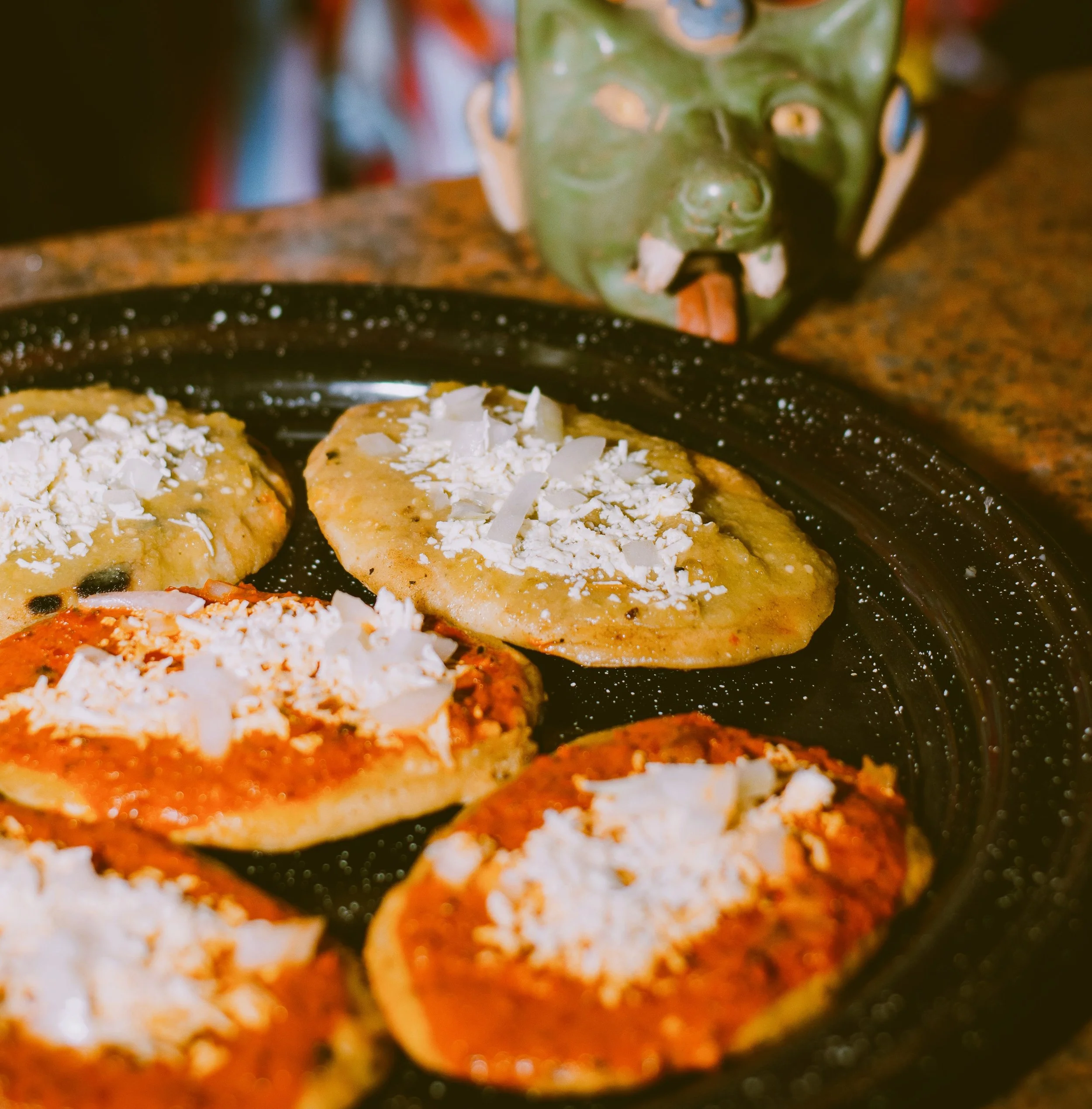
Oval masa cakes stuffed with beans, cheese, or fava paste, griddled and topped with salsa, nopales, and crumbled cheese. Older than the taco, and arguably more filling.
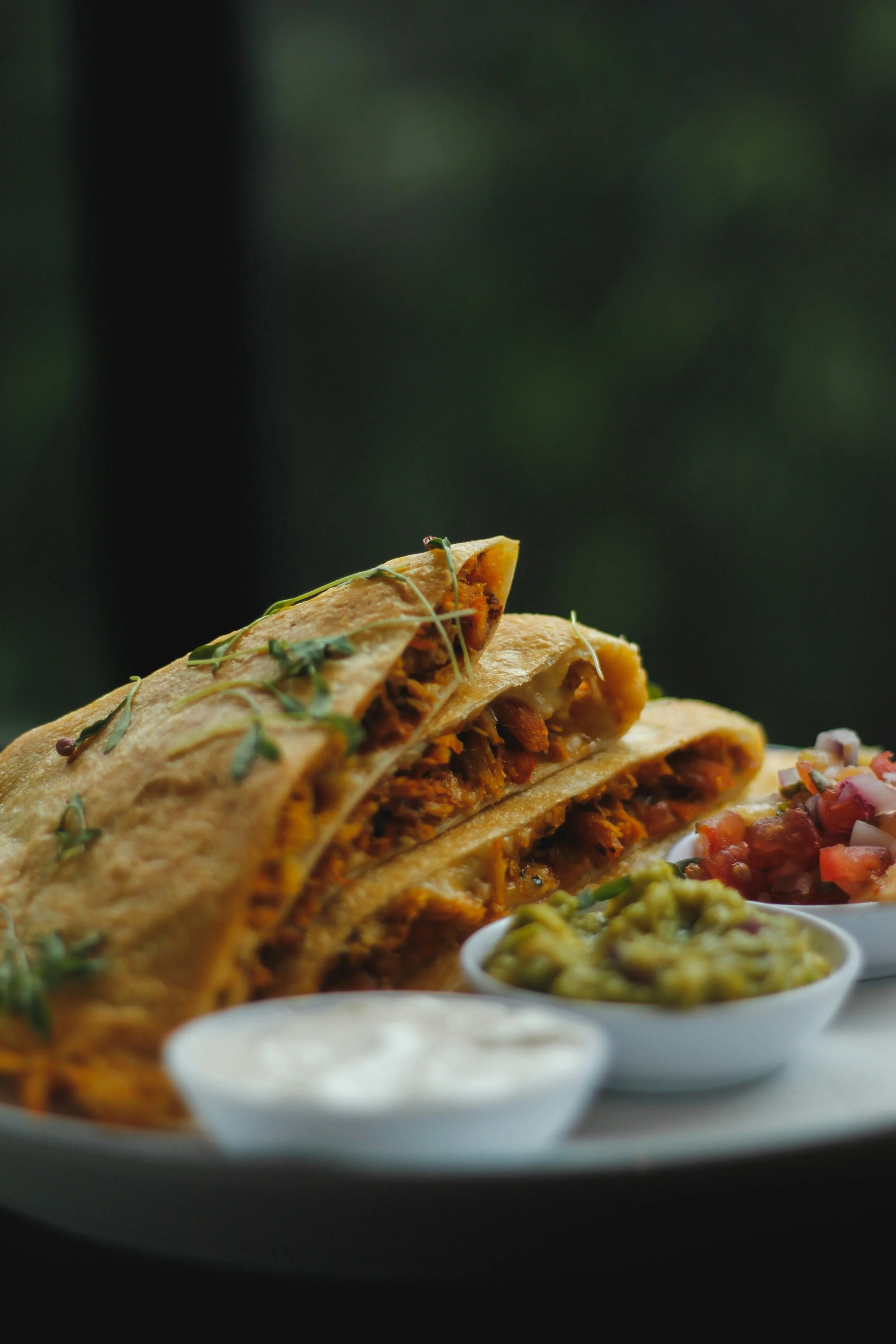
Quesadilla
Chilaquiles
Tamales
Elote
Tlacoyos
Pozole
CANTINAS & THE NOCHE CHILANGA
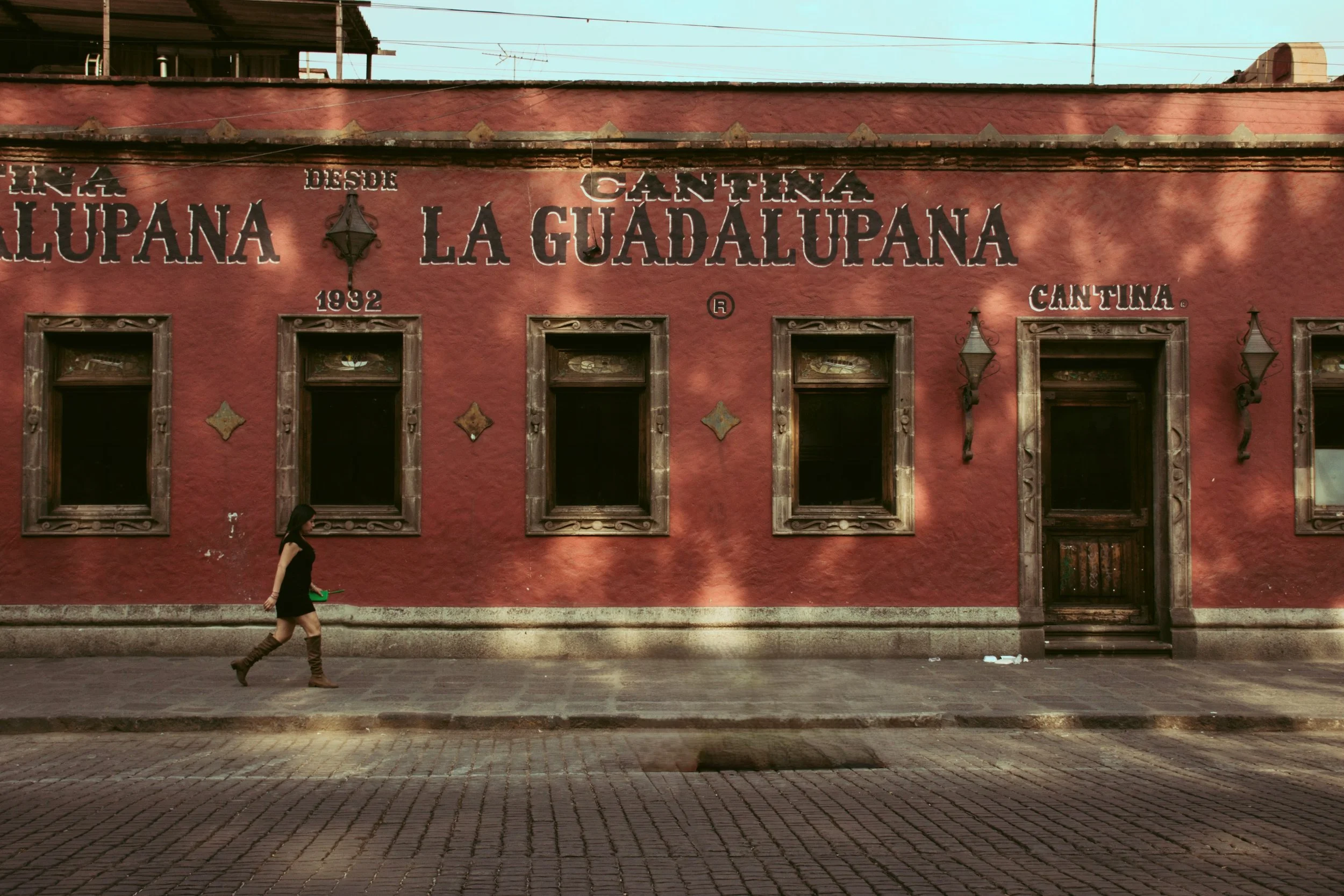
Cantinas here predate the revolution, and some of the rules have barely changed — a few didn't let women through the door until the 1980s, and the ones that did often kept a separate entrance. The Centro Histórico has the highest concentration of them, many just blocks from the Zócalo, so if you spent the day there, you don't have to go far to come back for the night.
Inside: tequila, mezcal, dominoes slapped down hard enough to hear across the room, botanas that arrive unordered with every round of drinks, on the house. This is where the city actually unwinds after dark, not the rooftop bars chasing skyline views. Go late, go with people, and don't rush — nobody else in the room is going to.
mezcal vs. pulque vs. tequila
All three come from agave. That's where the similarity ends.
Pulque is fermented, not distilled — the oldest of the three by well over a thousand years, drunk by the Aztecs before Spain ever showed up. Milky, slightly viscous, low alcohol, sold in pulquerías that look like they haven't changed since 1900.
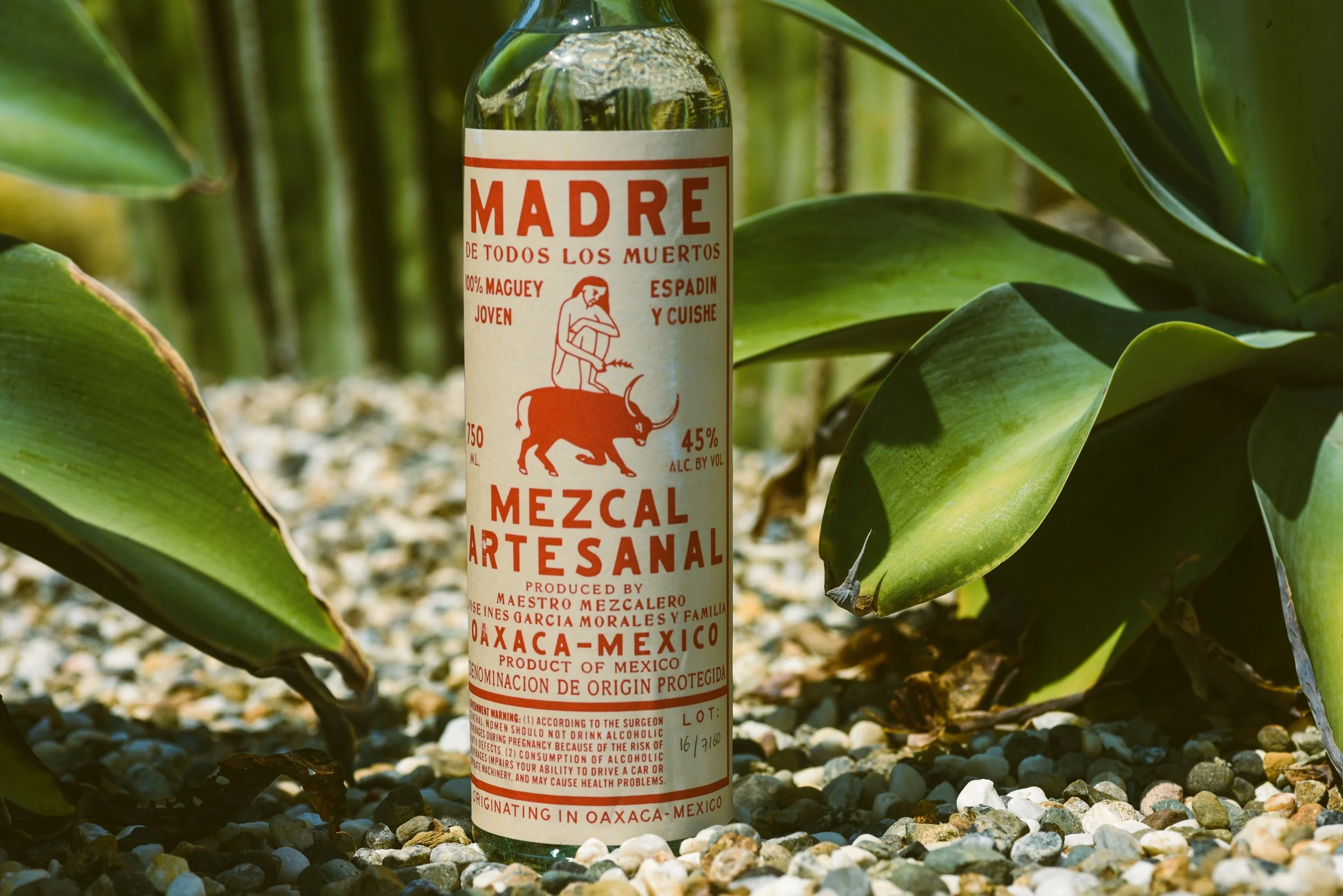
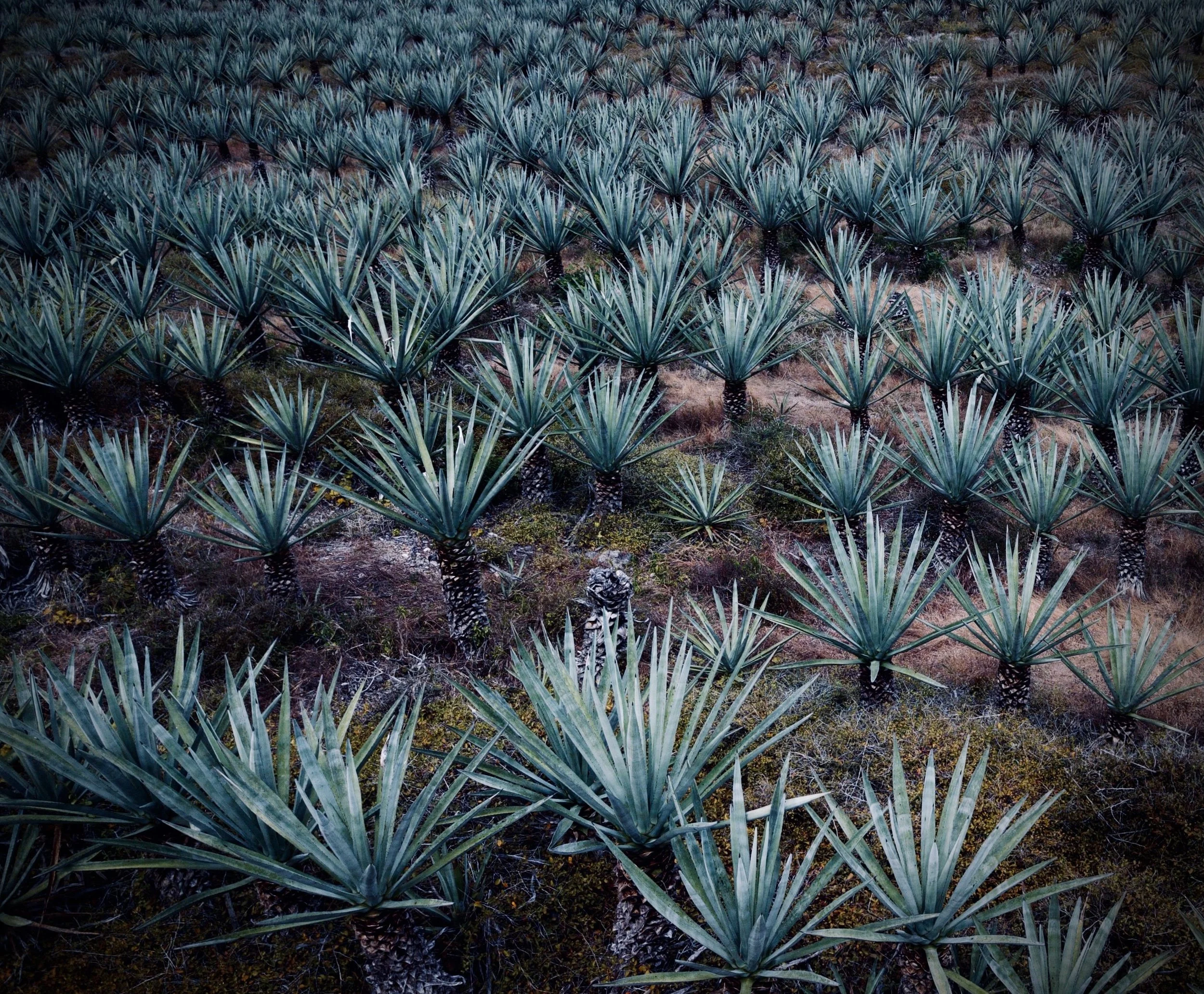
Mezcal is distilled, usually from roasted agave hearts cooked in earthen pits — that's the smoke you're tasting. Made mostly in Oaxaca, from dozens of agave species, no two batches quite the same.
Tequila is mezcal's strict, famous cousin: distilled only from blue agave, only in designated regions (mostly Jalisco), steamed rather than smoked. Technically a type of mezcal — legally, its own category.
MARIACHIS & PLAZA GARIBALDI
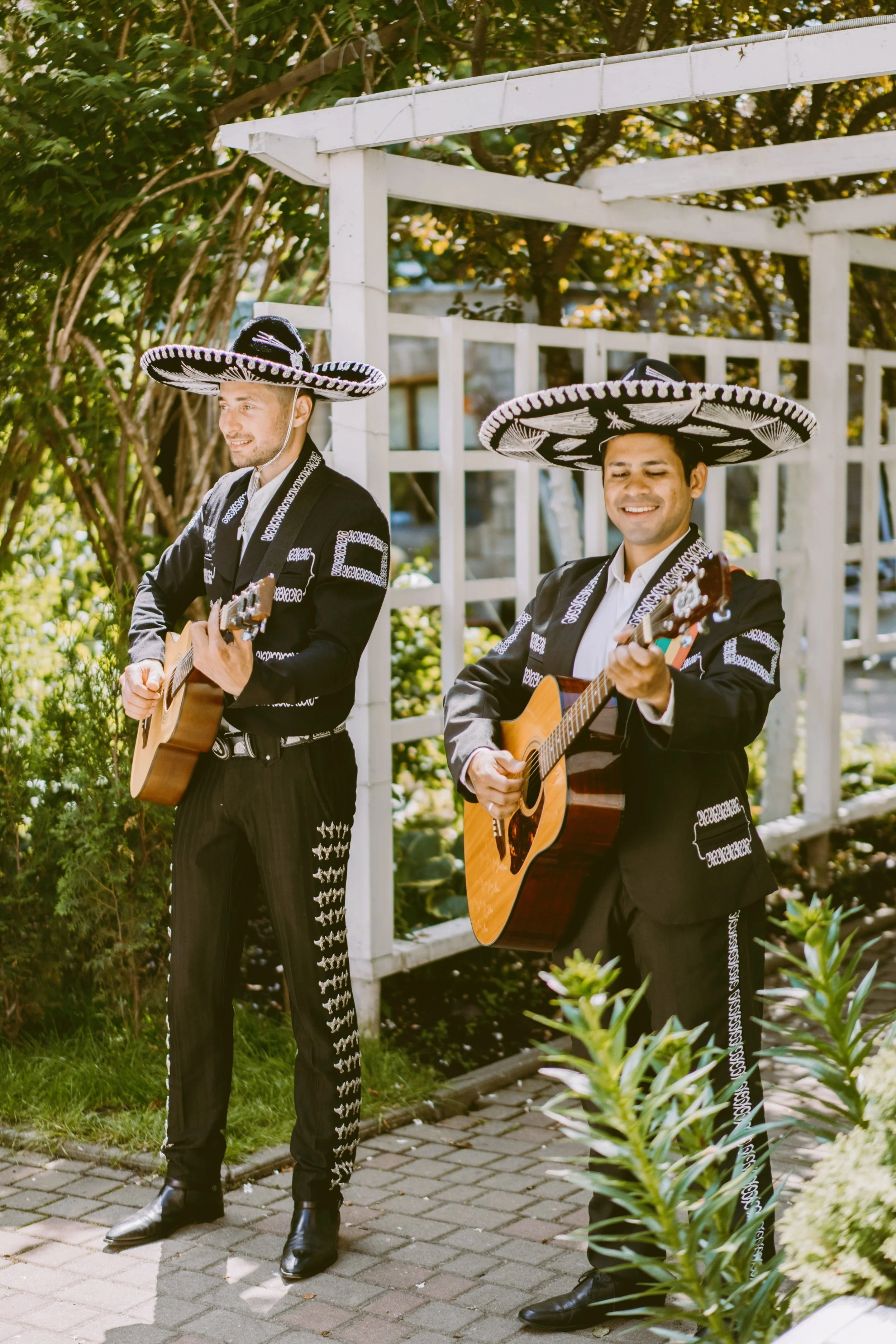
This is where mariachi lives, literally — bands in full charro dress, instruments in hand, waiting outside Salón Tenampa for someone to hire them by the song. No stage, no microphone, no set list beyond what you request and can afford.
It's loud, unapologetically sentimental, and exactly as touristy as it sounds, which doesn't make it any less real; the musicians playing here tonight learned in the same plaza decades ago. Go after dark, go with company, and expect at least one song to get requested three tables over before it reaches yours.
DOING IT RIGHT
Six stalls in one night with someone who already knows which ones are worth the wait beats wandering alone for hours — a guided street food tour covers far more ground than you'd manage solo, and usually knows the stalls that don't last past 10pm.
Plaza Garibaldi, meanwhile, is best experienced after dark and with company rather than solo; an evening tour typically bundles a stop at Tenampa with a mariachi song or two and transport back to your hotel. Book a Mariachi Garibaldi Square Evening Tour.