real madrid vs. atlético
Spain doesn't apologize for caring this much about football, and hasn't for years — the country has spent the last two decades collecting international silverware the way other nations collect complaints about their national team. That habit didn't start Madrid's obsession; it just gave it fresh material. Walk through any neighborhood on a matchday and the city rearranges itself around a screen: bars overflow onto the pavement, strangers narrate the game to each other through open windows, and for ninety minutes the usual rules about who talks to whom simply stop applying.
But Madrid's real football story was never really about the national team. It's about two clubs sharing one city and agreeing on almost nothing else. Real Madrid is the club of trophies, history, and a stadium that draws more visitors than most of the city's actual museums. Atlético is the club of the other side of the river — grittier, prouder of its scars than its silverware, allergic to anything that smells like entitlement.
Neither side needs the other to exist. But the rivalry between them is, in its own way, as essential to understanding Madrid as anything in the Prado.
ATLÉTICO DE MADRID
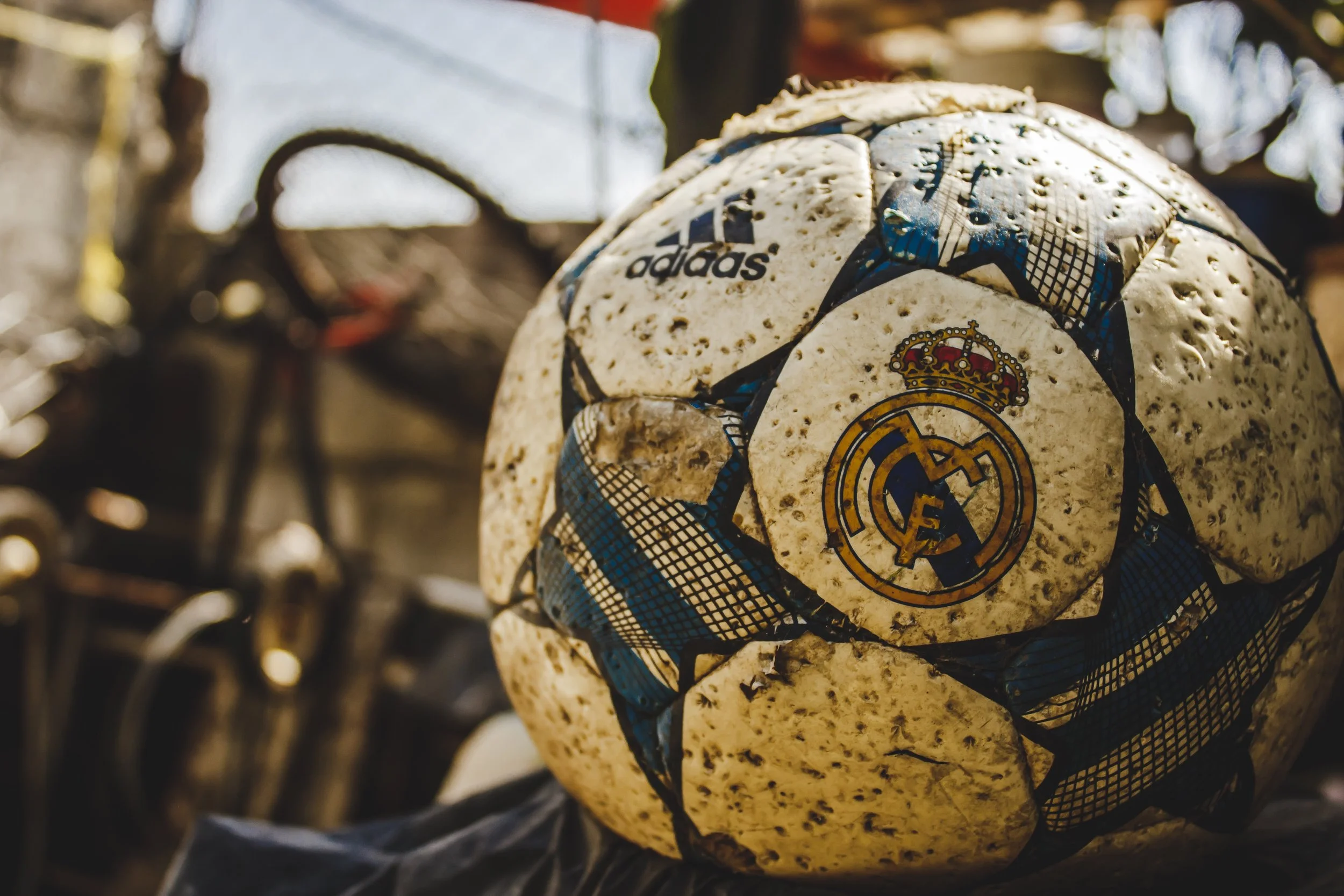
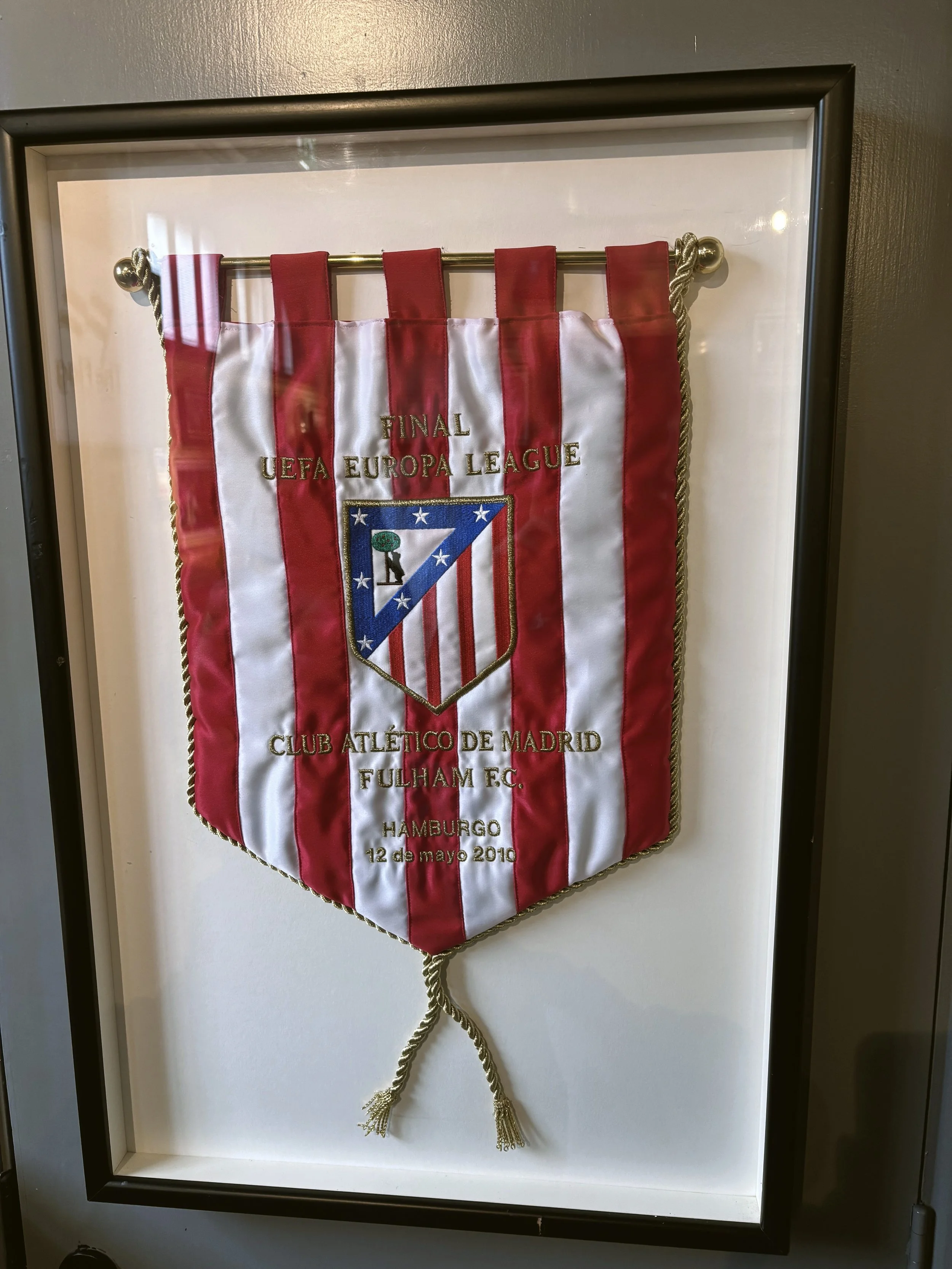
Atlético is what Real Madrid isn't, and wears that difference like a badge. Founded by Basque students in 1903, it built its identity on the south side of the Manzanares — working-class, historically underdog, allergic to arrogance even in seasons it dominates. "Sufrir" — to suffer — isn't an insult in Atlético's vocabulary; it's practically a badge of belonging, worn with more pride than any trophy. The move to the Metropolitano didn't soften that character. If Real Madrid represents Madrid's self-image as a global capital, Atlético represents the older, working-class Madrid — unpretentious, unimpressed by glamour, and fiercely loyal to its own.
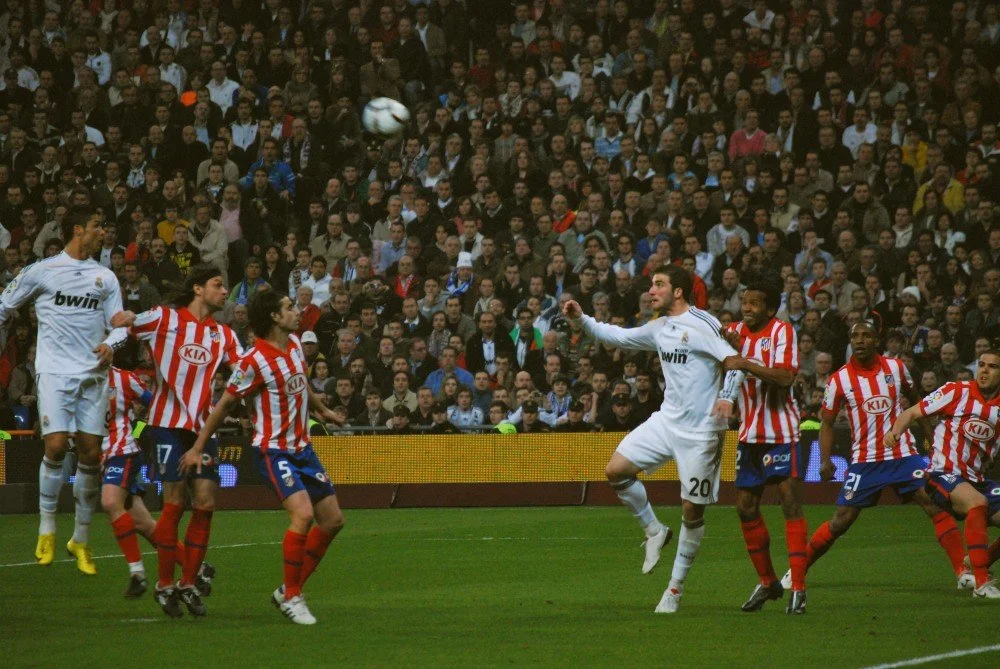
Photo: “Derby en el Bernabeu” byr Jan S0L0, CC BY-SA 2.0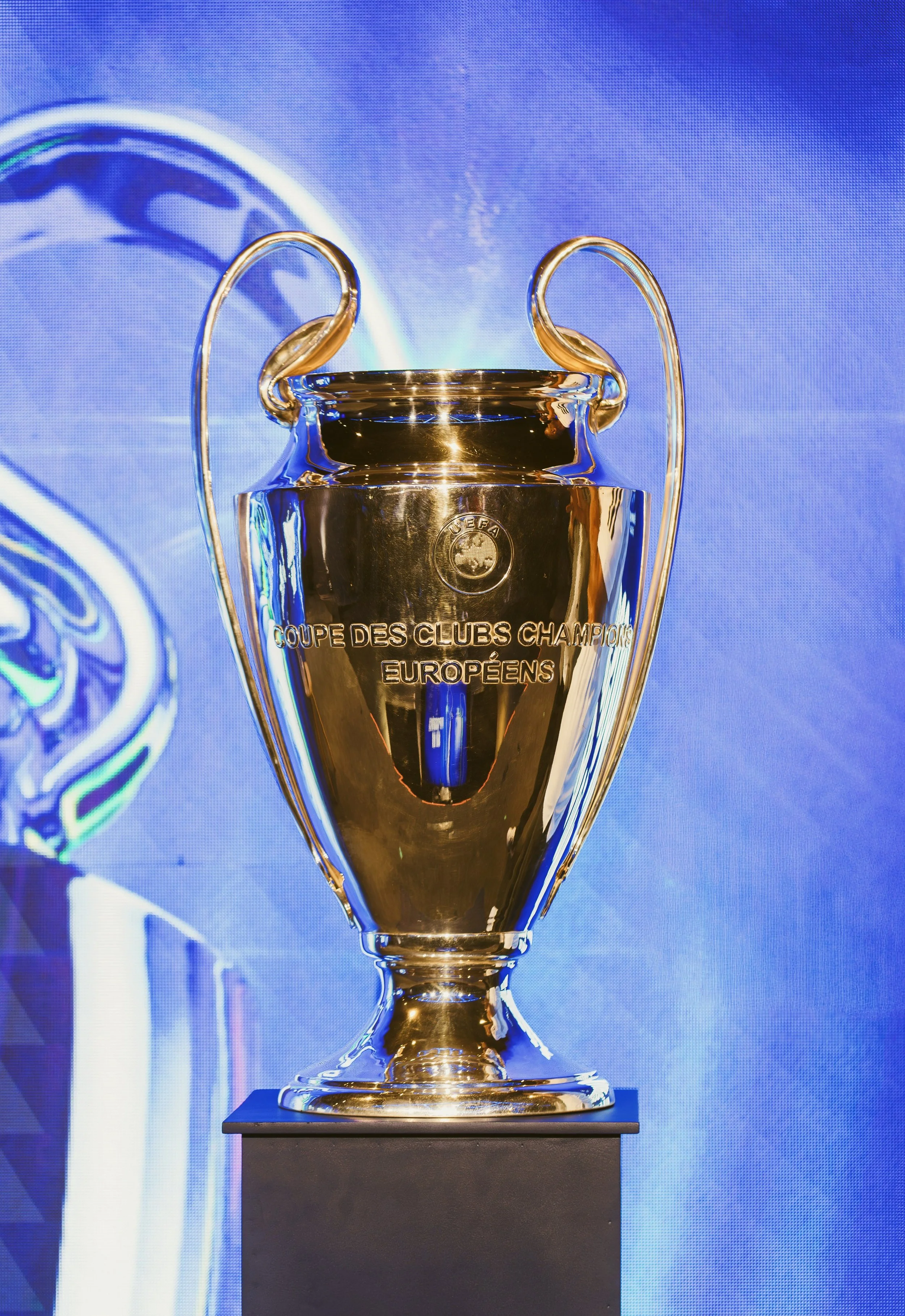
REAL MADRID
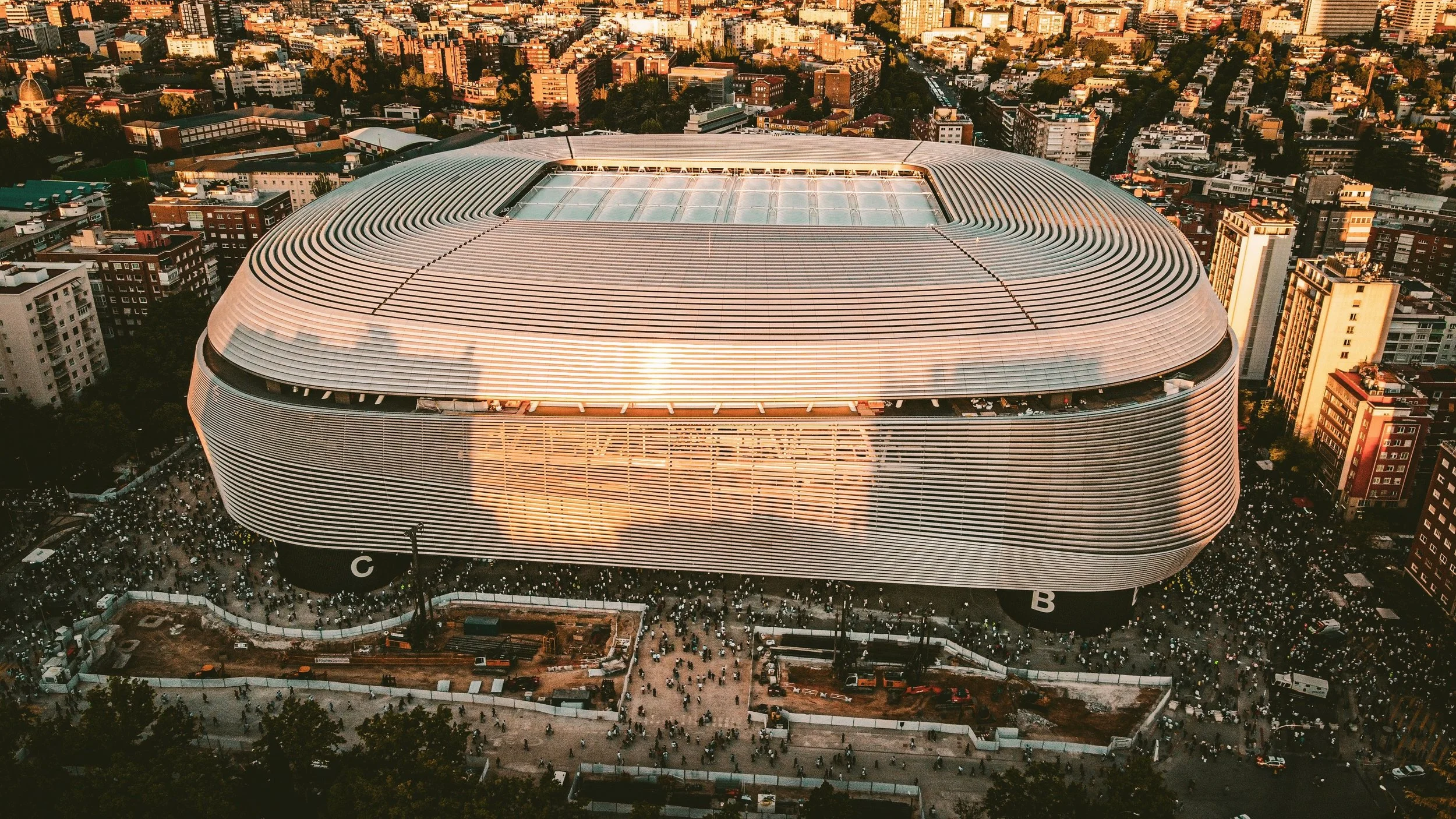
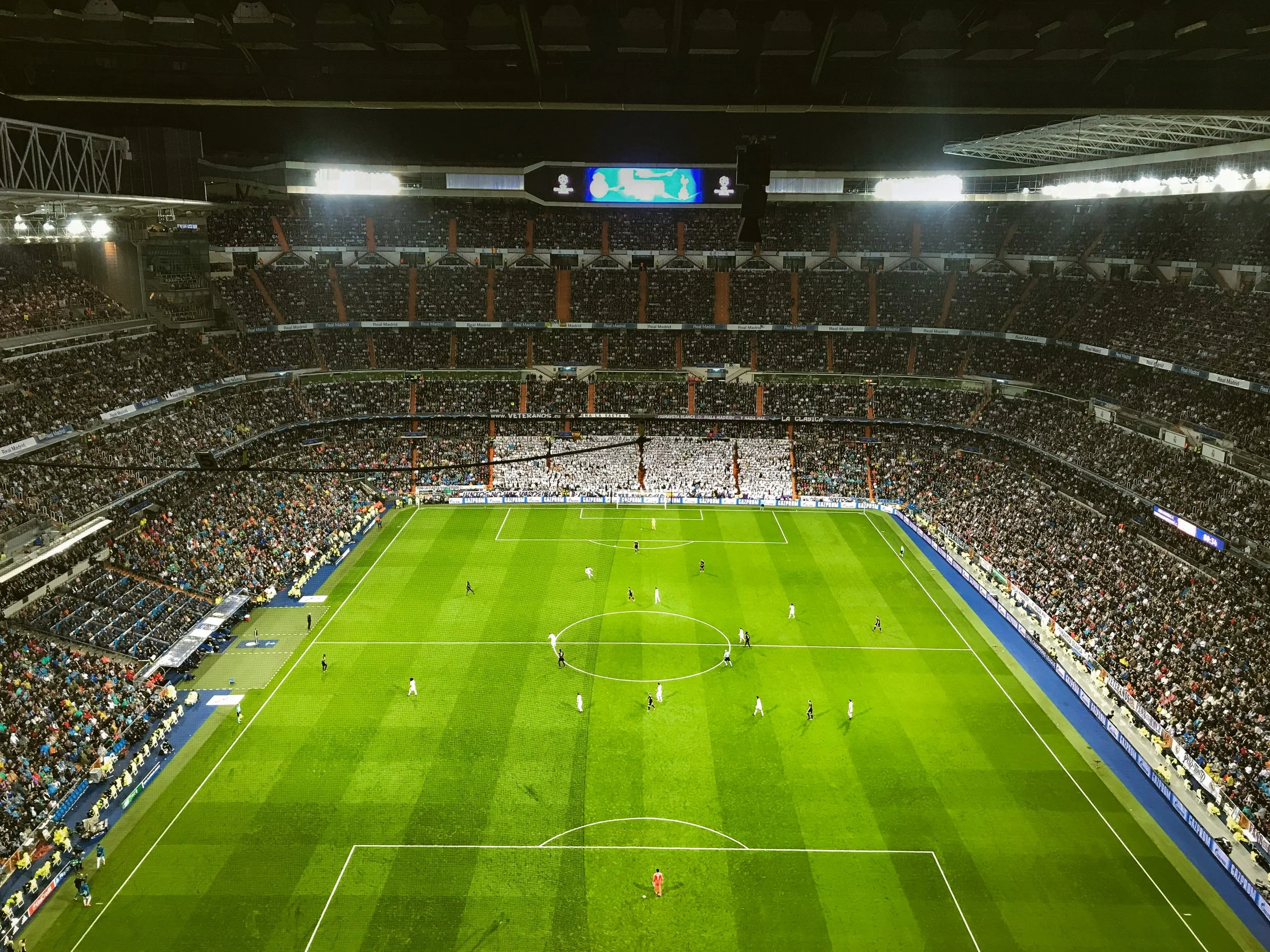
Real Madrid isn't just a football club here — it's closer to a civic identity, and the club knows it. Founded in 1902, it holds more European Cups than any other side in the sport's history (15), a tally no rival has ever come close to matching. The Bernabéu, wrapped in its rebuilt shell of rippling steel, now pulls in visitors on non-matchdays alone — its museum one of Madrid's most-visited attractions. To support Real Madrid is, more often than not, to have been born into it: a family inheritance passed down before anyone asks whether you'd like it or not. [Book Bernabéu Tour tickets →].
the derby
Twice a season, sometimes more, the city stops pretending these are just two football clubs. The Derbi Madrileño isn't fought over trophies — Real Madrid has settled that argument for a century — it's fought over who gets to define the city's soul. For Los Blancos, victory is expected, almost administrative. For Atlético, beating their neighbors carries a weight no other match does: it's the one afternoon a year when "sufrir" turns, briefly, into something worth celebrating. Bars split down the middle regardless of neighbourhood — a white shirt and a red-and-white one, often at the same table, rarely agreeing to disagree quietly.
VISIT THE BERNABÉU
Even on a day without a match, the stadium is worth the queue — Real Madrid’s trophy room, dressing rooms, and a pitch-side view most fans never get closer to. Book ahead; tickets for the busiest hours sell out days in advance.
[Book Bernabéu Tour tickets →].