THE PUB
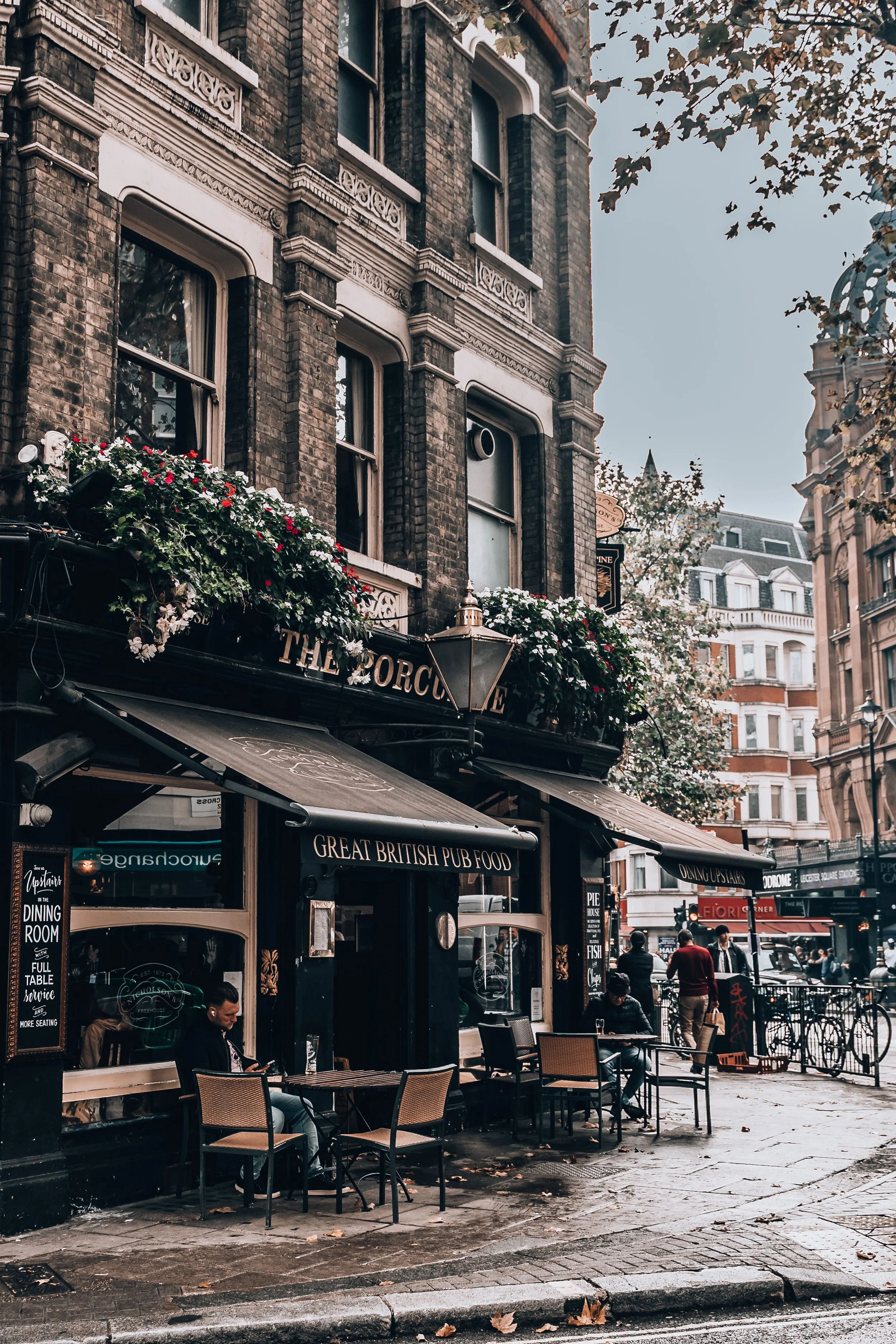
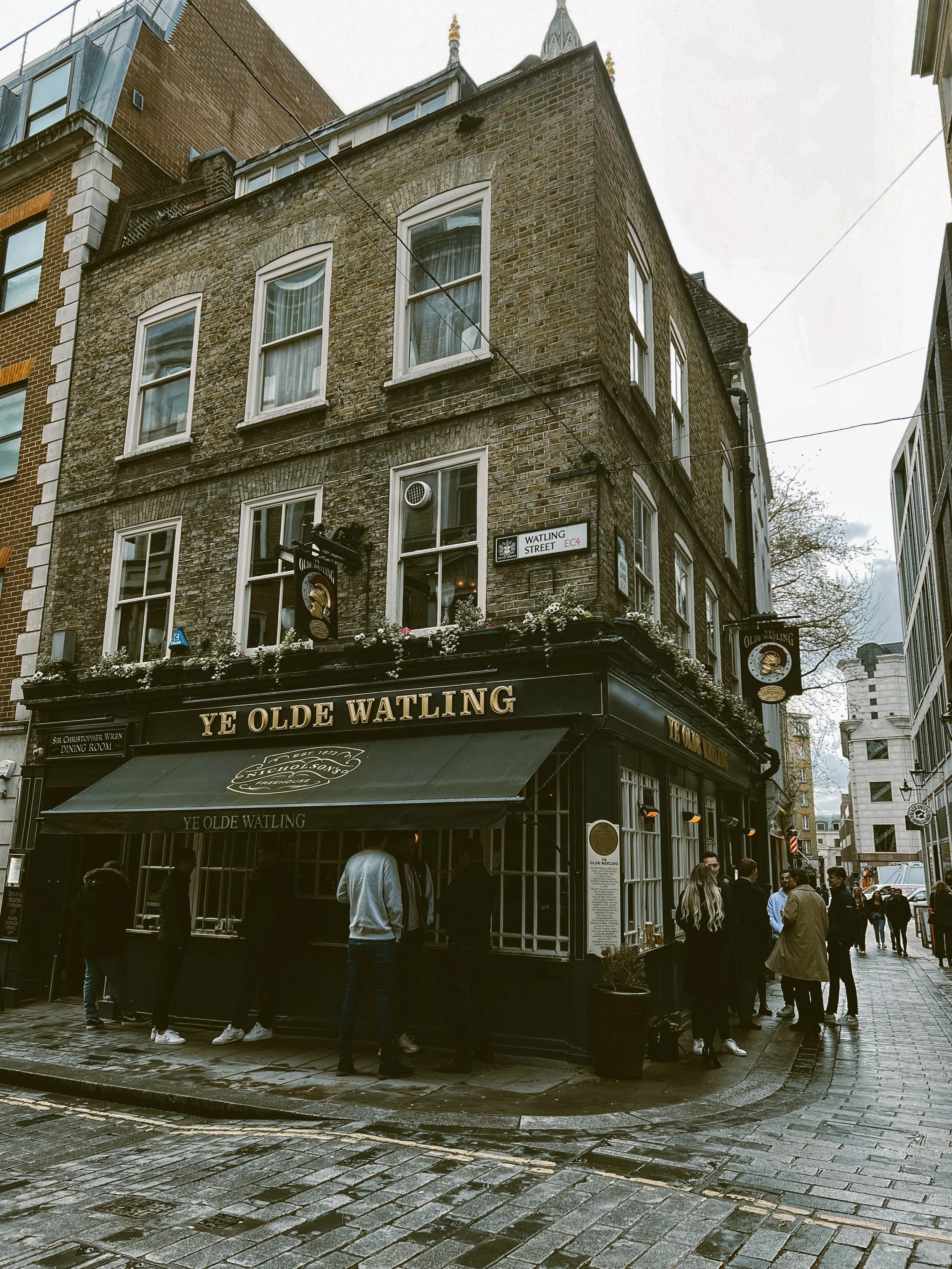
The pub resists easy explanation, because what happens there has surprisingly little to do with what’s in the glass. It's the closest thing this country has to a national living room — a place with no membership, no dress code beyond "not offensive," where a stranger can sit at the bar next to a regular of forty years and both leave feeling like they belong there. Class barriers that hold firm everywhere else in British life get noticeably wobblier once everyone's holding the same pint of bitter.
The word itself is short for "public house" — a house, open to the public, which is a more honest description than "bar" ever managed. Some of these buildings have been serving drink since before the word "England" meant quite what it means now, through plague, fire, and two world wars, without ever really changing what they're for.
What's easy to miss, walking in for the first time, is how little ceremony is involved. You order at the bar, not from a server — waiting to be seated is, in most pubs, a foreign concept. There's no last call bell to rush you, no requirement to eat, no minimum spend to justify a table by the fire.
A pub survives entirely on the assumption that people will simply want to stay — for one pint or four, for twenty minutes between trains or an entire wet Sunday afternoon — and for the most part, they're right.
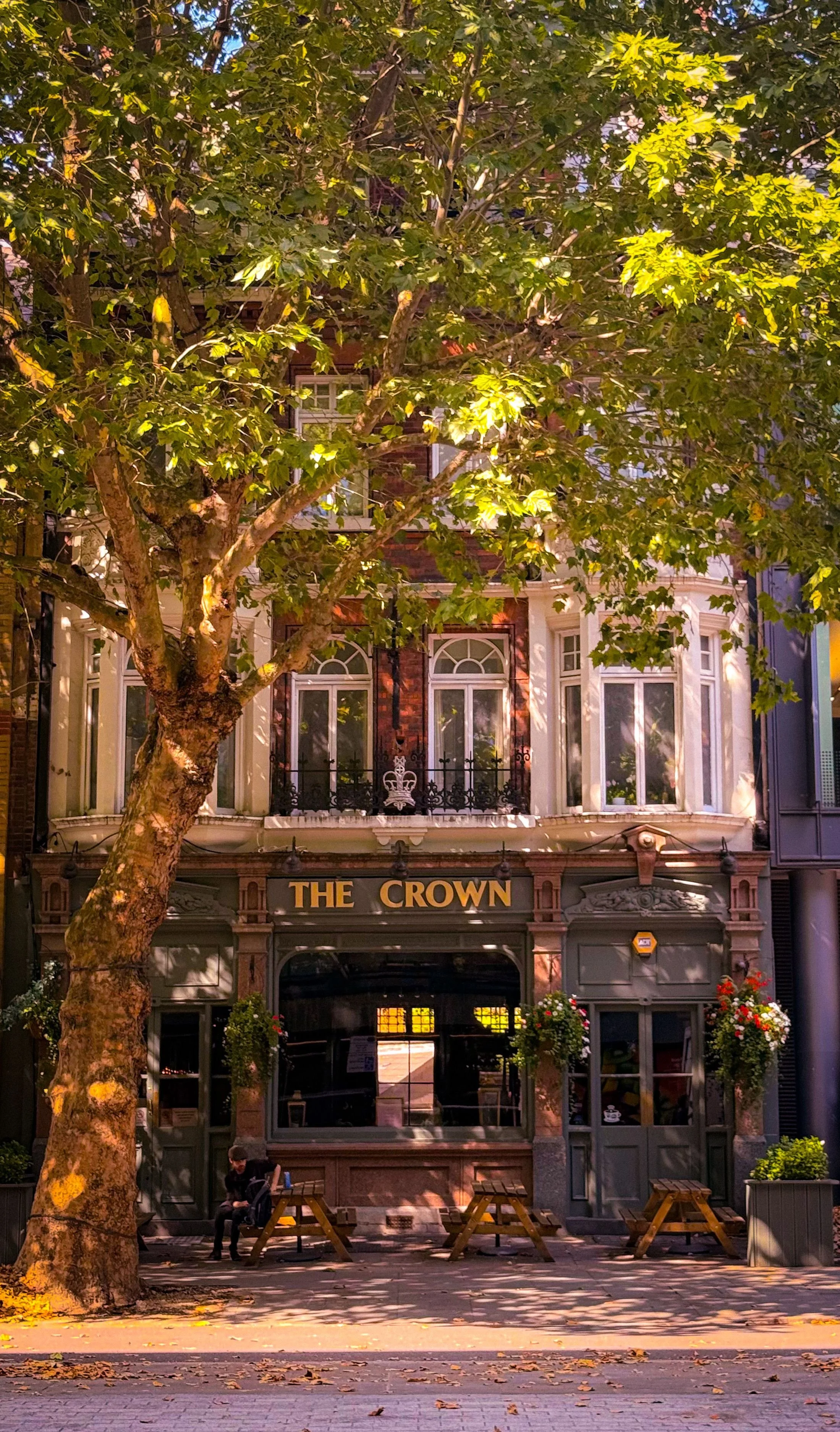
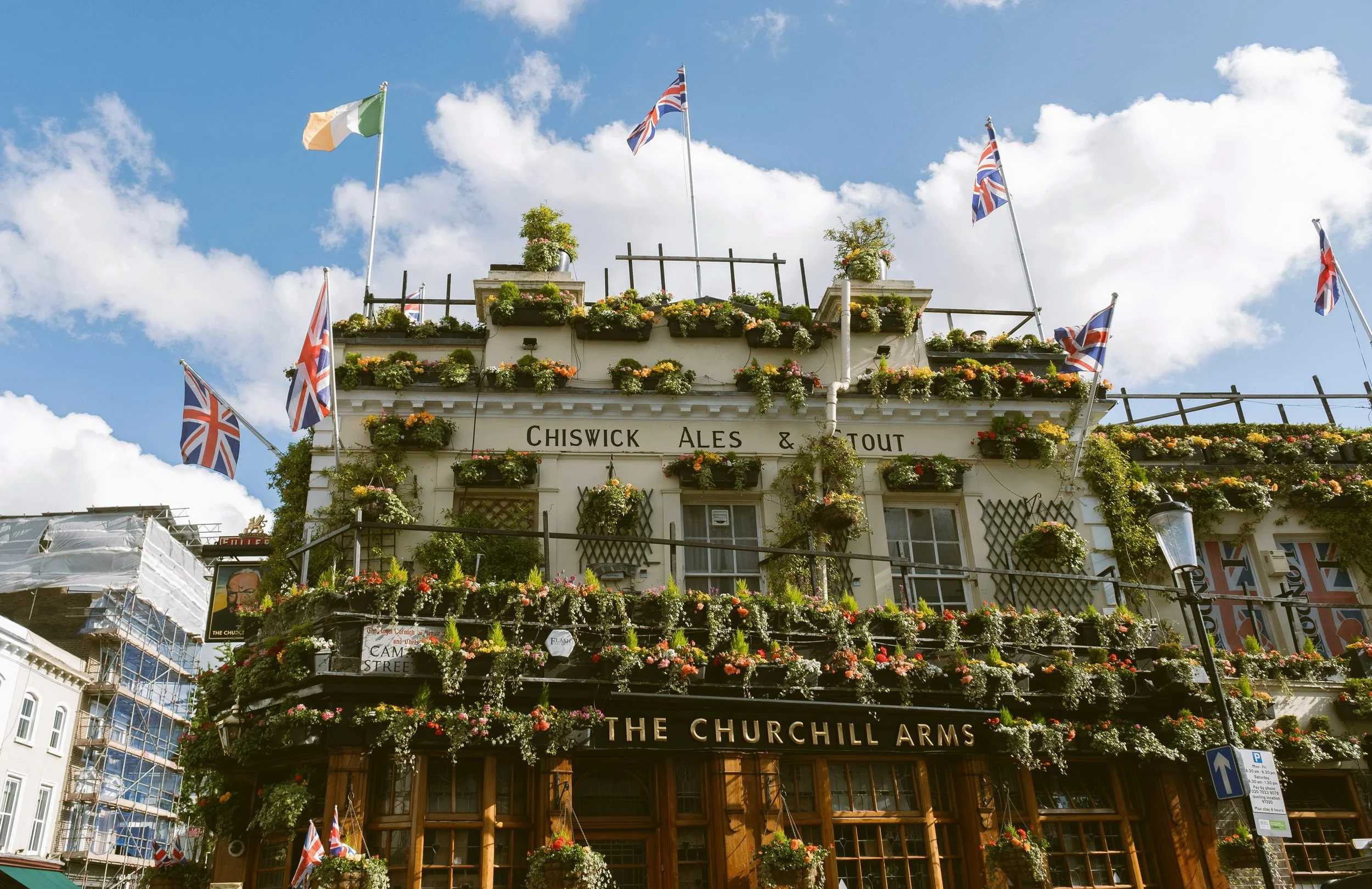
Most pub names started as pictures, not words. When literacy was rare, drinkers were told which sign to look for — a red lion, a white hart, a lamb and flag — not which word to read. Over centuries, the sign became the name itself, leaving England's pubs as a kind of miniature heraldic archaeology.
What follows isn't a ranking of the fanciest interiors or the best-pulled pint, though several of these do that too. It's seven places that explain, better than any museum could, what several centuries of ordinary British life actually looked like on a Tuesday evening.
THE GEORGE INN - 75 Borough High St, London SE1 1NH - SOUTHWARK
London's last surviving galleried coaching inn, rebuilt after a 1676 fire and mentioned by Dickens himself. Owned by the National Trust, its wooden balconies still overlook the same courtyard where mail coaches once loaded.
YE OLDE CHESHIRE CHEESE - 145 Fleet St, London EC4A 2BU - FLEET STREET
Rebuilt the year after the Great Fire of 1666, a maze of dim, wood-paneled rooms that supposedly counted Dickens, Dr. Johnson and Mark Twain among its patrons. A stuffed parrot named Polly, dead since 1926, still watches from behind the bar.
THE PROSPECT OF WHITBY - 57 Wapping Wall, London E1W 3SH - WAPPING
Generally considered London's oldest riverside pub, dating to 1520, once nicknamed the Devil's Tavern for the smugglers and thieves who drank there. A hangman's noose still hangs by the water as a nod to the gallows once stationed outside.
YE OLDE MITRE - 1 Ely Ct, Ely Pl, London EC1N 6SJ - HOLBORN
So well hidden down a narrow alley that most Londoners have never found it — built on land once owned by the Bishops of Ely, which is why regulars still swear it's technically Cambridgeshire (it isn't). A fragment of the cherry tree Elizabeth I supposedly danced around still stands inside.
THE LAMB & FLAG - 33 Rose St, London WC2E 9EB - COVENT GARDEN
Once nicknamed the "Bucket of Blood" for the bare-knuckle fights held in the alley outside. Poet John Dryden was nearly beaten to death here in 1679 — the upstairs room still bears his name.
THE SPANIARDS INN - Spaniards Rd, London NW3 7JJ - HAMPSTEAD
Perched at the edge of Hampstead Heath since 1585, wrapped in legend involving the highwayman Dick Turpin and a visit from Keats. Still one of the few London pubs with a proper garden to disappear into.
THE MAYFLOWER - 117 Rotherhithe St, London SE16 4NF - ROTHERHITHE
Named for the ship that moored here before setting sail for the New World in 1620. A small license lets it sell both British and American stamps — one of the only pubs in the country that can.
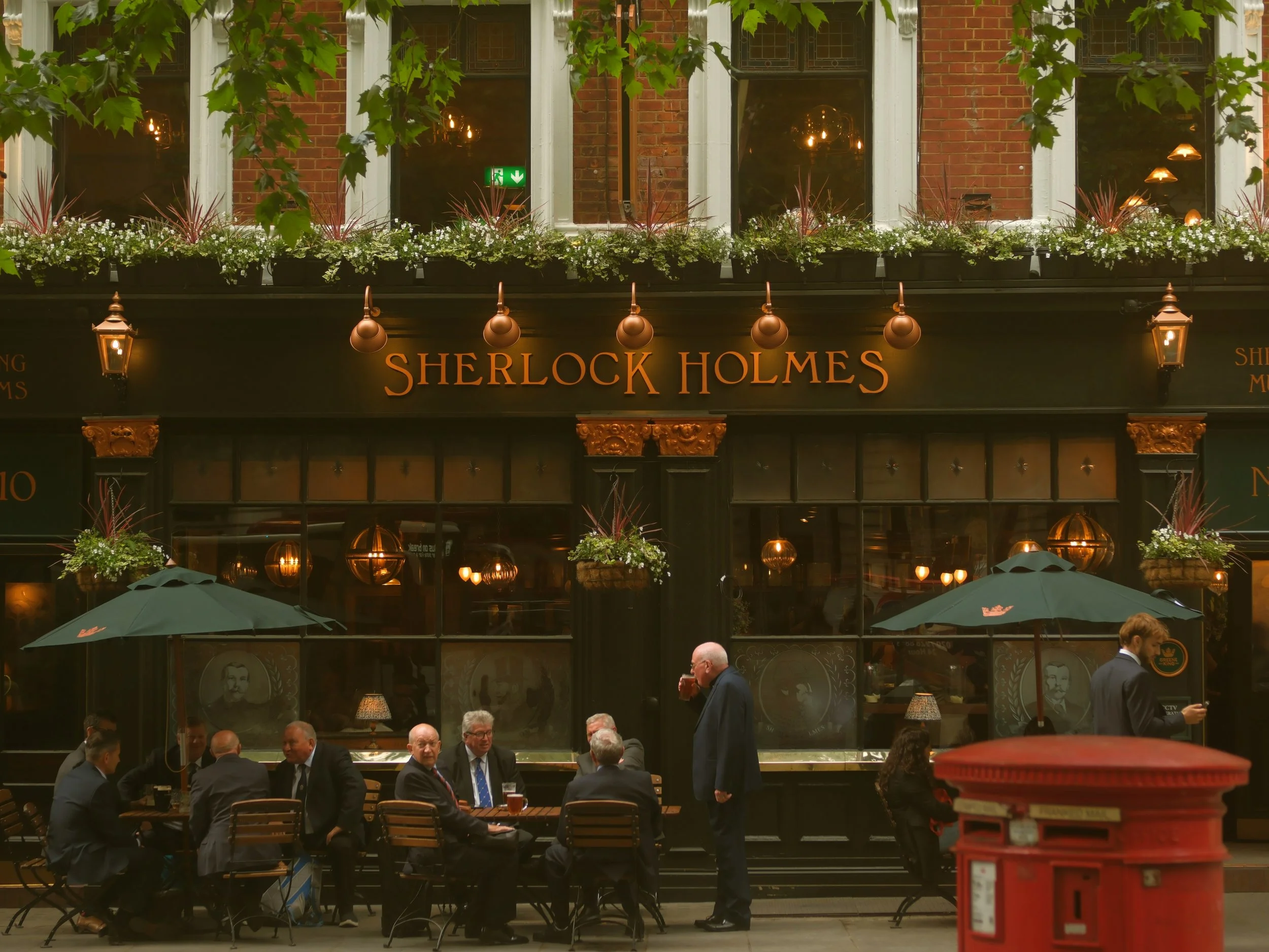
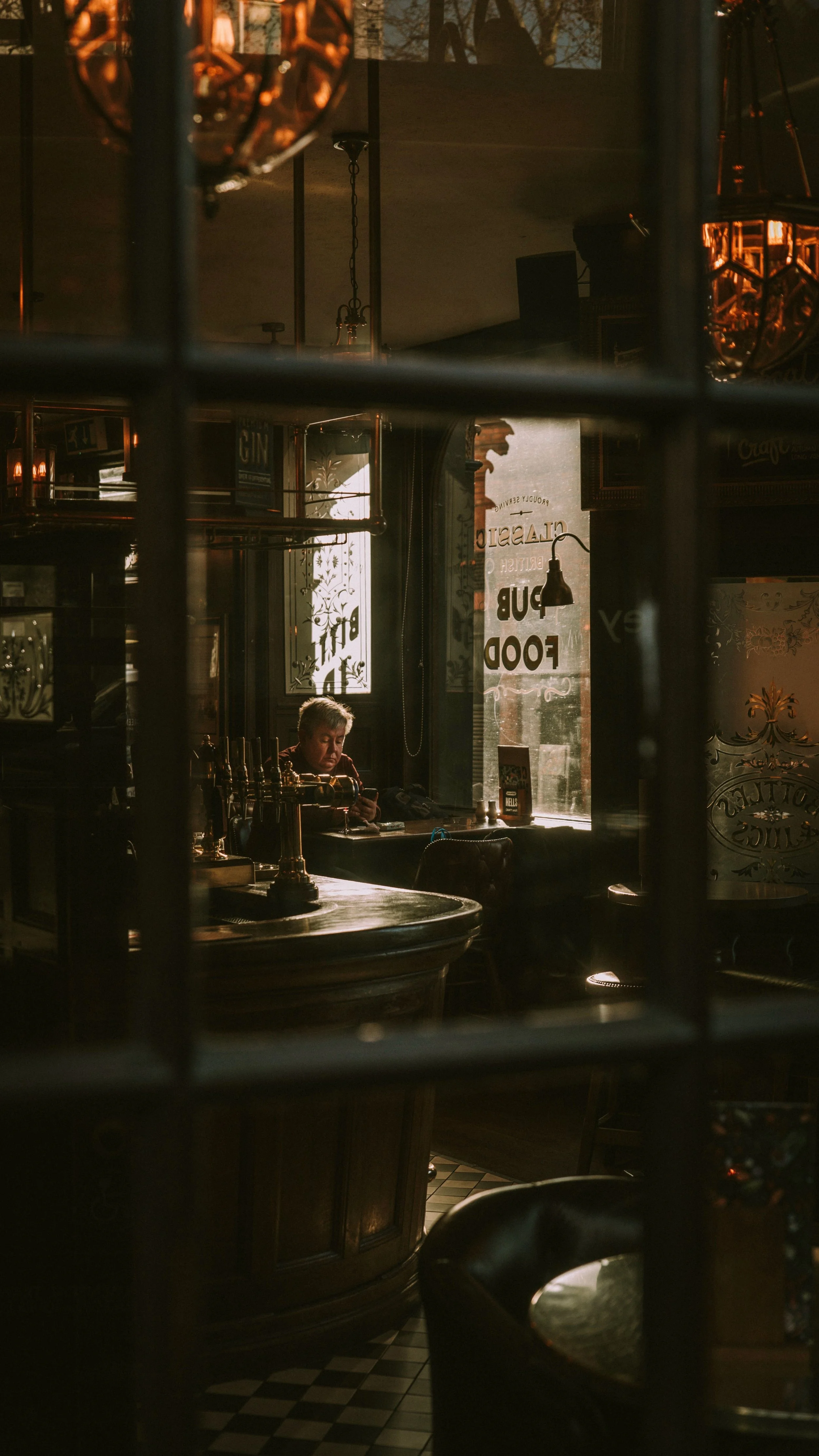
CLASSIC PUB FOOD
Ask what British food actually is, stripped of trend and pretension, and the honest answer is usually found on a pub menu — these three dishes, more than any other, have earned the right to be called classics.
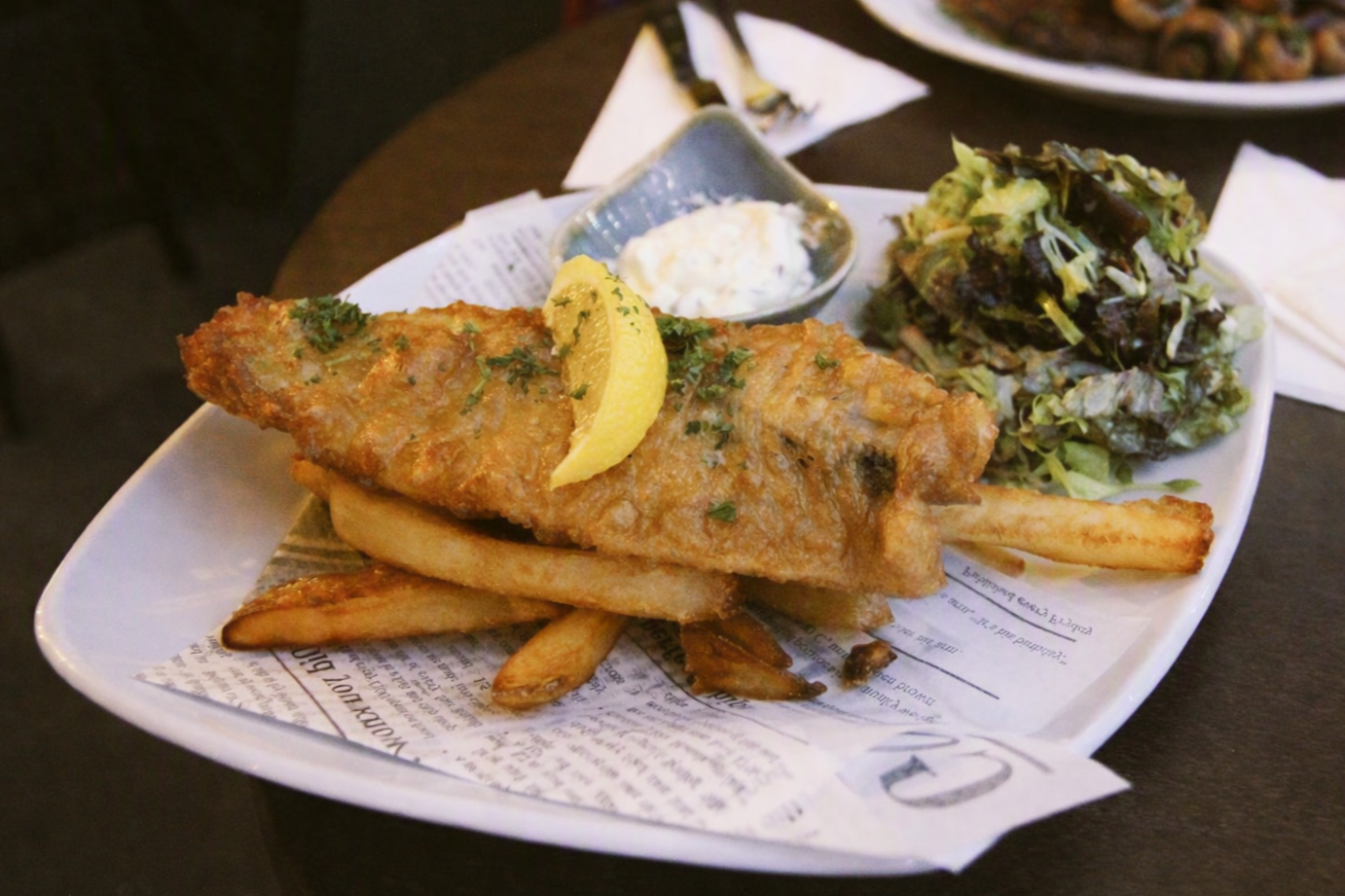
FISH & CHIPS
Battered and deep-fried, served with mushy peas and a splash of malt vinegar — still the dish most pub kitchens are quietly judged on, whether they admit it or not.
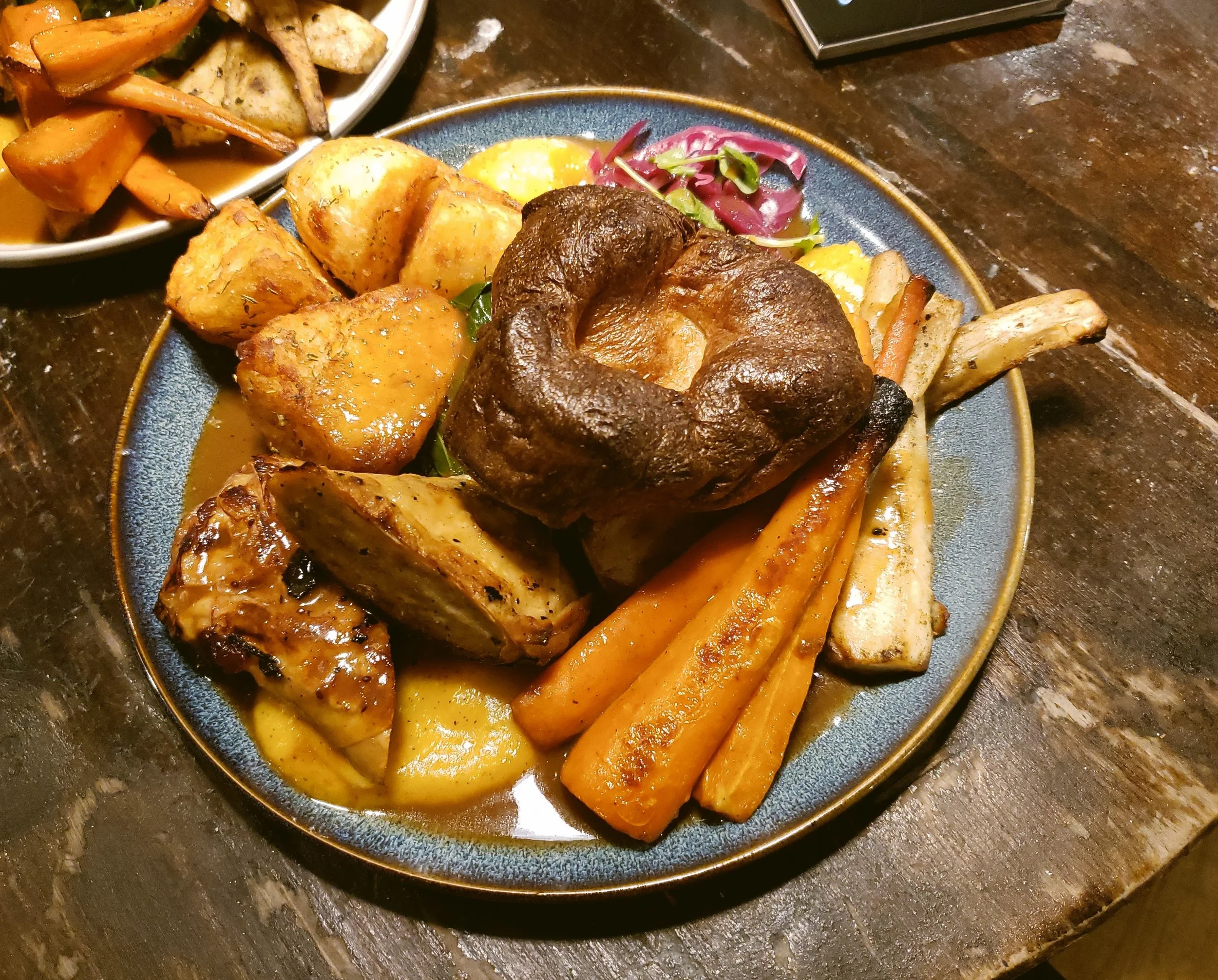
SUNDAY ROAST
Roast meat, potatoes gone crisp at the edges, a Yorkshire pudding somehow both crunchy and soft, all drowned in gravy. A weekly ritual so sacred that most pubs stop serving anything else by mid-afternoon.
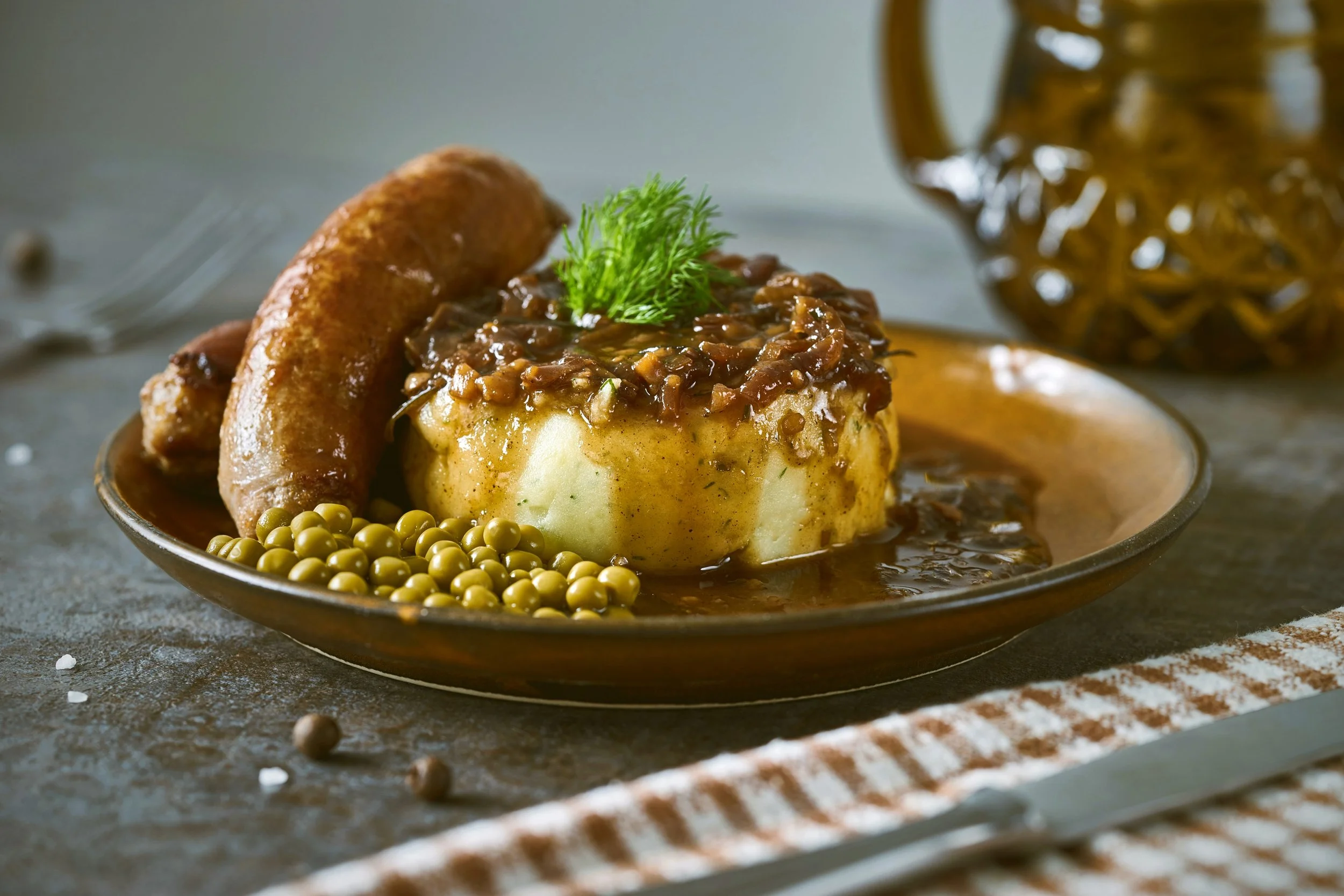
BANGERS & MASH
Sausages and mashed potato, smothered in onion gravy — about as unshowy as British cooking gets, and precisely why it's stayed on pub menus for over a century without needing to change a thing.
BOOK A HISTORIC LONDON PUB TOUR
Cobbled alleys, low doorways, a few pubs Dickens actually drank in — worth seeing in one go.
[Find tickets →]