THE BOSPHORUS
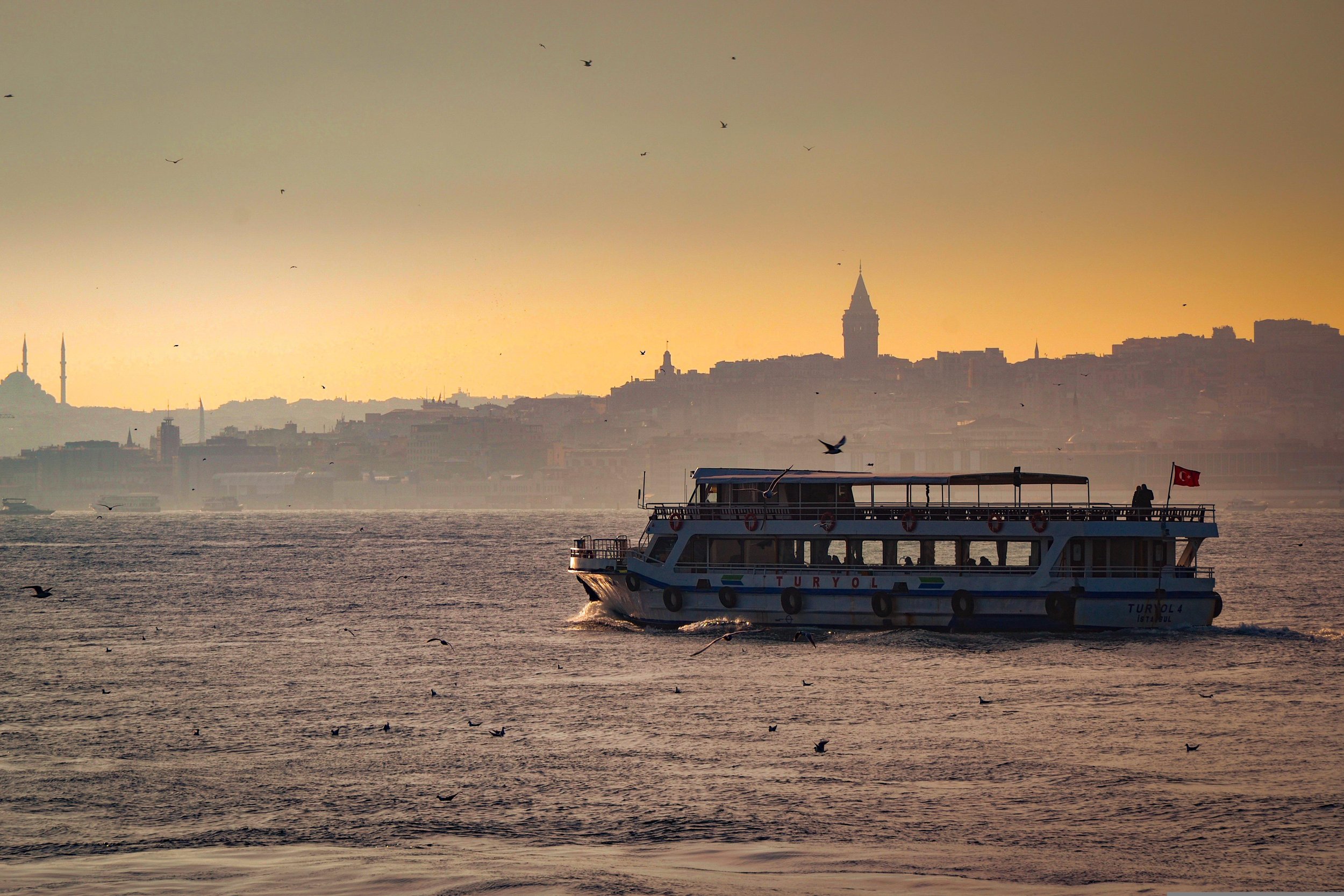
Technically it's a strait, not a river — 31 kilometers connecting the Black Sea to the Sea of Marmara, narrow enough at one point that a strong swimmer has crossed it. But nobody in Istanbul talks about it like a geography lesson. They talk about which ferry to take, which village has the better fish restaurant, whether the crossing gets choppy in a north wind. Ships have used it for war and trade since before anyone thought to name the continents on either side; now it mostly carries commuters, fish, and an unreasonable number of tourist boats blasting the same three songs.
You don't "do" the Bosphorus the way you do a museum. You ride it, or you watch it from a tea garden, and either way it keeps working on you the whole time — palaces on one bank, wooden mansions leaning into the water on the other, a lighthouse-sized tower in the middle with a legend nobody quite agrees on. This is the water that decided where the city could grow, which villages stayed fishing villages and which turned into the address every Istanbullu wishes they could afford. Start here before anywhere else. Everything downstream makes more sense once you've seen it from the water.
RIDING THE STRAIT
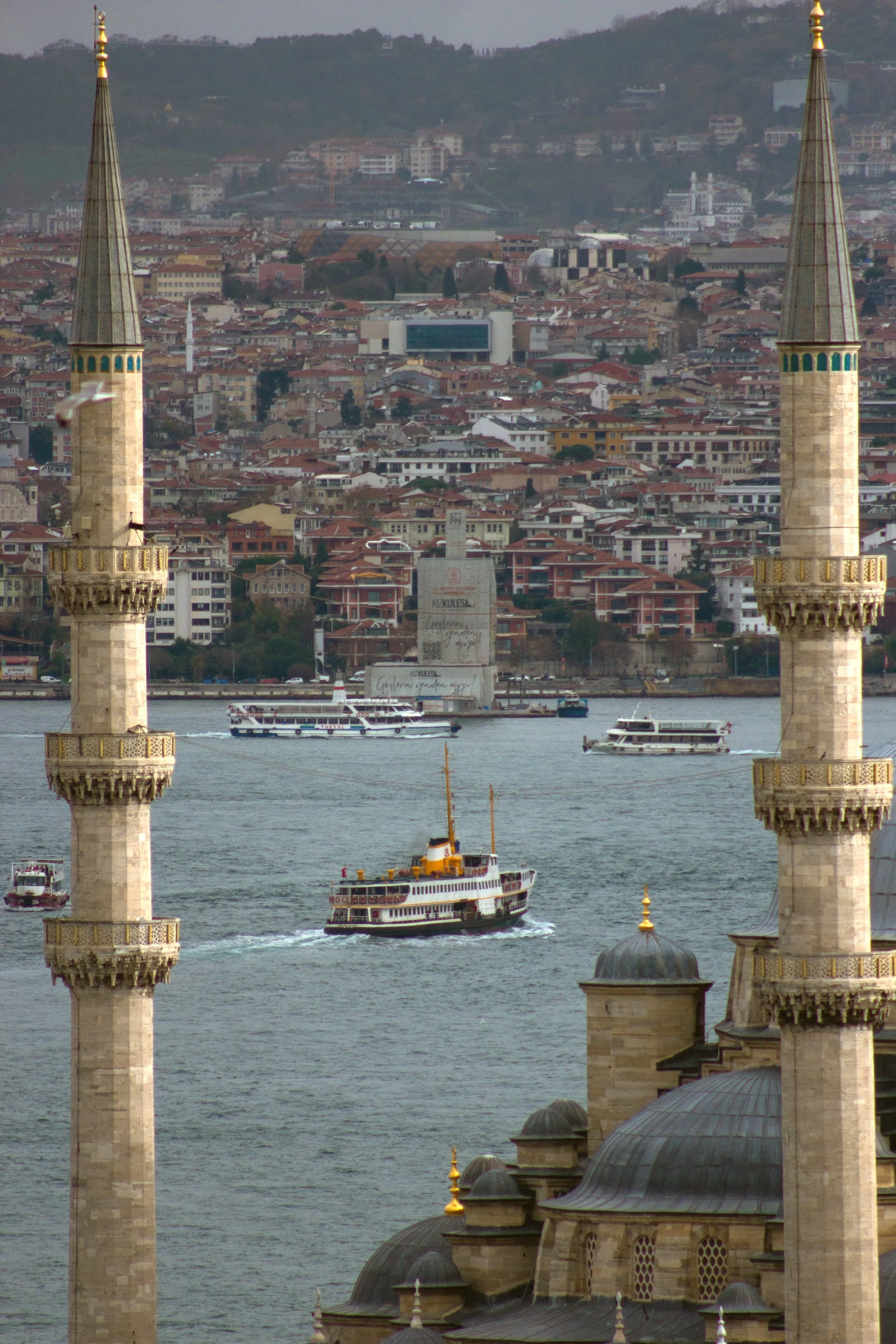
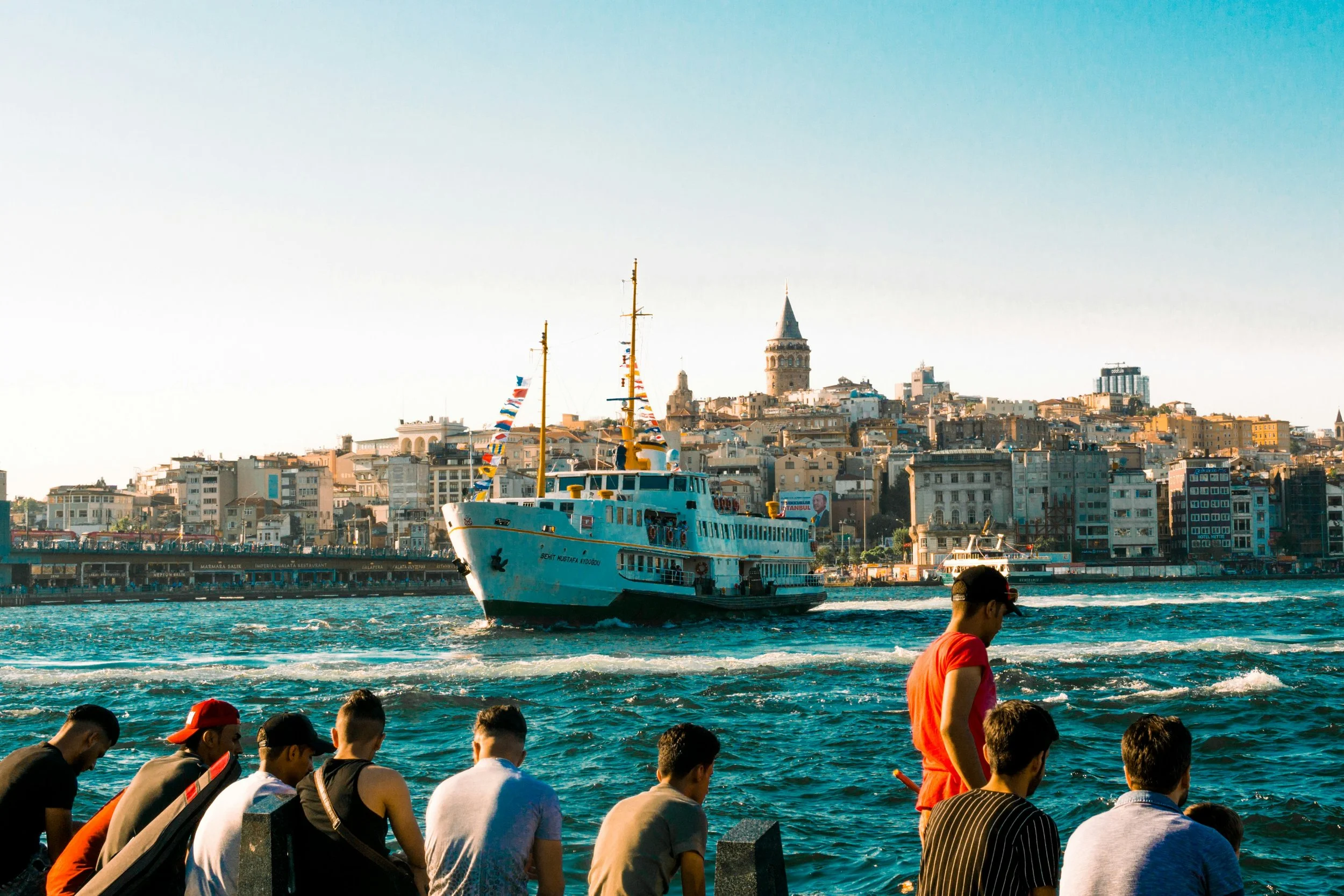
There are two honest ways to do this, and which one you pick says more about your trip than you'd think. The Şehir Hatları public ferry from Eminönü is what actual Istanbullus take — wooden benches, no commentary, tea from a cart, and a fare that costs less than your coffee this morning. The short loop runs about two hours; the long one goes all the way to Anadolu Kavağı near the Black Sea and back, with a break ashore.
If you want golden hour timed right, a guide naming every palace as it passes, and a seat that isn't a bench, book a private sunset or dinner cruise instead — several times the price, and worth it if photos and storytelling matter more to you than saving money.
What to actually avoid: the men on the docks near Sultanahmet offering a "free" Bosphorus tour. It isn't free, and it ends at a carpet shop. Walk past them toward the official pier.
KIZ KULESİ
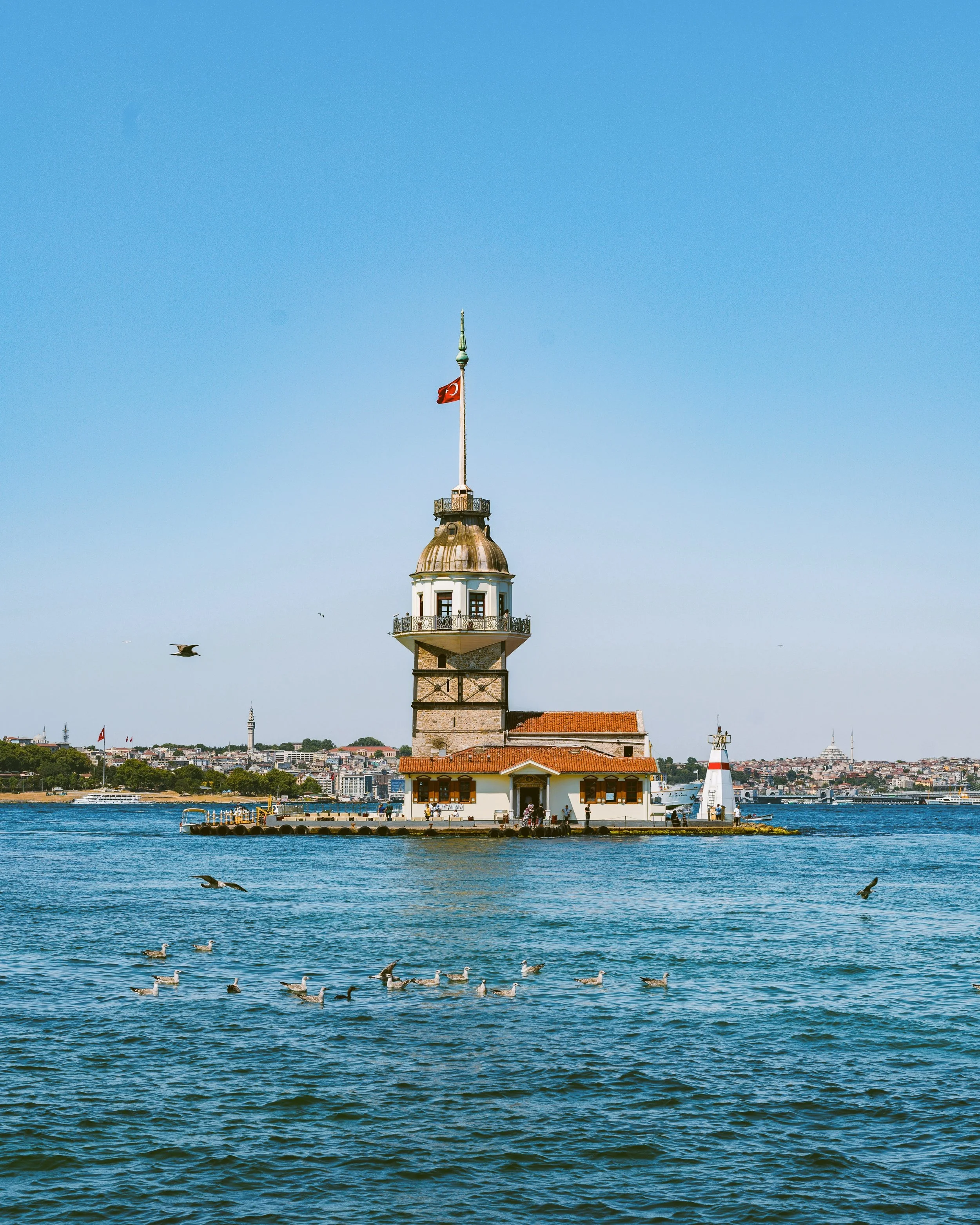
Just off the Asian shore, close enough to Üsküdar that it barely counts as an island, sits a small stone tower with more endings than a single story should have. The version most Istanbullus tell first: an emperor, warned his daughter would die from a snakebite, locked her away here to outrun the prophecy. A snake reached her anyway, hidden inside a basket of fruit.
European travelers later grafted on a different myth entirely — Hero and Leander, the priestess and the swimmer who drowned reaching for her light — and the name Leander's Tower stuck for a while in guidebooks that never quite let go of Greek mythology.
Neither story is true, probably. Both keep getting told anyway, which might be the more interesting fact.
DOLMABAHÇE palace
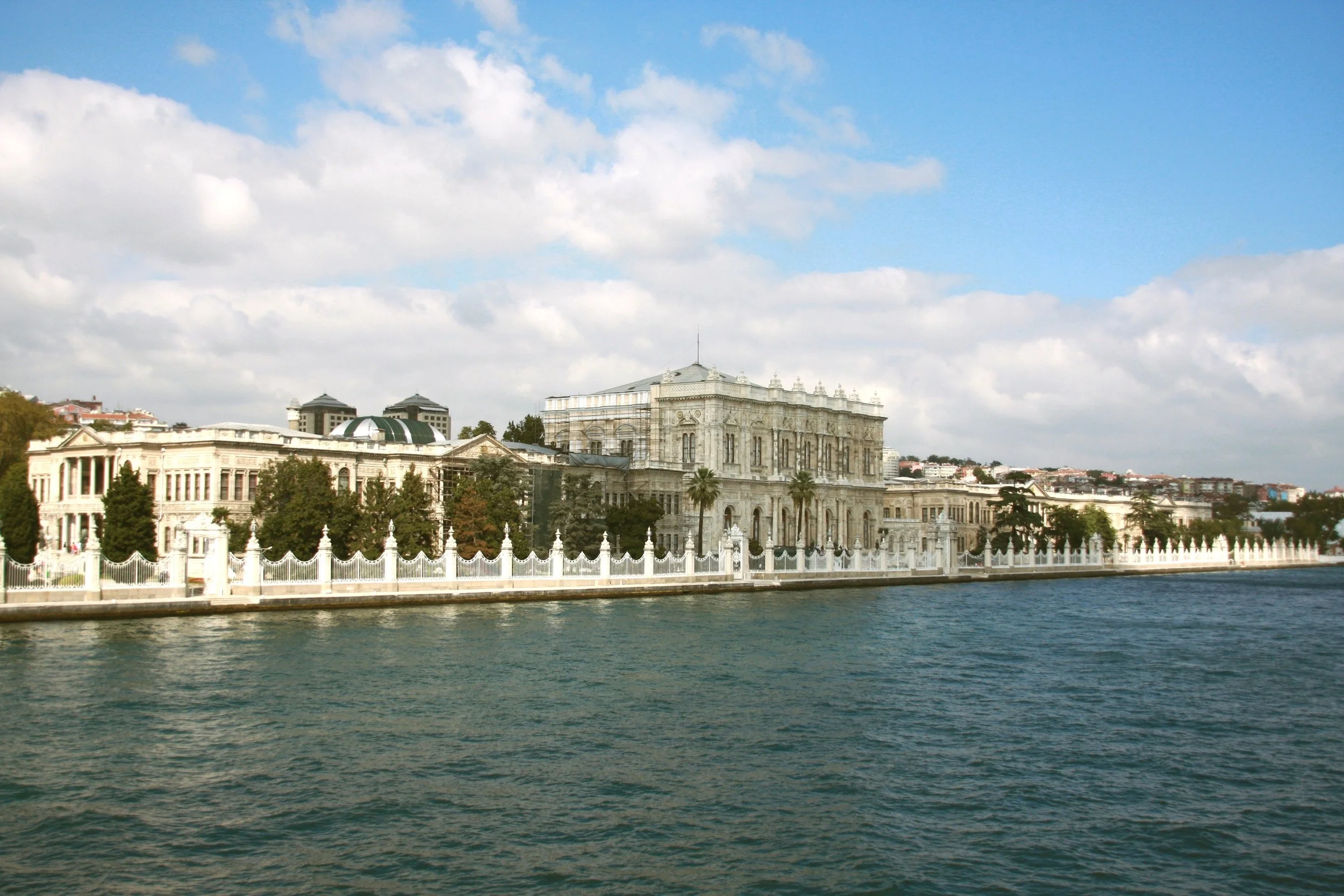
By the 1850s, Topkapı must have felt like living above the shop. Sultan Abdülmecid I wanted something that looked less Ottoman and more European — so he built a 285-room palace on the Bosphorus with Baroque staircases, gold leaf on nearly every ceiling, and a crystal chandelier weighing four and a half tons — long believed to be a gift from Queen Victoria, though the archives show the sultan paid for it — still the largest of its kind in the world.
The palace's other claim to fame is grimmer: Atatürk died here on 10 November 1938, and the clock in the room where he died is still stopped at 9:05, the exact minute. Guided tours are compulsory and slow-moving — go early, or the ceremonial hall alone will eat your whole morning.
VILLAGES & YALIS
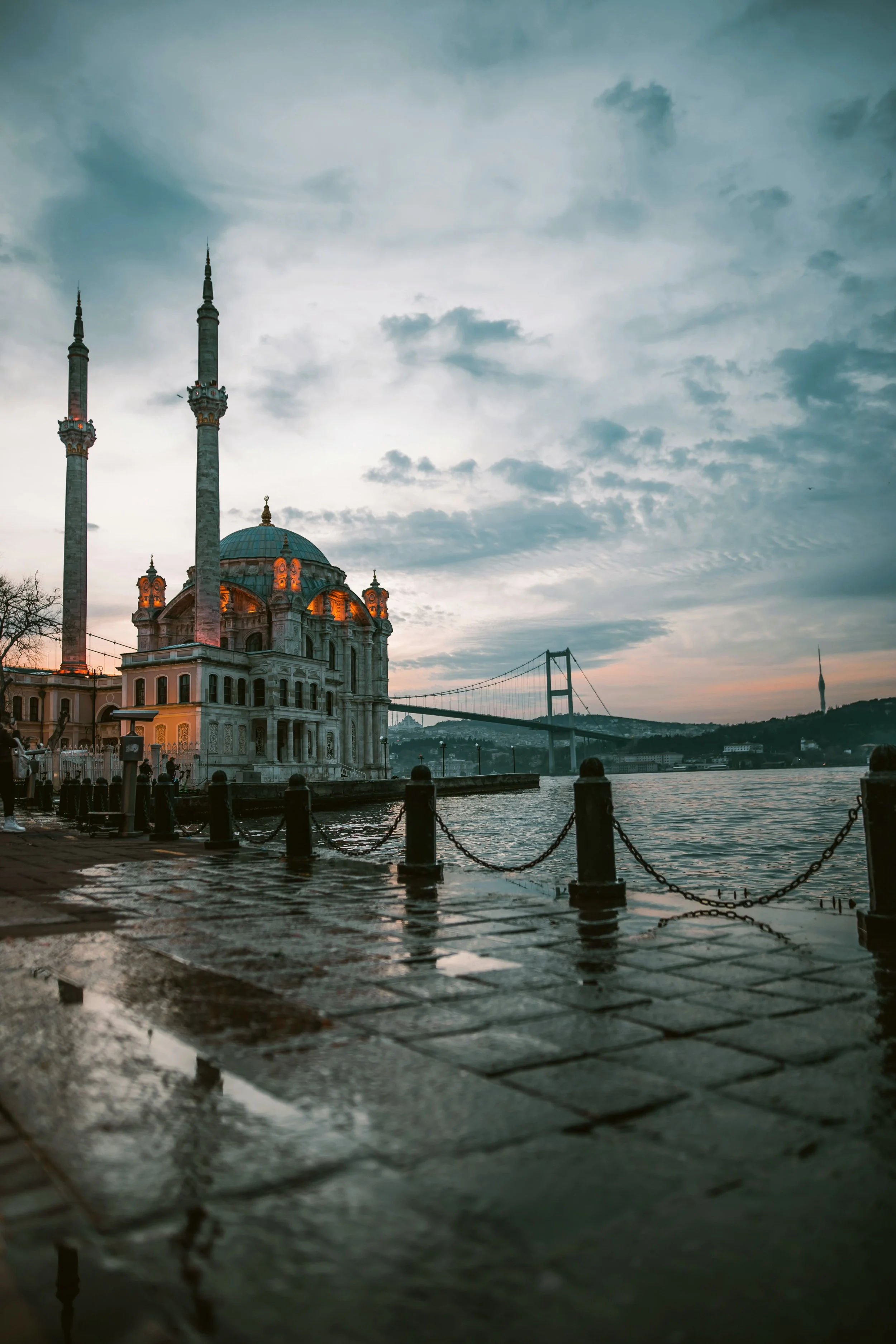
Between the two bridges, the Bosphorus stops being a monument and starts being a neighborhood. Ortaköy comes first — a small waterfront square, a mosque and a synagogue and a church within a few hundred meters of each other, and a stall selling kumpir, the stuffed baked potato locals actually queue for.
Keep going and the road turns into Arnavutköy, wooden Ottoman yalıs (mansions) leaning shoulder to shoulder along the shore, their facades carved by families who've owned them for generations. Bebek follows — glossier, more expensive, cafés full of people who look like they never left. This stretch is where the real estate gets absurd and nobody pretends otherwise.
The walk ends, or the ferry does, beneath Rumeli Hisarı — the fortress Mehmed II built in four months to choke off Byzantine supply lines before he took Constantinople. From its walls, the whole strait you've just followed lays itself out below you, villages and water and the two continents that never quite let go of each other.
BOOK A BOSPHORUS CRUISE
If you'd rather skip the public ferry's fixed schedule and no-commentary ride, several certified operators run sunset and dinner cruises with English narration, on-board food, and hotel pickup — typically 2-4 hours, from Kabataş or Karaköy piers. Mega Lüfer, one of the longer-running operators, runs both sunset and full dinner cruises with live music and Safe Tourism certification. Prices and schedules shift seasonally — confirm before booking.
Book a Bosphorus Sunset Cruise ↗
via Viator