OLD ISTANBUL MOSQUES
Two of the world's most photographed skylines sit within five minutes' walk of each other, and neither photograph tells you which building came first, which one is Christian in disguise, or which one just switched jobs. Sultanahmet — the square wedged between Hagia Sophia and the Blue Mosque — has spent fifteen centuries as Istanbul's spiritual center of gravity, first for Byzantium, then for the Ottomans, and it still hasn't clocked off. Hagia Sophia, in particular, changed status again in 2020 — it's a working mosque now, not the museum most guidebooks still describe.
A ten-minute taxi ride away, on the hill above the Grand Bazaar, a third mosque gets a fraction of the visitors and, frankly, deserves better: Süleymaniye, built by the empire's greatest architect for its greatest sultan, with a terrace that quietly outclasses every rooftop bar in town. None of these are museums you tick off — they're active mosques, closed to visitors five times a day, which is inconvenient right up until you realize it's the reason they still feel real. Here's how to see all three properly, and why the order matters.
Hagia sophia
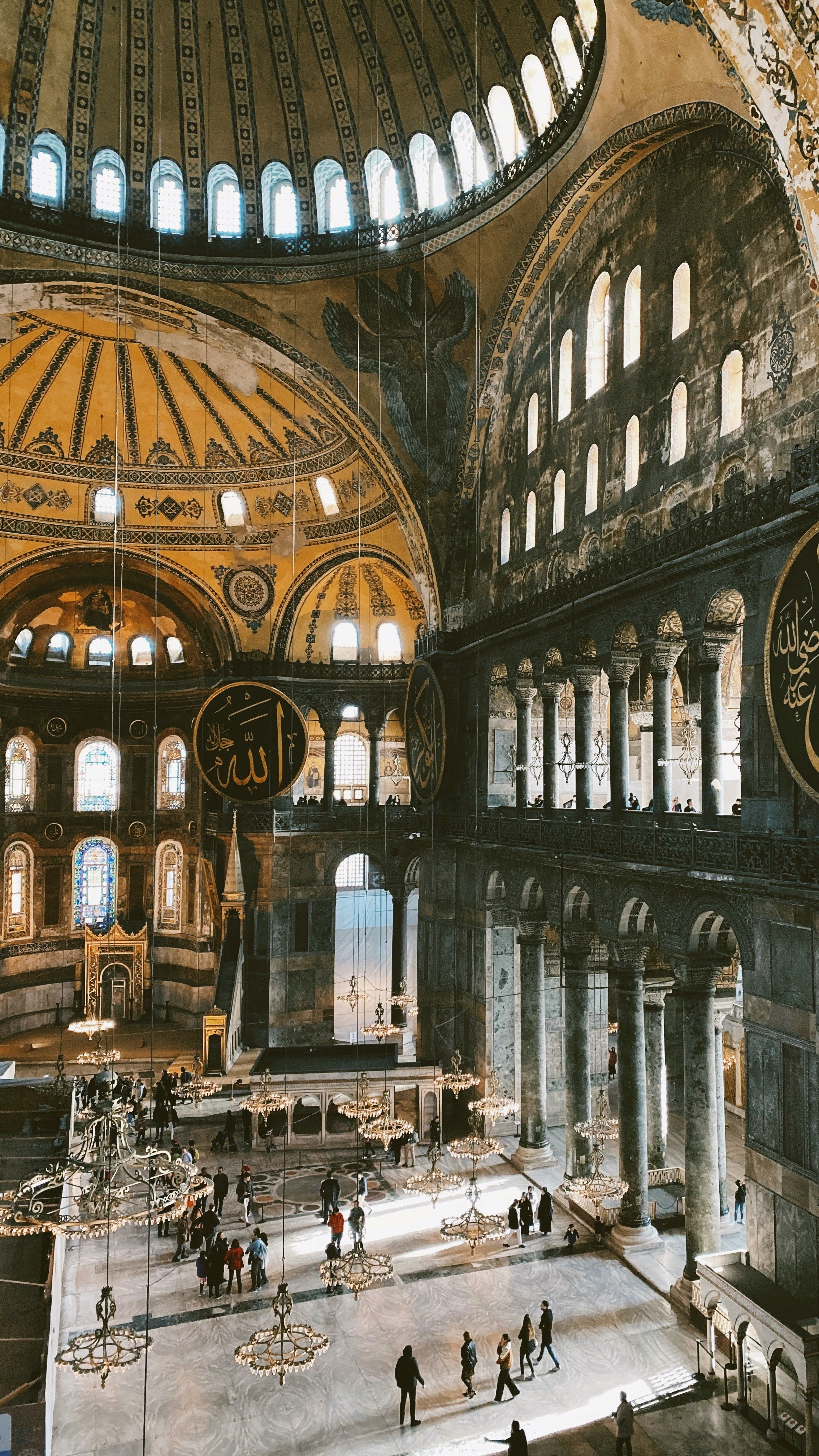
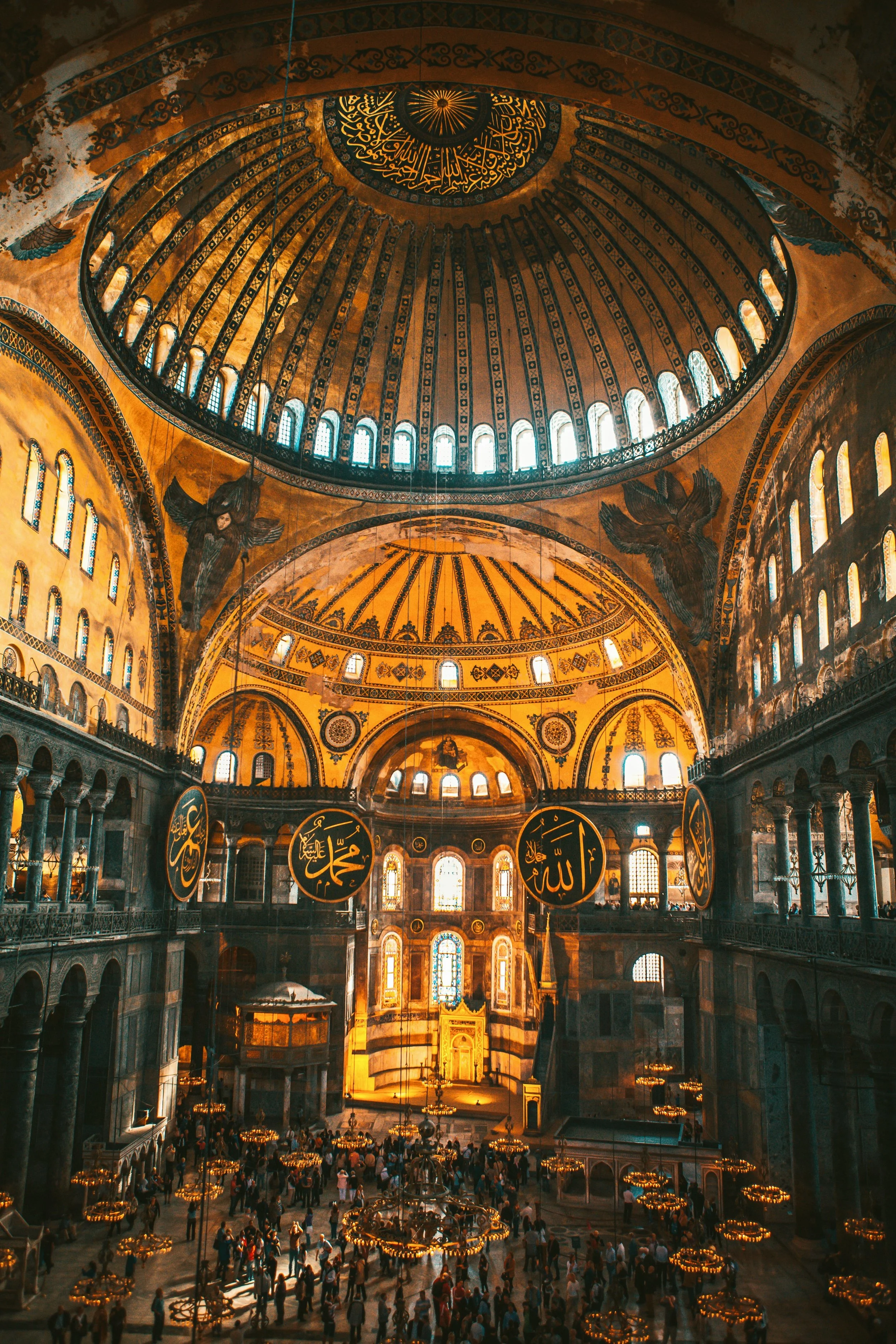
Hagia Sophia opened in 537 as the largest cathedral on Earth, a title it held for centuries. The Ottomans converted it into a mosque in 1453; the Turkish republic made it a museum in 1935; in 2020 it became a mosque again — a change many guides still haven't caught up with.
Since January 2024, that status also comes with a ticket: foreign visitors pay €25 for a dedicated route through the upper galleries, while the ground floor stays reserved for worship. Book online to skip the counter queue, and avoid Friday around midday, when the building closes to tourists for prayer. The upside: the gallery route looks straight down into the nave, where gold mosaics of Christ and Byzantine empresses share wall space with vast Arabic calligraphy roundels.
the blue mosque
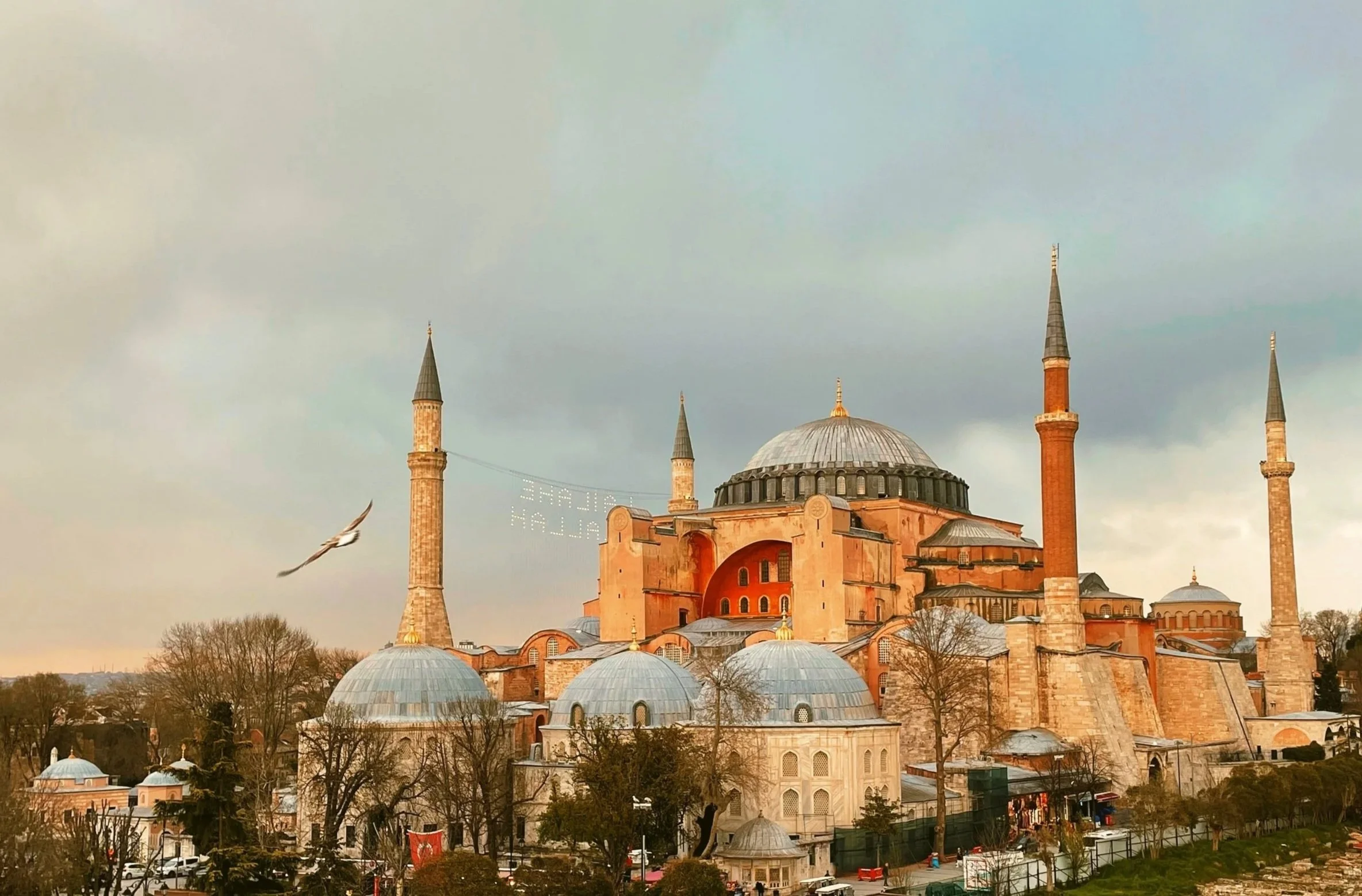
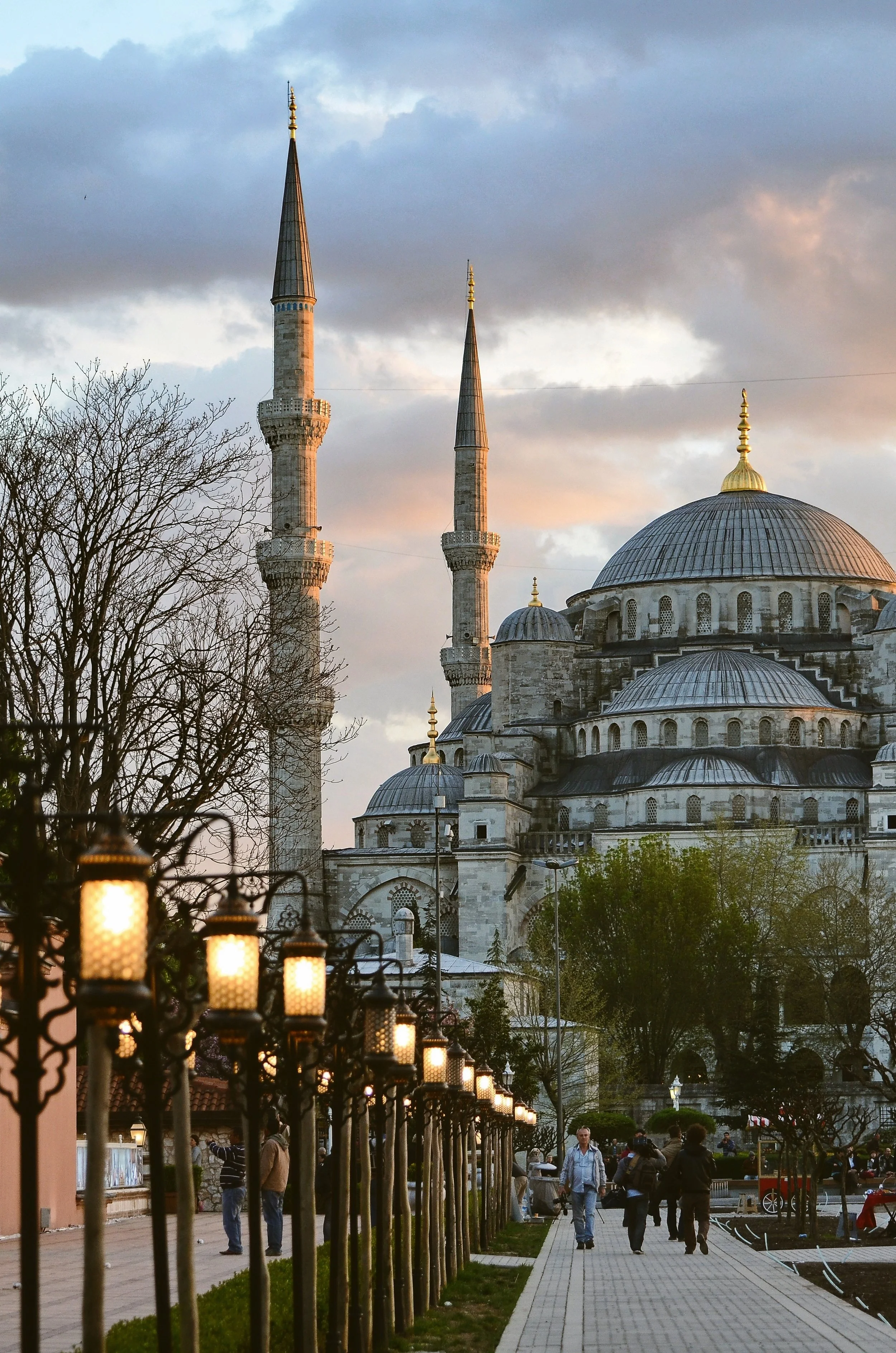
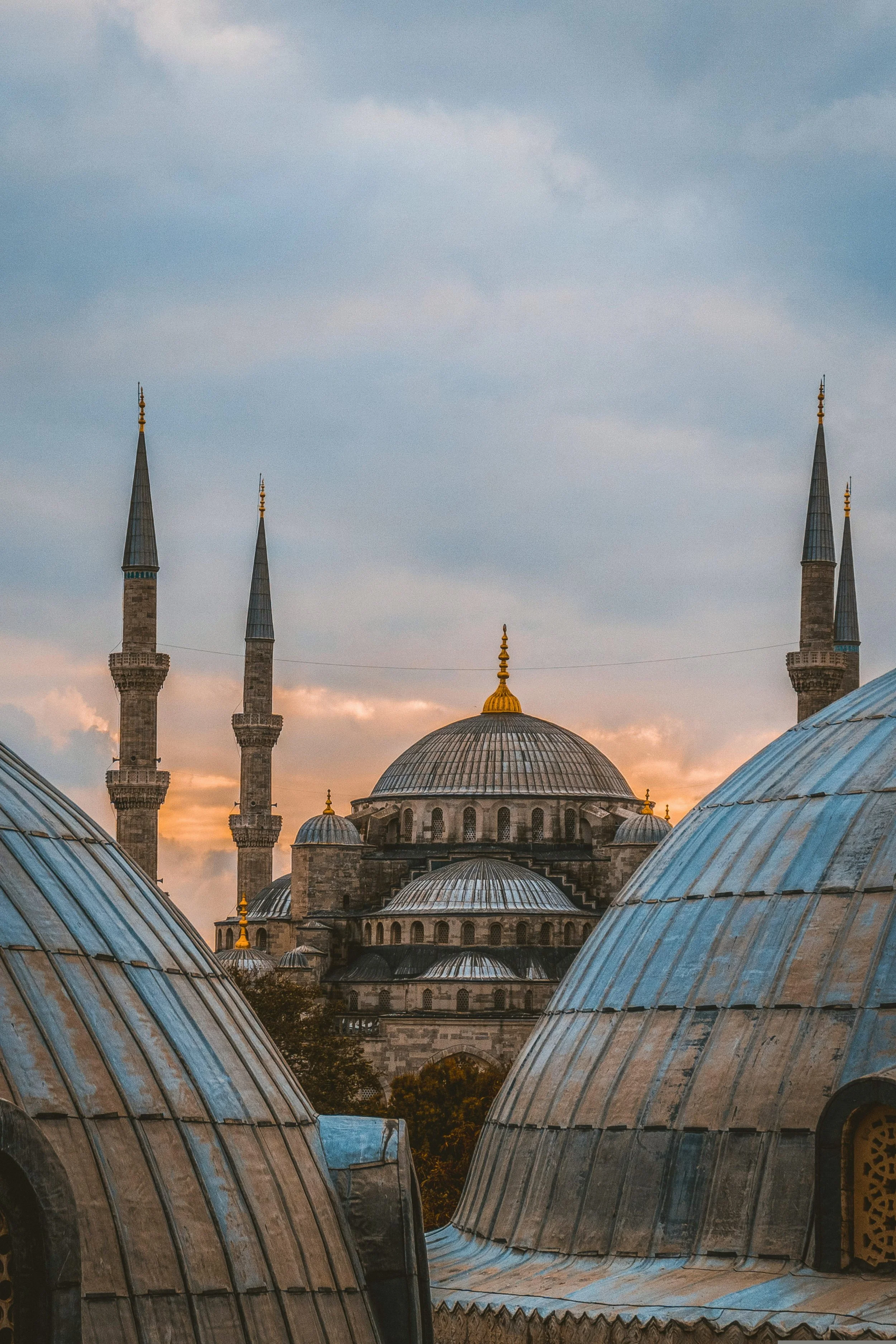
Sultan Ahmed I built this mosque between 1609 and 1616 to out-do Hagia Sophia across the square — and nearly caused a diplomatic incident doing it. Giving it six minarets matched the count at Mecca's Grand Mosque, until an extra one was hastily added there to keep the hierarchy straight. Inside, more than 20,000 handmade İznik tiles give the mosque its English nickname; locals call it Sultan Ahmed Camii.
Like Hagia Sophia, it closes briefly five times daily for prayer, with Friday midday off-limits entirely. Entry is free, modest dress is required, and headscarves are handed out at the door. Arrive right after the dawn prayer and the courtyard is close to empty — a very different mosque than the one in the afternoon selfie queue.
SÜLEYMANİYE MOSQUE
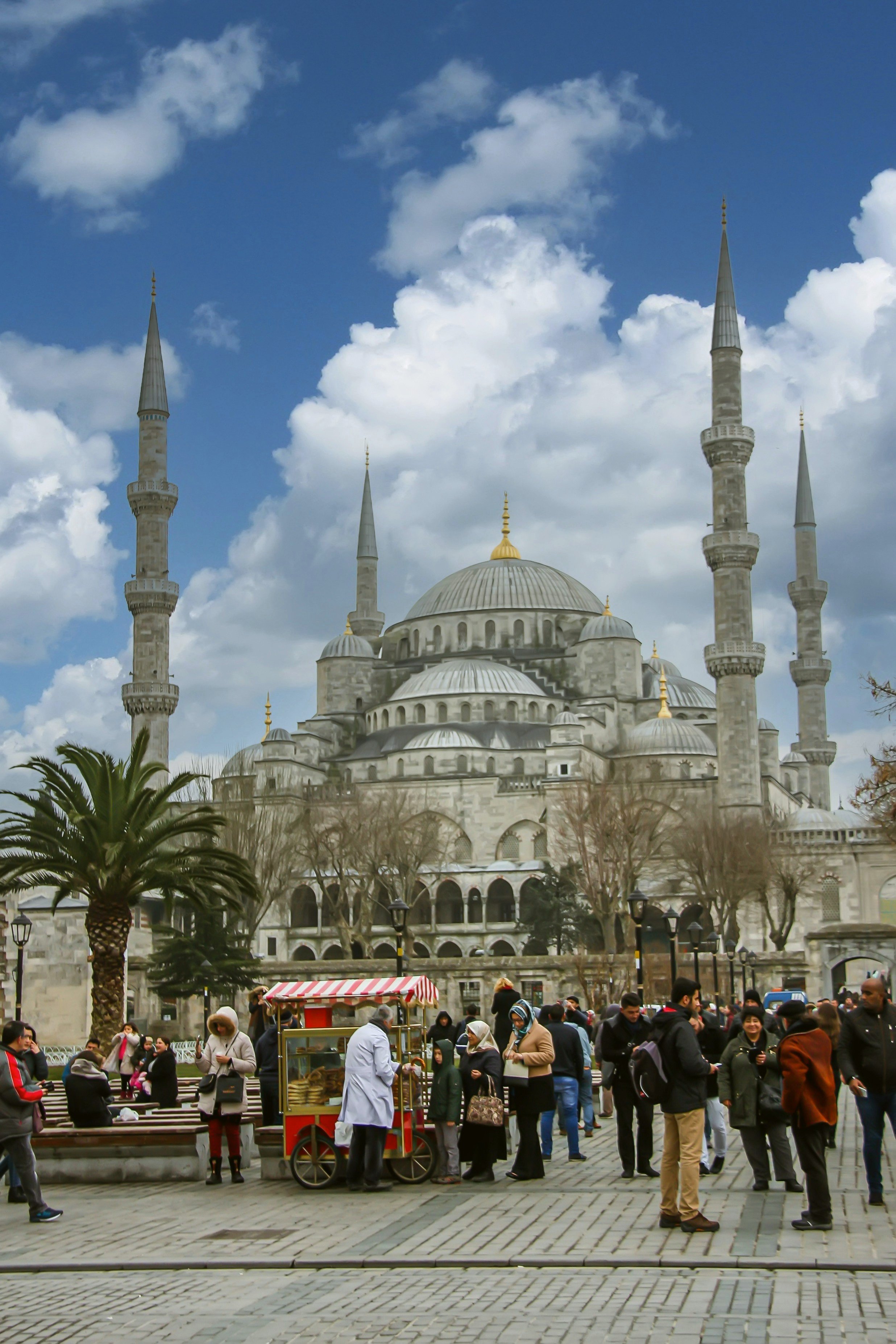
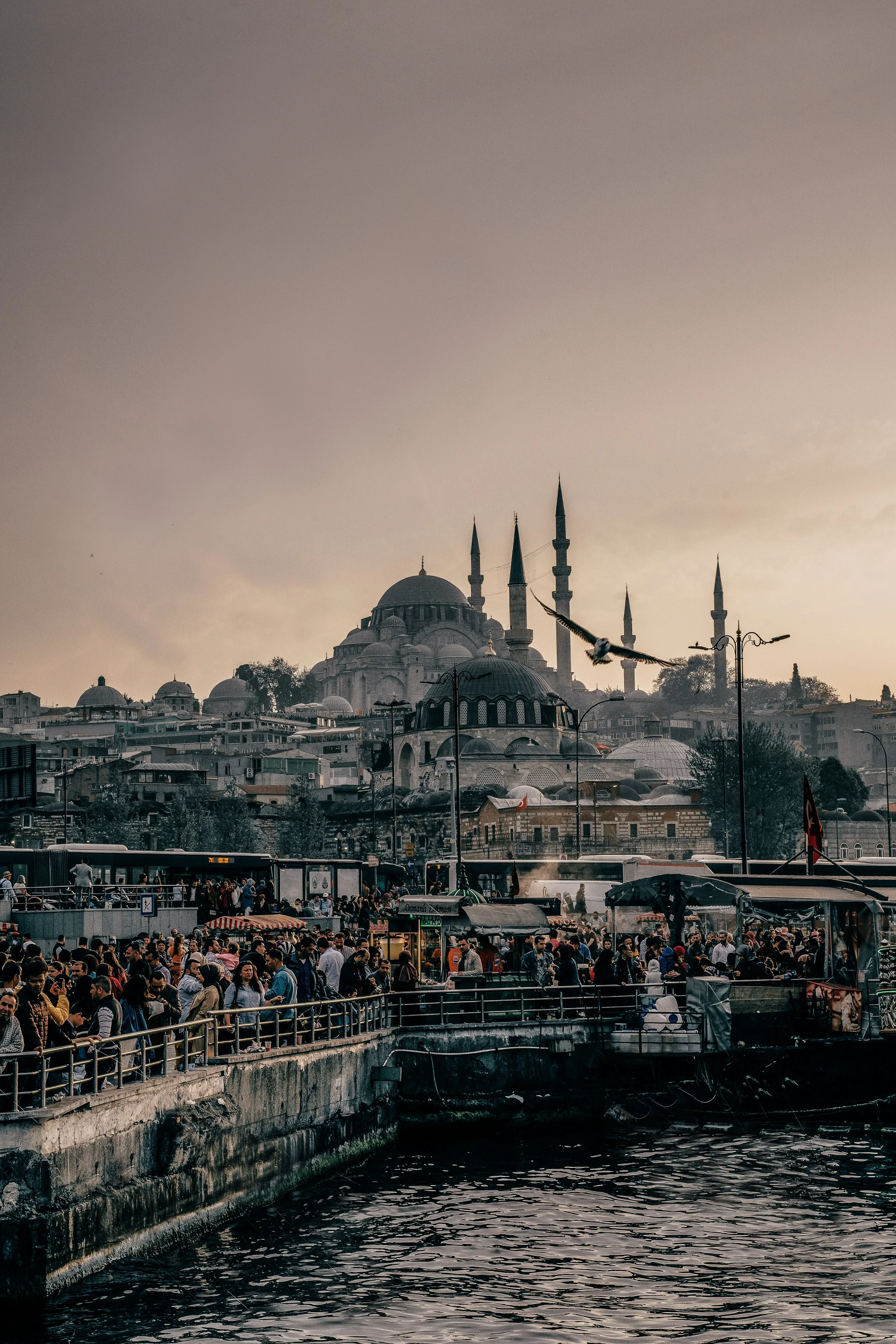
Mimar Sinan built the Süleymaniye Mosque between 1550 and 1557 for Suleiman the Magnificent, and many consider it the finest work of the Ottoman Empire's greatest architect — Sinan himself reportedly reserved that title for a later mosque in Edirne. The complex once housed a hospital, a soup kitchen, and a school; Suleiman the Magnificent and his wife Hürrem Sultan are both buried in the garden behind it.
Unlike Sultanahmet's two headline mosques, Süleymaniye Mosque gets a fraction of the tour groups despite matching them for scale. The terrace behind it looks straight over the Golden Horn — arguably the best sunset view in the old city, and free. It's a fifteen-minute uphill walk from the Grand Bazaar, worth timing for late afternoon. Like the Blue Mosque, it's free to enter.
TICKETS & TOURS
Hagia Sophia Skip-the-Line Ticket ↗
Book the €25 gallery ticket in advance — it's mandatory for foreign visitors, and the ticket office queue can eat an hour of your day.
Hagia Sophia, Blue Mosque & Topkapı Combined Tour ↗
A guided half-day covering all three in one go, with entry and context included — the option most first-time visitors actually want.
Private Guide for the Imperial Mosques ↗
A historian-led private tour of all three mosques, unhurried and tailored to what you actually want to see.