THE BIZKAIA BRIDGE & GETXO
Follow the river out of Bilbao and, after about twenty minutes on the metro, it stops being a river and starts being the sea. This is where the estuary opens into a wide bay the locals call the Abra, and where the two banks have spent more than a century looking at each other with a certain suspicion.
On the left bank were the shipyards, the steelworks and the people who worked in them. On the right, the people who owned them built their summer houses, then decided they liked it so much they stayed. The bay in between was the frontier, and for a long time the only way across was by boat.
Then someone had an idea that sounded slightly mad at the time: hang a piece of road from a giant iron frame and float it from one side to the other. It still works, and it's still running.
Come for half a day. Cross the water, walk the seafront, and finish with something cold in an old fishing port. It's the same river you saw in town. It just ends up somewhere much more relaxed.
THE BIZKAIA BRIDGE
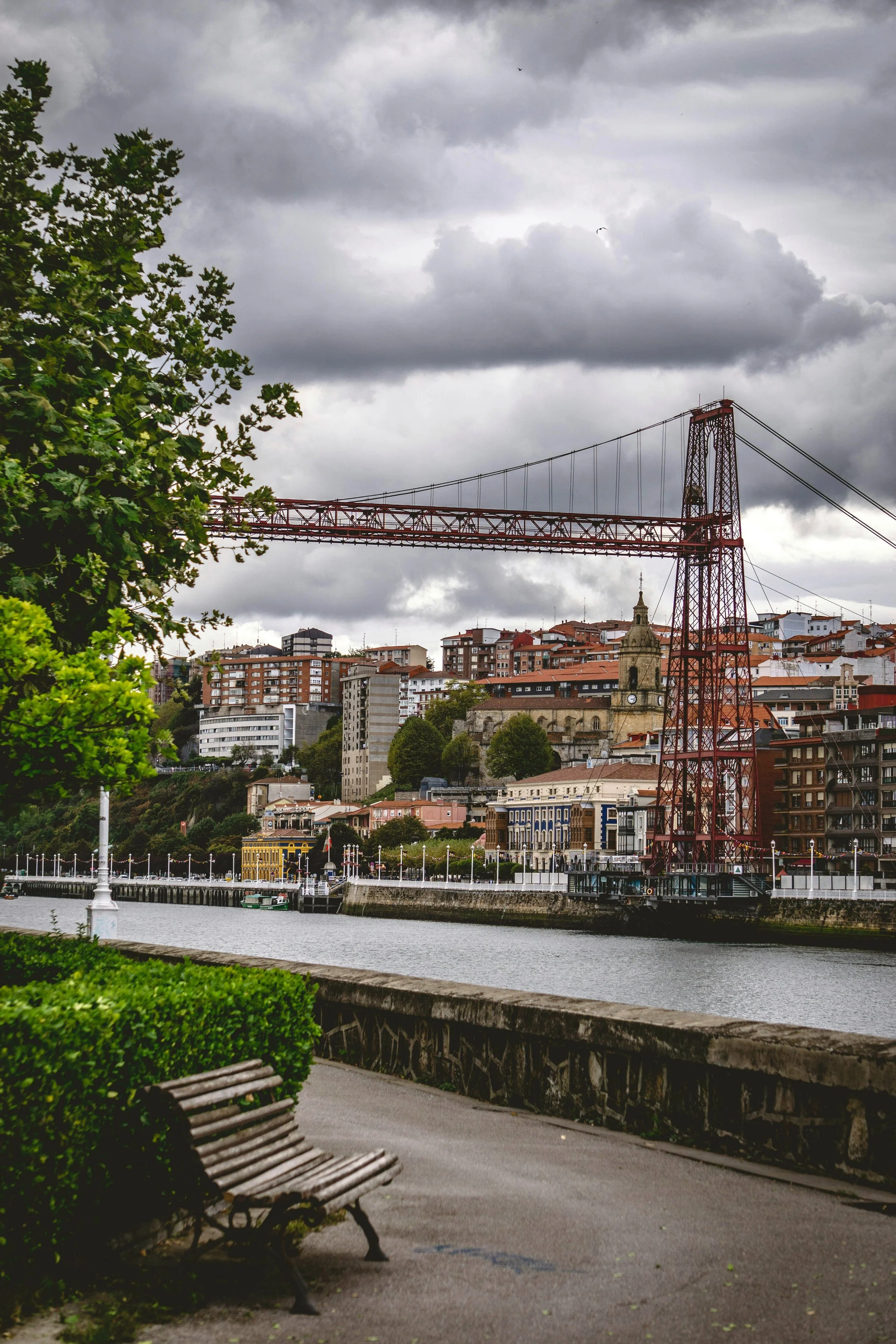
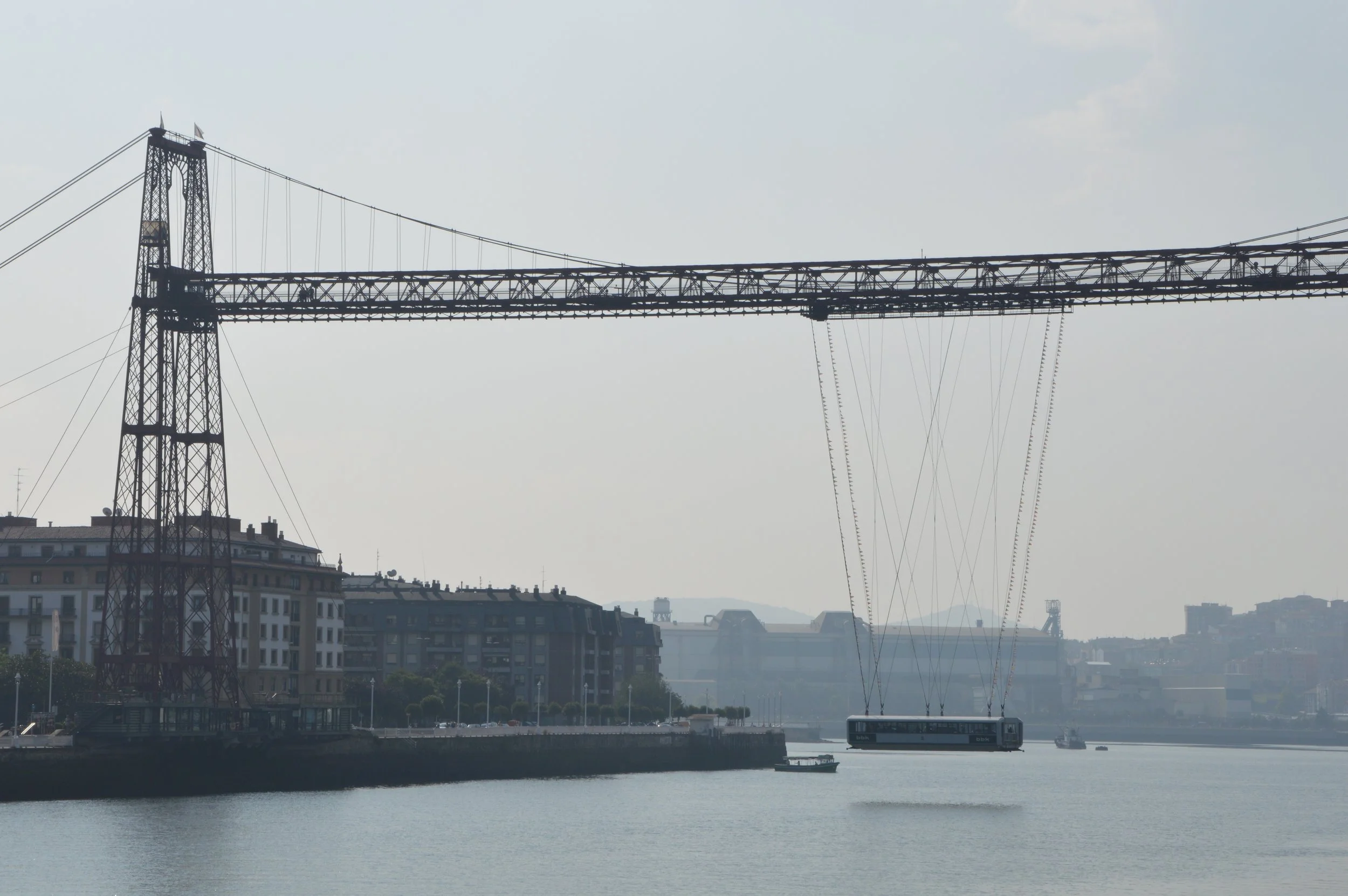
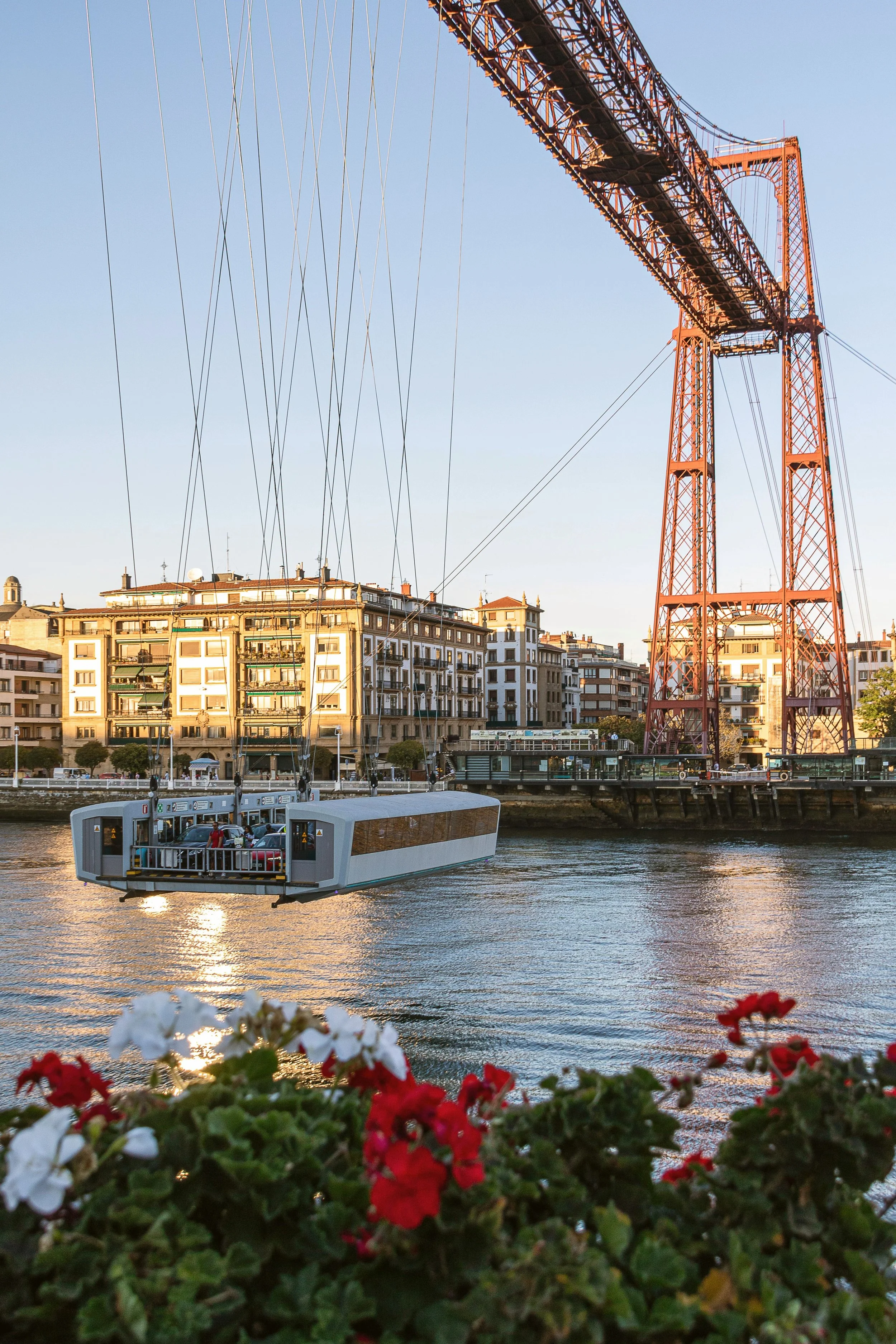
The idea came from Alberto de Palacio, a Basque architect who had worked with Gustave Eiffel, and it shows. Opened in 1893, the Bizkaia Bridge was the first transporter bridge in the world: tall enough to let the big ships through underneath, but still able to carry people from one bank to the other. In 2006 UNESCO made it a World Heritage Site, the only one in Bilbao.
The trick is the gondola, a sort of floating platform hung from steel cables, which glides across the river every few minutes, cars, bikes and pedestrians all on board. The crossing takes about a minute and a half. Locals use it to go to work. Visitors tend to take photos the whole way.
For the full view, take the lift to the walkway on top, about fifty meters above the water. From up there you can see the whole bay, the port and, on a clear day, a good stretch of coastline. It's not for anyone with vertigo. The grilles under your feet are see-through, which is exactly the point.
toyosu market & the tuna auction
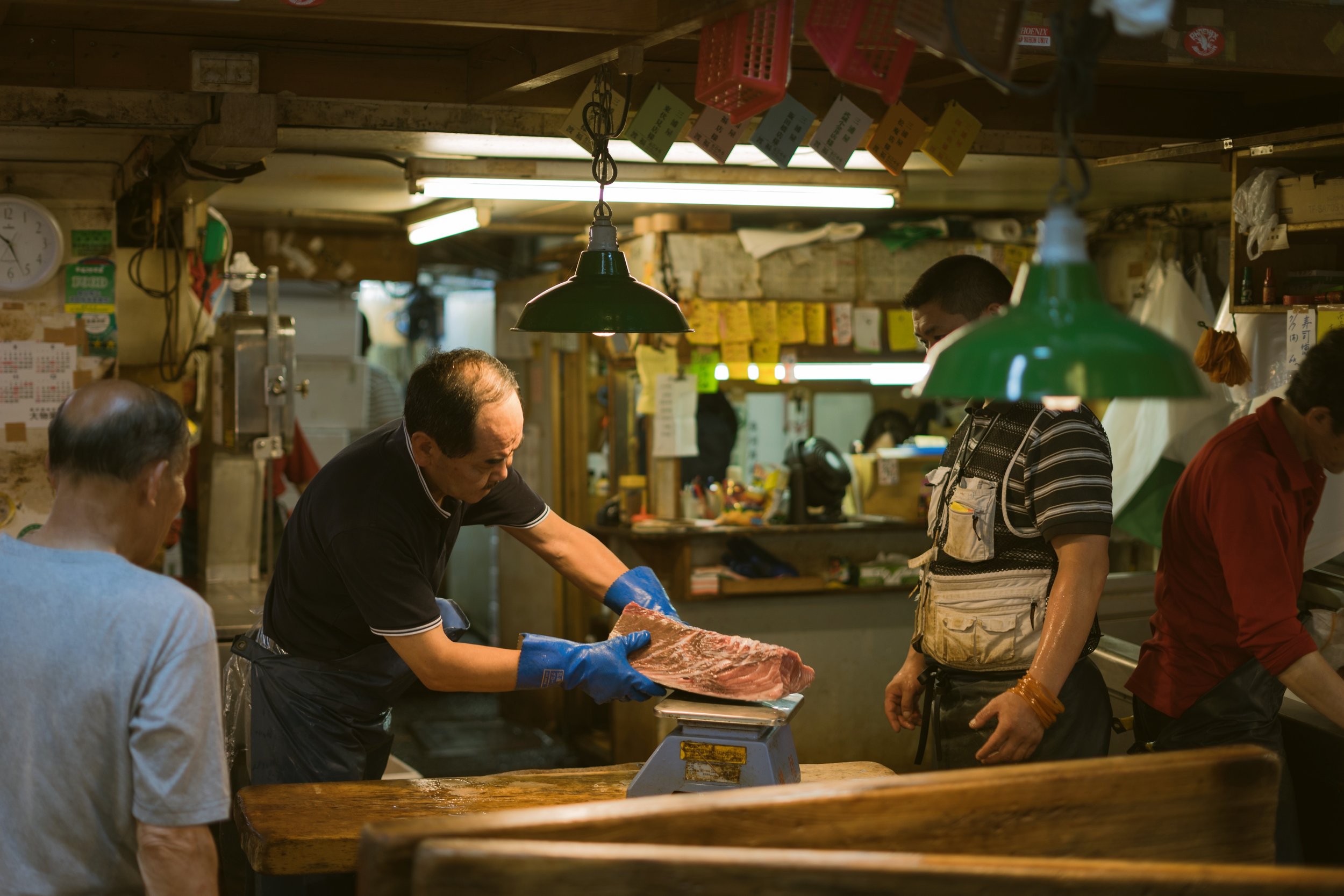
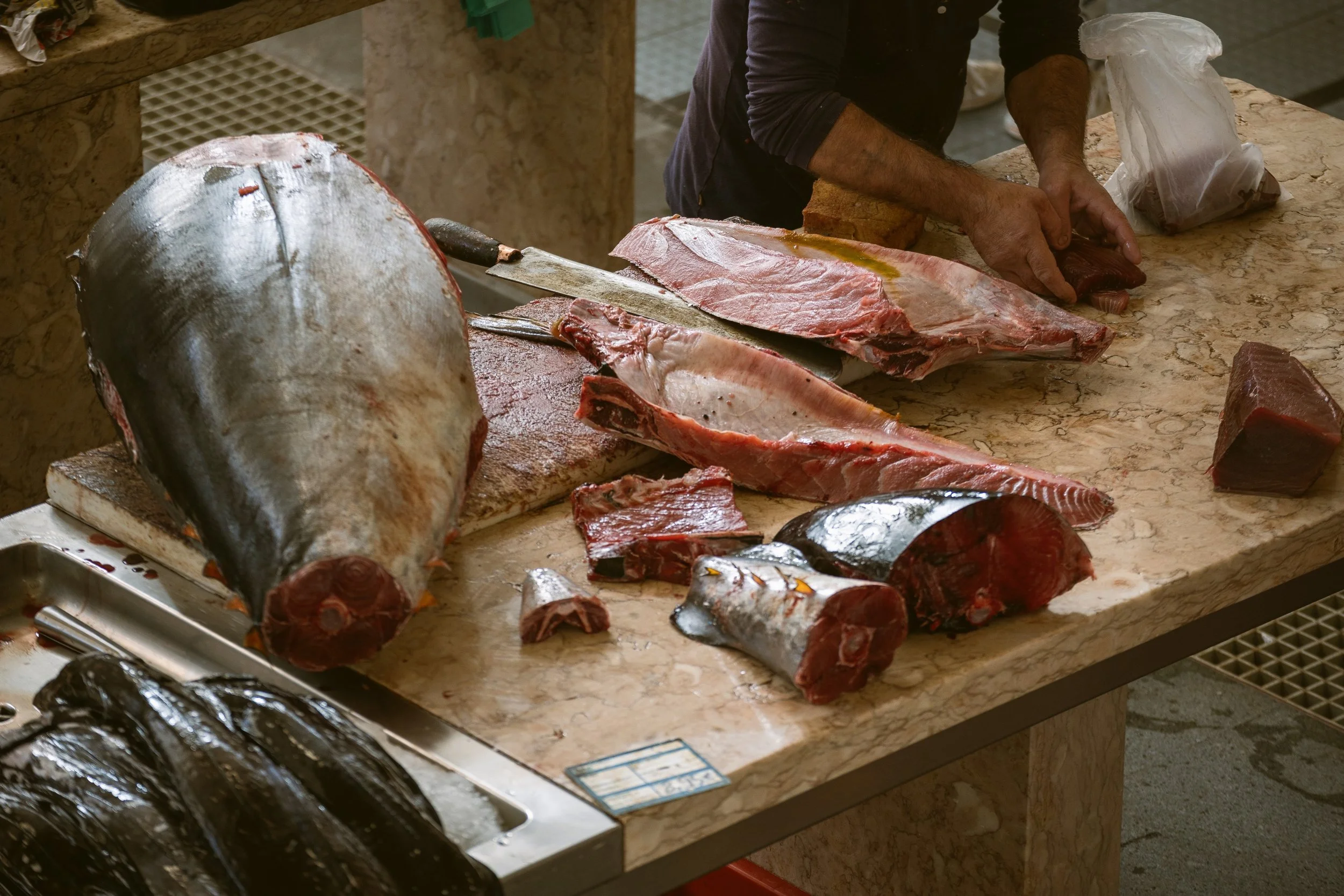
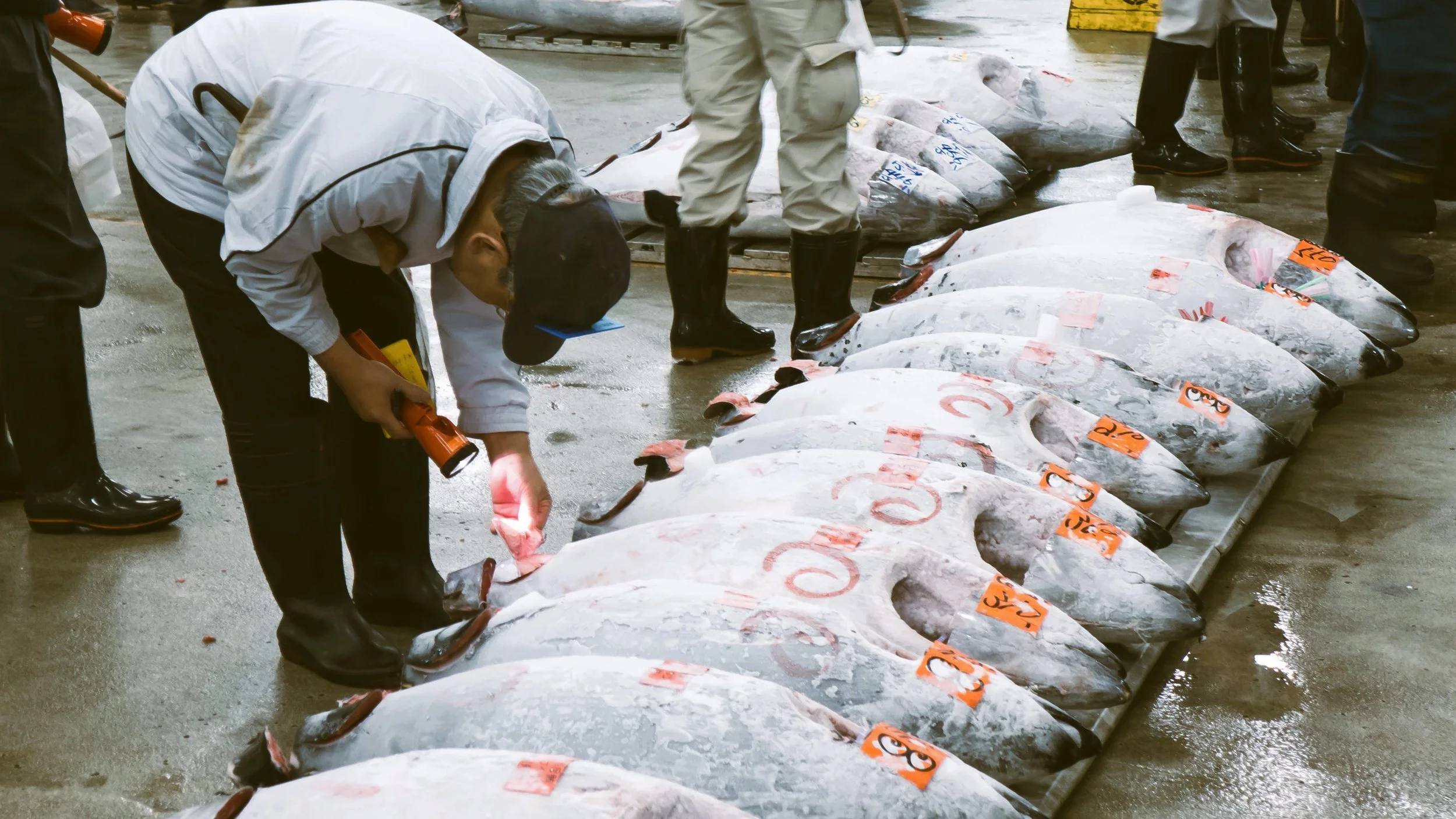
This is where the theatre went. Toyosu is a working wholesale market on Tokyo Bay, and its tuna auction — the real one, buyers inspecting frozen tuna the size of torpedoes before bidding begins around 5:30am — is the closest most visitors will ever get to watching Japan's seafood economy in motion.
sushi
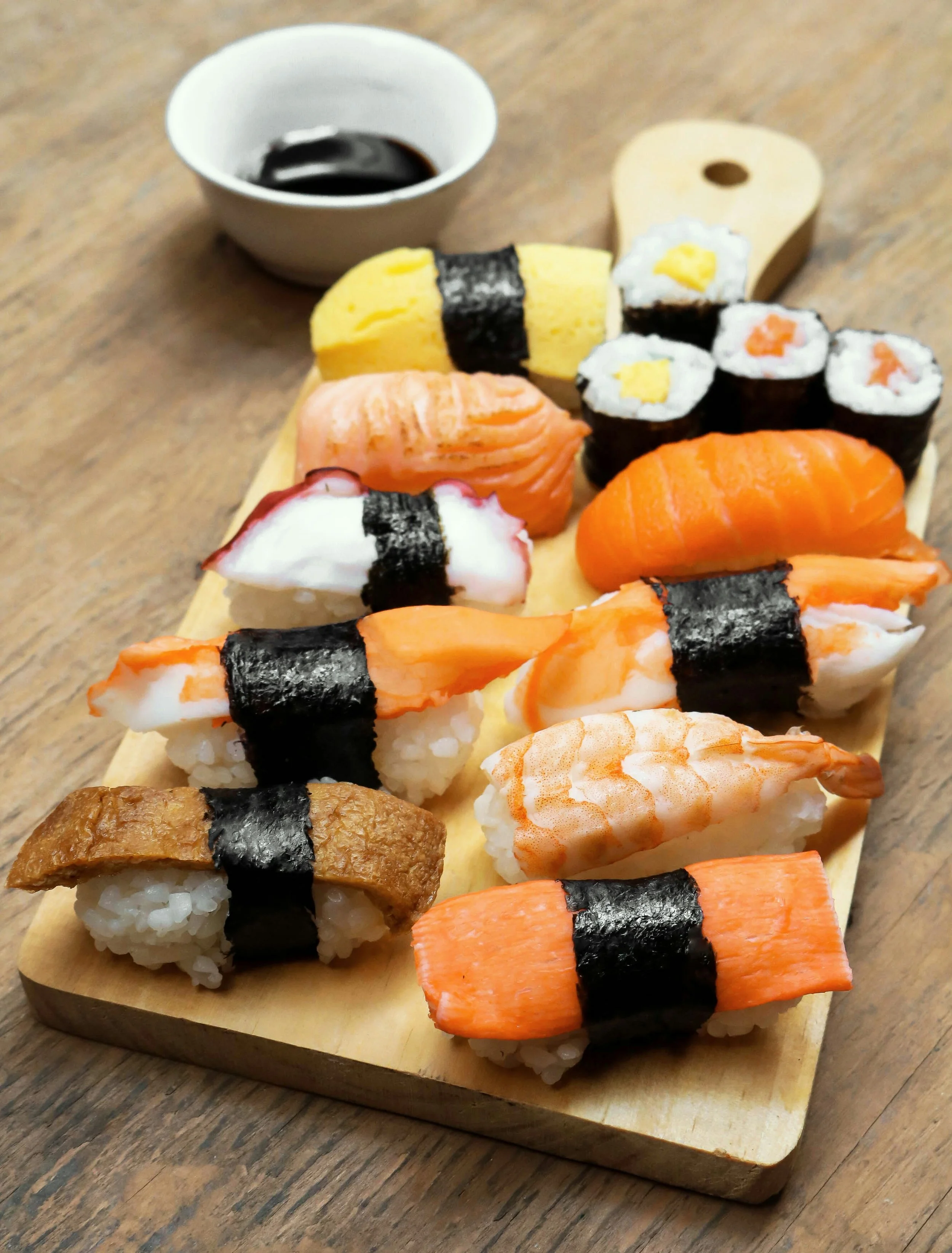
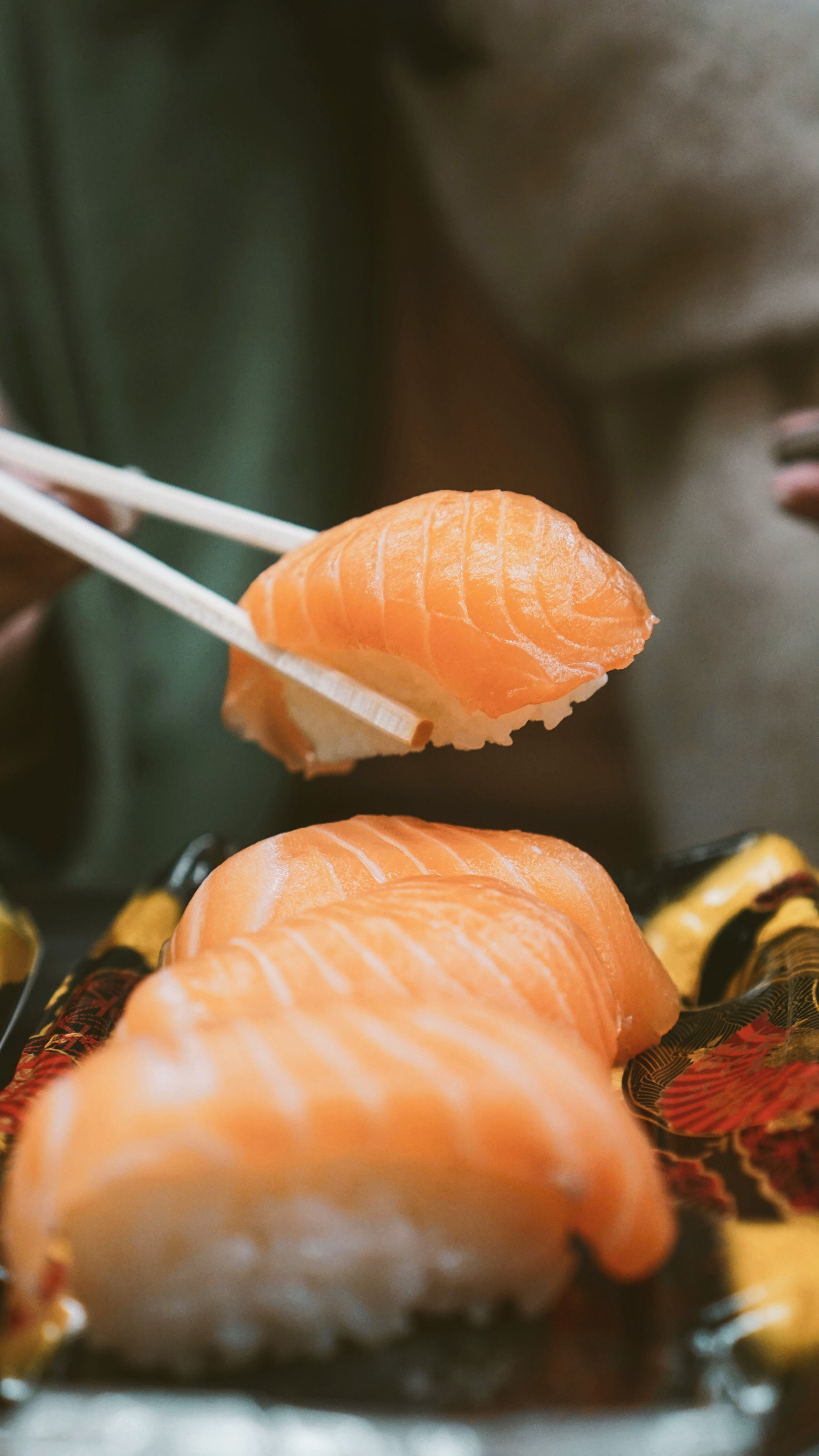
Sushi was never meant to be fancy. It started as street food in 1820s Edo — old Tokyo — when a vendor named Hanaya Yohei skipped the weeks of fermentation everyone else used and simply pressed fresh fish onto vinegared rice instead. Workers ate it standing up, in two bites, the way you'd grab a sandwich on a lunch break. What's changed since is mostly the price tag, not the idea.
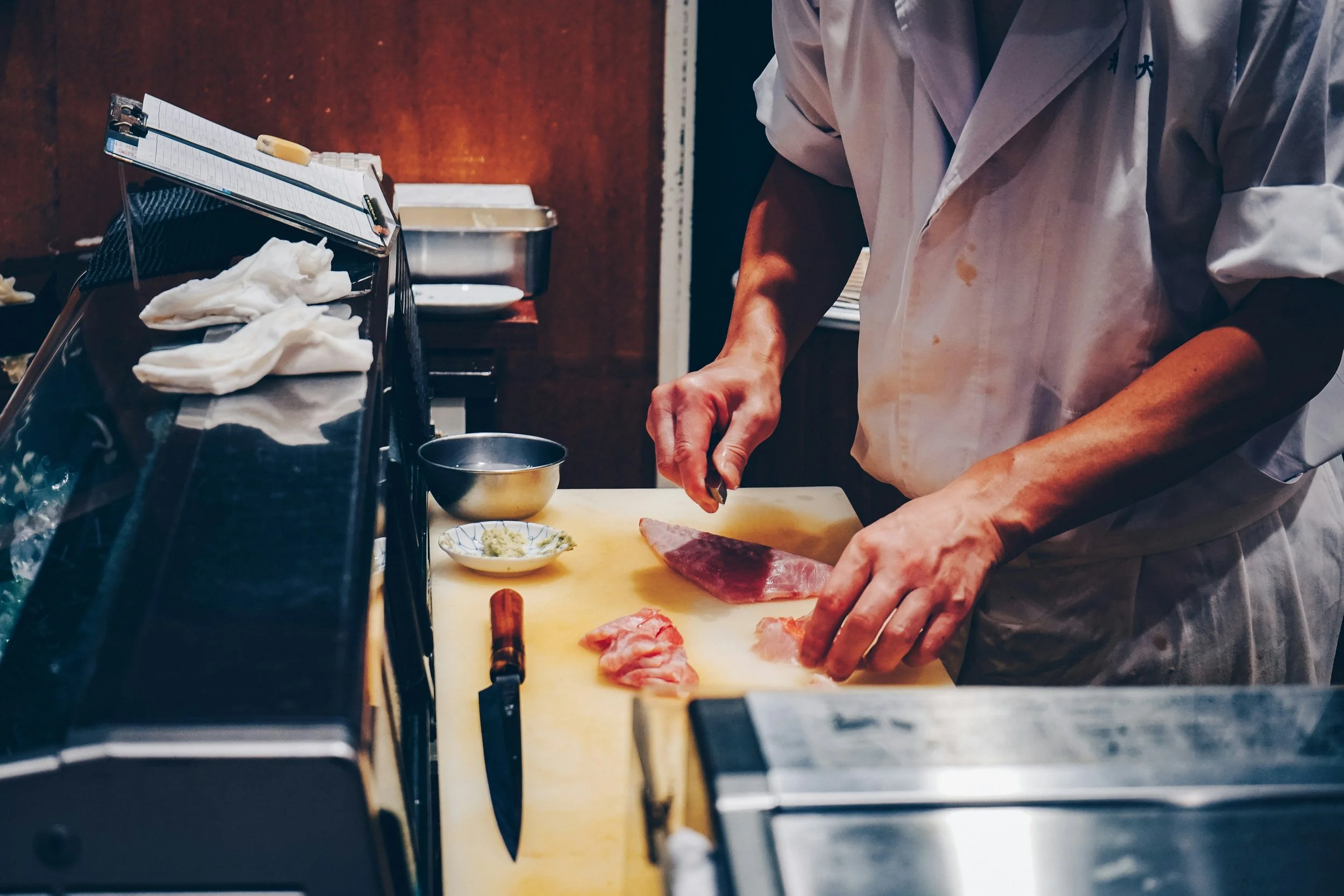
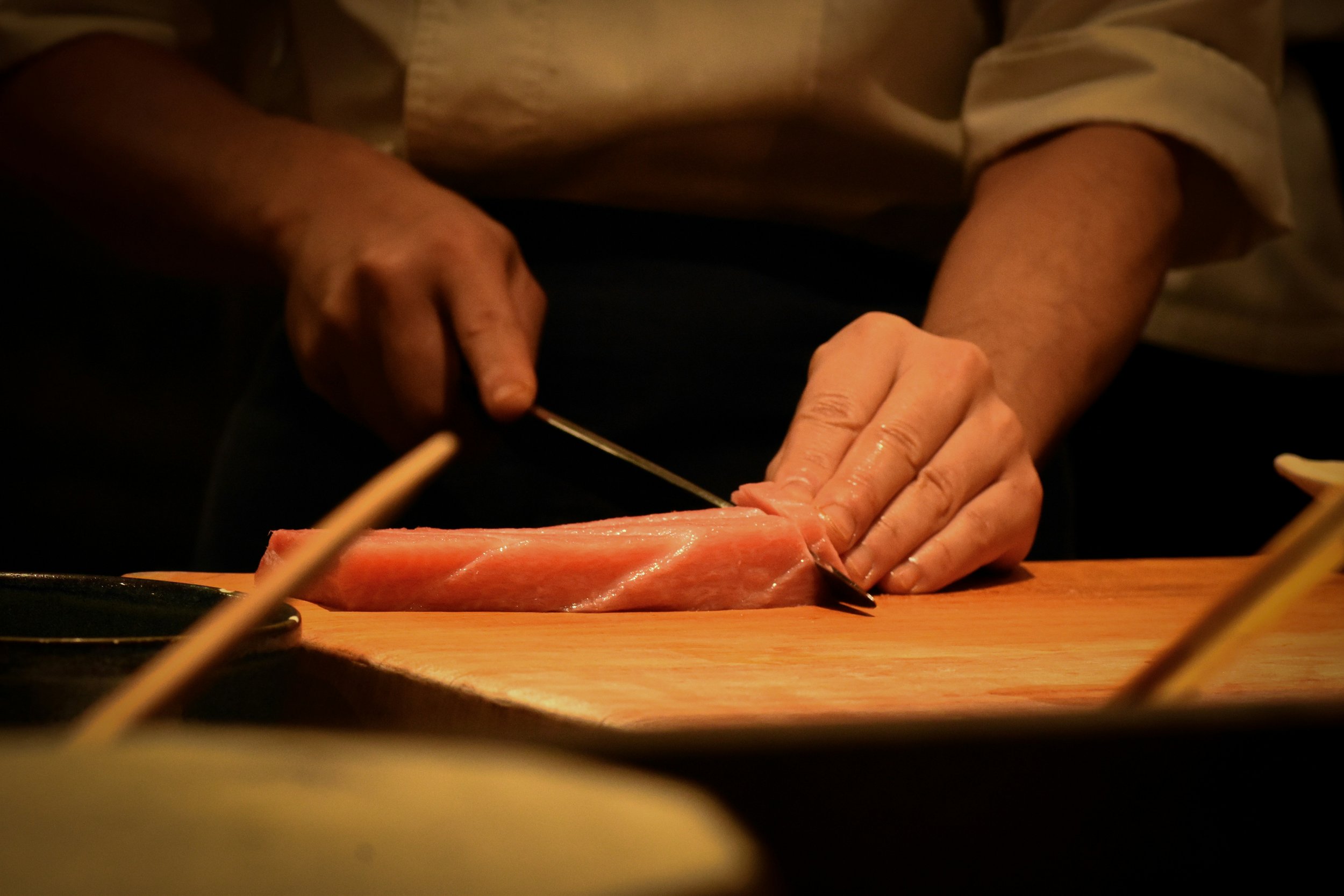
The style born in Tokyo Bay specifically has a name — Edomae — and it's still the gold standard, built around techniques (curing, aging, simmering) developed to make the most of whatever the bay produced. A good sushi counter today isn't cooking so much as editing: deciding exactly how long each piece of fish needs before it's ready.
THE SUSHI GLOSSARY
NIGIRI — A hand-pressed oval of rice, topped with a single slice of fish. The Edo-period original, and still the standard by which everything else gets judged.
SASHIMI — Just the fish, sliced and served with nothing but soy sauce and wasabi. No rice at all — technically not sushi, but always on the same menu.
MAKI — Rice and fillings rolled in nori seaweed, sliced into bite-sized rounds. The one most people picture first.
URAMAKI — Maki turned inside out — rice on the outside, nori hidden within. Built for Western palates, now everywhere.
TEMAKI — A hand-rolled cone of nori, rice and fillings, eaten immediately before the seaweed goes soft. More casual, often DIY at the table.
CHIRASHI — A bowl of sushi rice scattered with an assortment of fish on top. The one to order if you can't decide.
A quiet rule worth knowing: skip the perfume before a sushi counter, eat each nigiri in one bite, and go easy mixing wasabi into your soy sauce — the chef has usually already added exactly the right amount.