MUAY THAI
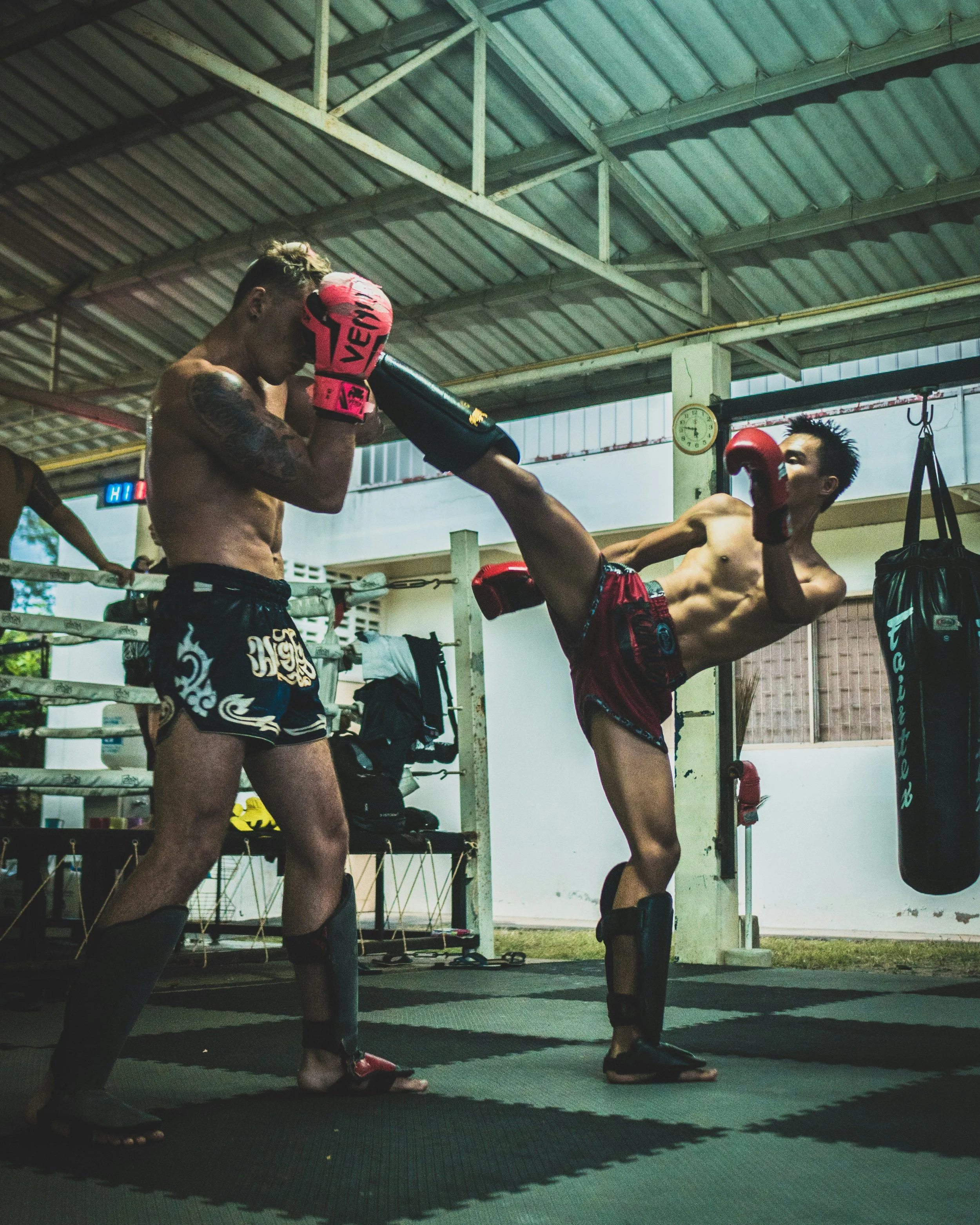
Muay Thai gets called "the art of eight limbs", and once you've seen a fight, the name stops sounding like marketing — fists, shins, elbows, and knees all get used, often within the same exchange, at a speed that makes Western boxing look almost restrained.
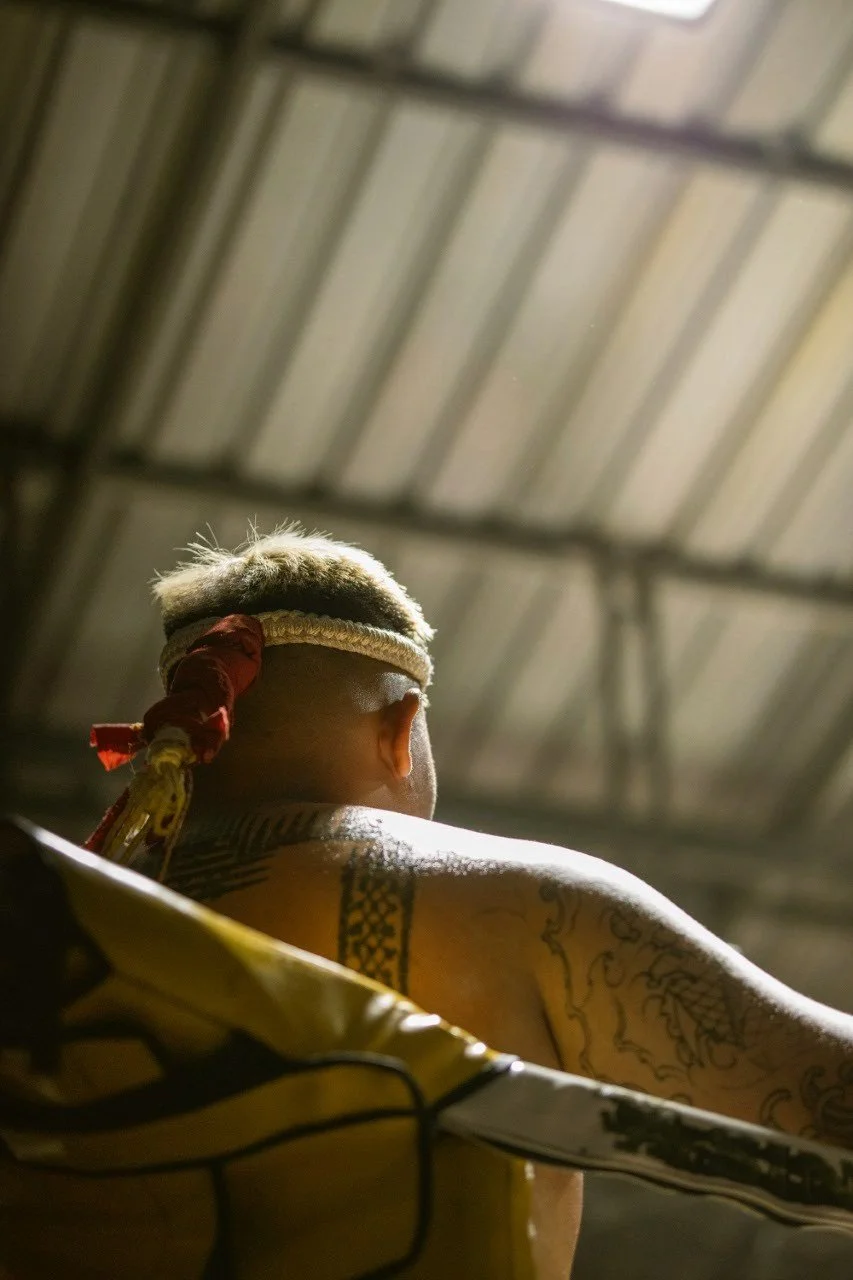
Before any of that happens, though, both fighters perform the wai khru — a slow, ritual dance around the ring, paying respect to their trainers and the sport itself, set to a live band playing sarama, a wailing, hypnotic music built around the pi java, a double-reed pipe, that speeds up as the fight gets closer to starting. Skip it, or arrive late and miss it, and you've missed half the point.
The other half is the crowd. Gambling has followed Muay Thai for generations, and in stadiums where it's still allowed, the noise from bettors shouting odds back and forth can rival the fighters themselves — arms waving in a kind of shorthand only regulars understand. This isn't staged for visitors. It's simply how the sport has always been watched here, tourists or not.
Fighters start young, sometimes as children, training for years before their first real fight. Many come from poor rural families — Muay Thai has historically been one of the few ways out, a fact that adds real weight to fights that might otherwise look like pure spectacle.
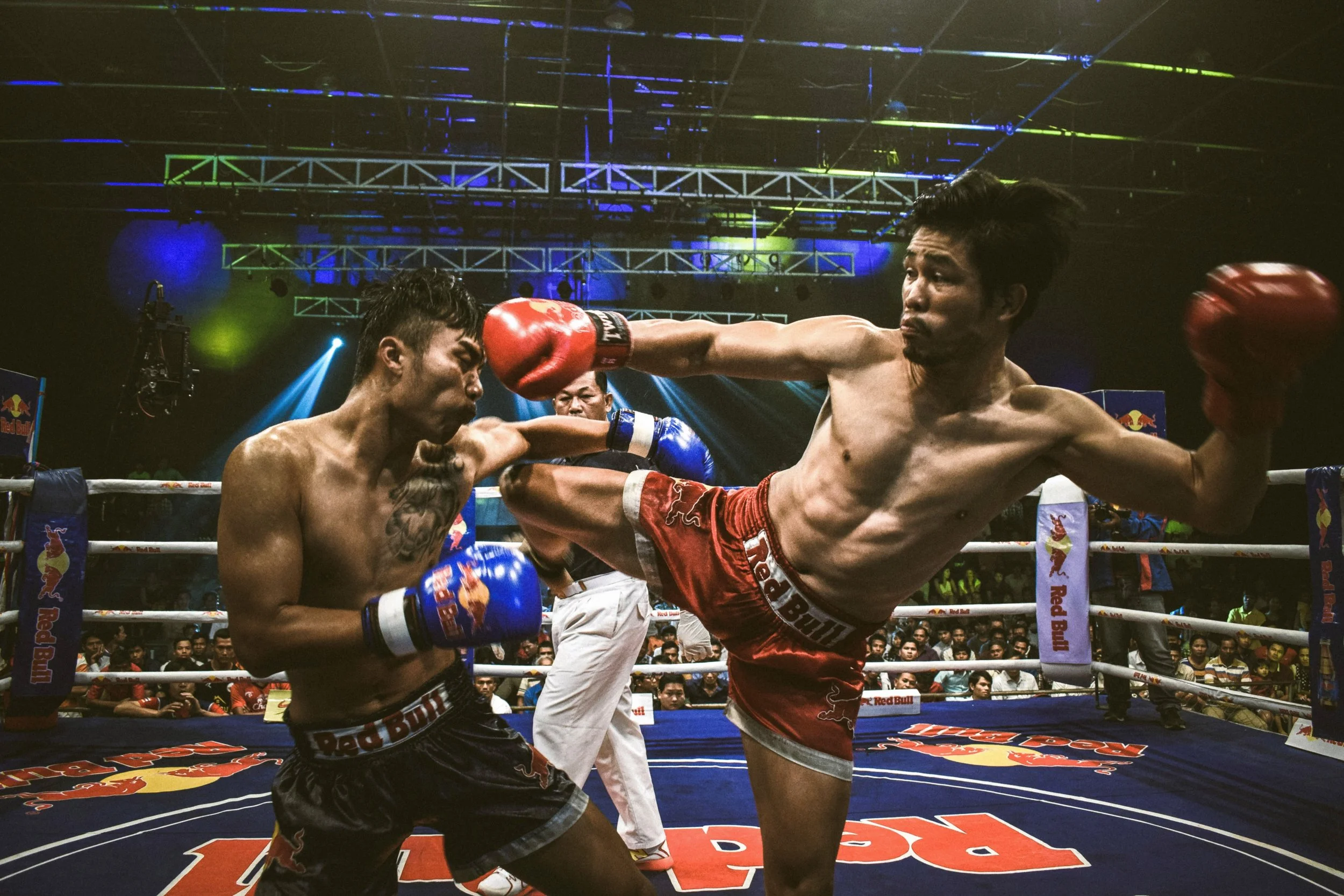
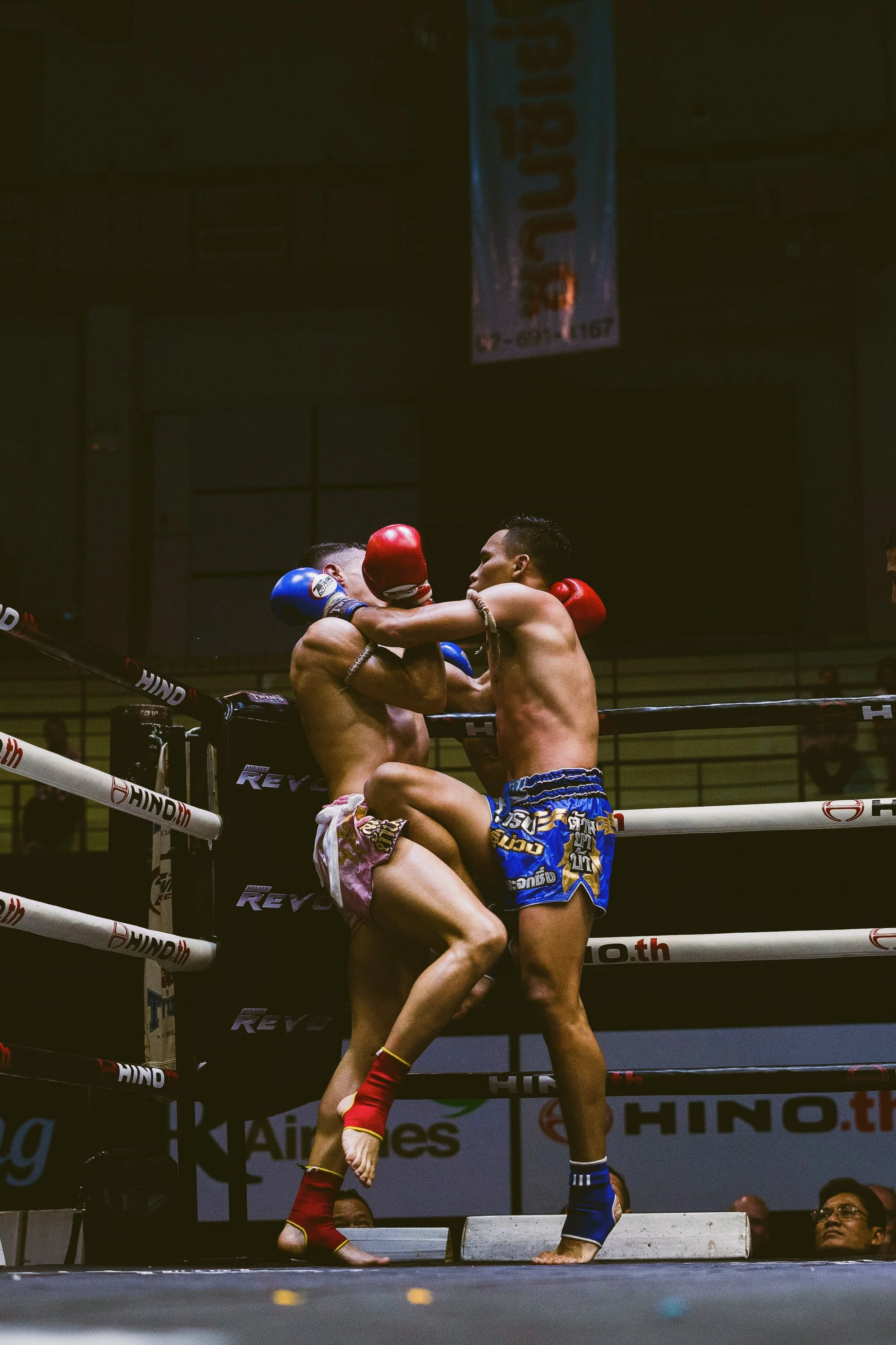
The sport survived a rough stretch — COVID nearly finished it off, and decades of gambling scandals hadn't helped its reputation beforehand. What's kept it alive is exactly what you'd expect: it still works, live, in a packed room, better than it ever could on a screen.
THE PRACTICAL BIT
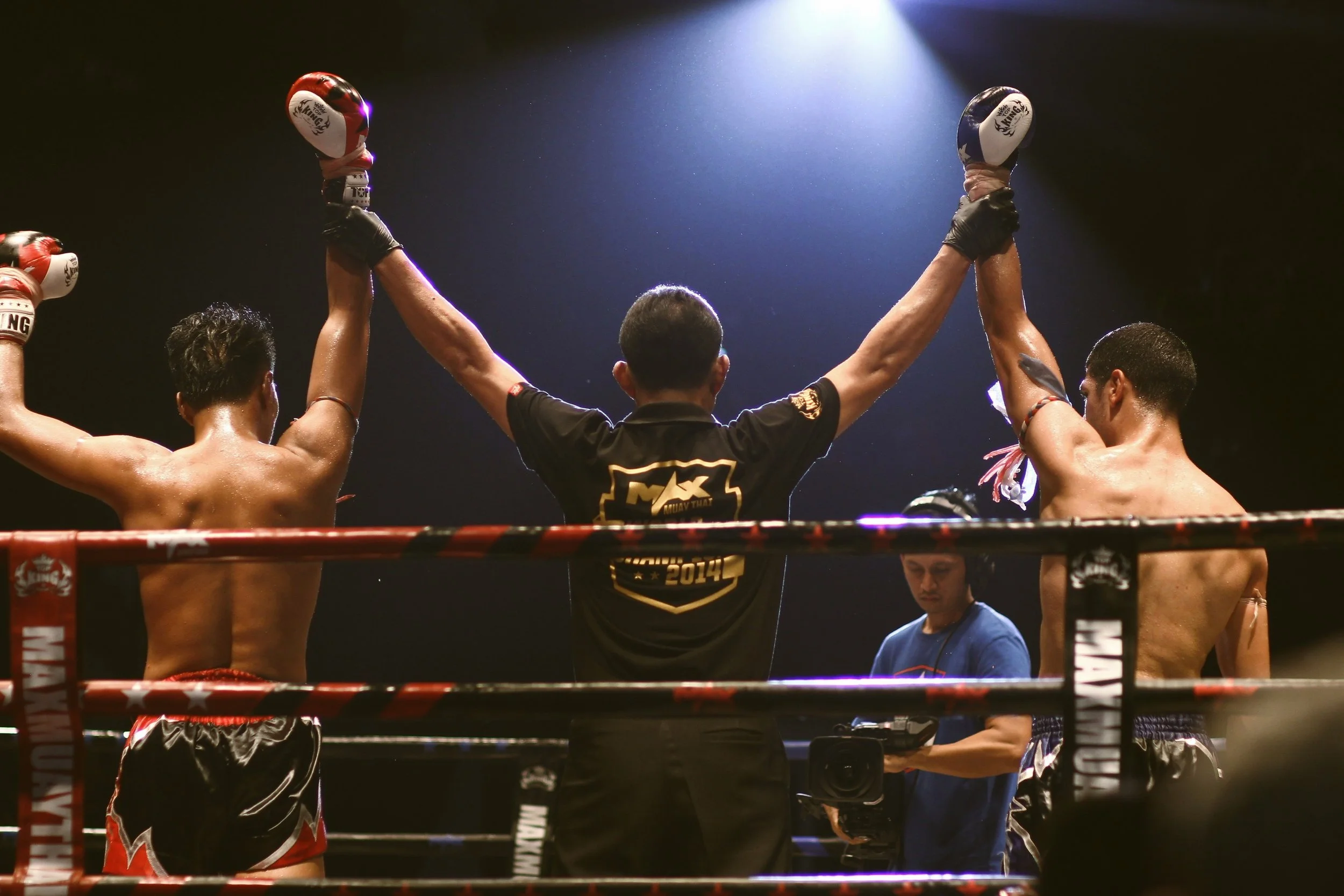
Where to watch: Rajadamnern Stadium, open since 1945, is the older and more atmospheric of the two — old-school, close to Khao San Road. Lumpinee, which moved to a new stadium in 2014 and is run by the Thai Army, is more polished and built around televised events; the energy's different, but still real. Fight nights run most evenings at Rajadamnern, and Fridays and Saturdays at Lumpinee.
Where to train: Several gyms across Bangkok take drop-in visitors for single classes — no experience or fitness level required, just a willingness to get hit with pads a few times.
GETTING IN
Tickets bought in advance tend to be cheaper and far less hassle than the touts working the stadium entrance, who routinely quote double the real price to anyone who looks like a first-timer.