THE IMPERIAL CITY
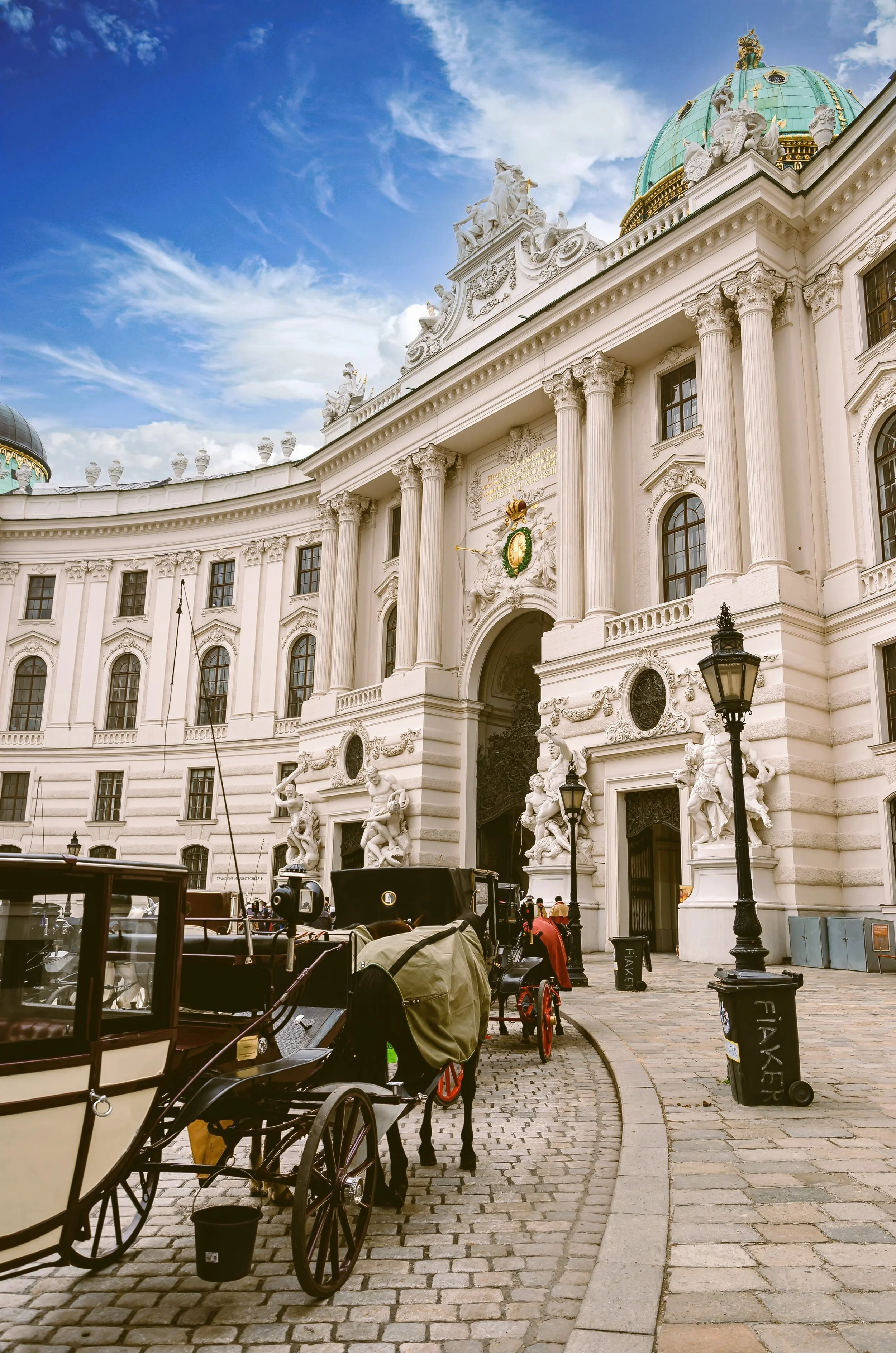
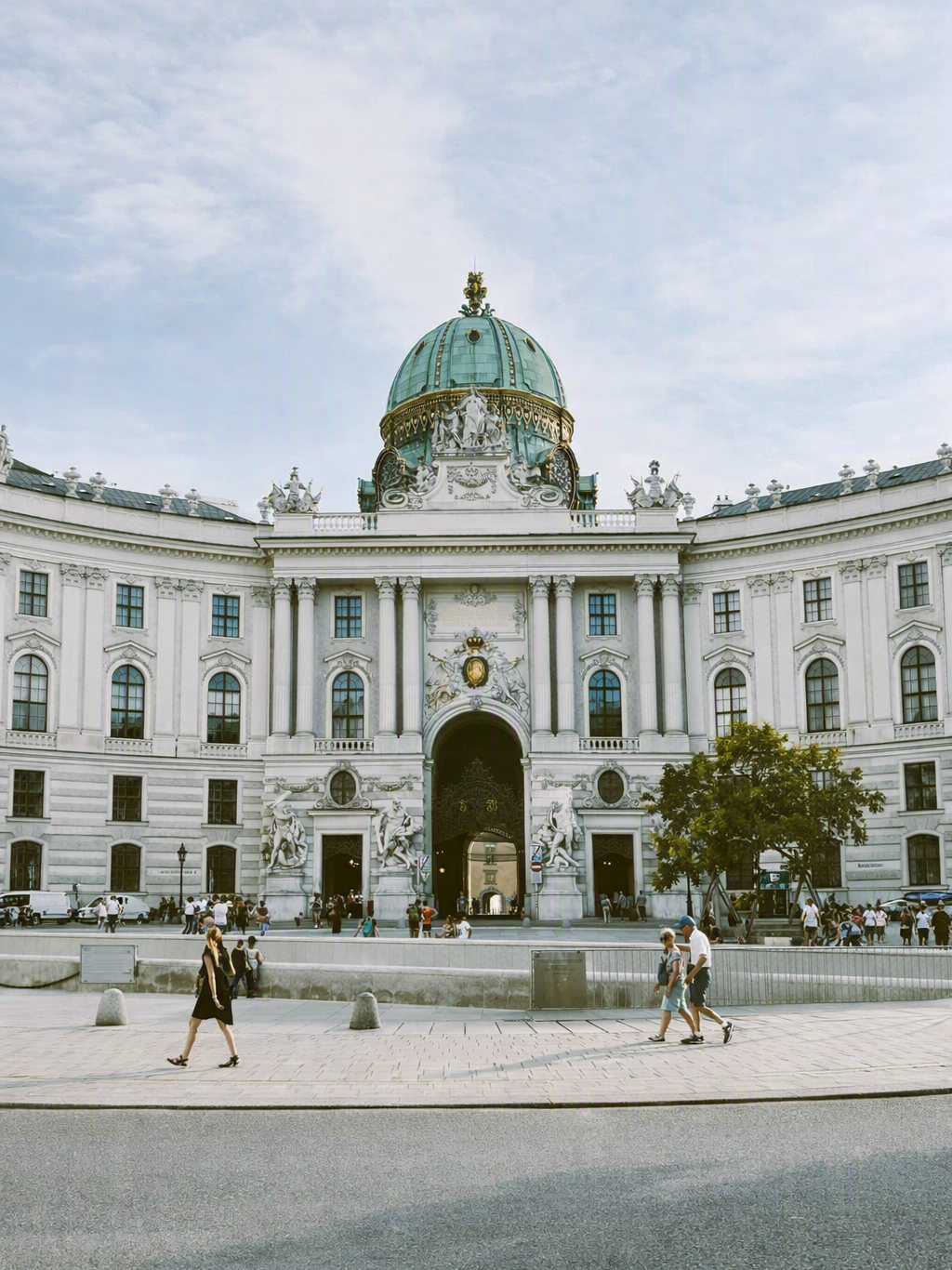
Six hundred years is a long time for one family to hold onto anything, let alone an empire stretching from the Alps to the edge of Ukraine. The Habsburgs managed it, and they built accordingly — not one grand statement but three, each answering a different need. A winter seat (Hofburg) in the middle of the city, worked from and lived in for centuries, expanded wing by wing until it stopped resembling any single building at all.
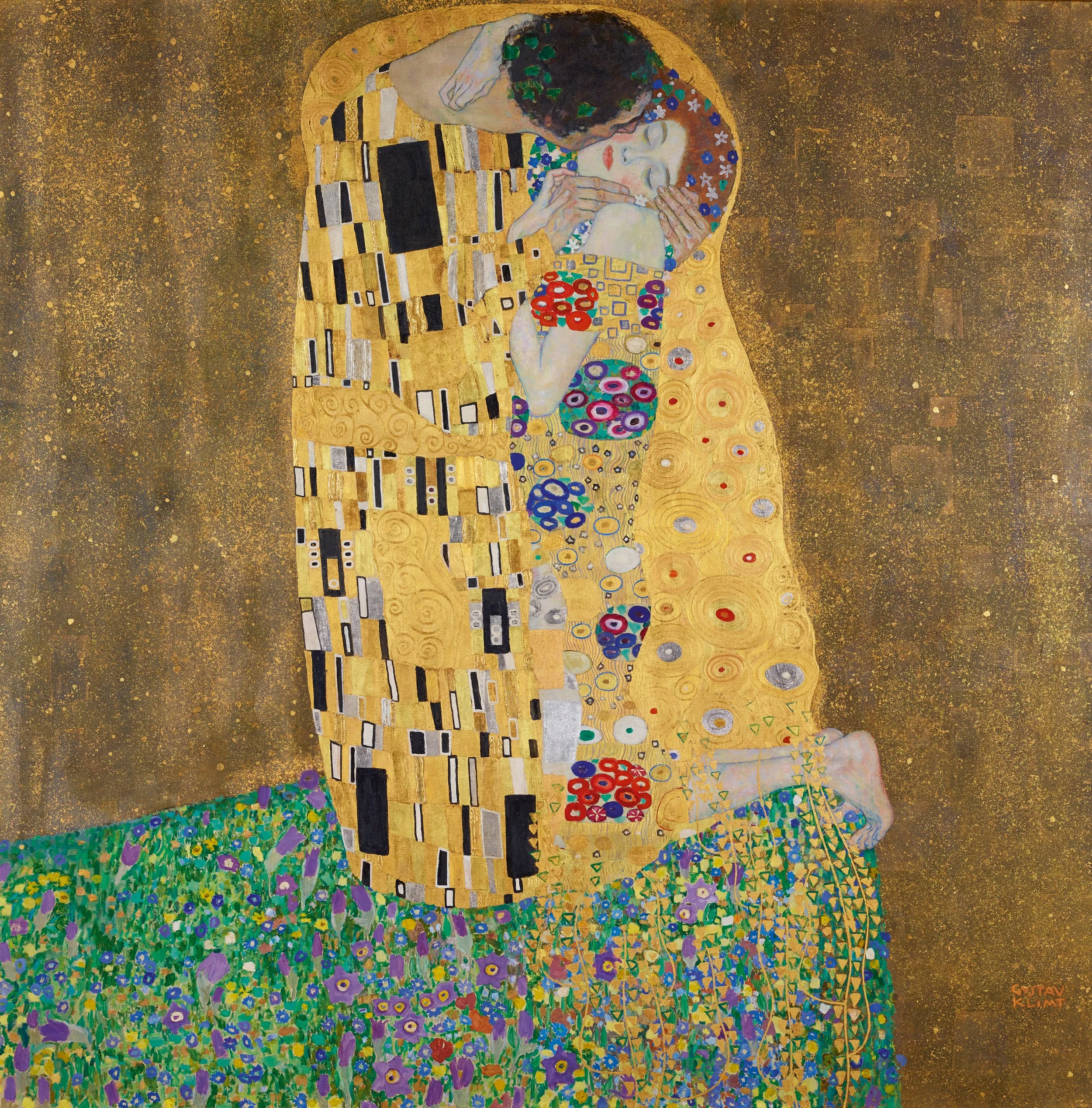
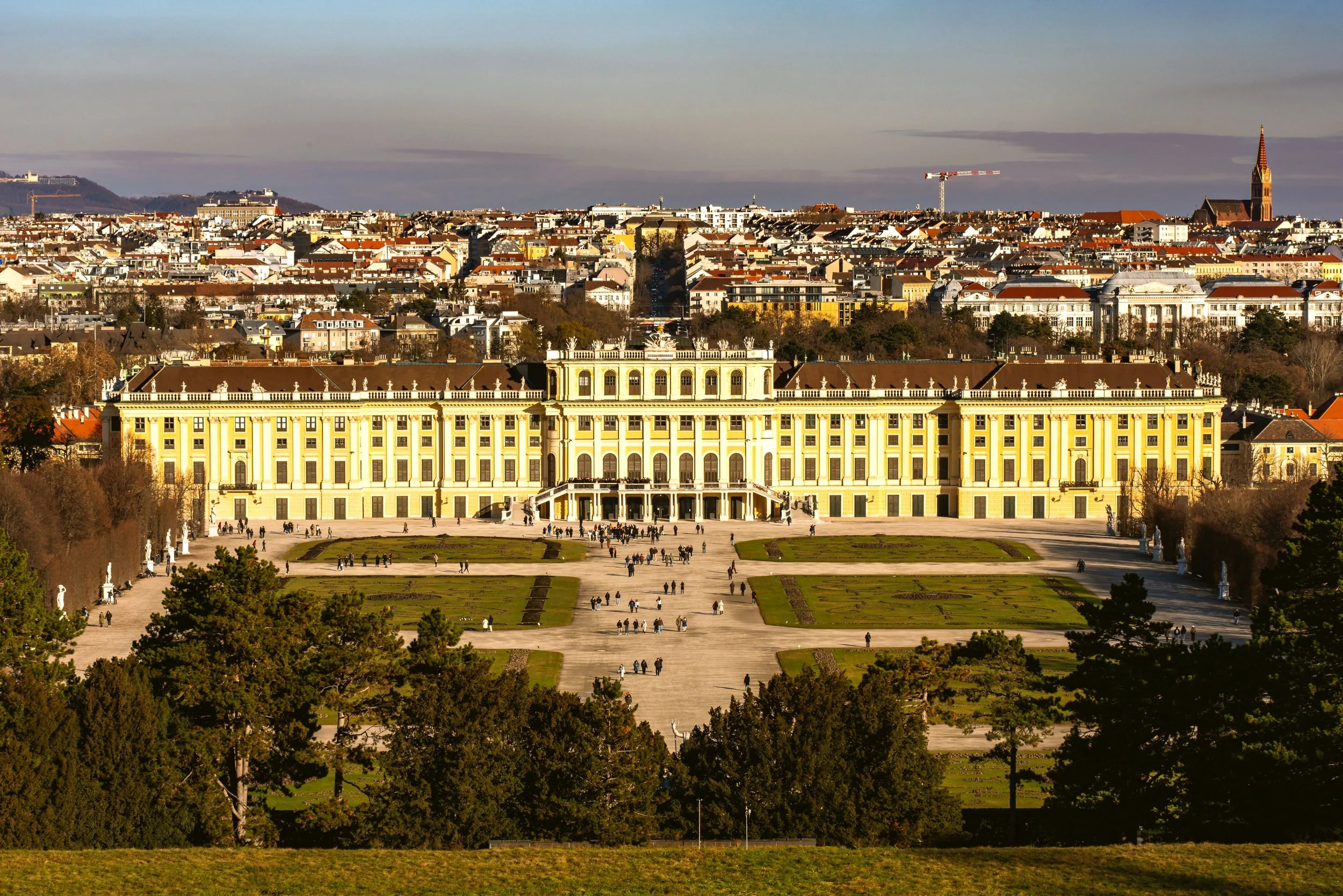
A summer escape (Schönbrunn) just far enough outside the walls to breathe, eventually swollen into something meant to out-Versailles Versailles. And a garden palace (Belvedere) built by someone who wasn't even a Habsburg by blood, that the dynasty ended up buying anyway, and which now holds the single most reproduced painting Austria has ever produced.
None of them are ruins. They're all still standing — improbably intact for buildings this old, this contested, this fought over. Walk through all three in a day if your legs can take it, or pick one and actually sit with it. Either way, this is where six centuries of ambition left its clearest fingerprints.
HOFBURG
This started as a 13th-century fortress and never really stopped growing — Gothic bones wrapped in Renaissance, then Baroque, then whatever the 19th century thought power should look like. For over five hundred years it was the working seat of the Habsburgs, the address ambassadors were summoned to and where emperors actually governed, not merely slept. It's still in use today: the Austrian President works out of one wing, the Vienna Boys' Choir sings in the Gothic chapel most Sundays, and the Spanish Riding School's white Lipizzaner stallions still train in the same hall they always have. Inside, the Sisi Museum and Imperial Apartments trace the private life behind all that governing — including the empress who spent it trying, mostly, to escape.
[Book Hofburg tickets →]
schönbrunn PALACE
Legend says an emperor found a spring here in 1612 and declared it a "beautiful fount" — schöner Brunn — and the name stuck to what became the Habsburgs' summer residence. It was Maria Theresa, in the 1740s, who turned it into the 1,441-room Rococo showpiece standing today, deliberately built to rival Versailles. A six-year-old Mozart once performed for her in the Hall of Mirrors. Napoleon later slept in rooms that still bear his name, twice, as an occupier rather than a guest. Only 40 rooms are open to the public — walk them slowly, then finish in the gardens, where the Gloriette climbs the hill behind the palace and frames the best view in Vienna.
BELVEDERE
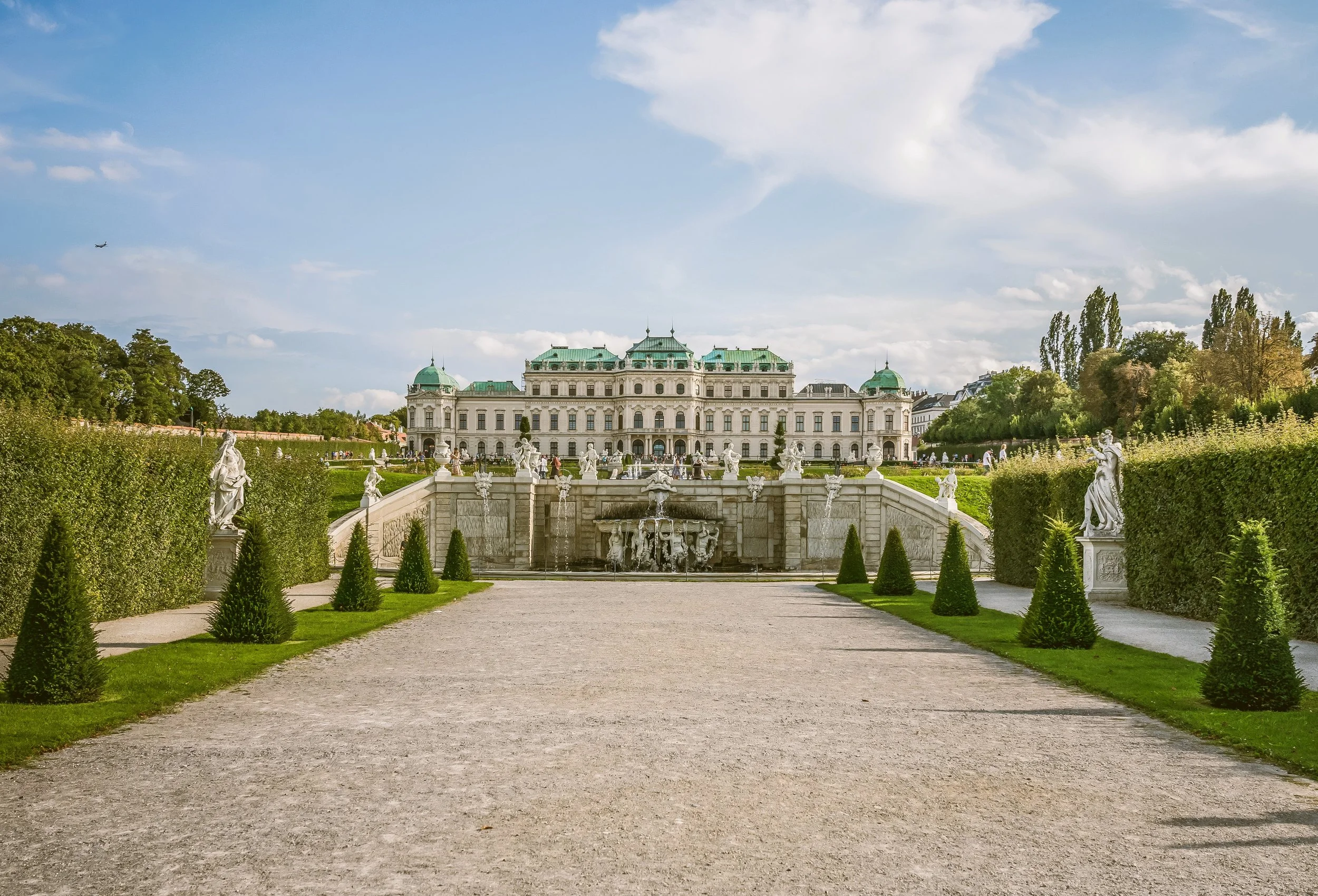
Prince Eugene of Savoy wasn't a Habsburg at all — just their most successful general, a man so wealthy from military campaigns against the Ottomans that he built himself a summer palace grander than most royal ones, complete with a private menagerie that reportedly included a lion mourning his death for days in 1736. Maria Theresa bought it from his niece in 1752, after he died without a will, and eventually opened it as one of the world's first public museums in 1781.
Today it holds the largest Klimt collection on Earth, twenty-four paintings including The Kiss — gold leaf, a couple locked together at the edge of a cliff, painted at the height of Klimt's so-called Golden Period and now Austria's single most recognizable image. Walk the formal gardens between the Upper and Lower palace before or after; the reflecting pond does most of the work for free.
BOOK YOUR IMPERIAL VIENNA
Three palaces, three moods: the Hofburg, still buzzing with Habsburg history in the heart of the city; Schönbrunn, a Rococo world of its own just outside it; and the Belvedere, a Baroque garden palace with the largest Klimt collection on Earth.
[Book Hofburg tickets →]
[Book Schönbrunn Palace →]
[Book the Belvedere →]