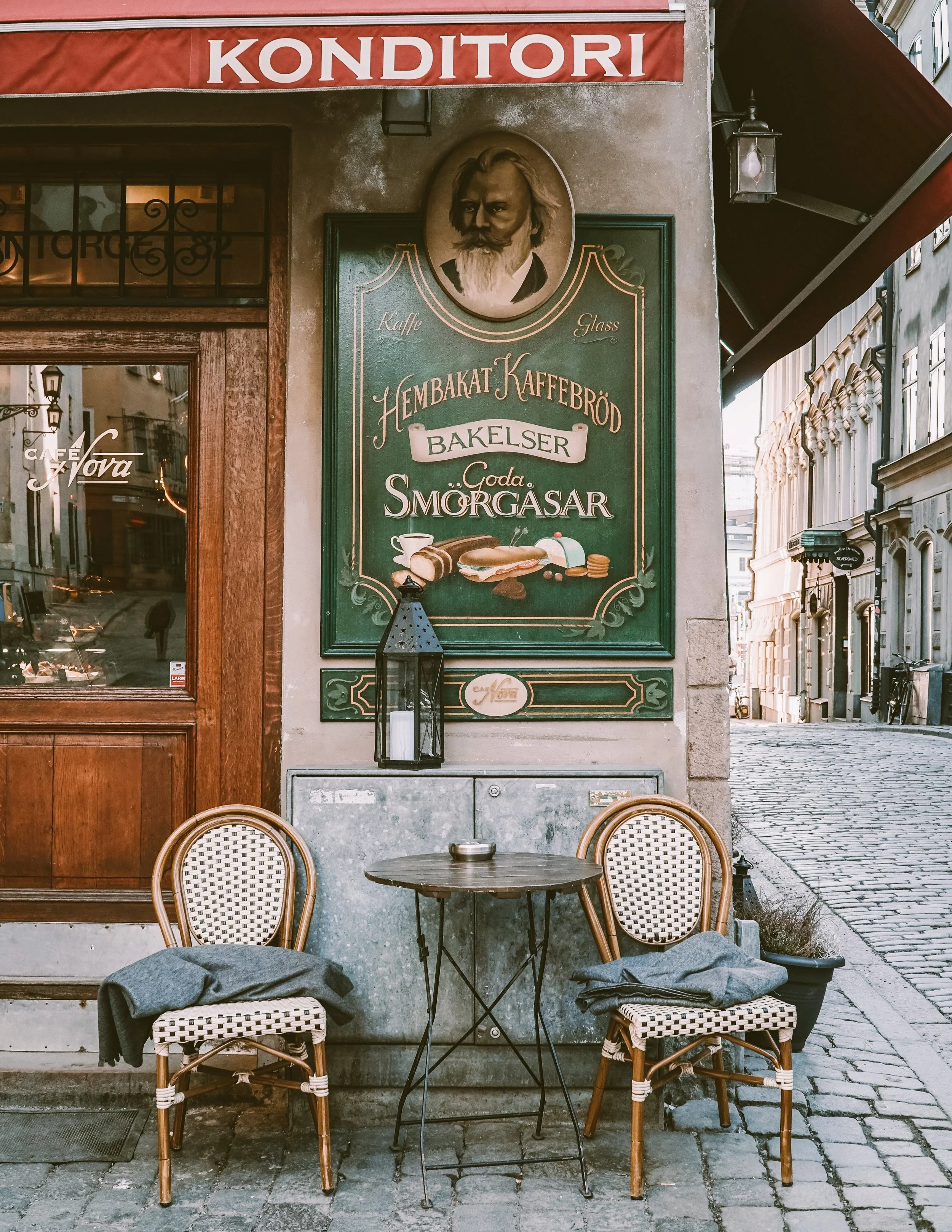
FIKA
Fika isn't a coffee break. Swedes will correct you on this within about ten seconds if you call it that. It's a verb and a noun both — you have a fika, or you fika with someone — and the coffee, strong and usually black, is almost beside the point, even in a country that consistently ranks among the world's heaviest coffee drinkers per capita. What matters is the pause itself: work stops, phones go face-down, and for fifteen or twenty minutes nobody's in a hurry to get back to anything. Offices schedule it. Families build entire Sundays around it. It happens at least twice a day, most days, without anyone treating that as excessive.
What tends to get lost in translation is the food. Sweden has one of the most quietly serious pastry cultures in Europe, and almost none of the reputation to go with it — overshadowed abroad by French patisserie and Italian espresso bars, while Swedish bakers have spent a century perfecting things most visitors have never heard of. Cinnamon buns are the obvious entry point, but they're really just the beginning.
There used to be a rule — seven kinds of biscuits, no more, no less, served at any respectable fika — and while nobody enforces it strictly anymore, the instinct behind it says something real: too few looks stingy, too many looks like showing off. What survives today is a small, specific canon of sweets worth knowing before you sit down at a café counter and have no idea what to point at.
Here's where to start:
Order any of these without hesitation — every café in the country stocks most of them, and getting it wrong isn't really possible.
Kanelbulle — The one everyone knows, even if not by name: soft cinnamon dough coiled into a spiral, crowned with pearl sugar. The baseline every Swedish bakery gets judged against.
Kardemummabulle — Same family, different spice. Skips the cinnamon for cardamom, less sweet, more aromatic — the one regulars quietly prefer once they've had both.
Semla — A cardamom bun sliced open, packed with almond paste and whipped cream, dusted in powdered sugar. Strictly seasonal: from just after New Year until Fat Tuesday (Fettisdagen), in February or early March.
Prinsesstårta — Sponge, raspberry jam, and vanilla cream domed under a shell of pale green marzipan. Too formal for daily fika — this is the cake for birthdays, and it shows.
Carl Gustaf-tårta — a classic Swedish layer cake made with sponge cake, chocolate-brushed meringue, vanilla cream, sliced banana, and whipped cream, all covered with a yellow marzipan lid and dusted with cocoa powder.
Kladdkaka — Deliberately underbaked chocolate cake, gooey enough in the center that a knife won't come out clean. The opposite of elegant, and nobody minds.
Mazarin — A short-crust tart filled with almond paste, glazed white on top. French or Italian in origin, but Sweden claimed it centuries ago and never gave it back.
Lussekatter — Saffron-yellow buns twisted into an S-shape, studded with raisins, baked only around St. Lucia's Day in December. Taste like Christmas smells.
Chokladboll — No oven required: oats, cocoa, butter and sugar rolled by hand, finished in coconut flakes. The one every Swedish child learns to make before they can properly bake.
Dammsugare — Literally "vacuum cleaner," named for its resemblance to a 1920s model: a log of cake crumbs and cocoa, wrapped in green marzipan, chocolate-dipped at both ends. Built originally from leftovers, and Swedes have never seen a reason to stop.
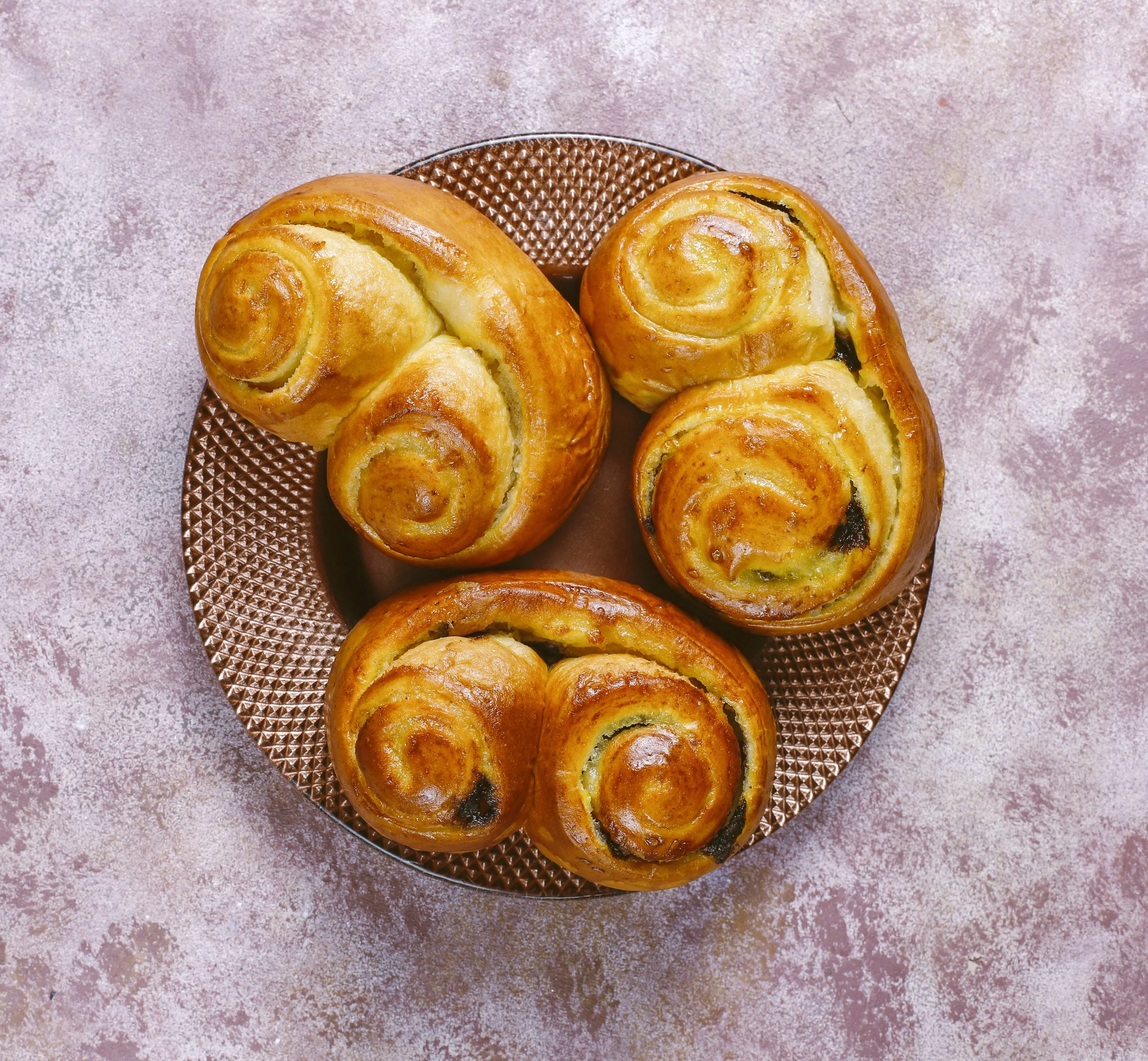
Lussekatter
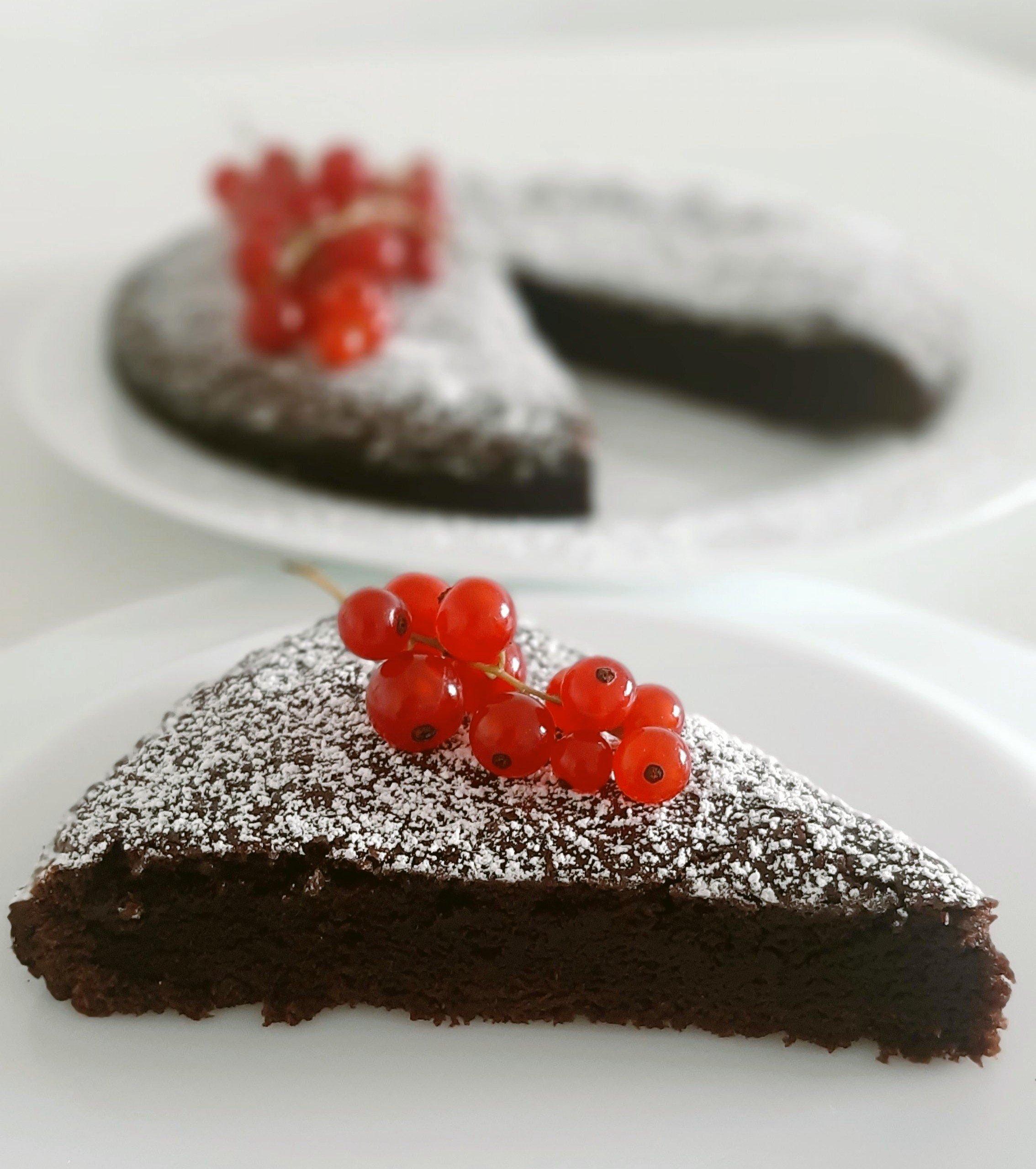
Kladdkaka
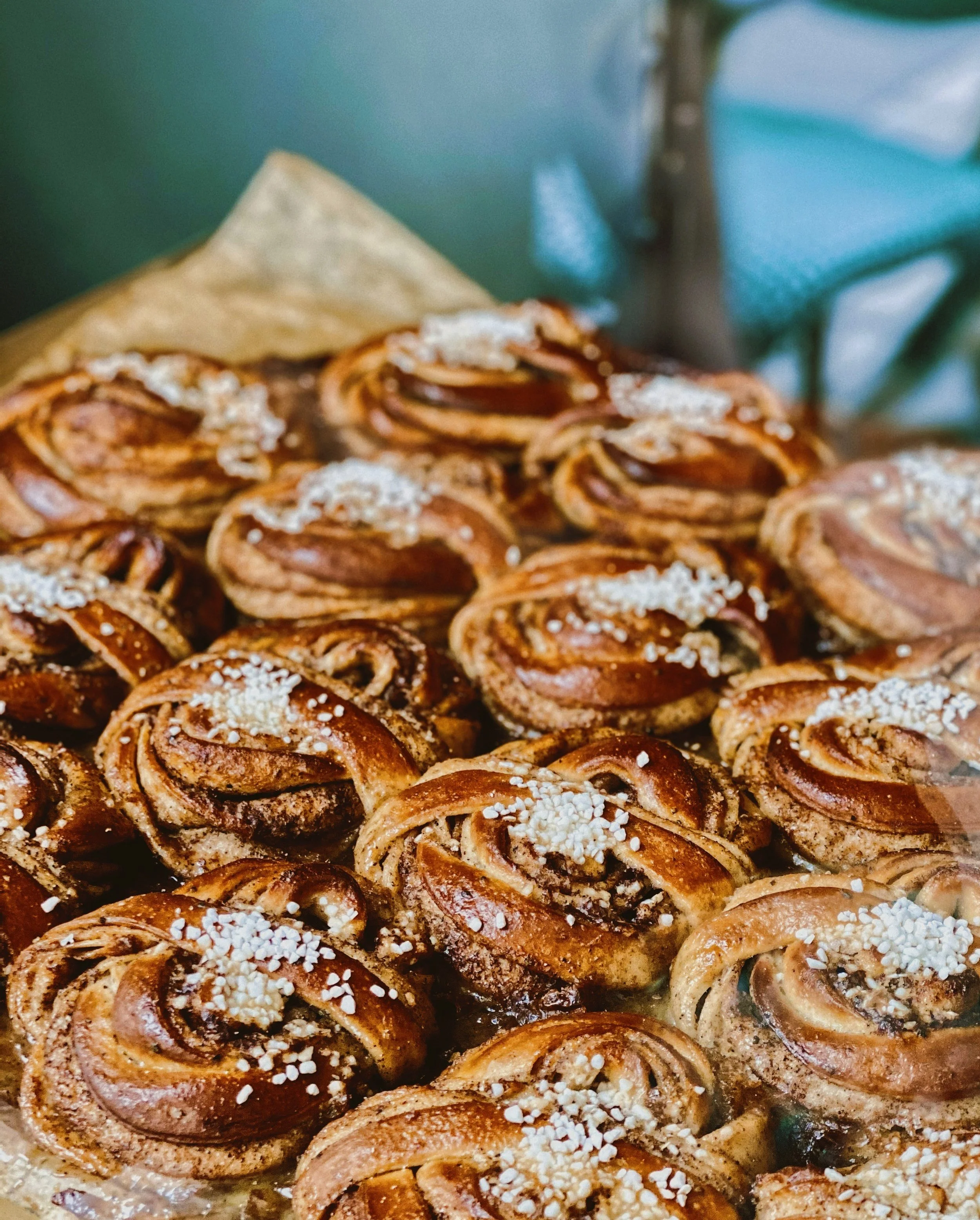
Kanelbulle - Cinnamon bun
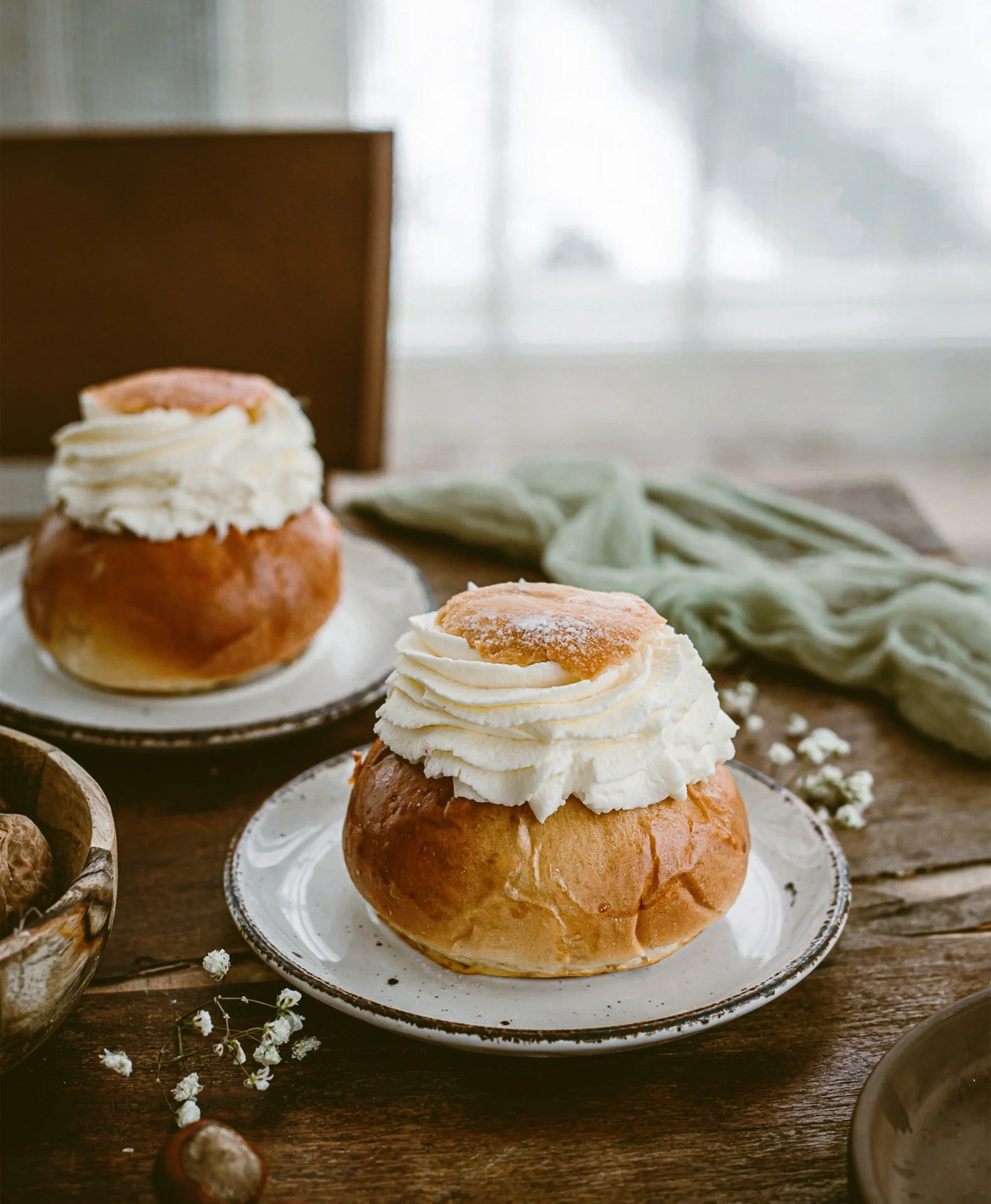
Semla
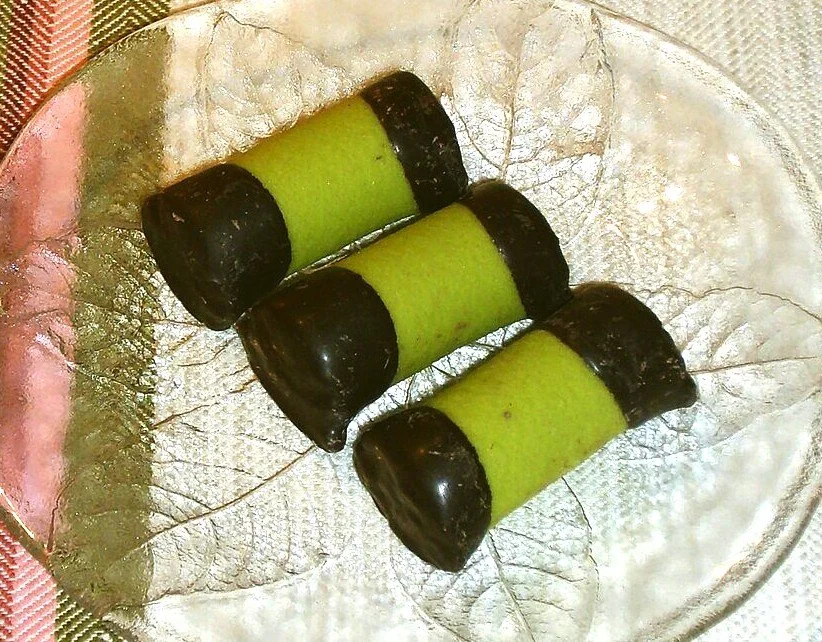
Dammsugare
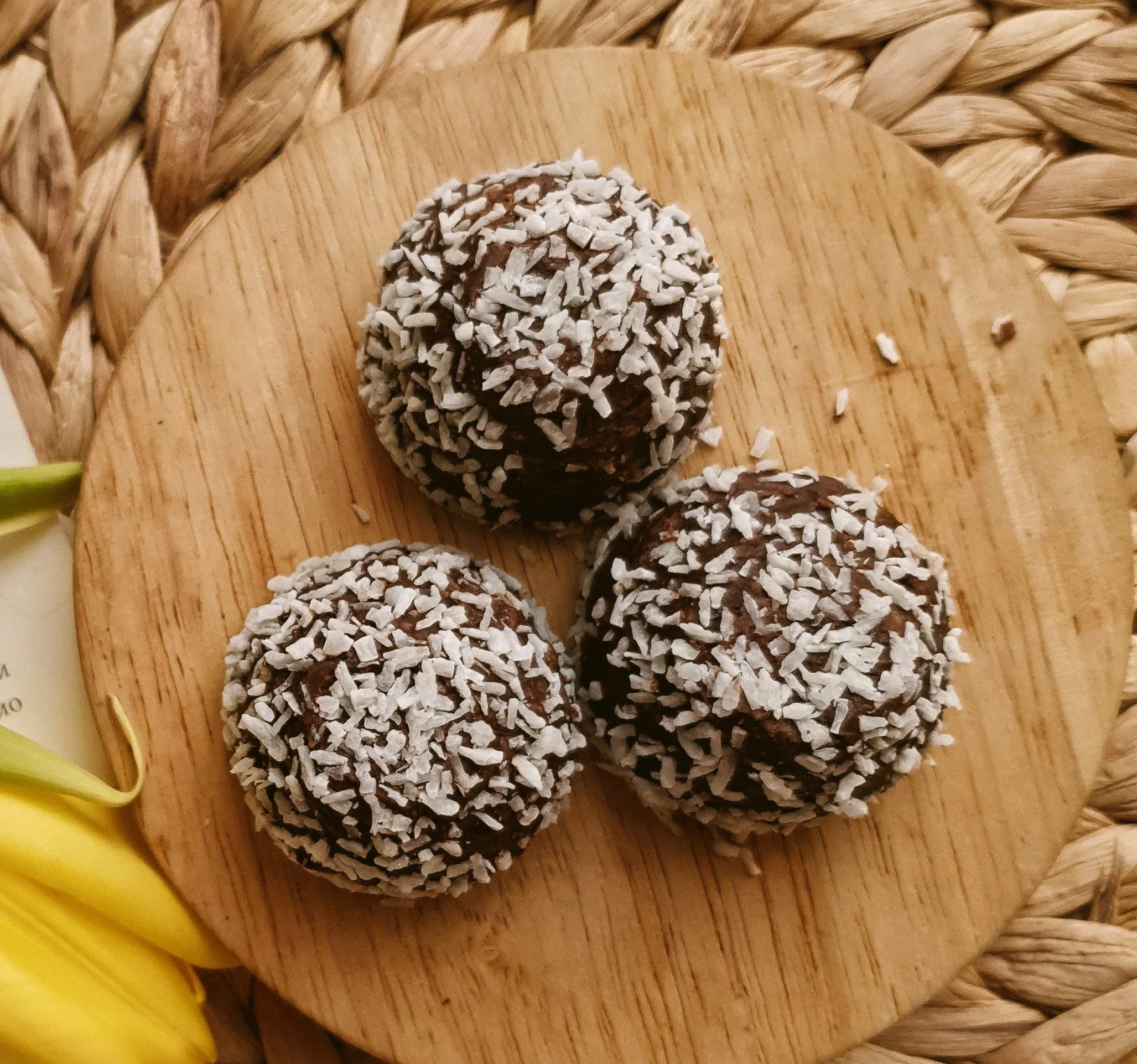
Chokladboll
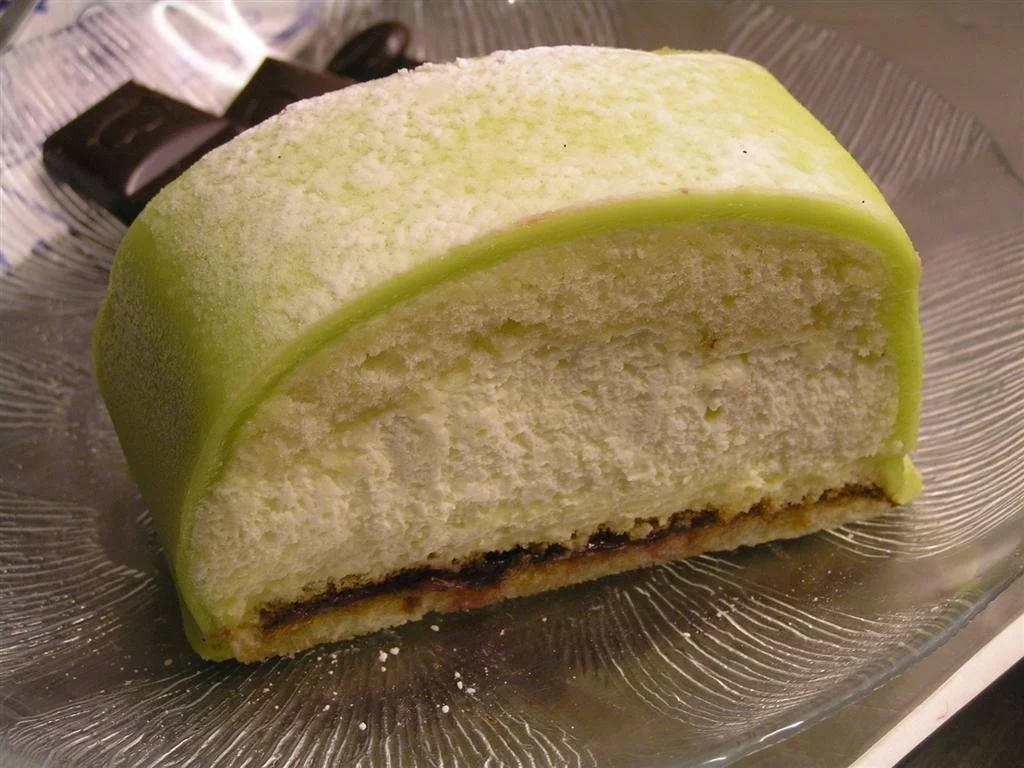
Prinsesstårta
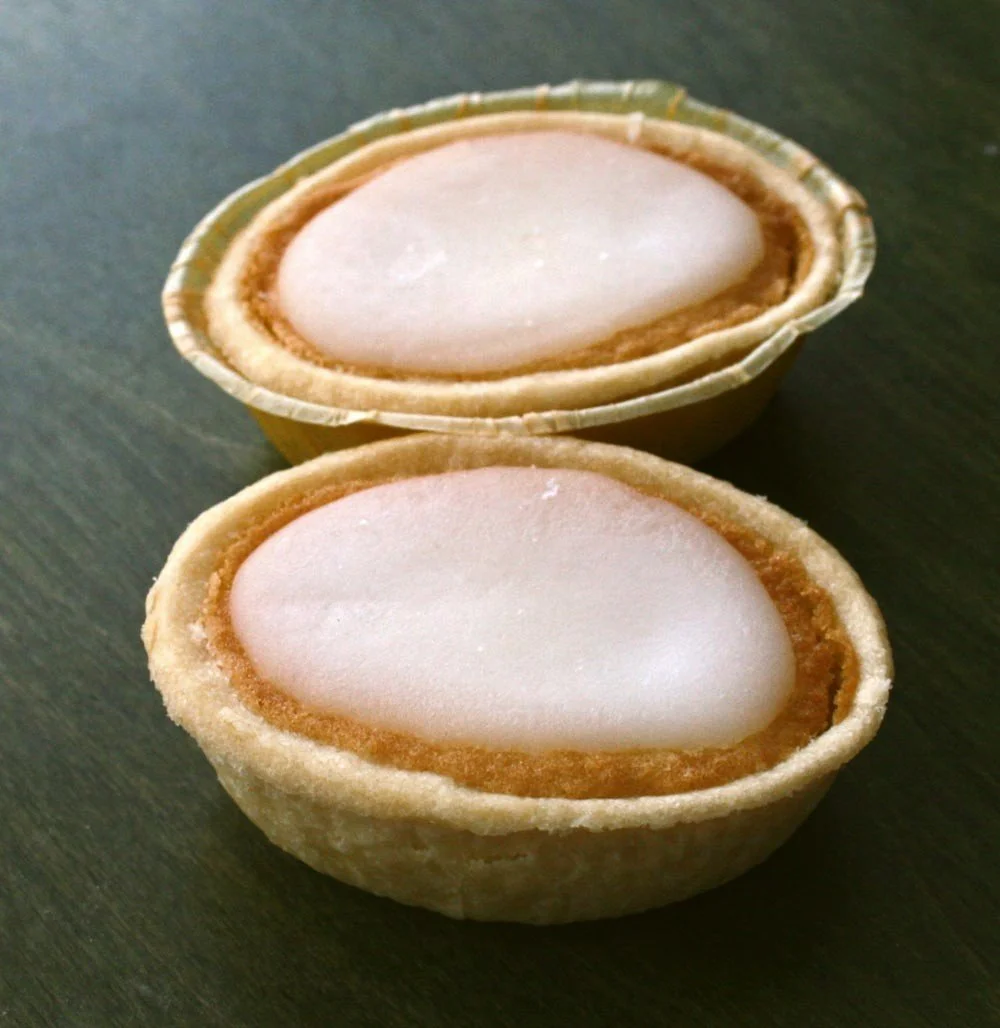
Mazarin