DJURGÅRDEN
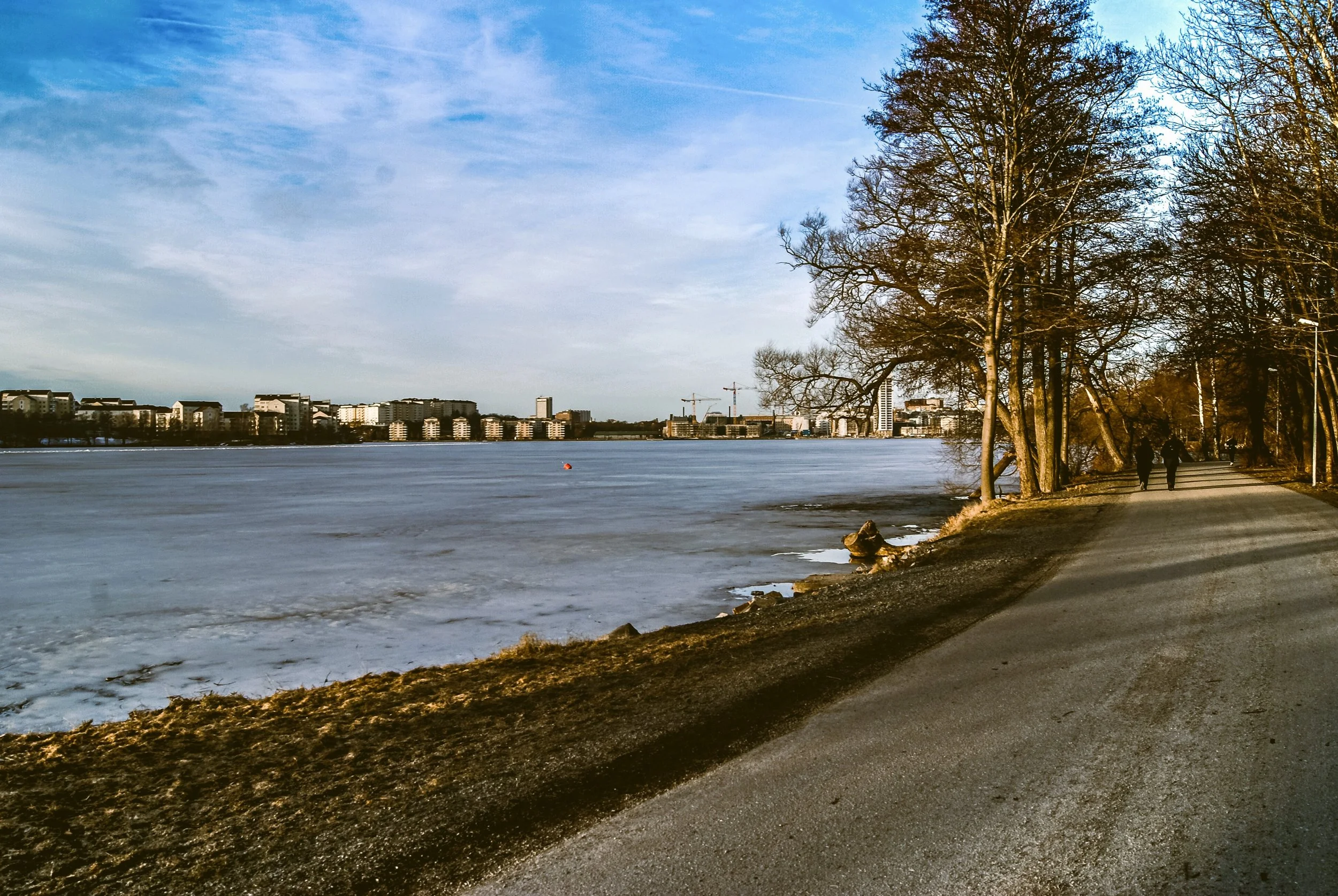
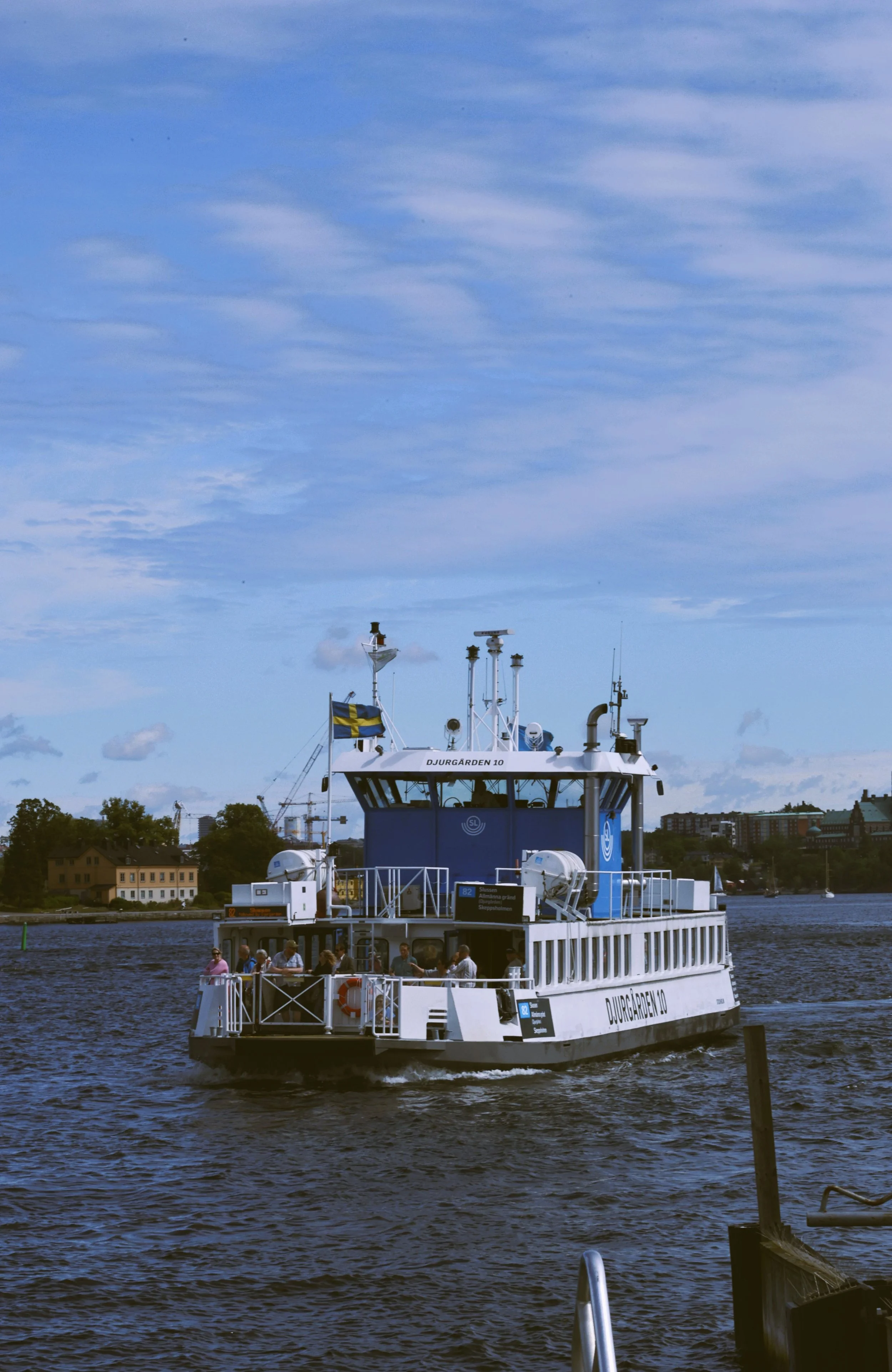
Kings used to hunt here. That's the whole origin story — a royal game reserve, fenced off from the rest of the city for centuries, deer and boar roaming under oak trees while Stockholm built itself up on the mainland across the water. Somewhere along the way it opened to everyone, and the hunting grounds turned into the single greenest, most improbably concentrated stretch of culture in the city: no cars, no through-traffic, just forest paths, royal gardens, the odd scream from Gröna Lund's rollercoaster drifting through the trees, and three of Sweden's biggest museums sitting a short walk from each other like nobody planned it that way.
You could spend an entire day here without setting foot indoors — Rosendals Trädgård, tucked into the trees, grows its own vegetables biodynamically and serves them straight from a wood-fired oven, no sign from the road to give it away. But the indoors is where Djurgården earns its reputation. A 17th-century warship that sank on its maiden voyage. An entire museum-village of transplanted Swedish history, animals included. And, a short walk from both, four people from the 1970s who changed what pop music sounds like. Different centuries, same island.
SKANSEN
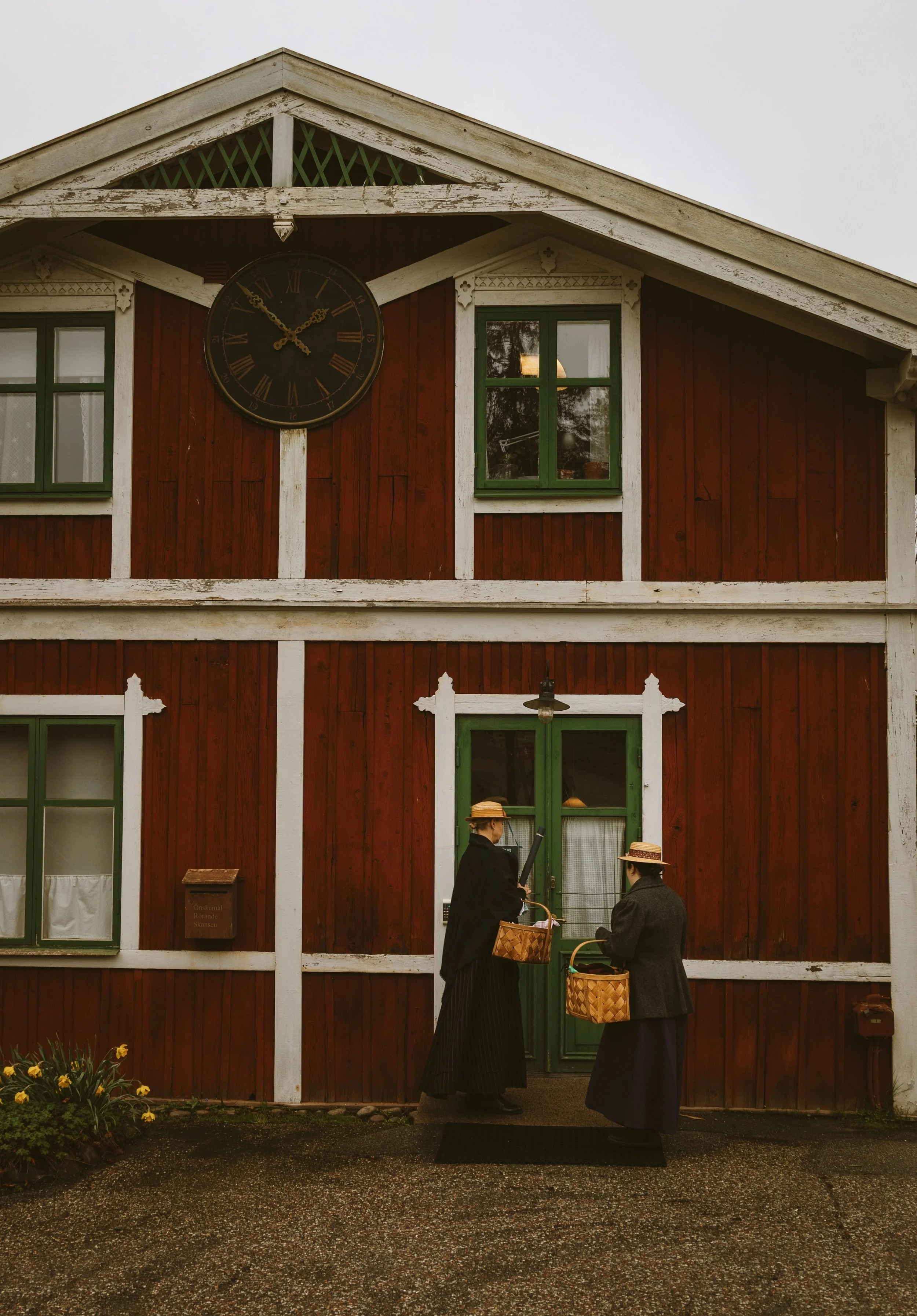
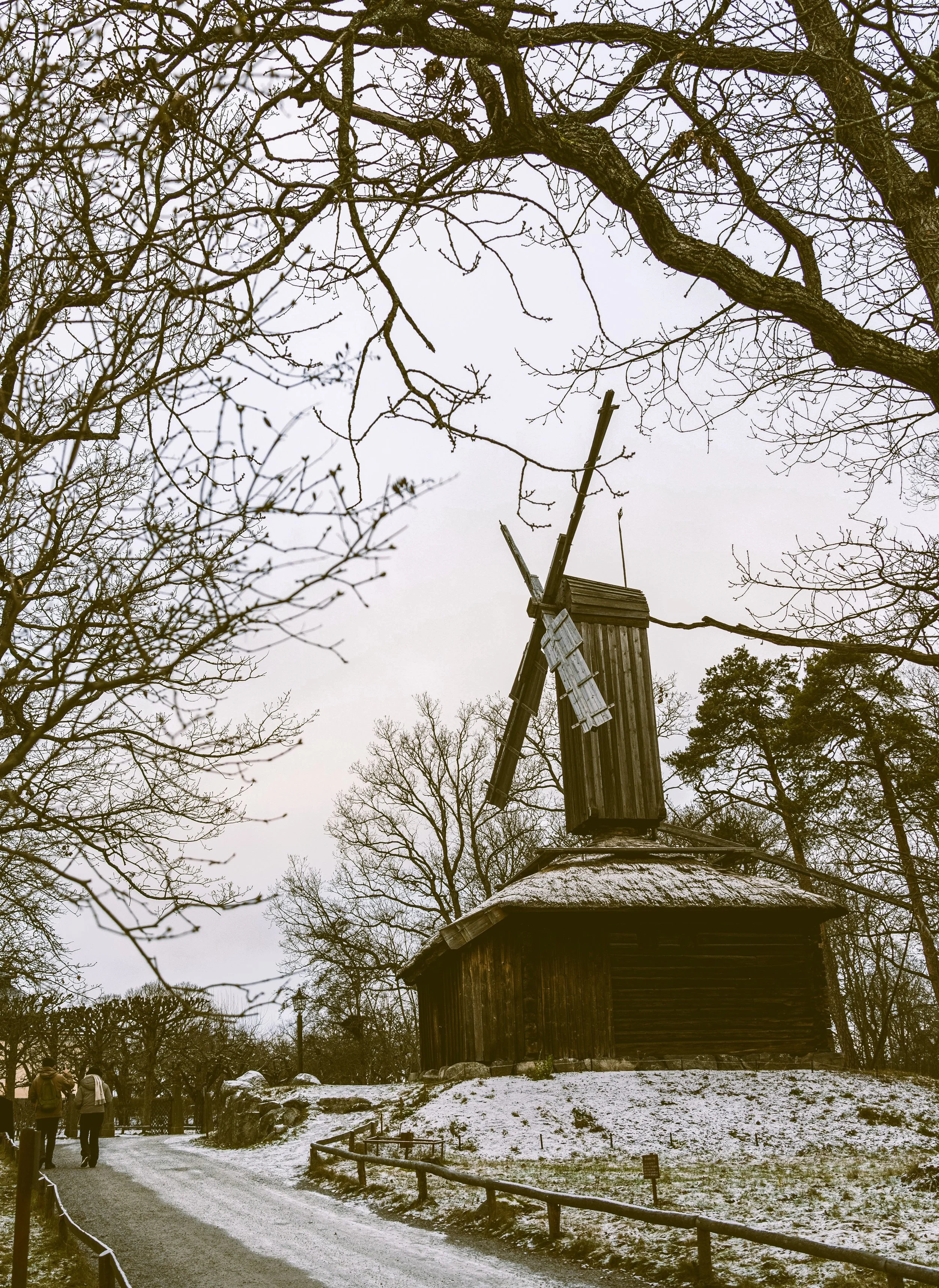
Artur Hazelius saw industrialisation coming for Swedish rural life in the 1880s and decided to save it before it disappeared — so he bought around 150 buildings from every corner of the country, farmhouses and churches and workshops, dismantled them beam by beam, and rebuilt them here on a hillside overlooking the water. It opened in 1891, the first open-air museum anywhere in the world, and every version since — half of Central Europe has its own "skansen" now — copies this one. Swedes are unusually good at this particular trick: recreating exactly how life used to be, right down to the costumed glassblowers and the bread still baked in wood-fired ovens. Wander the farmsteads, find the reindeer and the odd wandering moose, then stop for coffee in a 19th-century café room that never got the memo about what century it's in. [Skip the ticket line →]
abba museum
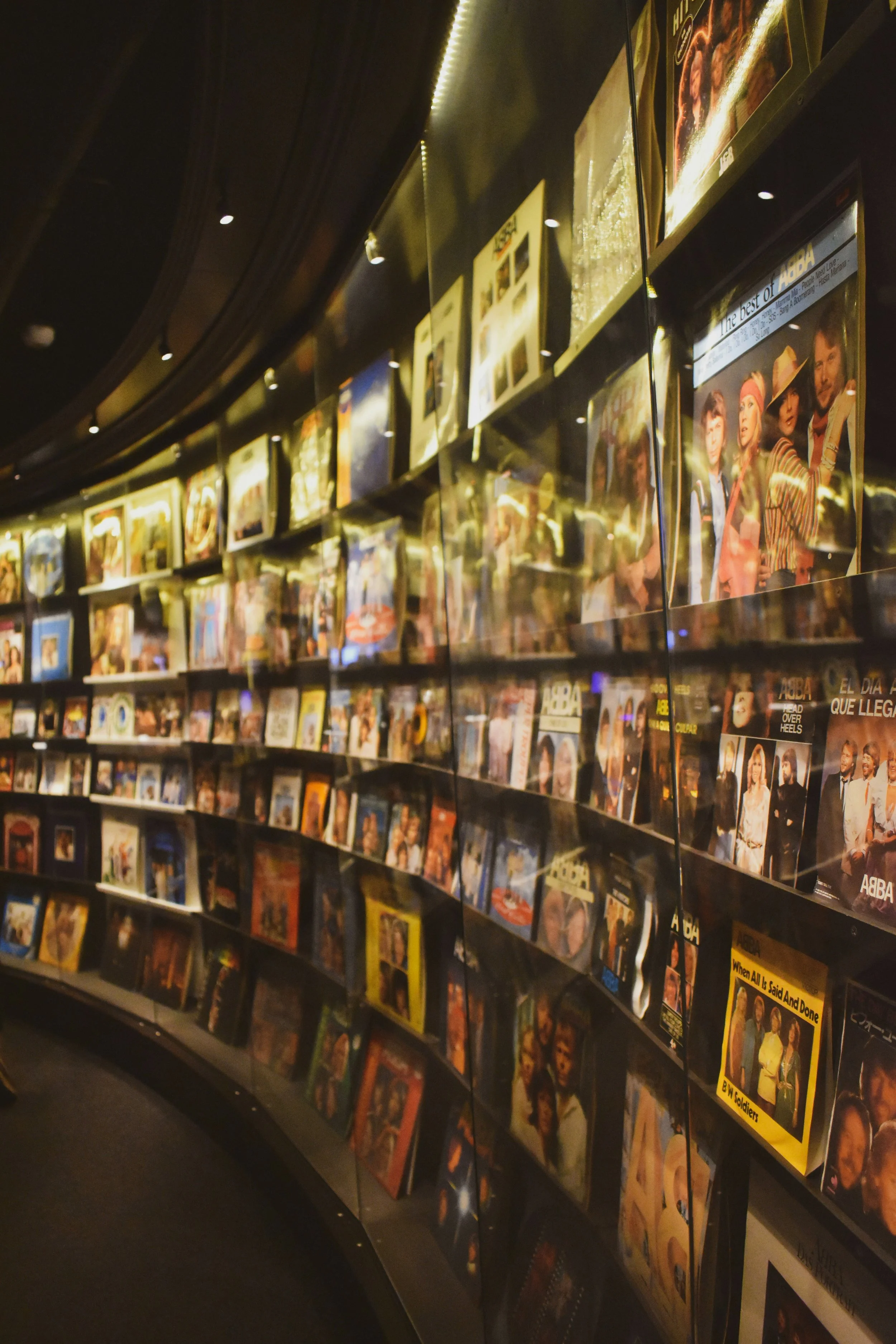
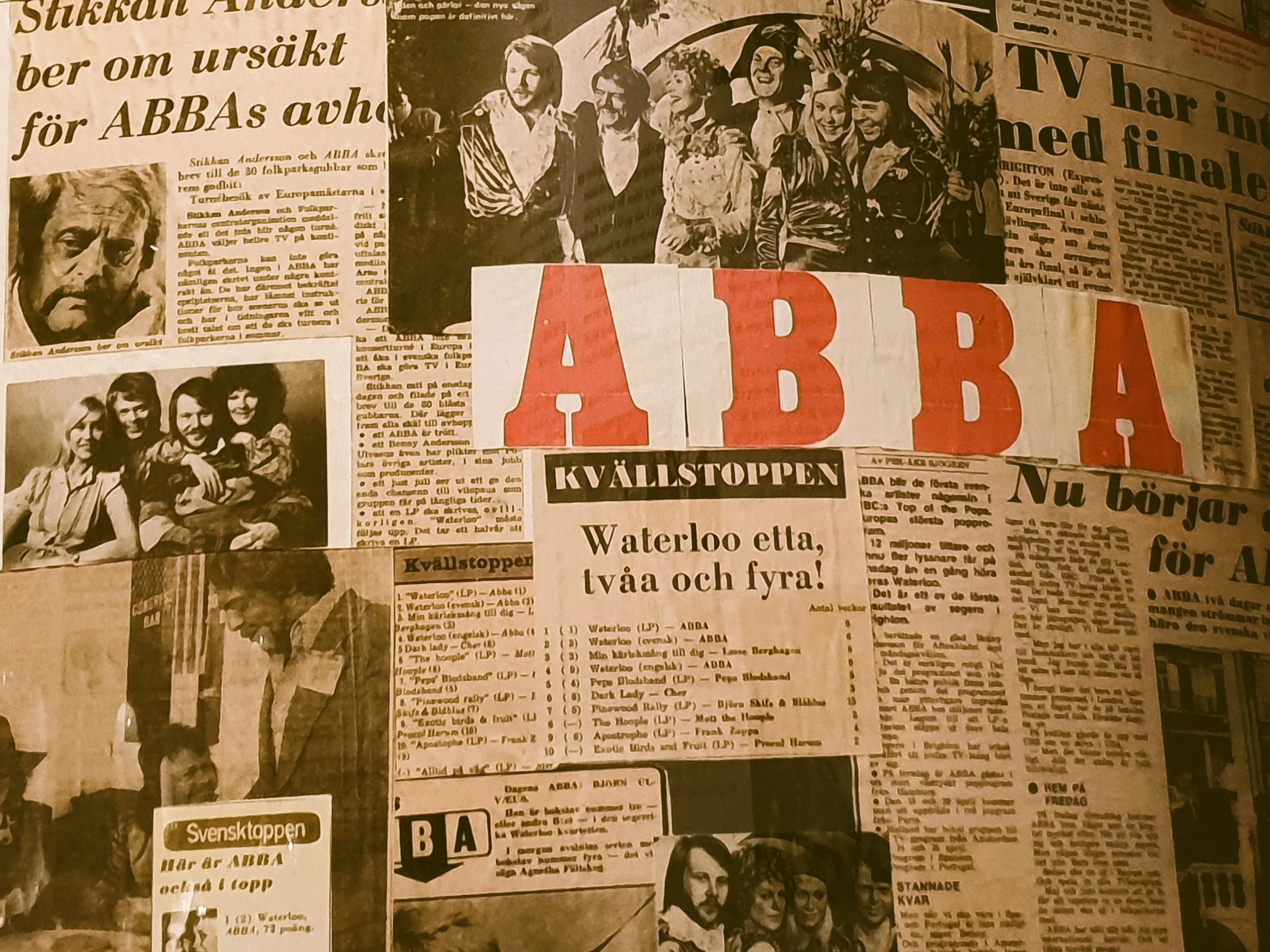
Four Swedes sold something like 400 million records and this is what they did with the legacy: a museum that refuses to let you just look at things. There's a recreation of Polar Studio where they actually recorded, original stage costumes glittering behind glass — and then, unavoidably, the stage where you go up and sing alongside holograms of Agnetha, Björn, Benny and Frida, motion-capture and all, whether you can carry a tune or not. Nobody leaves without doing it. That's sort of the design. [Skip the ticket line →].
VASA MUSEUM
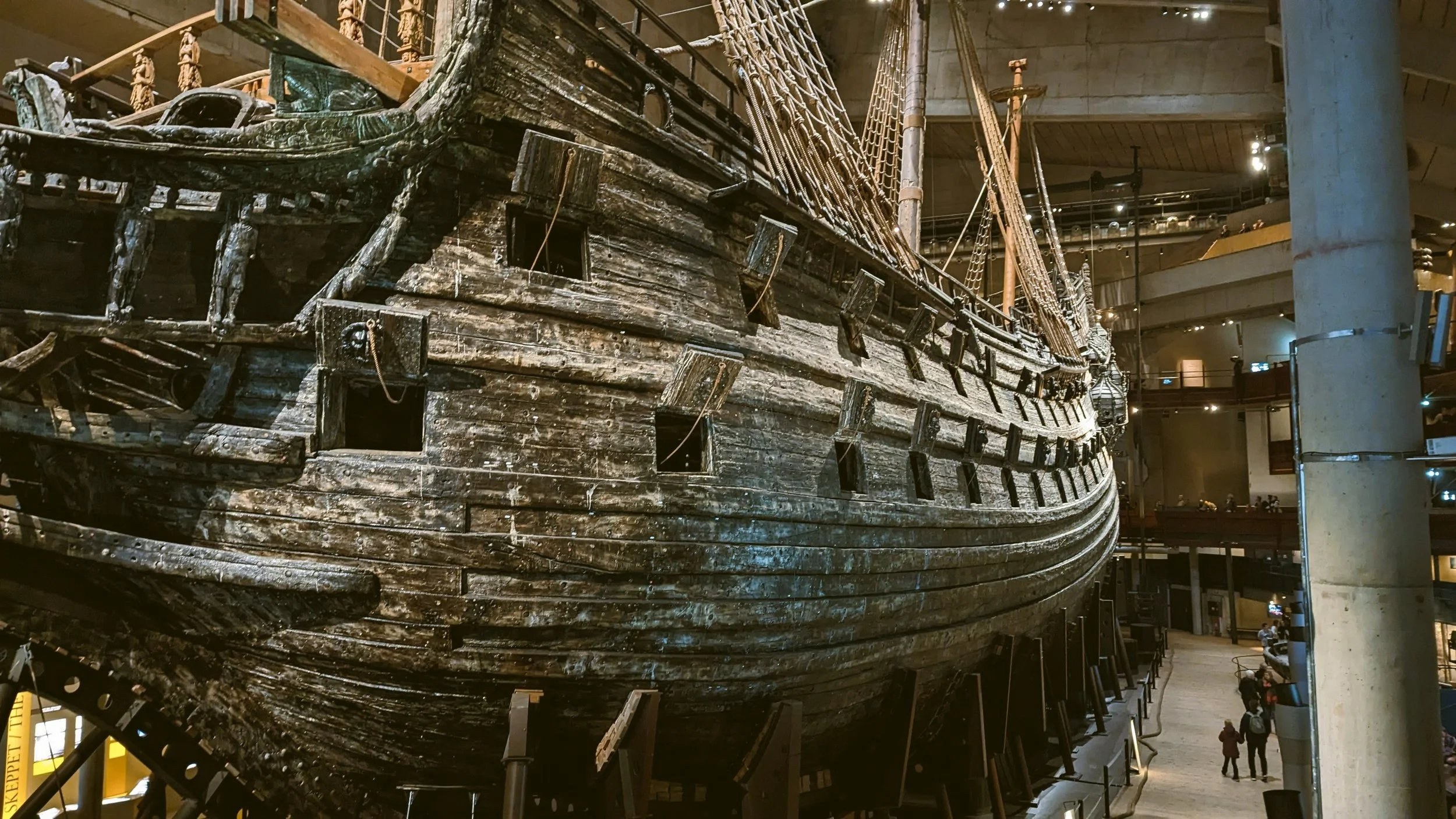
King Gustav II Adolf wanted the mightiest warship in the Baltic, and got one — 64 bronze cannons, gold leaf, carved lions, a message to the world that Sweden had arrived. He named it Vasa, after his own royal house, whose emblem — a gilded sheaf of wheat — is still carved into the stern. It sailed about 20 minutes before a gust of wind tipped it over and water poured through the open gun ports, sinking in full view of the crowd that came to watch it leave. It sat on the harbour floor for 333 years until it came up almost entirely intact in 1961. The museum built around it is now the most visited in Scandinavia — six levels, close enough to see individual carvings, no glass between you and 400-year-old timber. [Book in advance →]
BOOK A DJURGÅRDEN WALKING TOUR
Djurgården packs Skansen's open-air museum, the Vasa's intact 17th-century warship, and a green island in between — a guided walk ties the three together in one afternoon.
[Find tickets →]