THE ARCHIPELAGO
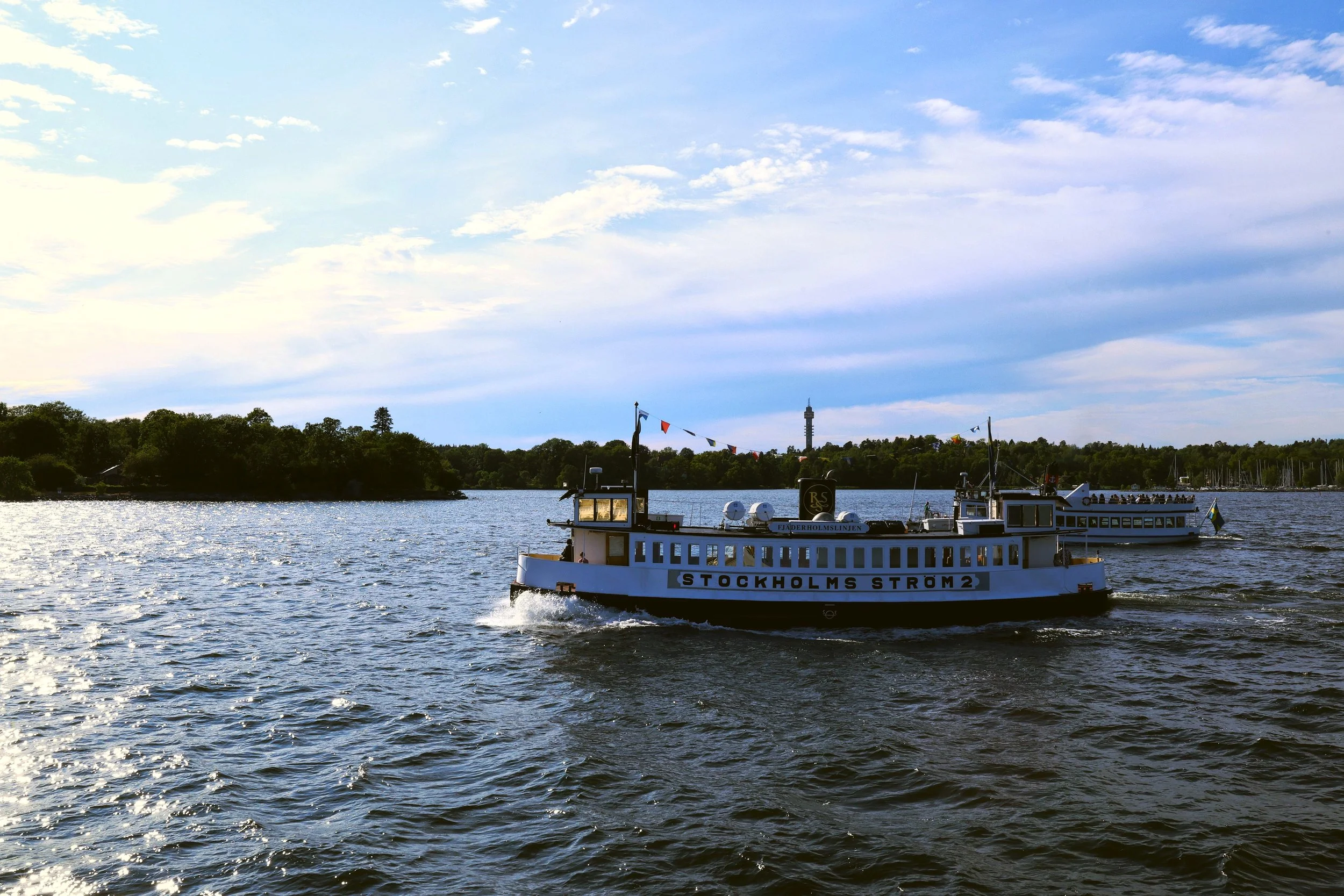
Stockholm's city limits are a technicality. Step past them and the water doesn't stop — it just keeps scattering into land, some 30,000 islands and skerries spreading east into the Baltic, most of them empty, a handful of them exactly where Stockholmers actually want to be come June.
There's a reason so many of these islets share the same ending in their name — Fjäderholmarna, Vaxholm. "Holm" is Old Norse for a small islet, and it's the same word buried in "Stockholm" itself: stock, meaning log, plus holm. The city was quite literally named after being an island among islands, long before anyone thought to count how many.
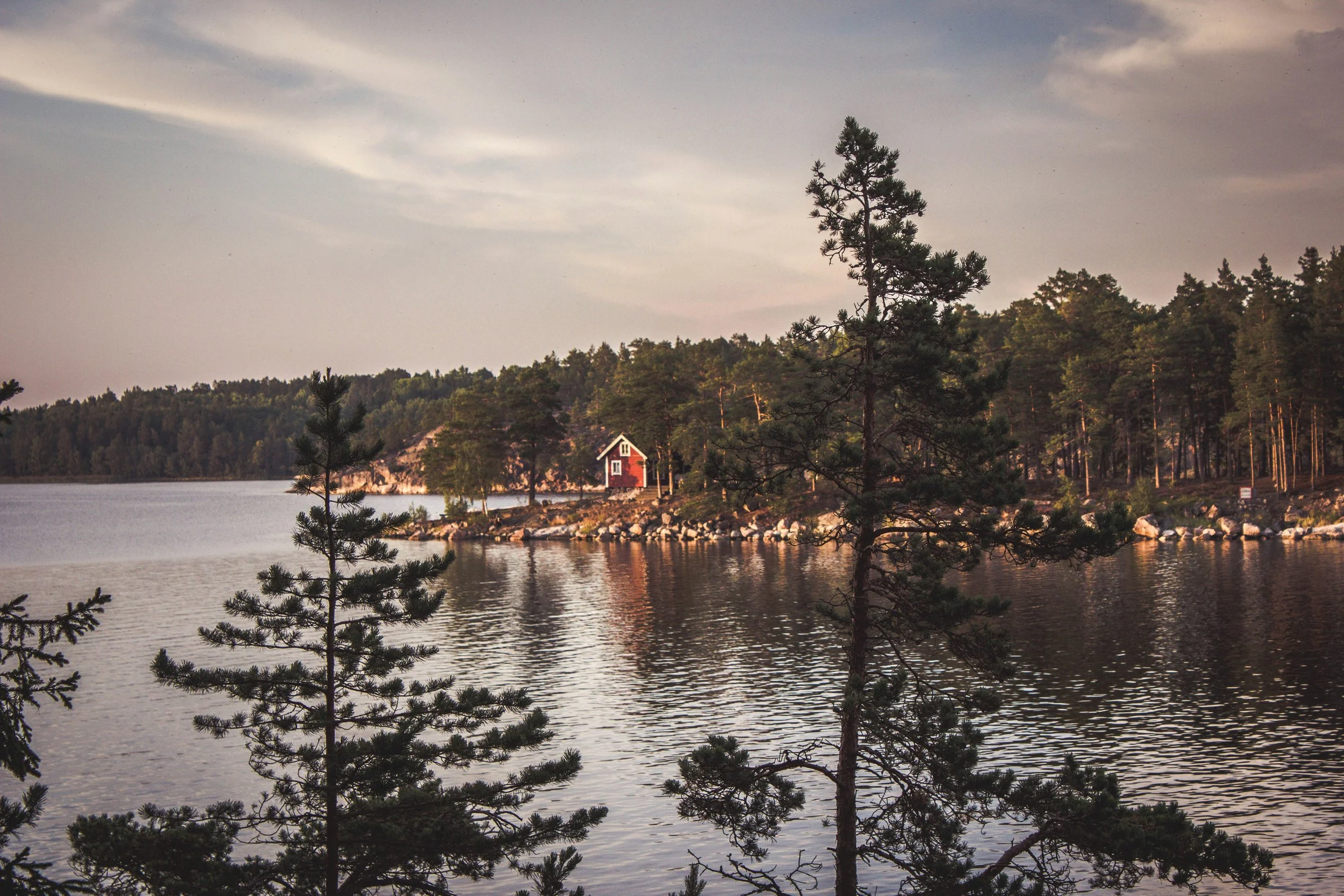
This isn't a day trip tacked onto the city. It's where the city goes on weekends, where families have kept the same red summer cottage for four generations, where "going to the archipelago" is such an ordinary sentence that saying it out loud barely registers as a plan. The ferries are ordinary public transport, running from Strömkajen like any other commute. Nobody treats this as an excursion into the wild — it's closer to a second, quieter version of the same life, one boat ride away, and most Stockholmers would struggle to explain the city without it.
GRINDA
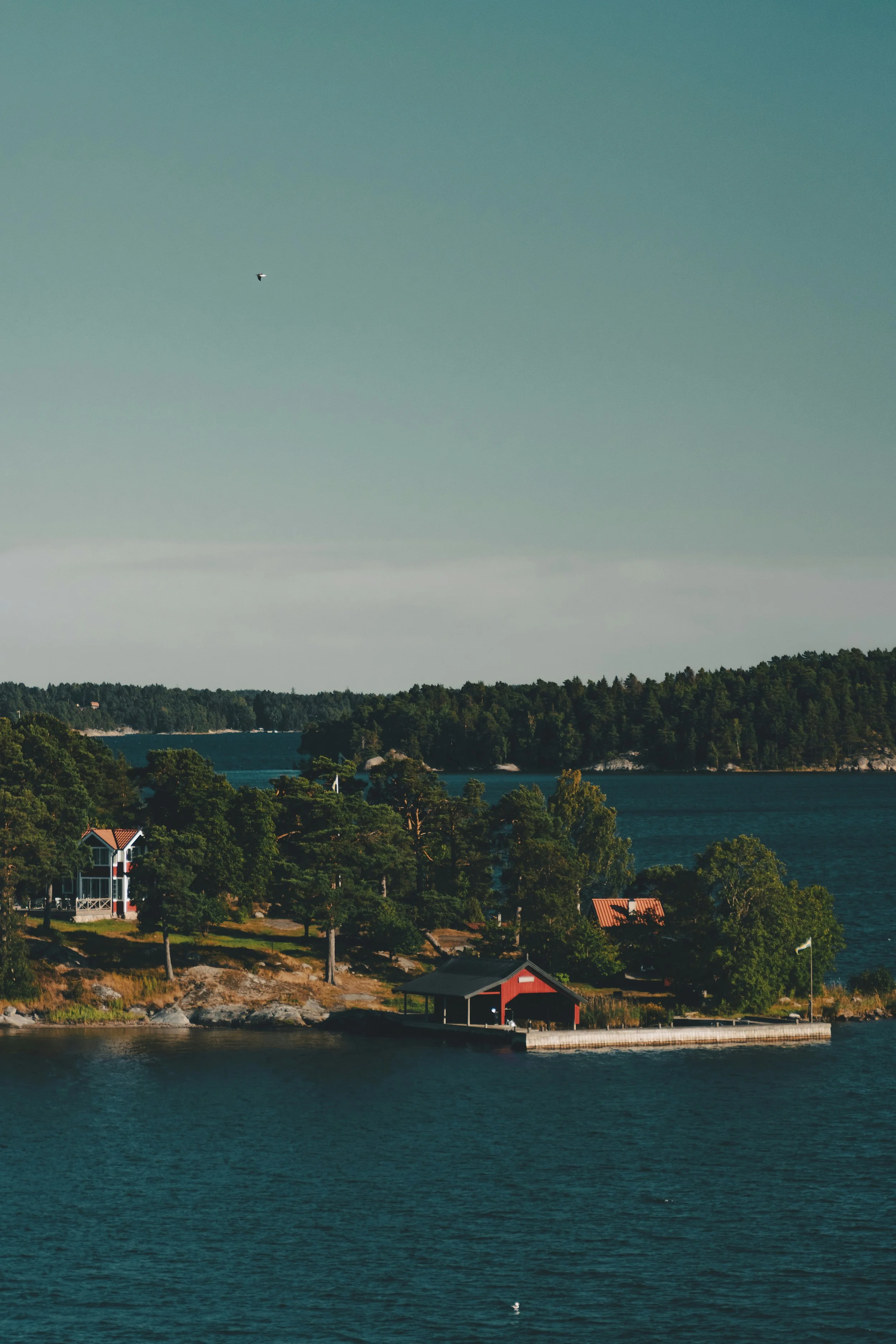
No cars, barely a road even — just pine forest, granite sloping into the water, and a nature reserve of about 500 hectares that most Stockholmers would send you to first if postcard-perfect is what you're after. It gets far busier once summer hits, but the trails still thread between swimming coves on both the north and south shore.
Grinda Wärdshus, the old inn at the south harbor, started life as a Nobel Foundation director's private villa in 1905 — now it's where you eat, or where you book the wood-fired sauna down by the jetty and do the thing Swedes have been doing here for a century: sweat, then walk straight into the Baltic. Come for the day if that's all you've got. Stay the night if you can.
Vaxholm
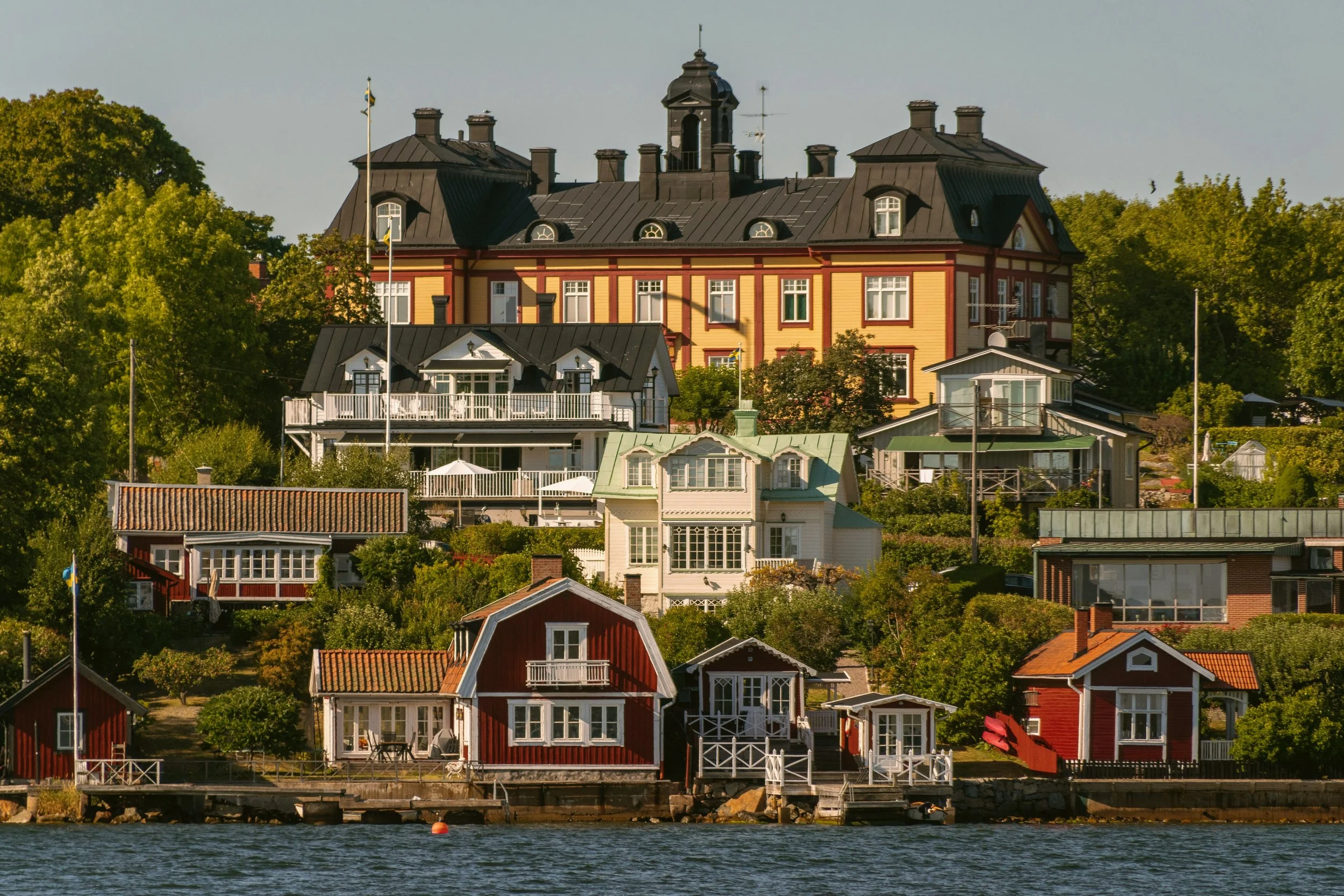
An hour by ferry, and Stockholm's noise just falls away — this is the town everyone means when they say "archipelago" without knowing exactly which island they're picturing. Small enough to walk end to end, painted the ochre and red of Swedish tradition, with a working harbor that still smells faintly of fish rather than sunscreen. The 16th-century fortress guarding the strait is worth the short boat crossing if it's running, but Vaxholm doesn't really need it to earn the trip. Swim at Norrhamnsbadet, a small sandy patch with wooden houses watching from every side, then dry off over fika at Vaxholms Hembygdsgårds Café — a spread of homemade cakes, three sides of water view, and absolutely no rush to catch the next boat back.
SANDHAMN
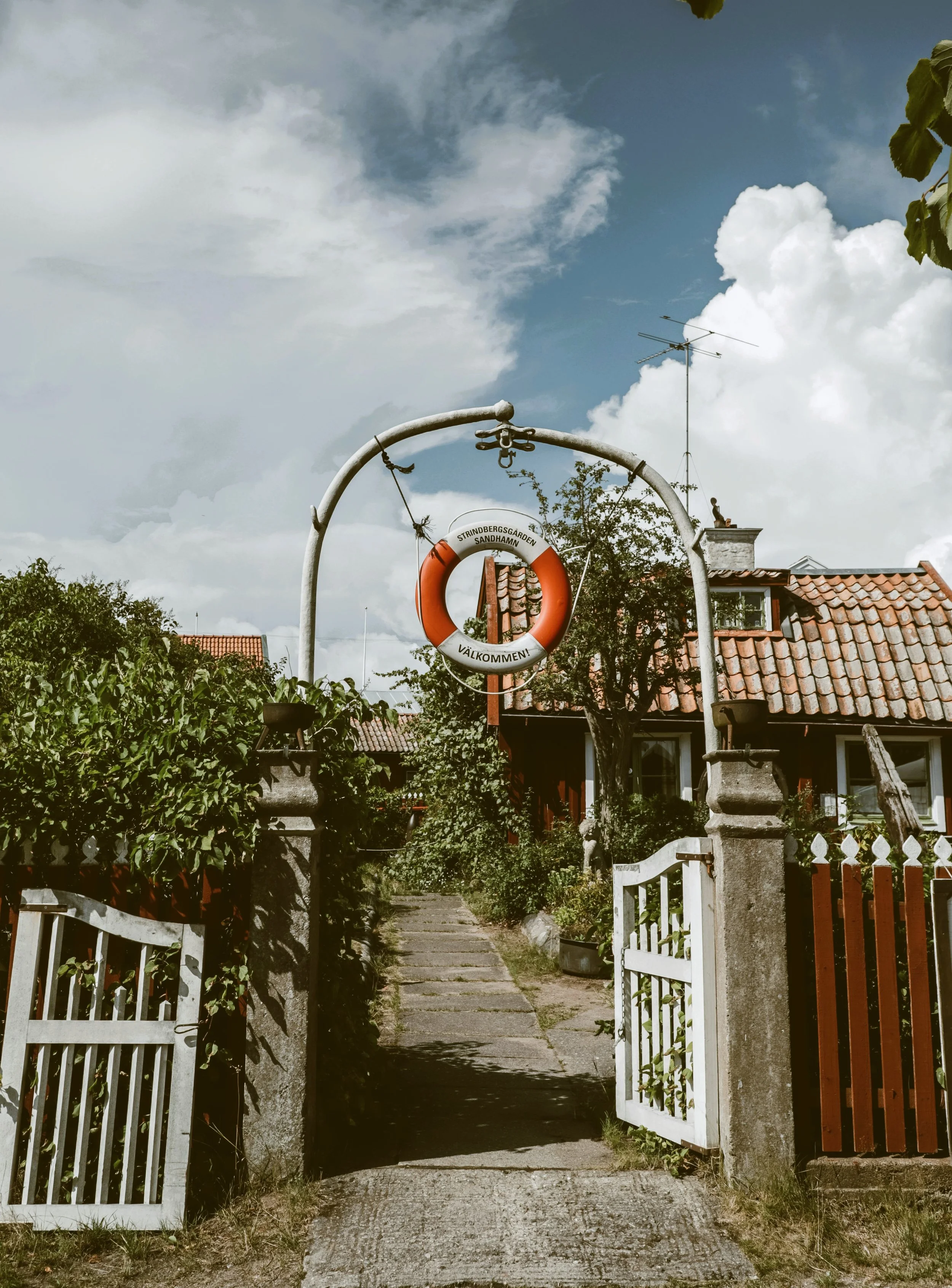
This is where sailing people go to sail — and to be seen doing it. The harbor fills with racing yachts every summer, and the Royal Swedish Yacht Club has called this island home since the 1800s. It started out as something much simpler: a sea pilot station, with small wooden cabins built in the 1700s. Some of them are still standing, tucked behind all the newer money now parked in the marina.
The best beach, Trouvillestranden, is a proper stretch of white sand — rare for the Baltic — reached by a short walk through pine forest from the village. It's the furthest of the three islands, a good two and a half hours by ferry, so know that before you commit to the day.
THE QUICK VERSION - FJÄDERHOLMARNA
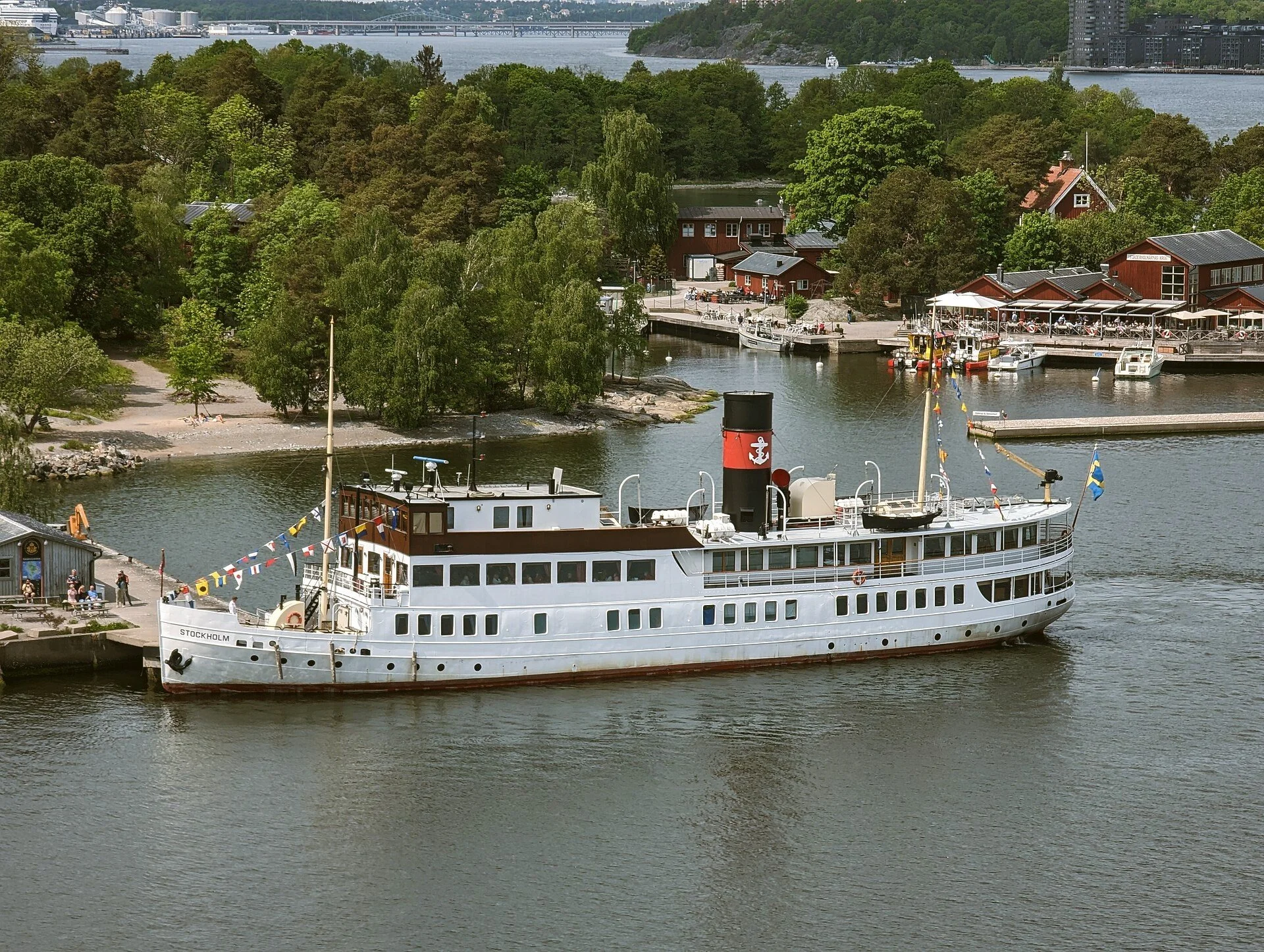
Not everyone has a full day to spare, and Fjäderholmarna doesn't ask for one. It's the closest island group to the city with smoked fish stalls, a small brewery, and rocks to swim off. Less archipelago than a genuine taste of it, squeezed into an afternoon.
Just 25 minutes by ferry from Slussen, no advance booking needed in summer.
BOOK YOUR STOCKHOLM ARCHIPELAGO CRUISE
Thousands of islands, most reachable only by boat — a half-day cruise gets you past the harbor and into the archipelago proper.
[Find tickets →]