THE MEDINA & SOUKS
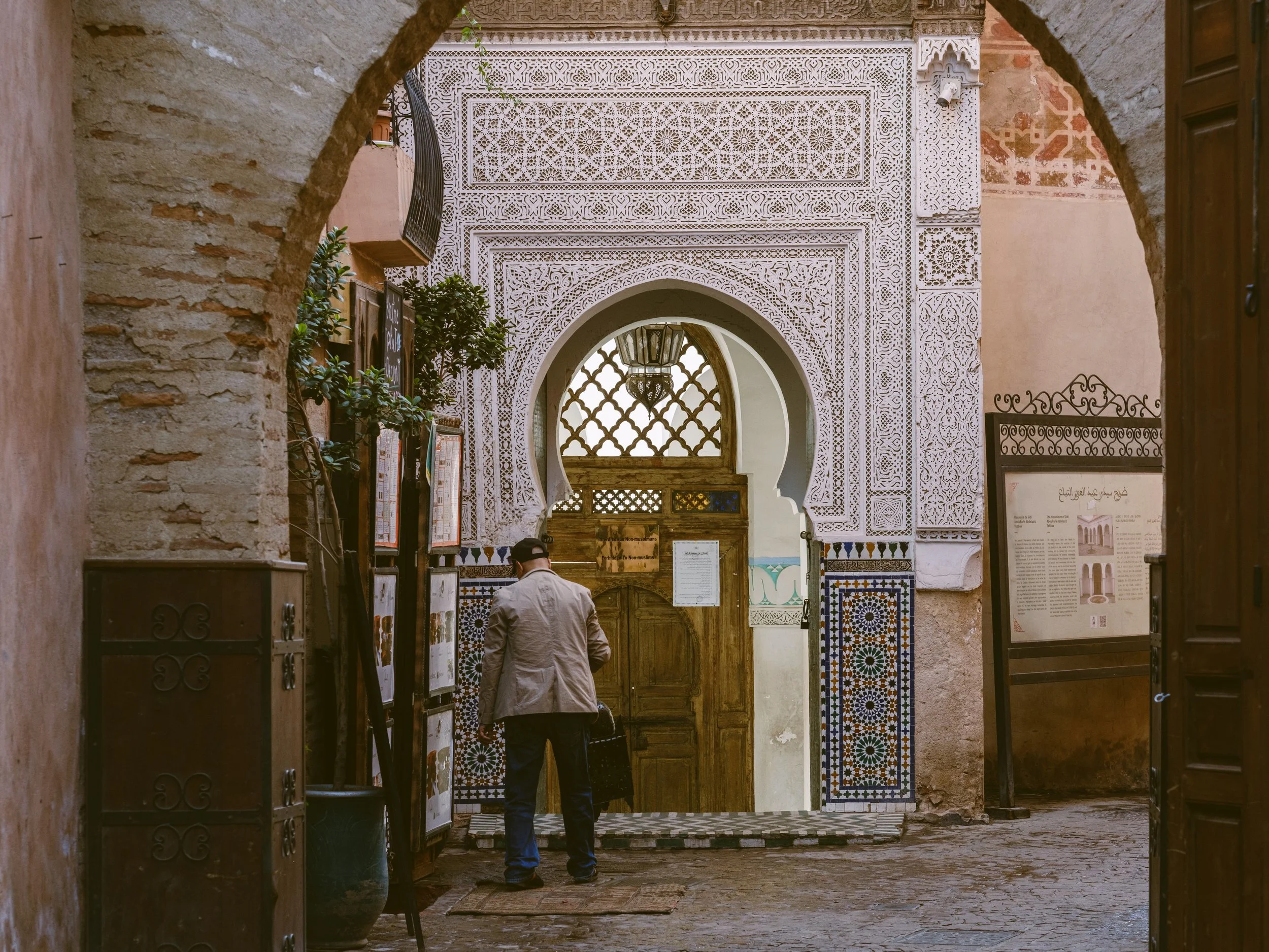
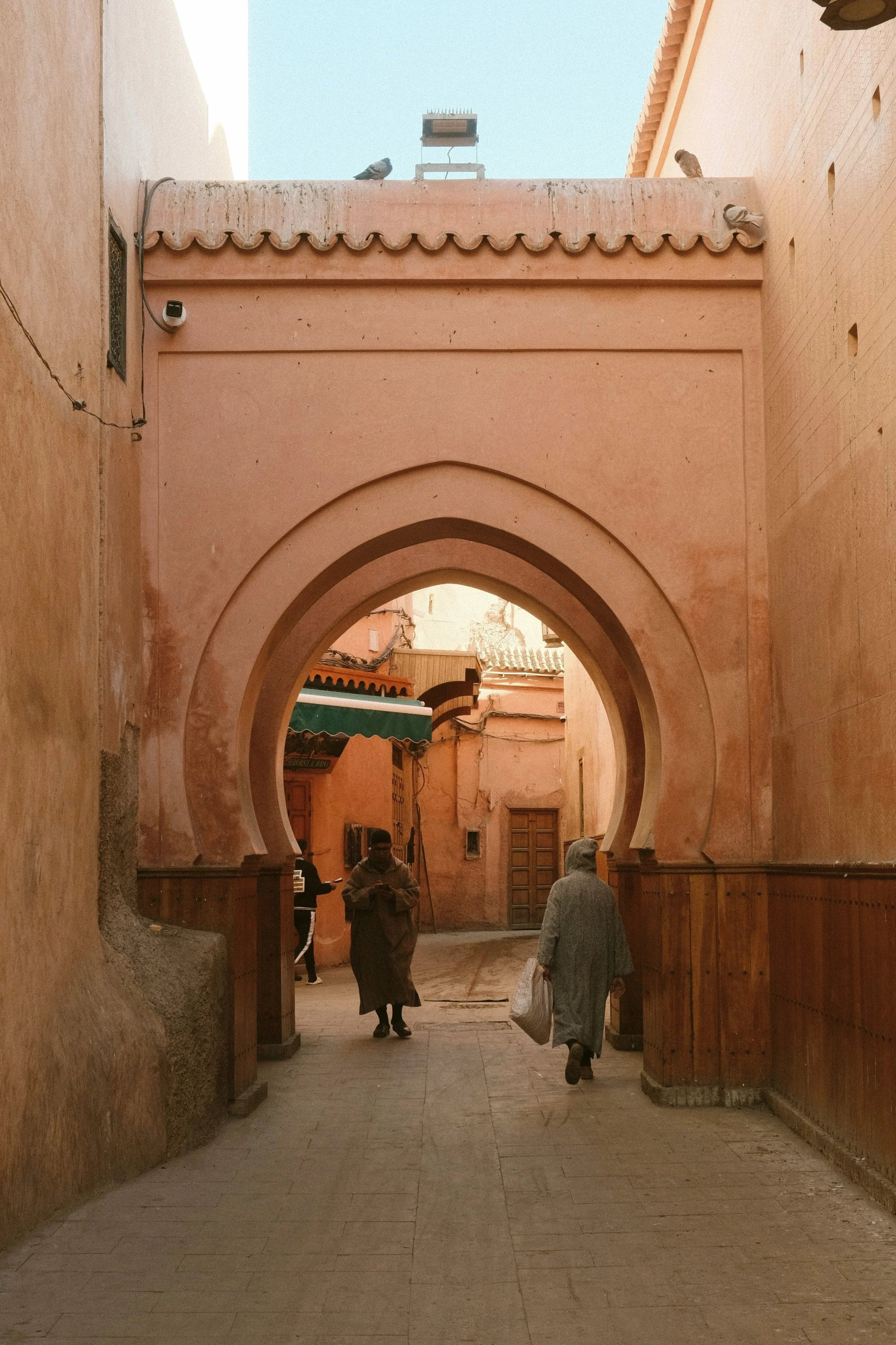
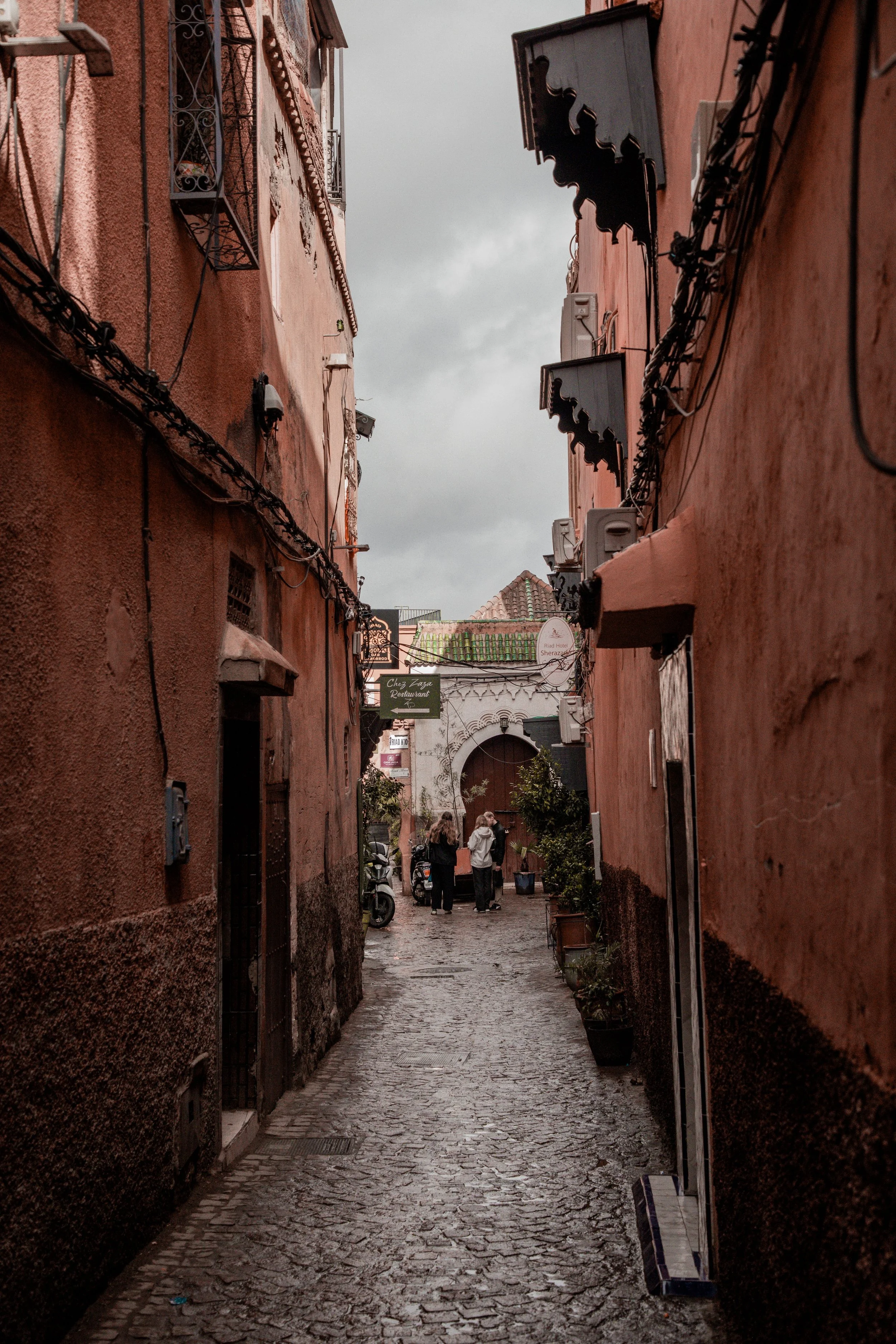
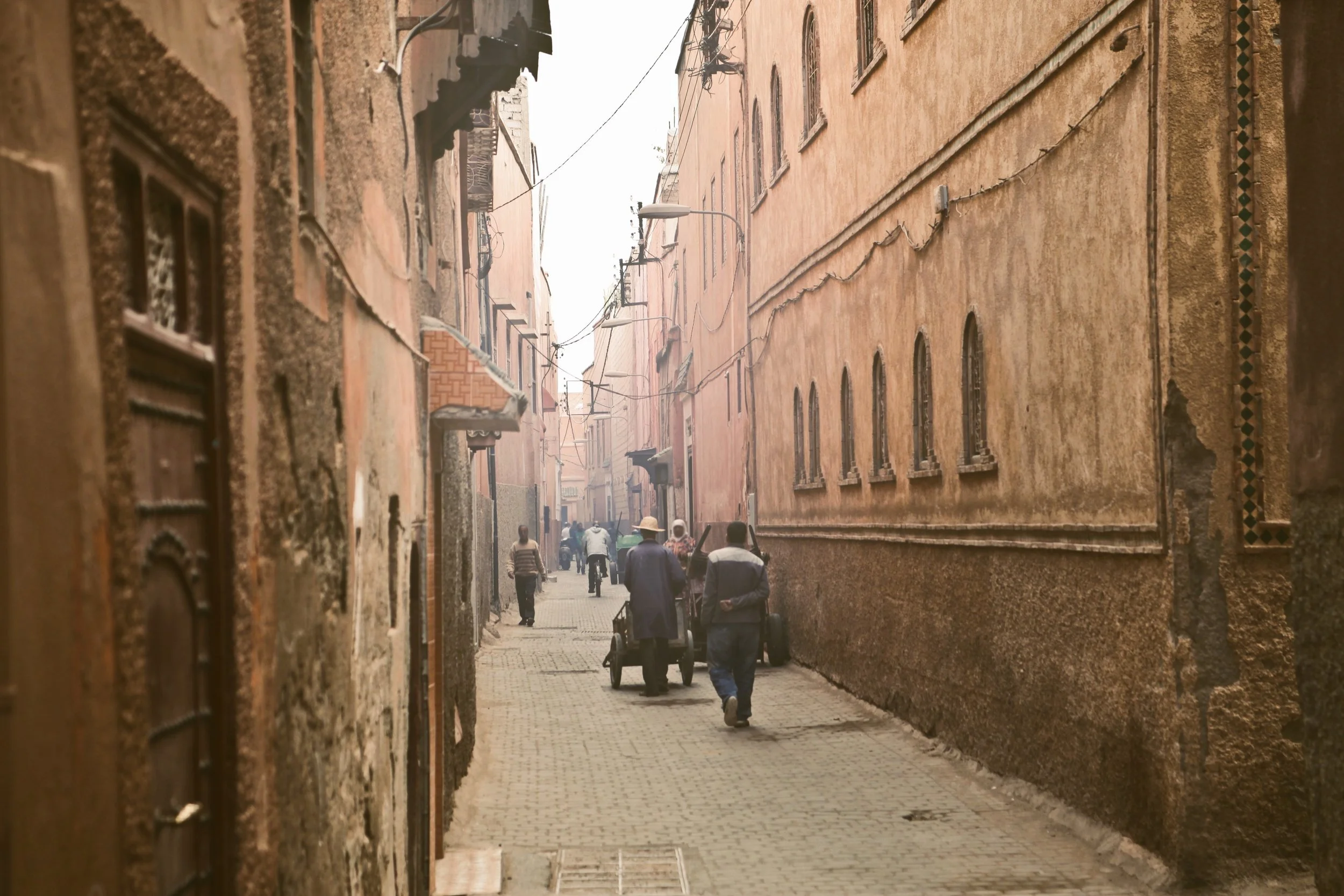
Nobody designed the medina's streets to be easy. The tangle of alleys narrowing and doubling back on themselves isn't leftover chaos — it's a layout that grew organically over centuries, and the narrow lanes happen to be built to keep the sun off pedestrians in a city where shade is a real commodity most of the year. Getting lost here isn't a failure of navigation. It's the design working as intended.
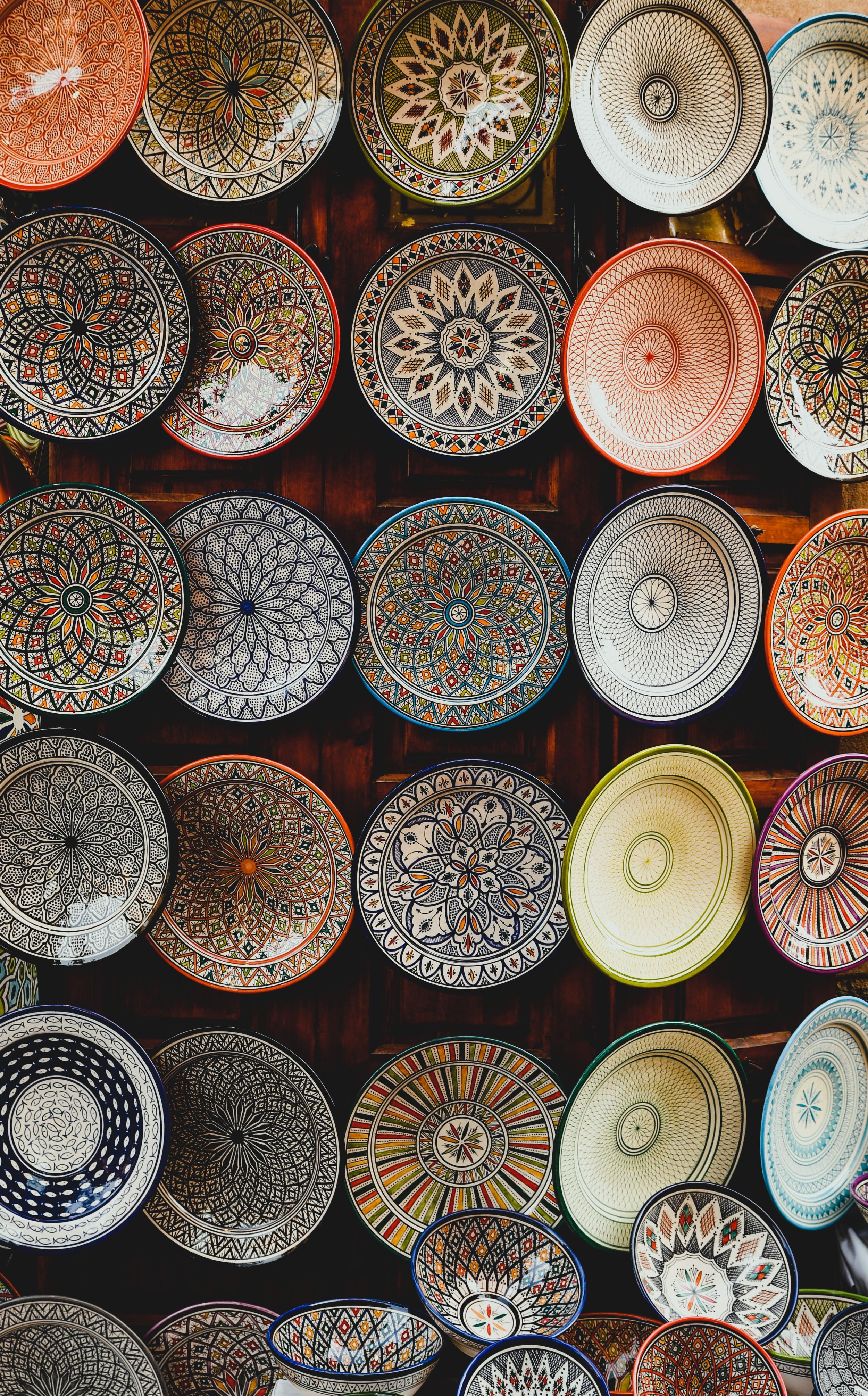
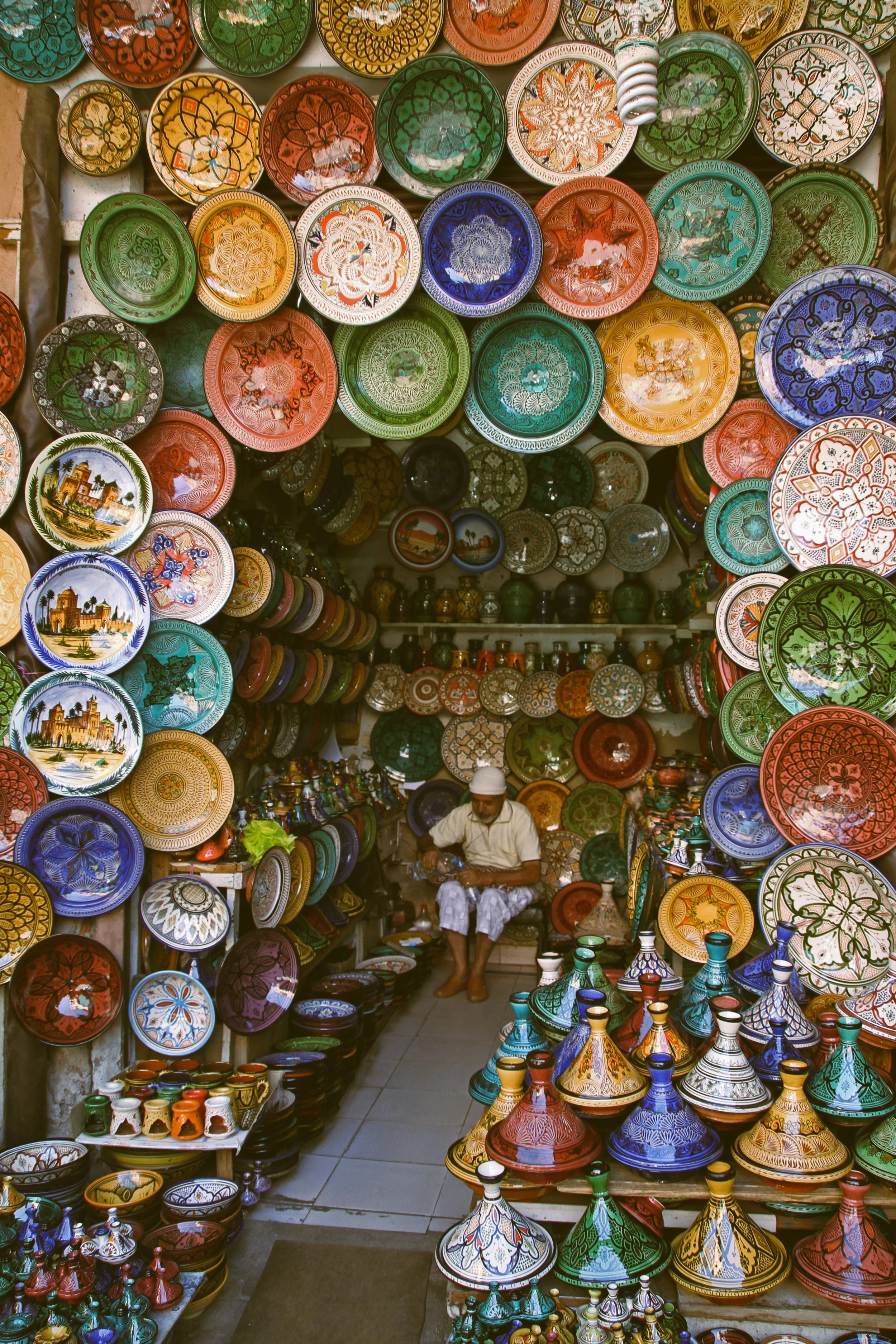
What holds the whole thing together is trade guild logic that's barely changed in centuries: each craft gets its own street, and has for generations. Turn one corner and you're breathing spice dust; turn another and you're listening to hammers on metal. Nobody planned a "shopping district" — the medina simply organized itself this way long before anyone thought to call it charming.
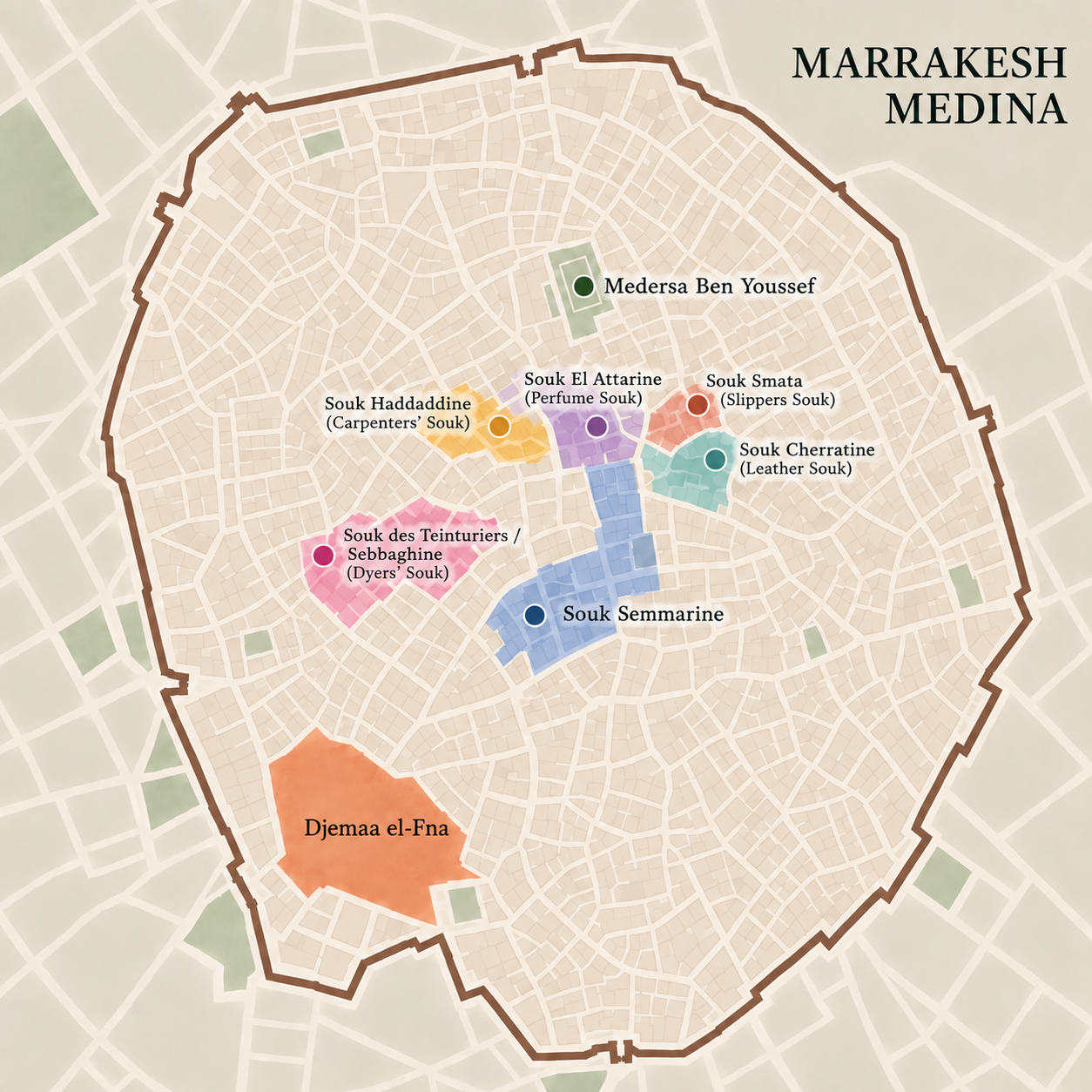
This isn't a single market, in other words. It's roughly a dozen, stitched together, each one still run largely by the families who've always run it. Expect to get turned around more than once. That's fine. Everything worth finding here tends to be a few wrong turns from where you meant to go.
THE SOUKS
SOUK SEMMARINE - Textiles
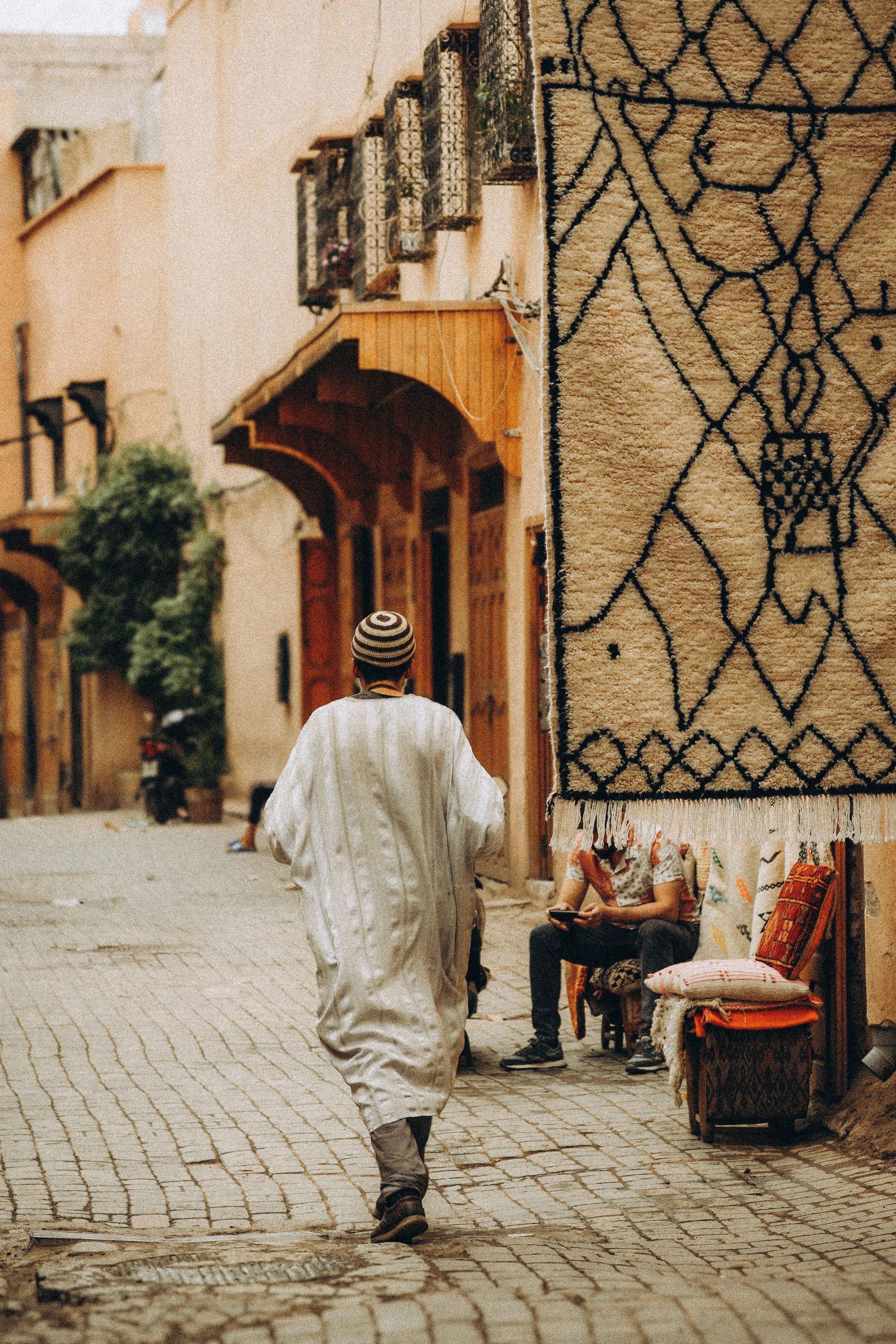
Most routes into the souks start the same way, at Souk Semmarine — a wide, covered artery that opens with pastries and pottery before shifting into textiles: kaftans, pashminas, bolts of fabric stacked to the ceiling. It's the spine everything else branches off from.
SOUK EL ATTARINE - Spices & perfumes
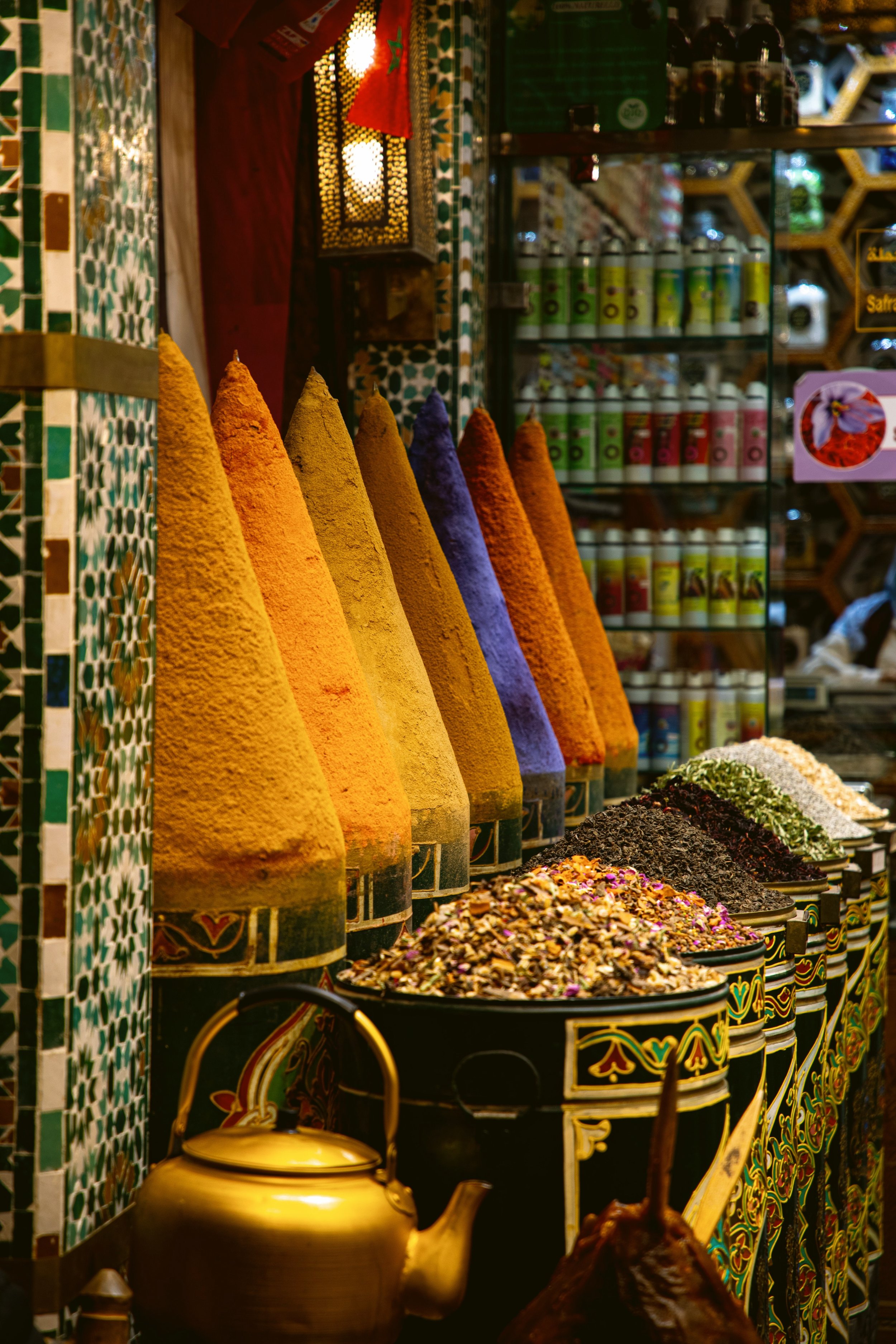
About halfway down, the street forks. Bear right onto Souk El Attarine and you're in spice and perfume territory — mounds of saffron, cumin, and ras el-hanout, alongside herbalists selling remedies that predate modern pharmacy by centuries. Ask before you touch anything; most vendors would rather explain a blend than sell it blind.
SOUK SMATA - Slippers & Babouches
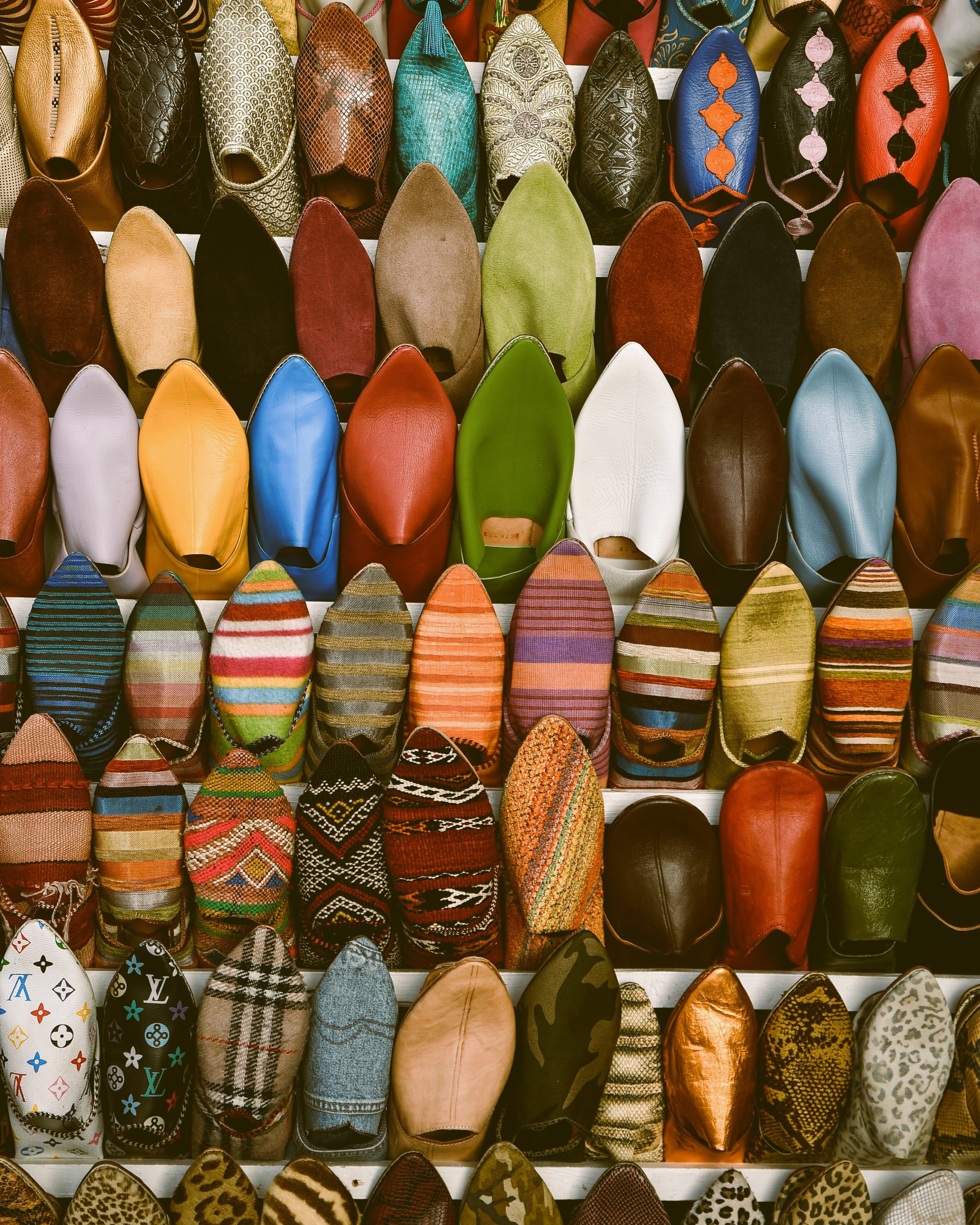
Keep walking and you'll hit Souk Smata, the slipper souk — walls of babouches in every color a dye vat can produce, some plain leather, some sequined enough to blind you in direct sun.
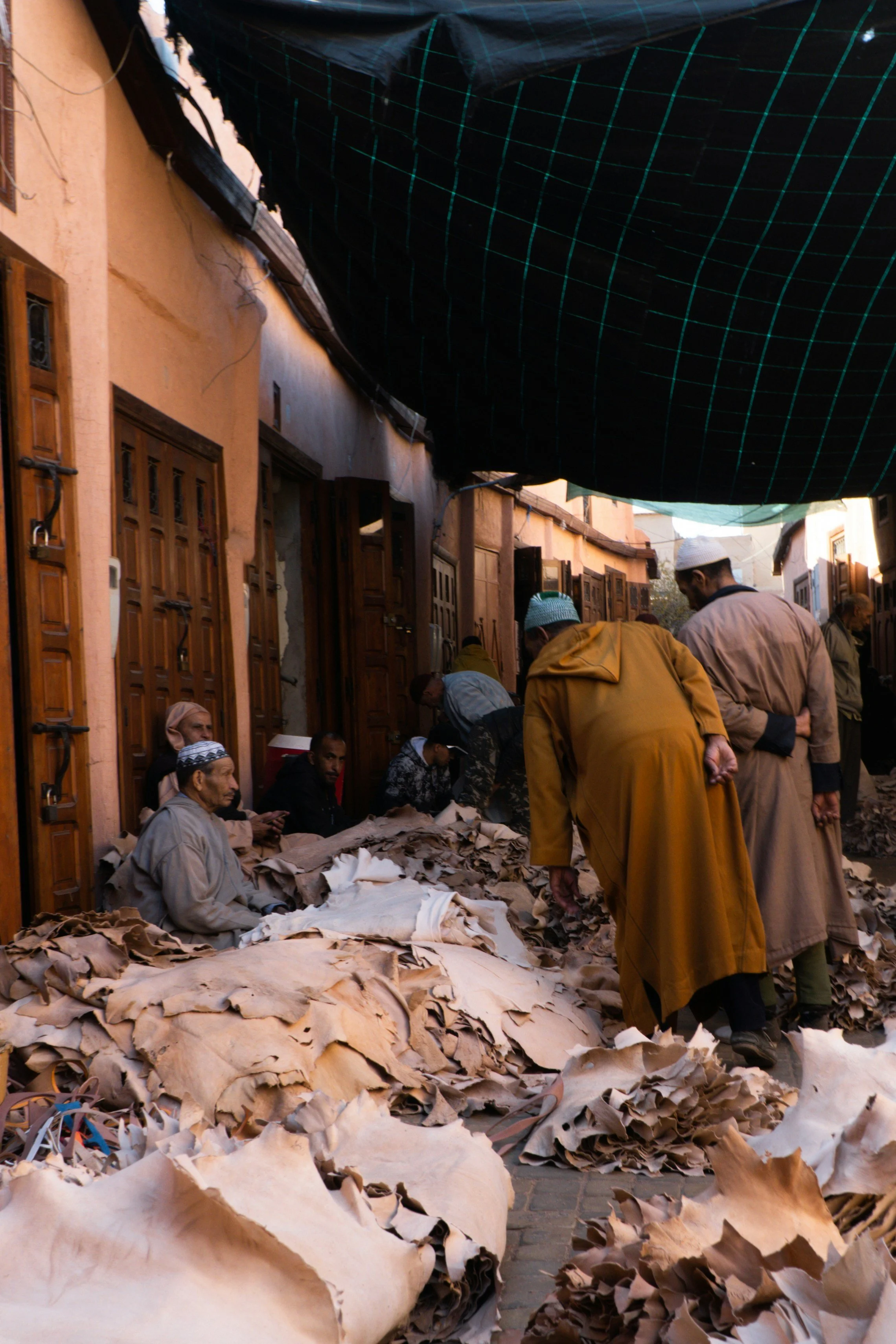
SOUK CHERRATINE - Leather goods
Just north, Souk Cherratine takes over with leather goods proper: bags, belts, wallets, still stitched and tanned using techniques that haven't changed much since the souk was built.
SOUK HADDADINE - Ironworkers’ souk
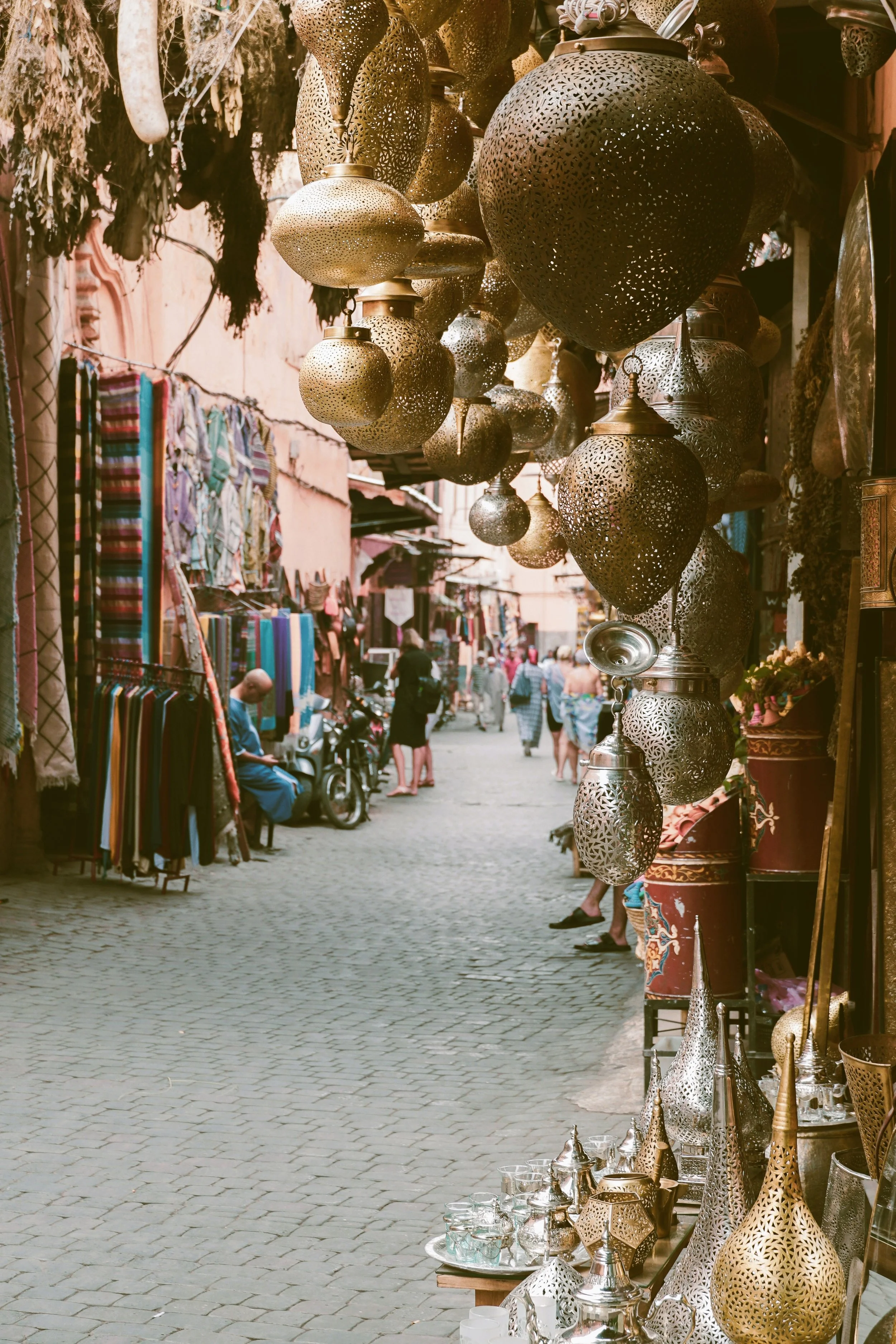
East of there, the noise gets louder before you see why — Souk Haddaddine, the ironworkers' souk, where lanterns get hammered out of scrap metal, sometimes literally old bicycle parts, in workshops barely big enough to turn around in.
SOUK DES TEINTURIERS - Dyers’ souk
And finally, Souk des Teinturiers, the dyers' souk and easily the most photogenic stop on the walk: skeins of wool in saffron, vermillion, and indigo hung out to dry against pink stone walls, the whole alley smelling faintly of the dye vats still working below.
THE MELLAH
Walk a little further south and the character of the streets changes again — taller buildings, actual balconies facing the street, which nothing in the rest of the medina does. This is the Mellah, Marrakesh's old Jewish quarter, dating to the 16th century, once home to its own spice market and jewelers' souk entirely separate from the Muslim medina's.
Very few Jewish families remain today, but the street layout and much of the architecture never got rebuilt into something else. It's the medina's quietest contradiction: a quarter walled in by royal decree in 1558, yet built with street-facing balconies in a city whose houses turn inward.
HOW TO ACTUALLY BARGAIN
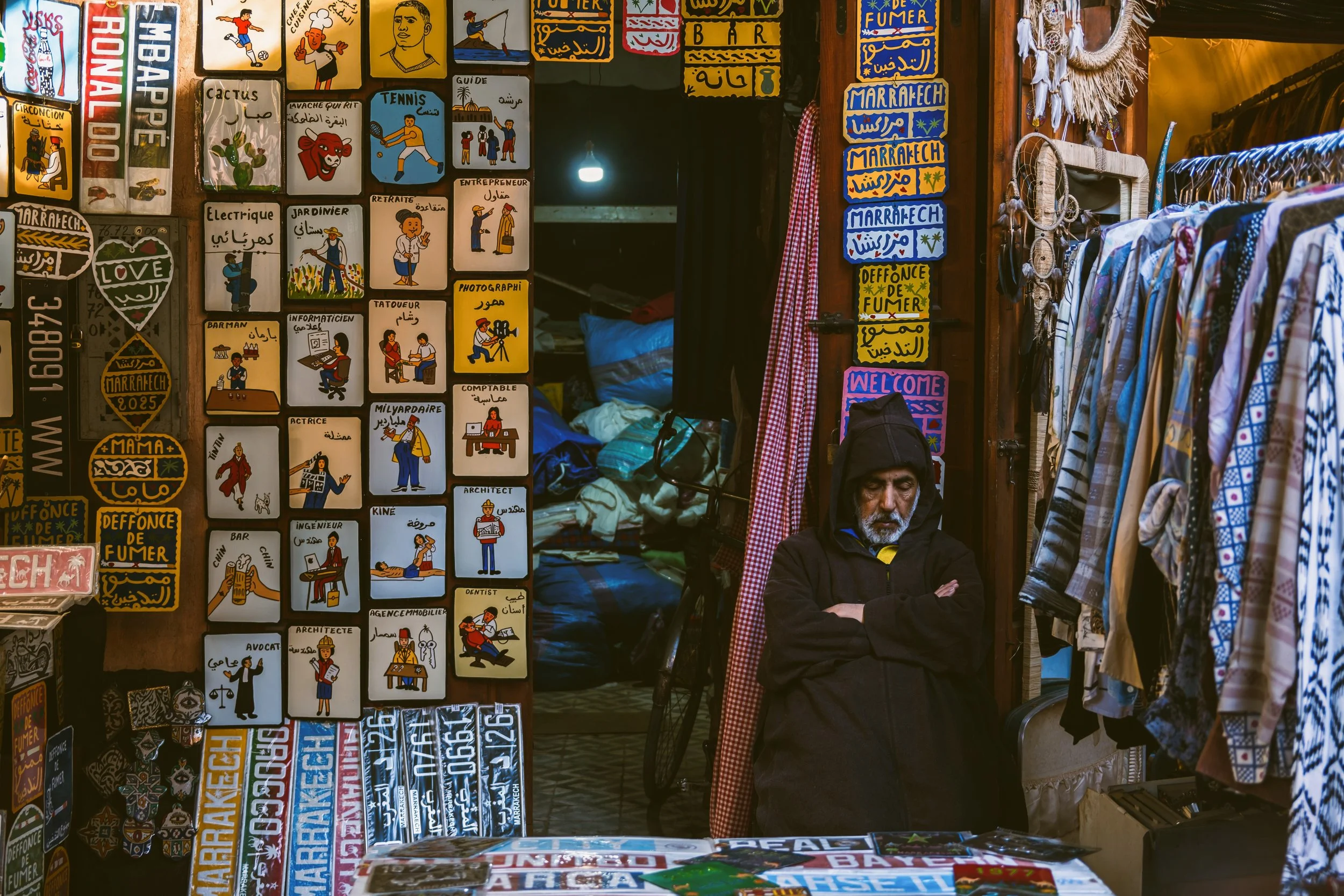
The opening price you're quoted is rarely the real one — expect it to be three or four times higher than what a vendor will eventually accept. Counter low, closer to a third of the asking price, and work up slowly rather than meeting in the middle immediately. Smiling and walking away is often the most effective negotiating tool in the entire medina; more than one "final price" has dropped the second a buyer actually turned to leave.
Be wary, too, of anyone who approaches offering to "guide" you to the souks unprompted — most aren't official guides, and they'll walk you straight into shops paying them commission on whatever you buy, quietly built into the price you're quoted. A polite "no, thank you" and continuing to walk works better than engaging.
BOOK A MEDINA WALKING TOUR
Get lost in the Medina on purpose, with a guide who knows the way back out.
[Find a Medina tour →]