Habsburg madrid
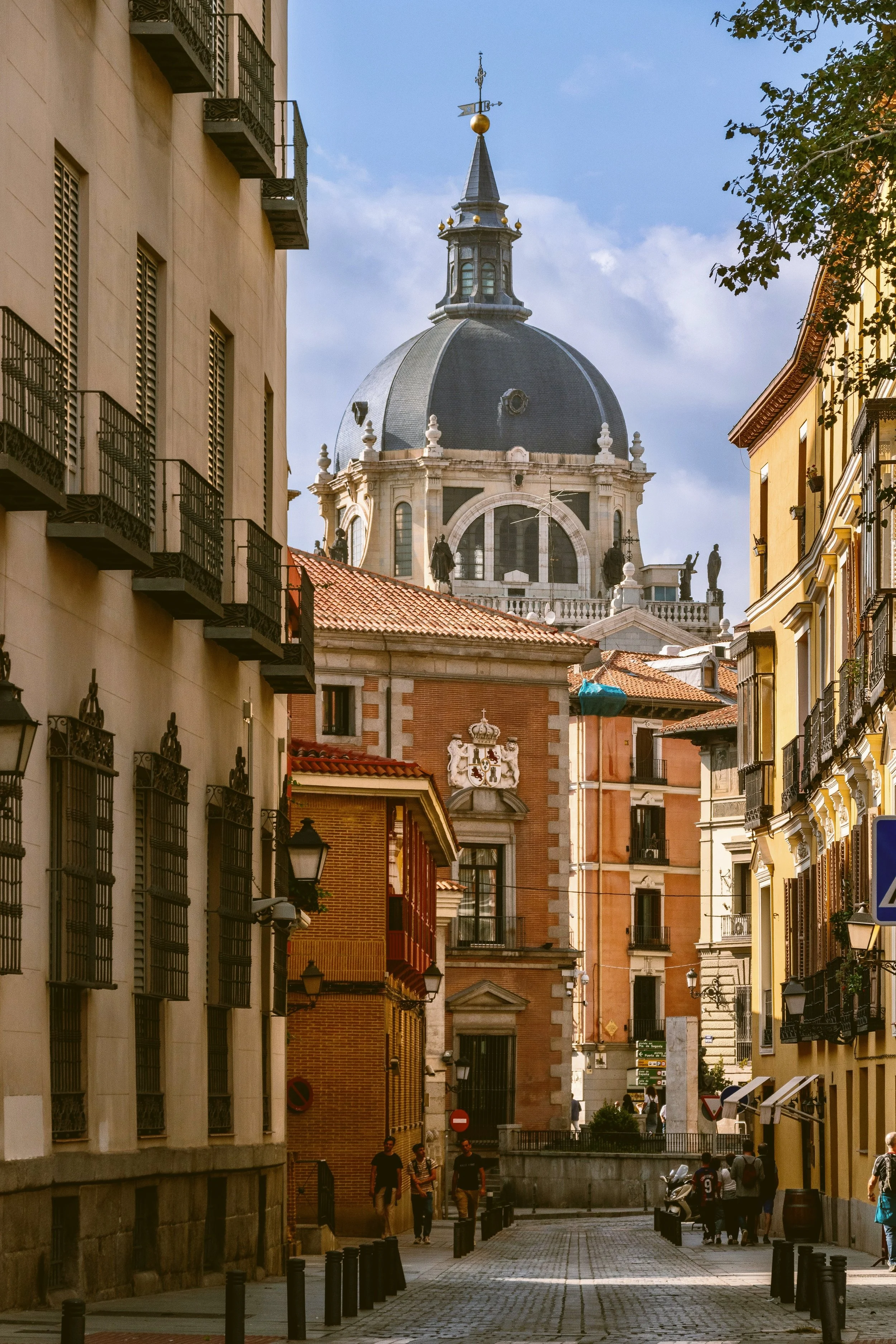
Every Madrid walk eventually leads back here, whether you plan it or not. This is the old core — narrow streets, arcaded squares, church towers that don't quite match — built during the two centuries the Habsburg dynasty ruled Spain from a city they'd only recently decided was worth ruling from at all. Philip II picked Madrid almost on a whim in 1561, and the messy, layered, slightly chaotic street plan that followed still hasn't been tidied up. That's the appeal.
Four places do most of the talking. Puerta del Sol, technically just a square, functions as the city's actual center of gravity — the point every madrileño measures distance from, whether they realize it or not. Plaza Mayor, grander and more theatrical, has hosted everything from royal weddings to public executions. The Royal Palace sits at the western edge, still the official residence even if nobody's actually lived there in decades. And the Almudena, Madrid's cathedral, took so long to finish that it barely counts as Habsburg at all — but the site does, and that's usually enough.
None of it is subtle. All of it rewards getting lost on purpose.
PLAZA MAYOR
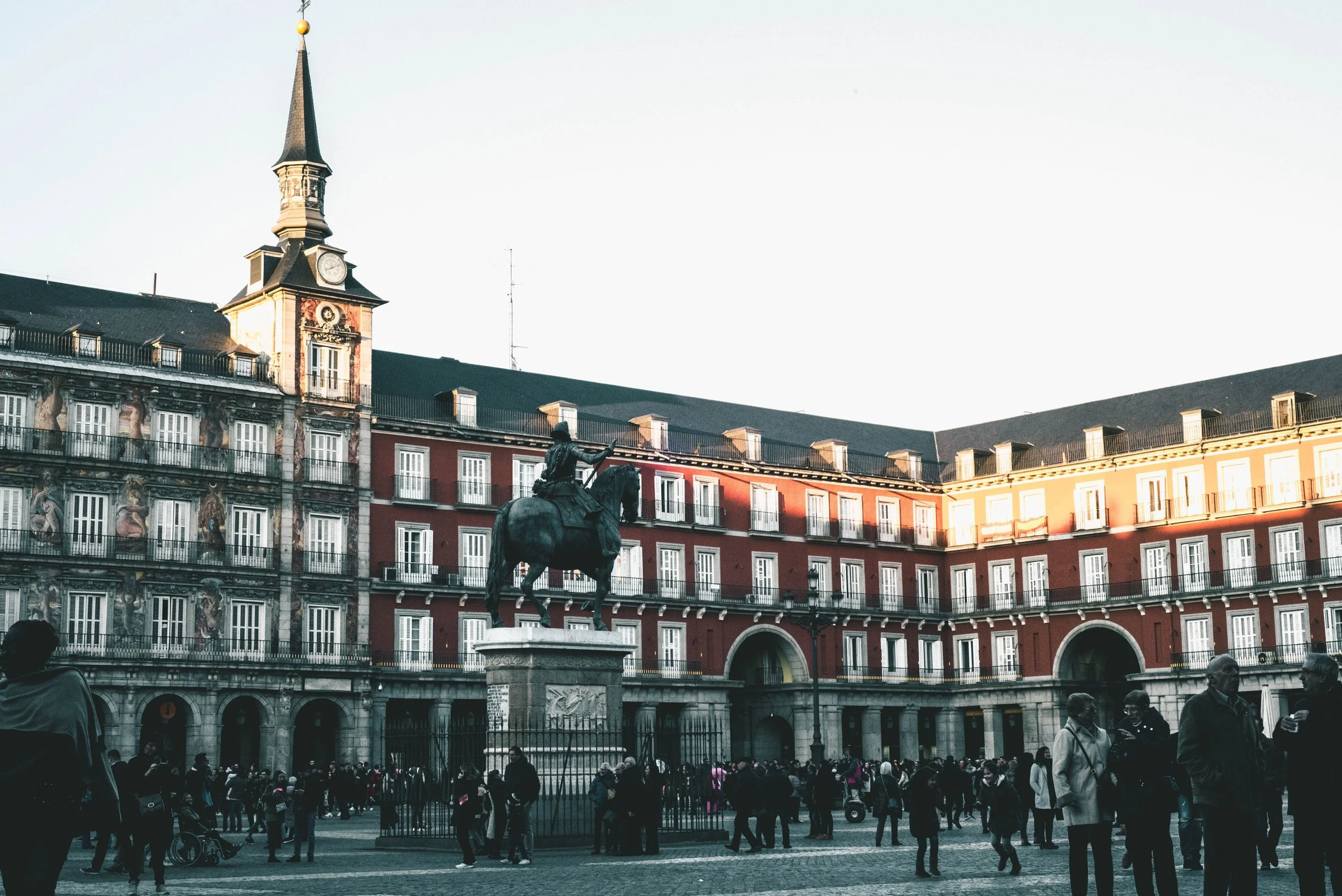
Nothing about this square happened by accident. Every angle, every arcade, every one of the 237 balconies was built to be seen from — this was Madrid's stage for three centuries, host to royal weddings, bullfights, public executions, and, these days, a Christmas market that takes over every December. The Casa de la Panadería anchors the north side, its façade covered in frescoes added centuries after the building itself; Philip III sits on horseback in the middle, unmoved by any of it, watching tourists photograph a square built for a very different kind of audience.
Bocadillo de Calamares
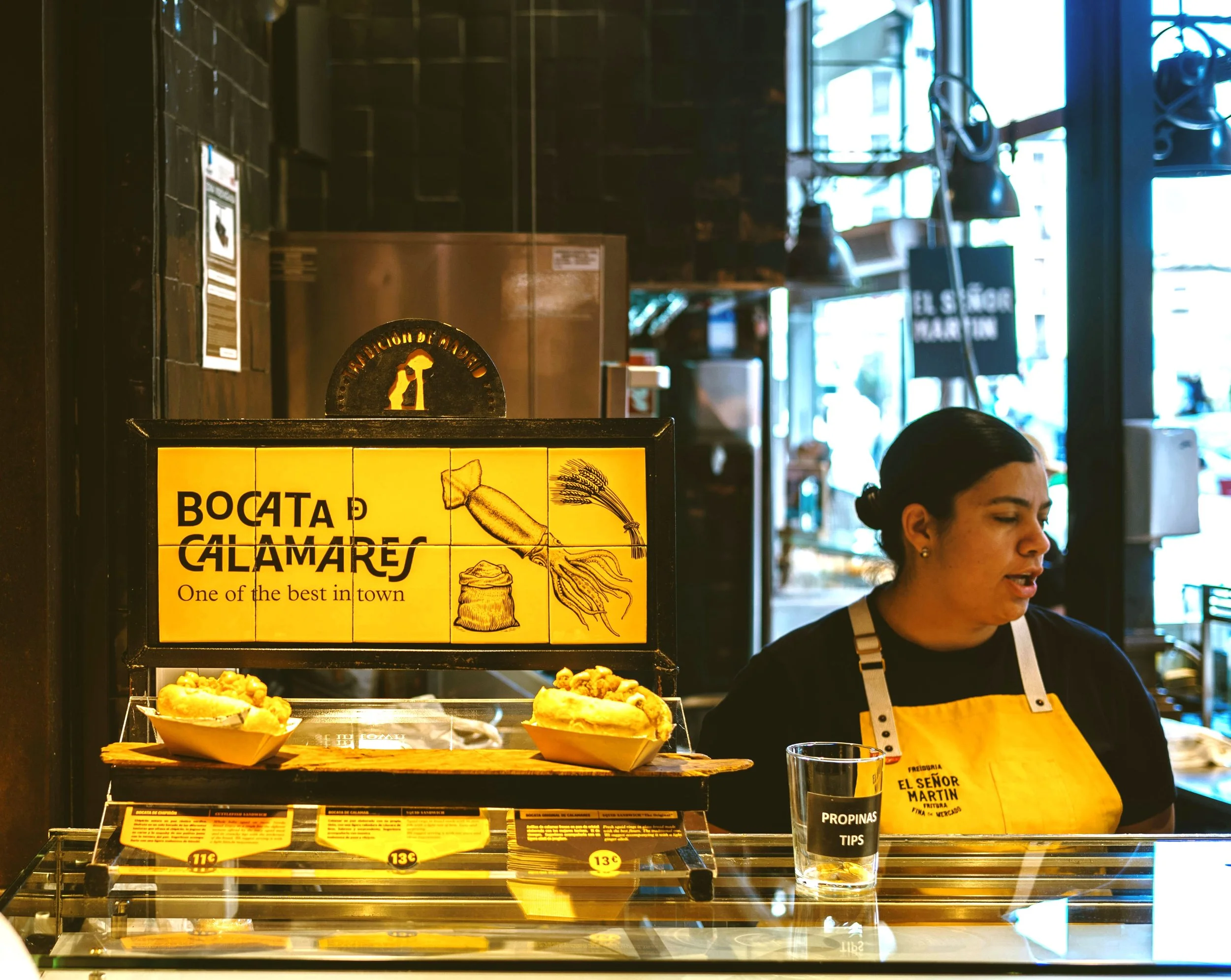
Then there's the bocadillo de calamares at Plaza Mayor — squid rings, deep-fried, crammed into a baguette, no sauce, no fuss, sold from a handful of tiny counter-only bars that haven't changed their setup in decades. Casa Rúa, tucked on Calle de Ciudad Rodrigo just off the square, and Cervecería La Campana, on Calle Botoneras, are the two everyone actually queues for — cheap, fast, eaten standing up, exactly as intended.
LA ALMUDENA CATHEDRAL
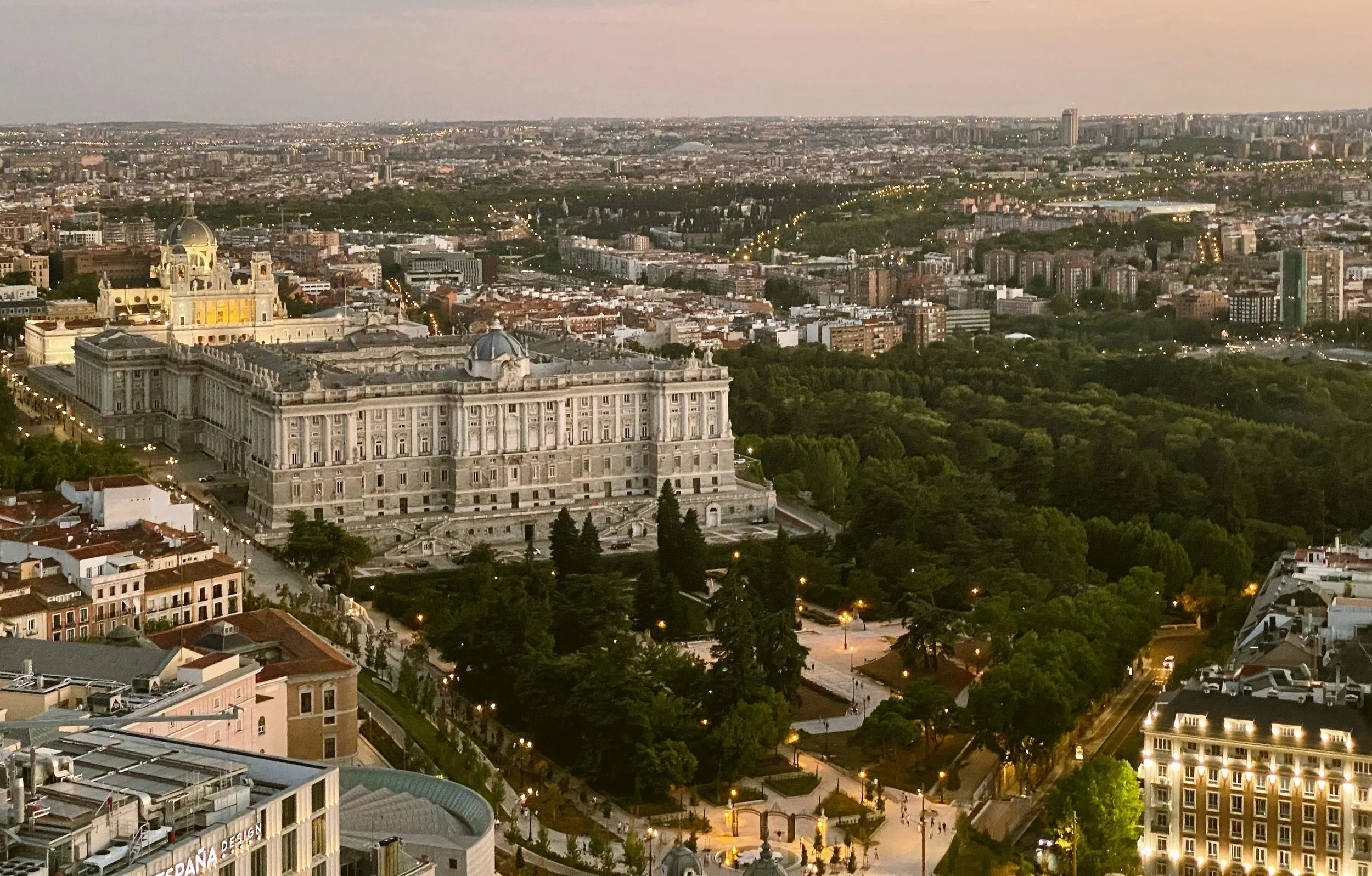
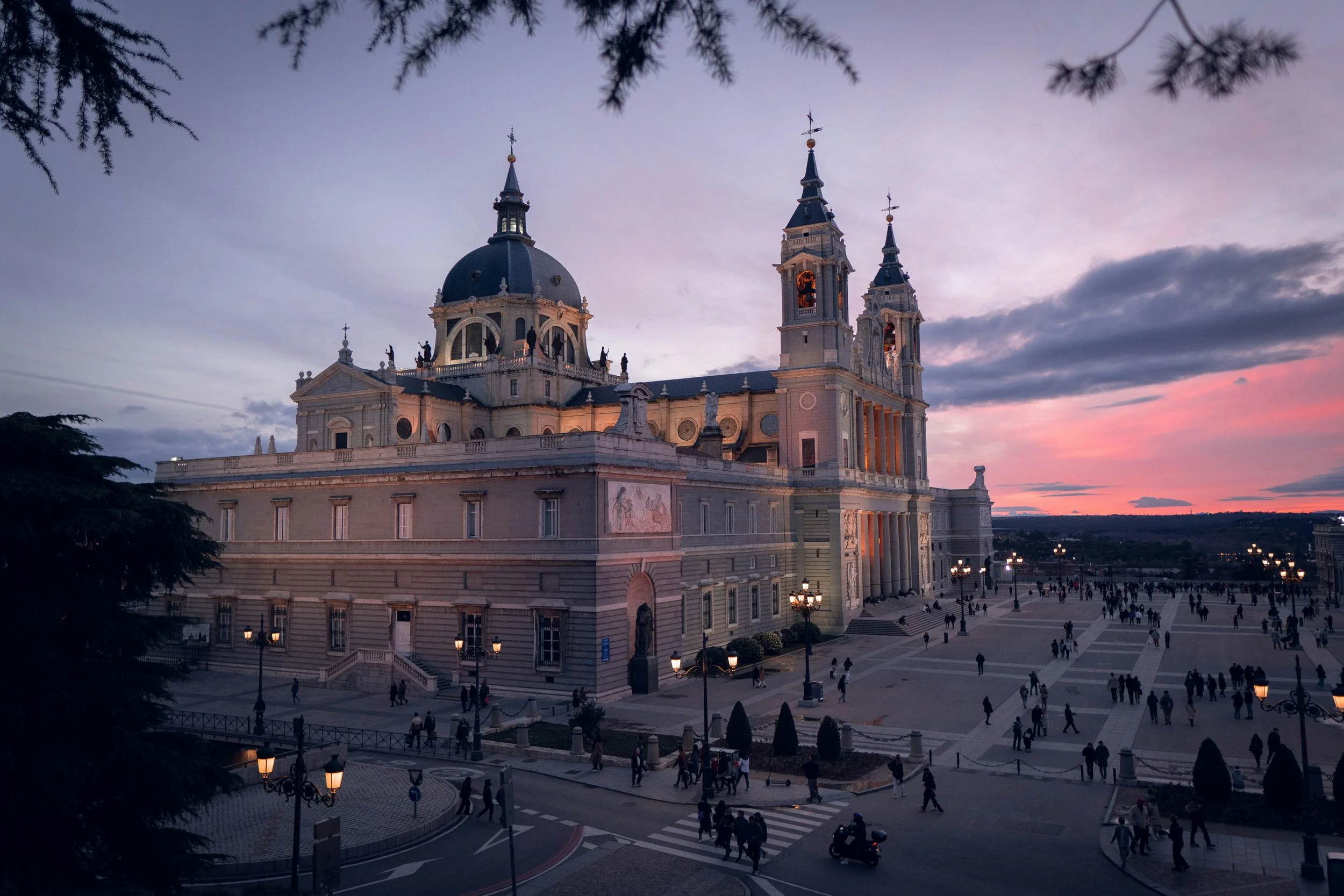
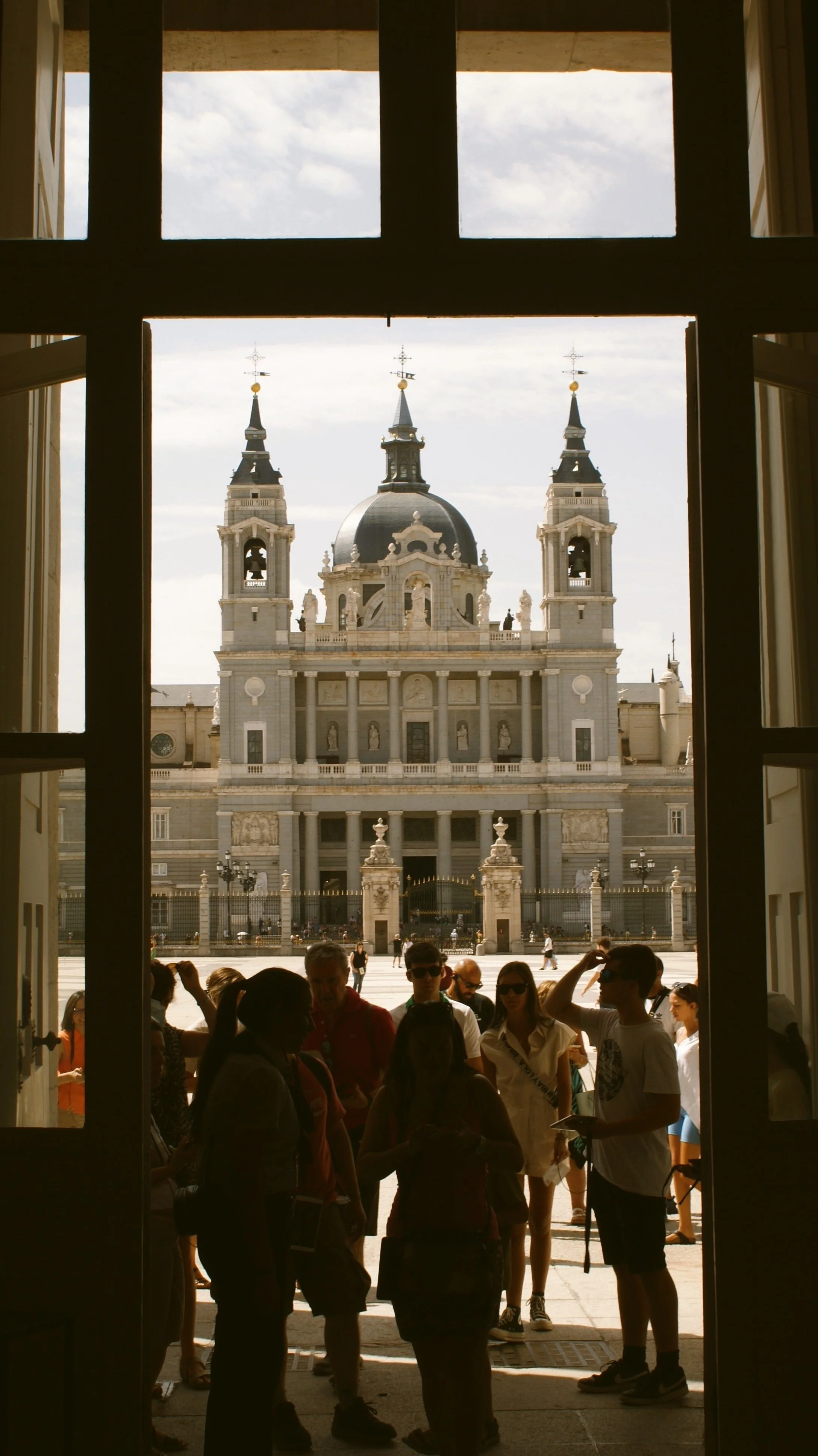
Madrid is one of the few European capitals whose cathedral is younger than its metro system — construction dragged on for over a century, and it wasn't consecrated until 1993, by John Paul II. Strictly speaking, it postdates Habsburg Madrid by three centuries, but its position facing the Royal Palace earns it a place in that story anyway. The neoclassical exterior, built to match the Royal Palace, hides a startlingly modern interior, where 20th-century artists painted the vaulted ceilings in saturated, almost pop-art color — a detail most visitors never look up to see. Descend into the crypt and the mood flips entirely: Romanesque columns, low light, centuries older in feeling than the church above it. It doesn't carry the weight of Toledo or Seville's cathedrals, but it's the one that tells you Madrid is still, quietly, writing its own history.
BOOK YOUR VISIT
THE ROYAL PALACE - The Royal Palace's opening hours shift without much warning — worth locking in your slot, ideally with skip-the-line access. [Find palace tickets →]
HABSBURG MADRID WALKING TOUR - The real history of the Habsburg Quarter hides behind plain facades — a guide points out what you'd otherwise walk straight past. [Find a tour →]
SOL
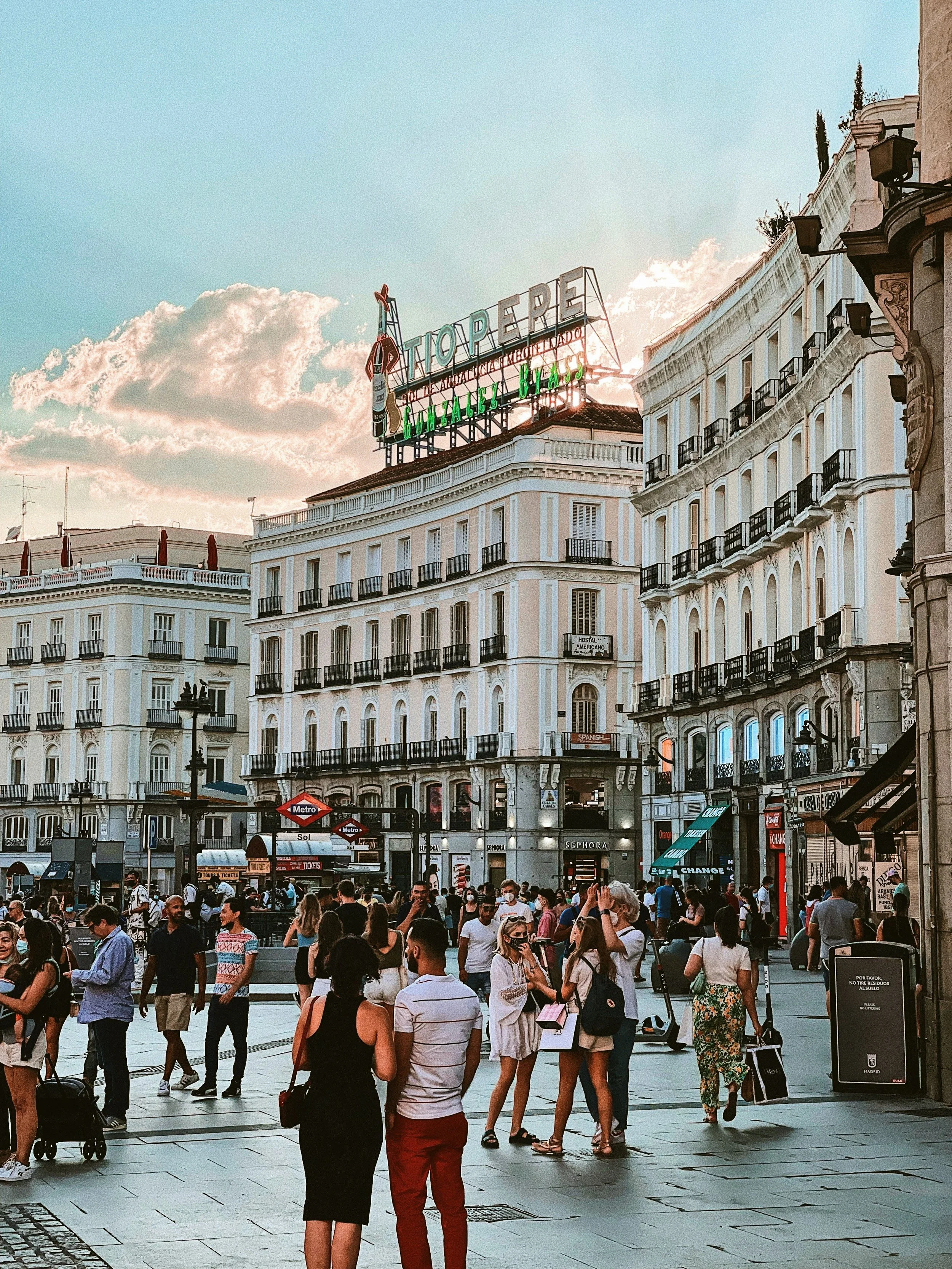
Technically it's just a square. Functionally, it's Kilómetro Cero — a small plaque on the ground marking the exact center of Spain, the point every national road measures its distance from. Every madrileño has said "nos vemos en el Oso" (see you at the Bear) at least once, meeting under the bronze bear reaching into a madroño — a strawberry tree, Madrid's own coat of arms standing thirteen feet tall. Above it all, a neon Tío Pepe sign advertises sherry to a square that's outlived wars and renovations to keep it there. Come New Year's Eve, this is where the whole country watches the same clock strike twelve — one grape per chime, a tradition that took off in 1909 when grape growers in Alicante, sitting on a record harvest surplus, talked all of Spain into eating their way through it.
the royal palace
Forget the postcard instinct. Yes, it's the largest functioning royal palace in Western Europe — 3,400 rooms, a working residence still used for state ceremony — but the reason it belongs on any serious itinerary isn't scale, it's restraint. Spain's royal family hasn't actually lived here since the 1930s, which means the palace exists purely as spectacle: gilded throne rooms, a pharmacy stocked with 18th-century apothecary jars, an armoury of royal weapons still gleaming. Arrive at opening, before the coach groups, and the Plaza de la Armería feels almost private. Skip the audio guide queue — the Stradivarius room alone, four instruments still played today, justifies the visit. This isn't nostalgia for monarchy. It's Madrid's origin story, told in stone and gold leaf. [Skip the line. Royal Palace tickets →]
Walk between the four without much of a plan — fifteen minutes covers the distance, an afternoon covers the detail. What follows here is each one on its own terms: what to actually look for, and what's worth skipping past without guilt.