THE WEST END
Ask someone what "the West End" means and you'll get three different answers depending on who's talking. To a Londoner giving directions, it's simply the center — everything between Oxford Street and the river, the opposite of the East End's very different history. To the theater industry, it's a brand: the West End, spoken with the same weight New York gives Broadway. To everyone else, it's shorthand for a particular kind of evening — bright lights, a ticket in hand, dinner before or drinks after.
All three are correct, and none of them quite capture it alone. This is the part of London built for spending money on being entertained, and it's been doing that job for over three centuries, since aristocrats first started moving west to escape the noise and grime of the old City. What survives from that history isn't preserved behind rope barriers — it's still working, nightly, packed with people who came for exactly what it was built to offer.
Two things worth knowing before you dive in: where the theaters actually cluster, and what's happening on the streets around them.
Leicester Square sits at one end, doing double duty as the industry's front door: half tourist plaza, half red-carpet venue for film premieres, with the TKTS booth in its clocktower building selling same-day seats at up to 50% off, for anyone gambling on tonight. It's brasher than the streets around it, and deliberately so — this is where Theatreland sells itself to people who haven't decided what to see yet.
What's easy to miss walking through quickly is that this is still a working industry, not a heritage district. Stage doors open onto ordinary streets, actors get sandwiches from the same shops as everyone else, and a show that closes on a Saturday can have a new one lit and rehearsed by the following week. The permanence is an illusion — the turnover is constant.
BOOK A WEST END SHOW
Same-day seats can be found at the TKTS booth in Leicester Square, but for anything popular — and most of what's running now qualifies — booking ahead is the difference between a good seat and craning your neck from the upper circle. [Check tonight's availability →]
THE WIDER WEST END
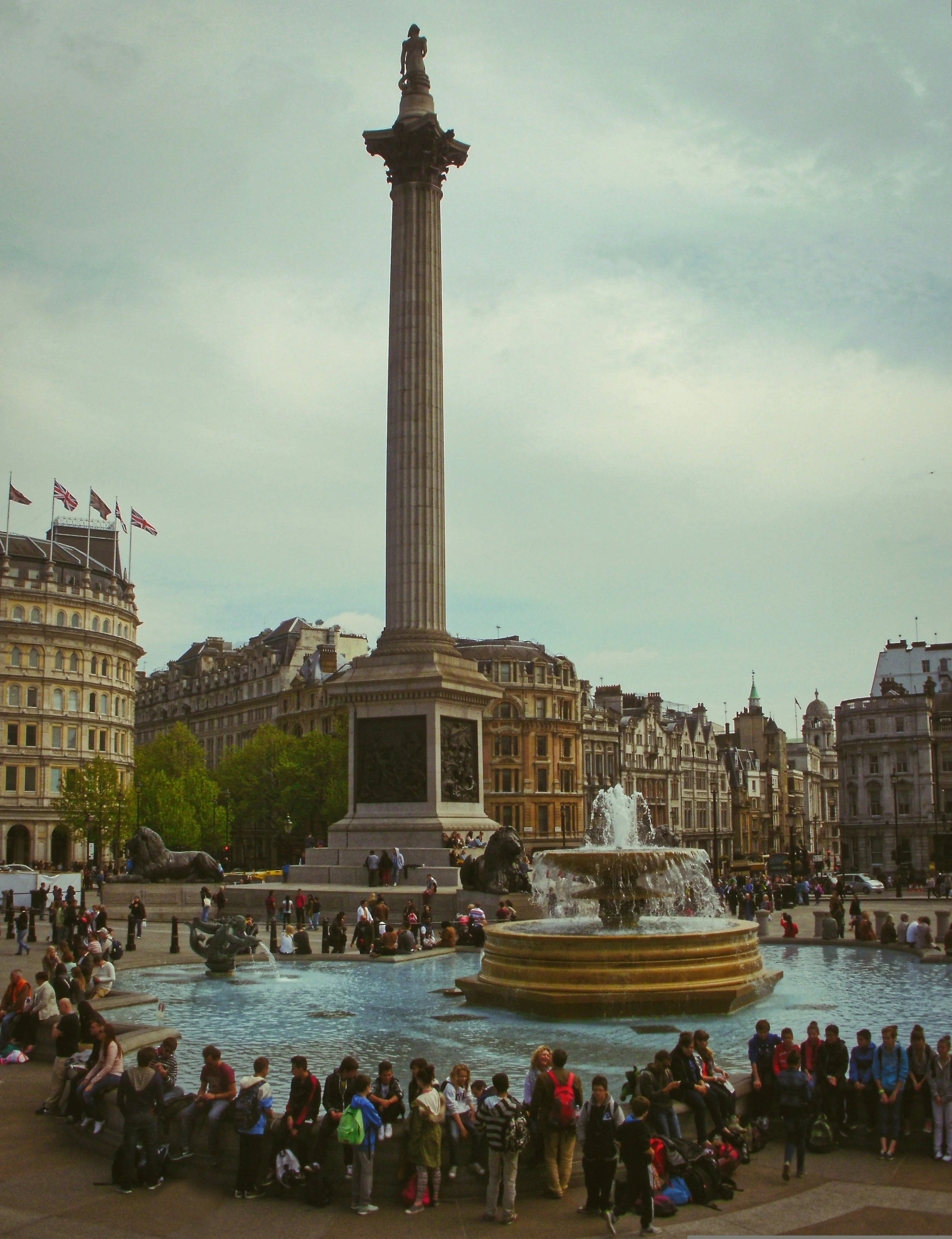
Walk in any direction from Theatreland and the character shifts within a few streets. Trafalgar Square, to the south, is the closest thing London has to a civic stage — Nelson's Column presiding over lions, fountains, and whatever protest or celebration happens to be filling the square that week, with the National Gallery watching over the whole thing from its northern edge.
Trafalgar Square
Piccadilly Circus
THEATRELAND
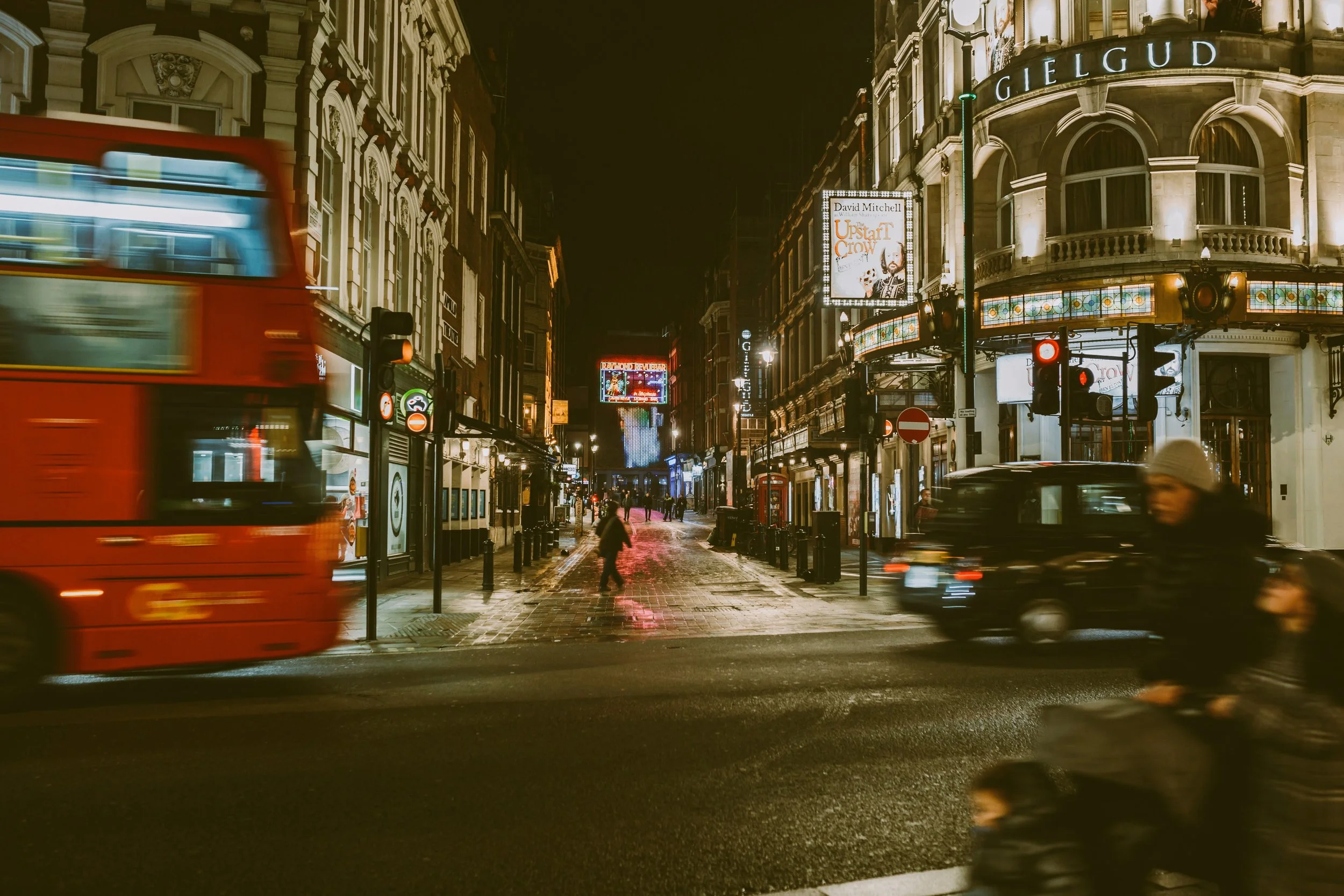
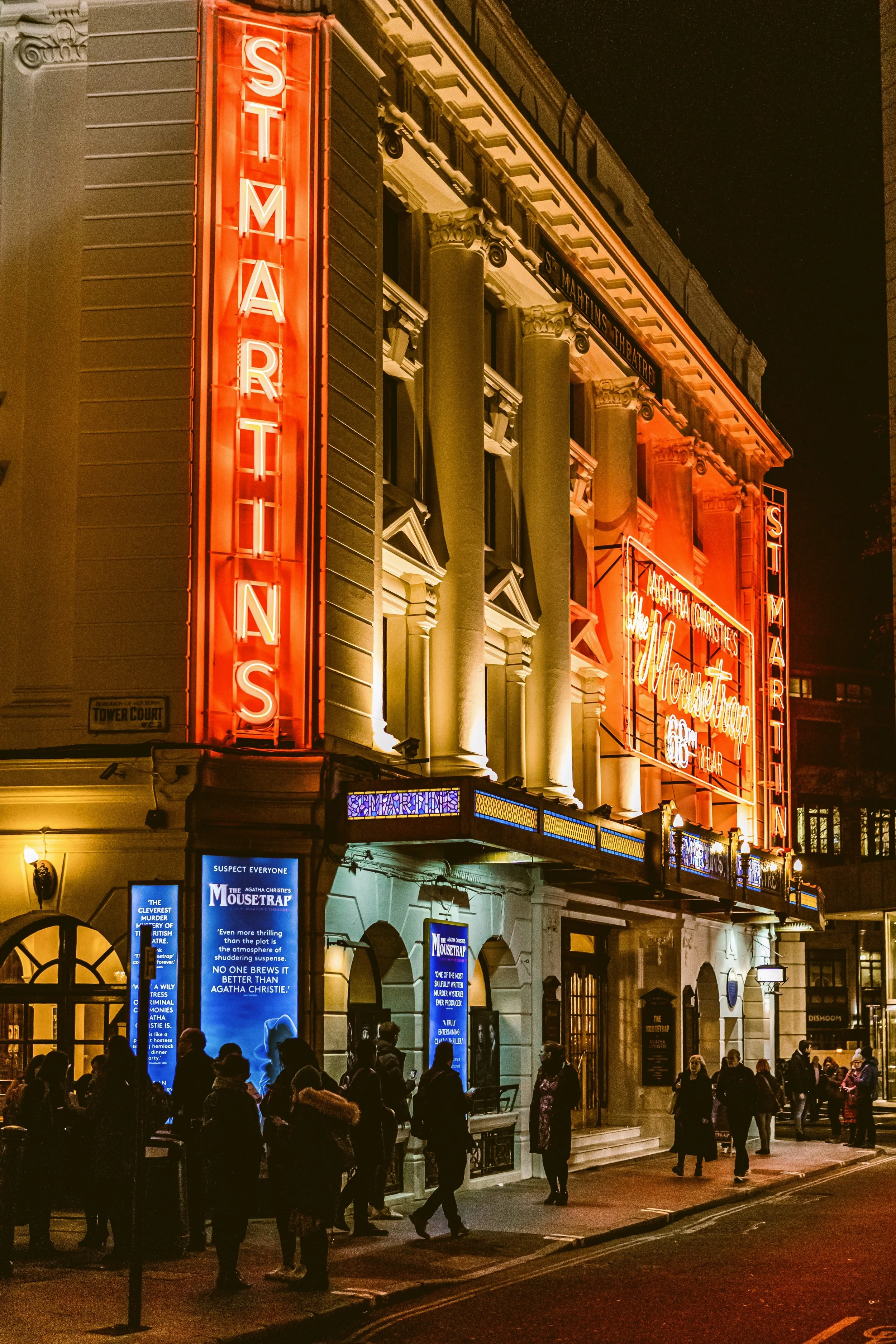
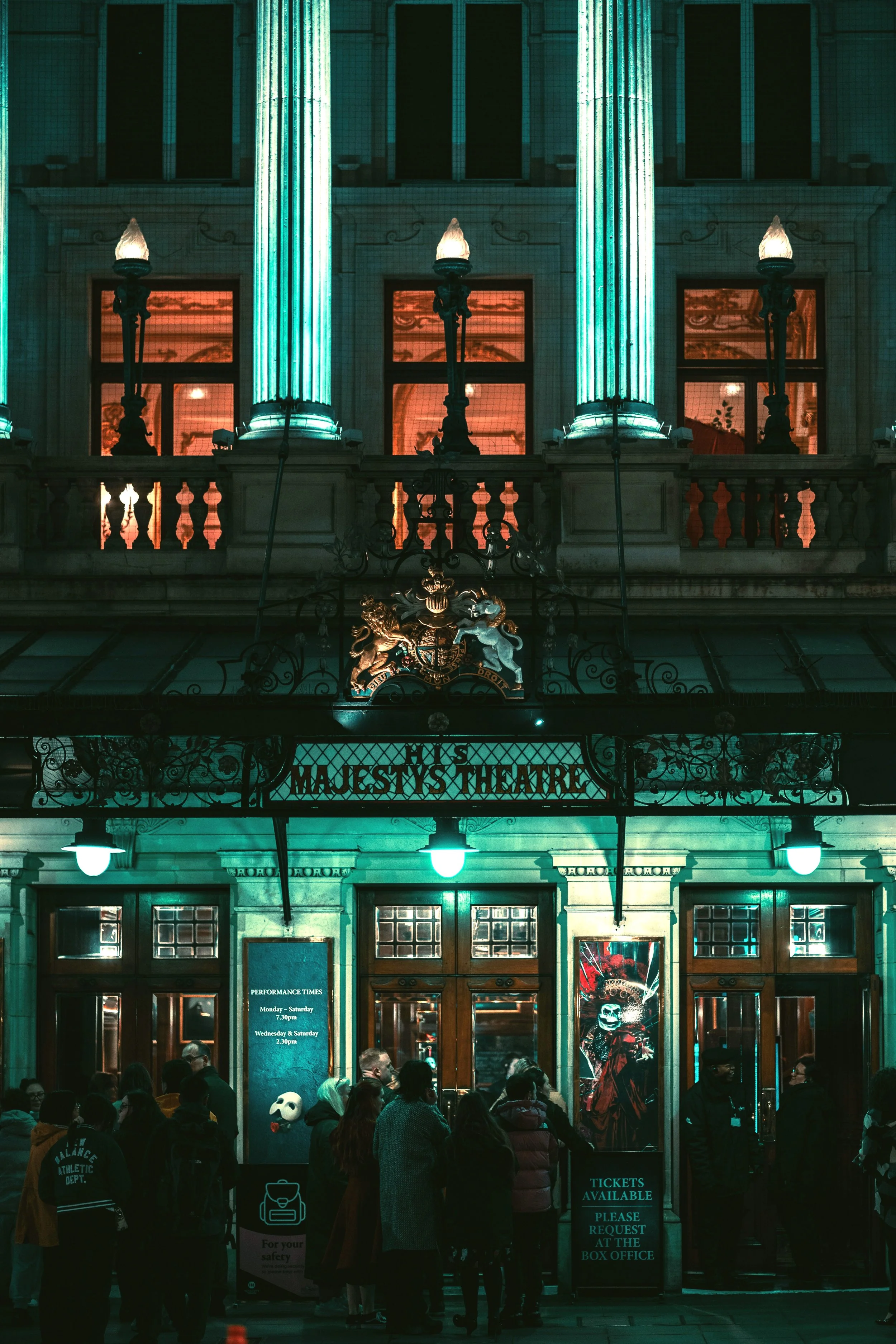
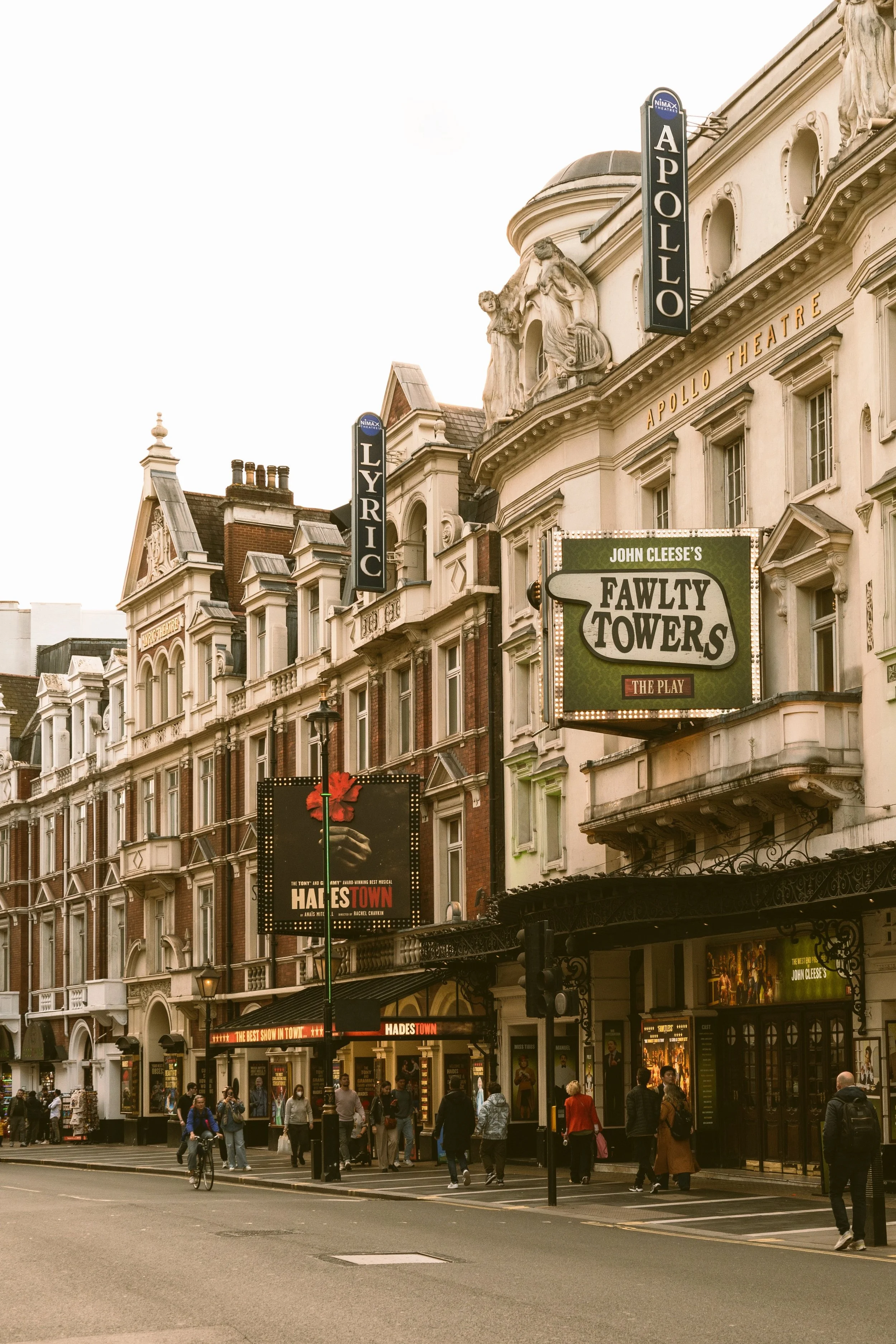
Theatreland isn't a neighborhood with fixed borders so much as a concentration — roughly forty theaters packed into a few streets around Shaftesbury Avenue, one of the densest concentrations of working theaters in the world. Most of the grand ones went up between the 1880s and 1910s, when the avenue was cut through Soho as a traffic artery and slum clearance, and theater builders rushed to line it, and several — the Lyric, the Apollo, the Gielgud — have barely changed their facades since.
Soho
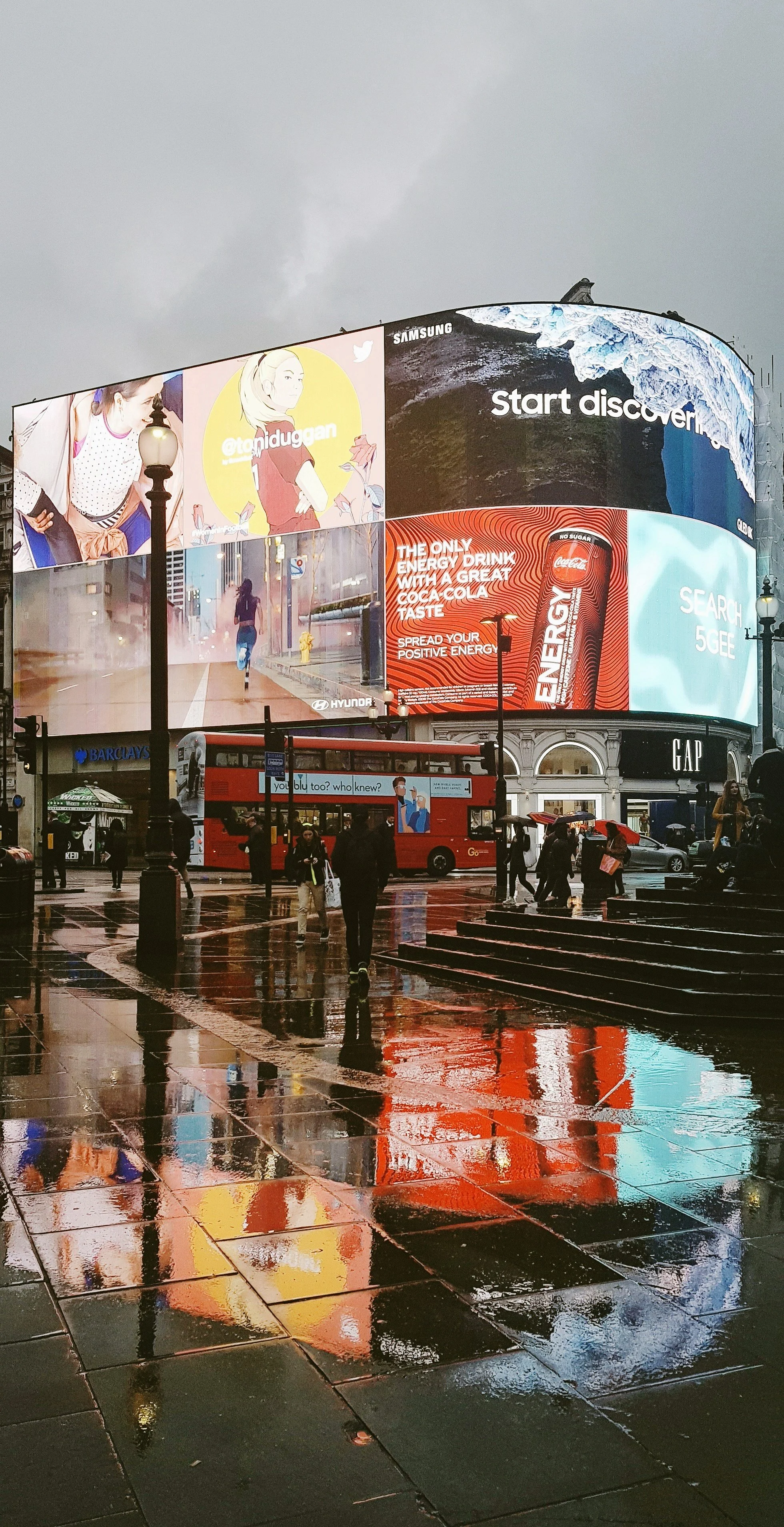
Piccadilly Circus, to the west, is louder and less dignified about it — the illuminated advertising hoardings have been lighting it up since 1908, and the statue everyone calls Eros is technically his brother, the Angel of Christian Charity. It's brash, it's crowded, and it's meant to be both.
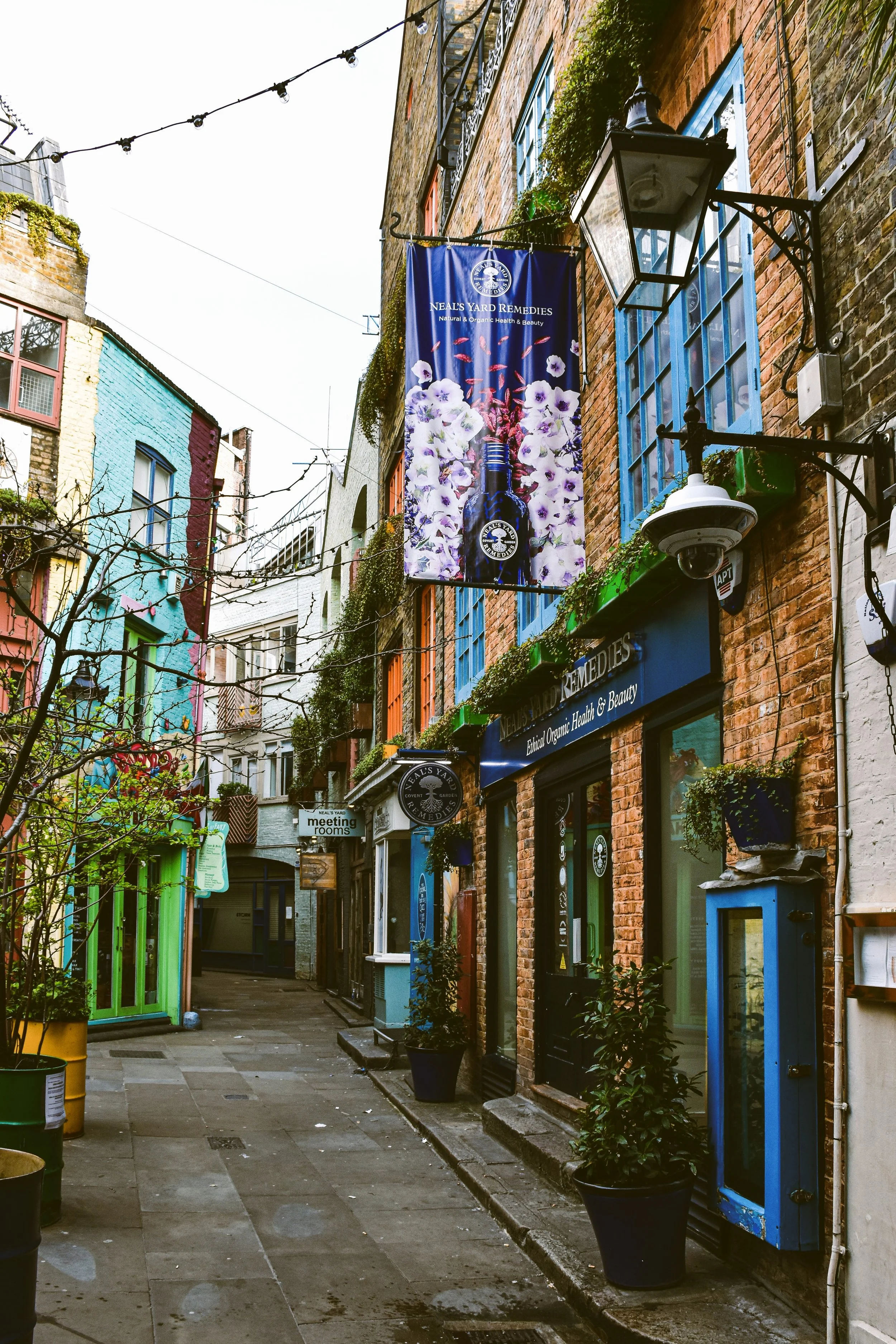
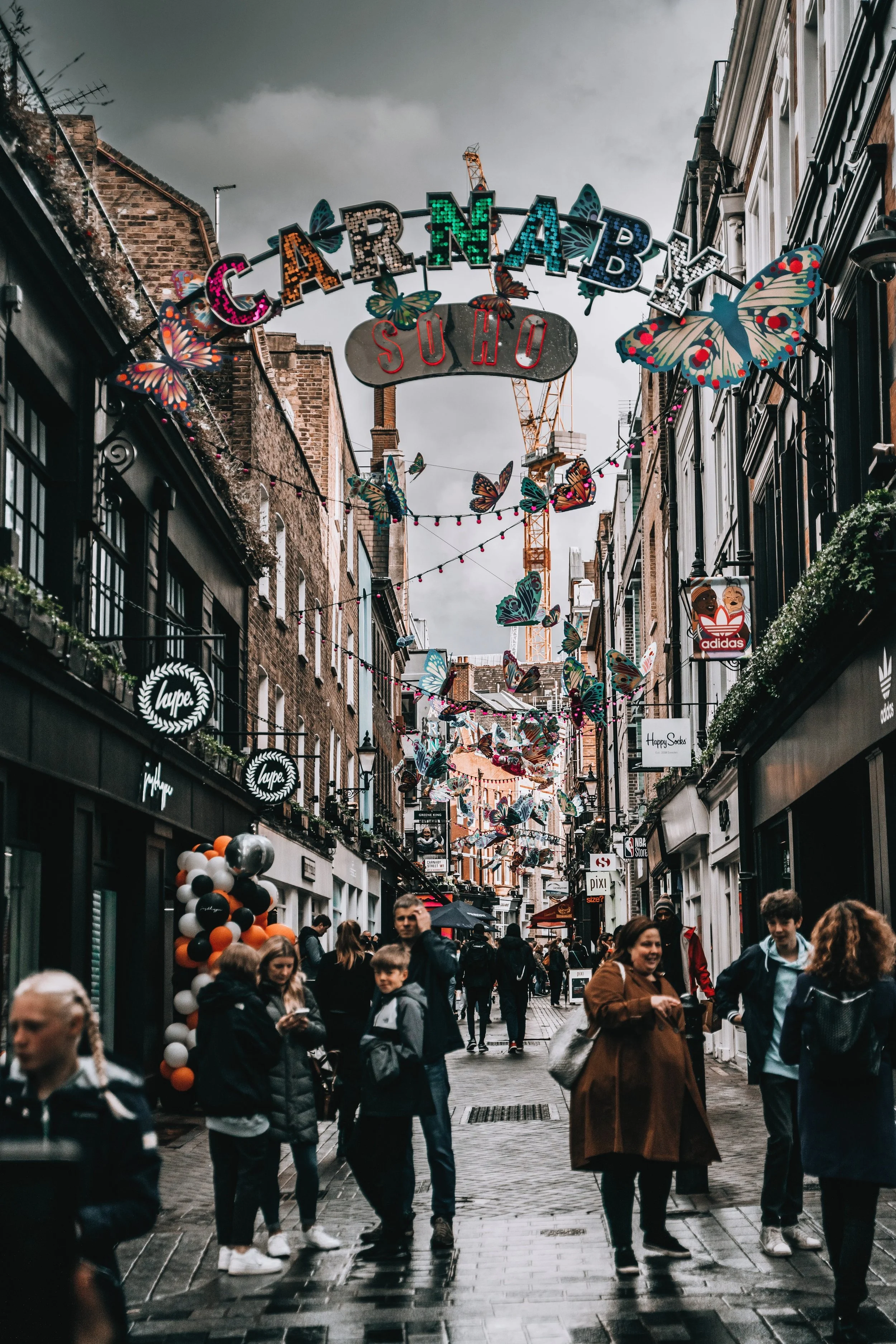
Duck north into Soho and the volume changes entirely: narrow streets, independent restaurants, a nightlife that predates the theaters and has always run on its own rules regardless of what's showing next door. And to the east, Covent Garden trades theater for spectacle of a different kind — street performers working the old market piazza, the Royal Opera House a few steps away, a crowd that came to wander rather than to sit down.
None of these are detours from the West End. They're what the West End actually is once you stop looking only at the marquees.
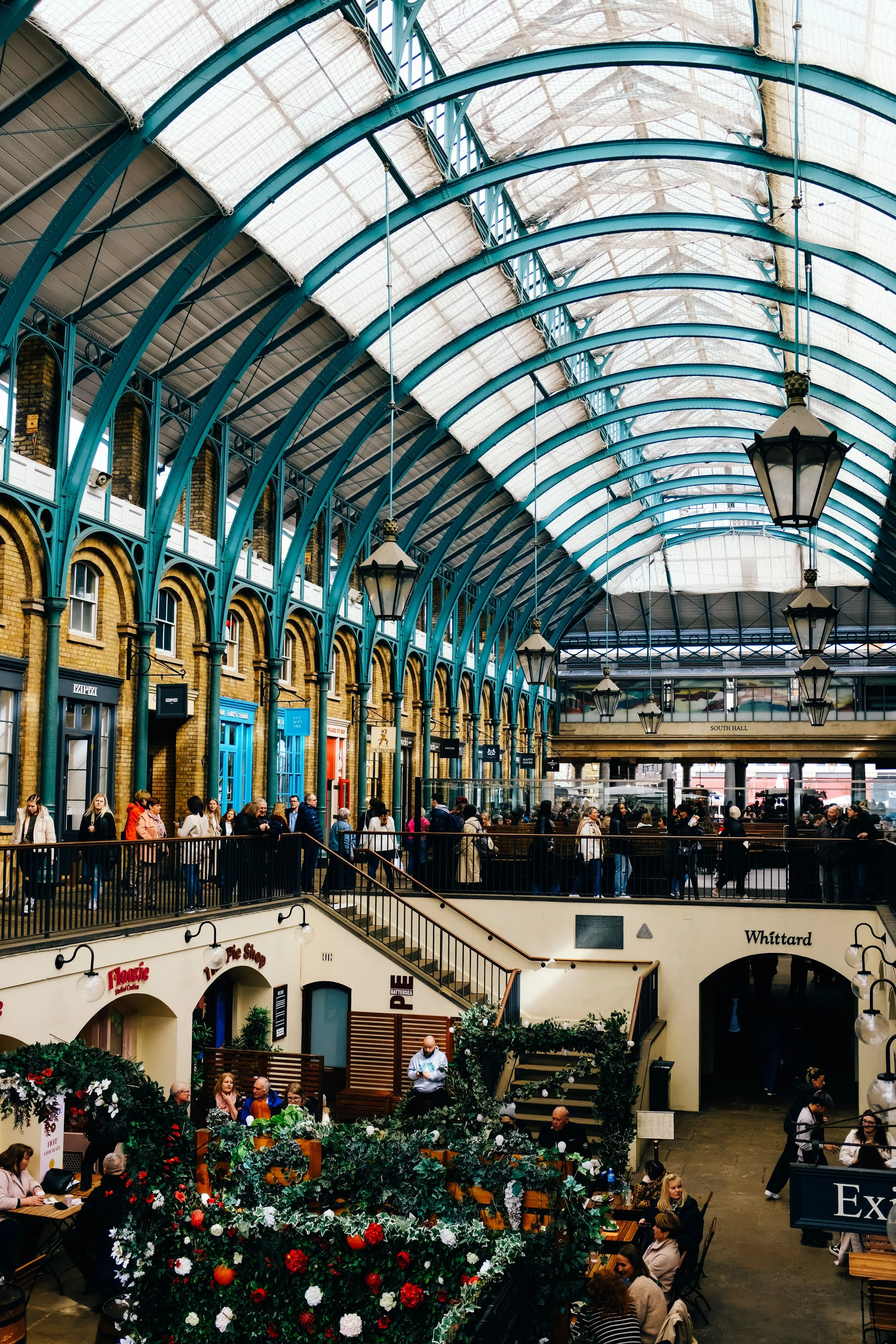
Covent Garden