THE THAMES
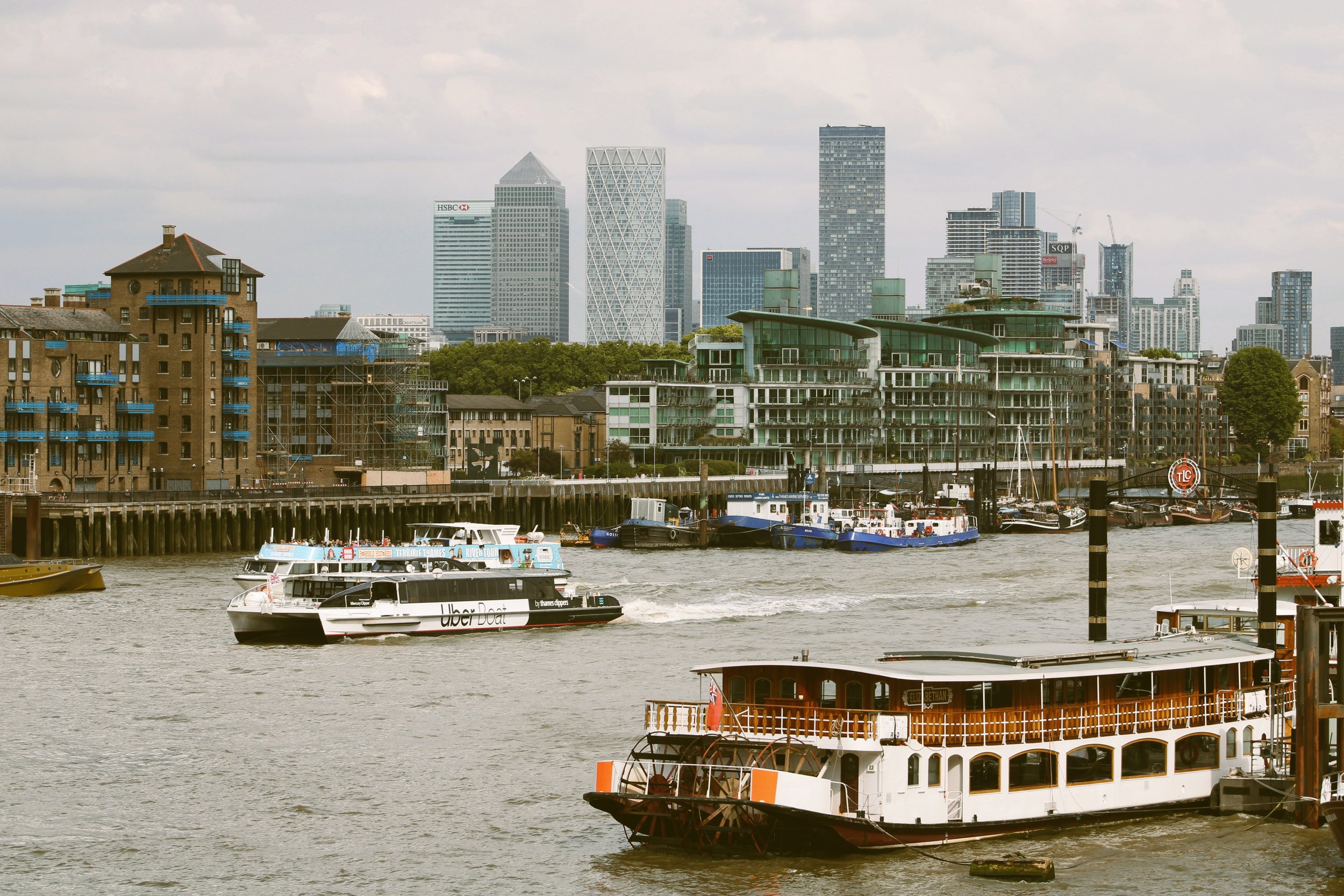
You can't actually get lost in London, not for long — find the river and you know exactly where you are. Everything else in this city is arranged around it, has been since the Romans picked this exact spot to settle nearly two thousand years ago. Cross it and something shifts. North and south have their own accents, almost, their own unspoken rules about who goes where — a Londoner from Hampstead can go decades without a real reason to cross south of the water, and plenty haven't. It sounds absurd until you've lived here long enough to feel it yourself.
Thirty-five bridges carry the city across it now, but the river was doing the real work long before any of them existed — barges hauling grain, coal, timber, the whole engine of empire floating past on brown water that's cleaner today than it's been in over a century. Salmon are back. Seals turn up as far in as Richmond. Nobody quite believes it, and everybody's a little proud of it anyway.
Walk any stretch of it and you're walking past most of what makes London recognizable from a plane window. First stop: the building that runs the country.
houseS of parliament & big ben
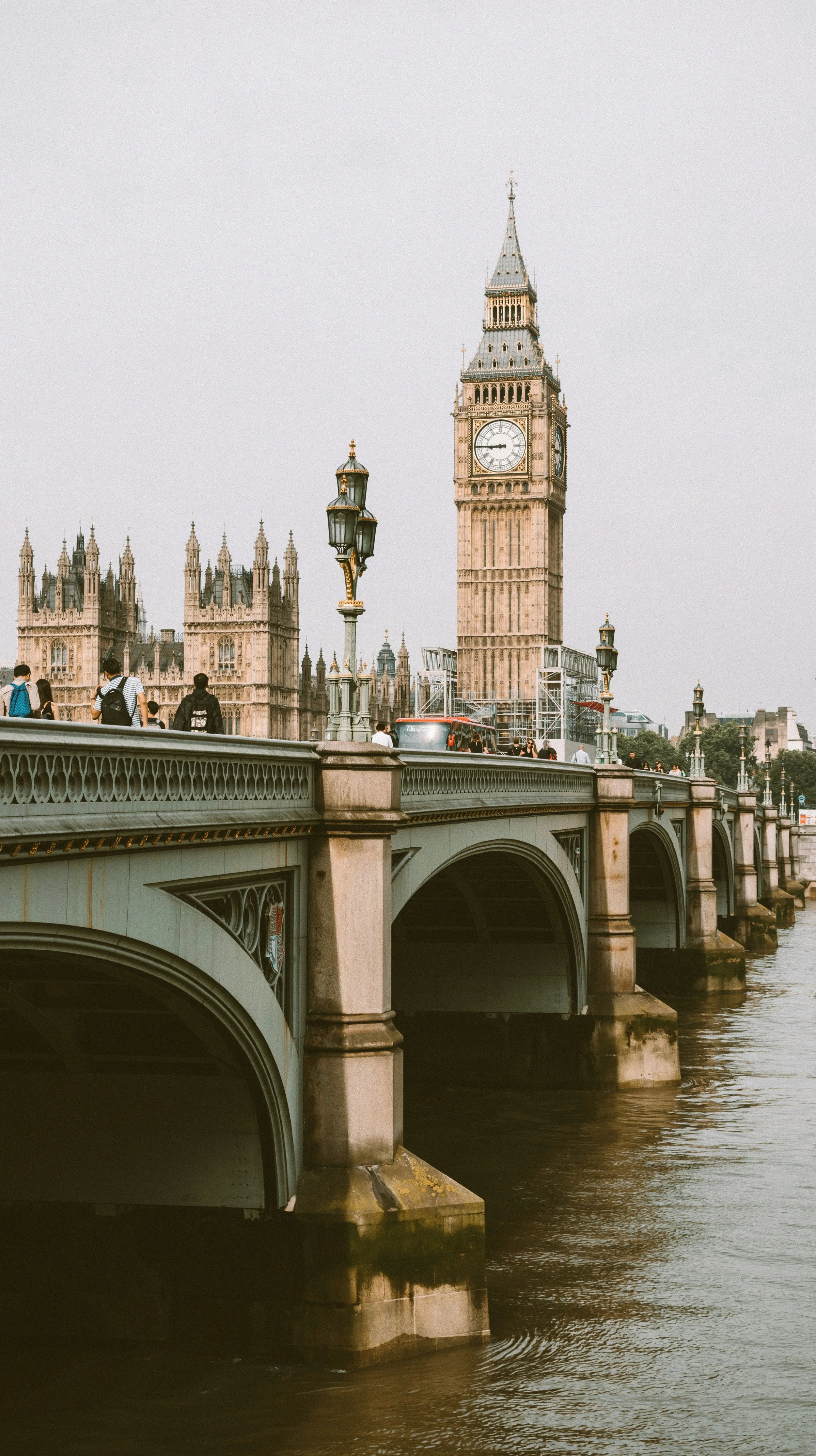
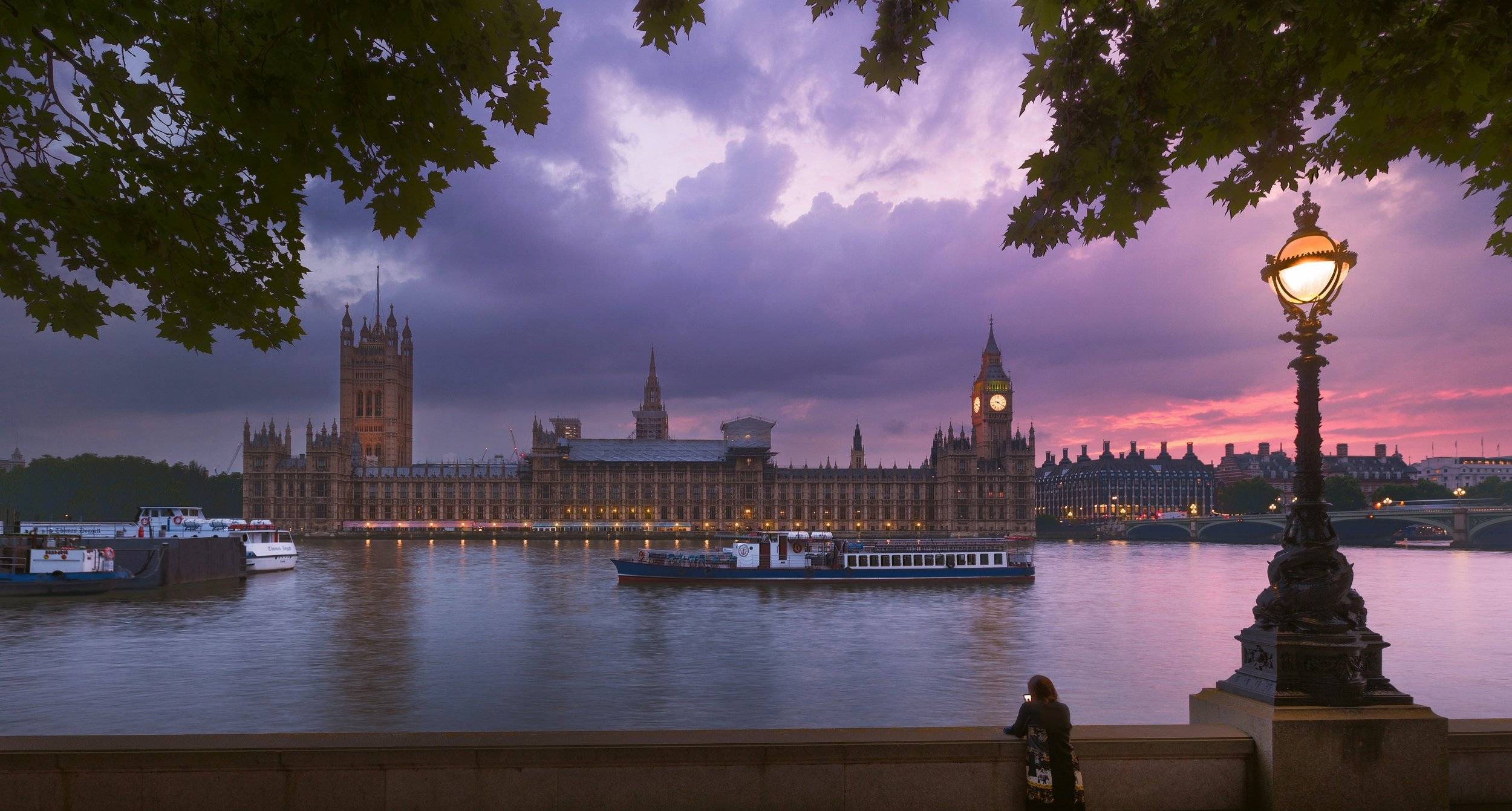
Technically, "Big Ben" is only the bell — 13.7 tonnes of it, cast in east London in 1858 after the first bell, made in the north of England, cracked, and hauled to the tower on a carriage pulled by sixteen horses. Everyone still uses the name for the whole tower anyway. It's officially the Elizabeth Tower now, renamed in 2012 for Queen Elizabeth II's Diamond Jubilee, though good luck getting a cabbie to call it that.
The Palace of Westminster burned down in 1834, so catastrophically that Turner painted it twice from a boat on the river, too transfixed to leave. What rose in its place took decades and became one of the most recognizable silhouettes on Earth — 96 metres of Gothic Revival ambition, a clock face on all four sides so nobody in the city has an excuse to be late. It was bombed in 1941, losing the House of Commons chamber, but the clock tower stood and Big Ben kept striking the hours.
tower bridge
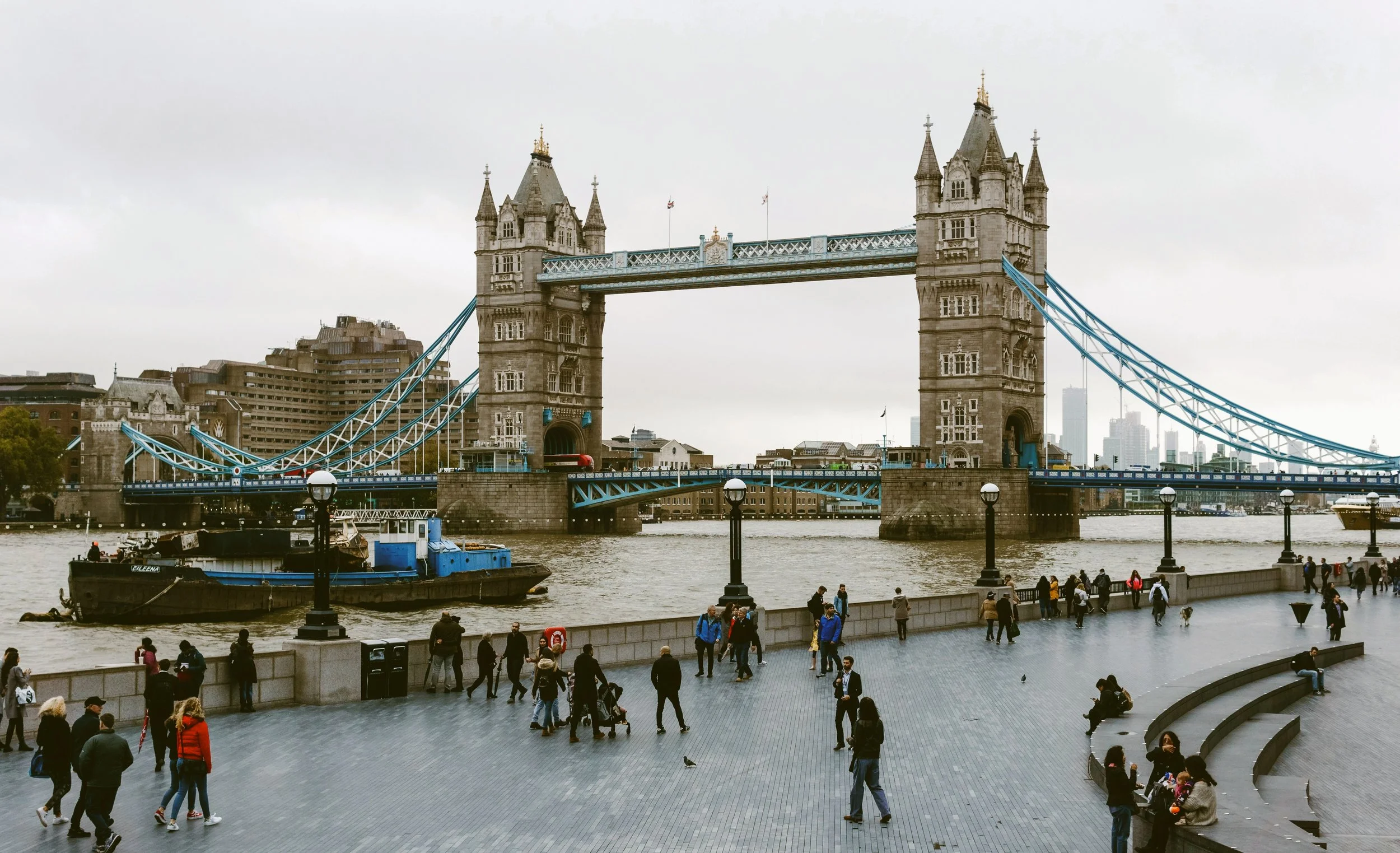
Every film needing a quick London shot calls this "London Bridge," which is its own quiet injustice — actual London Bridge is half a mile upriver and looks like nothing at all. This one, all Gothic stone towers and blue steel, opened in 1894 to solve an unglamorous problem: how to let tall ships through without stopping road traffic dead. The answer was the bascules, twin road sections that still lift skyward roughly 800 times a year.
The high-level walkways sat half-forgotten for decades, closed after becoming a haunt for thieves. They reopened in 1982, but what made them a draw was glass: since 2014, you can stand 42 meters up and look straight down through the floor at the river below. Time it right and you'll catch the bascules rising.
south bank
Cross to the south side and the whole register of the city changes — less grandeur, more noise, buskers and the smell of street food drifting off Borough Market. This stretch spent most of its history as London's disreputable half, theatres and bear-baiting pits kept outside the City's jurisdiction. Shakespeare's Globe stands a few hundred feet from where the original burned down in 1613 — a spark from a stage cannon, gone in under an hour.
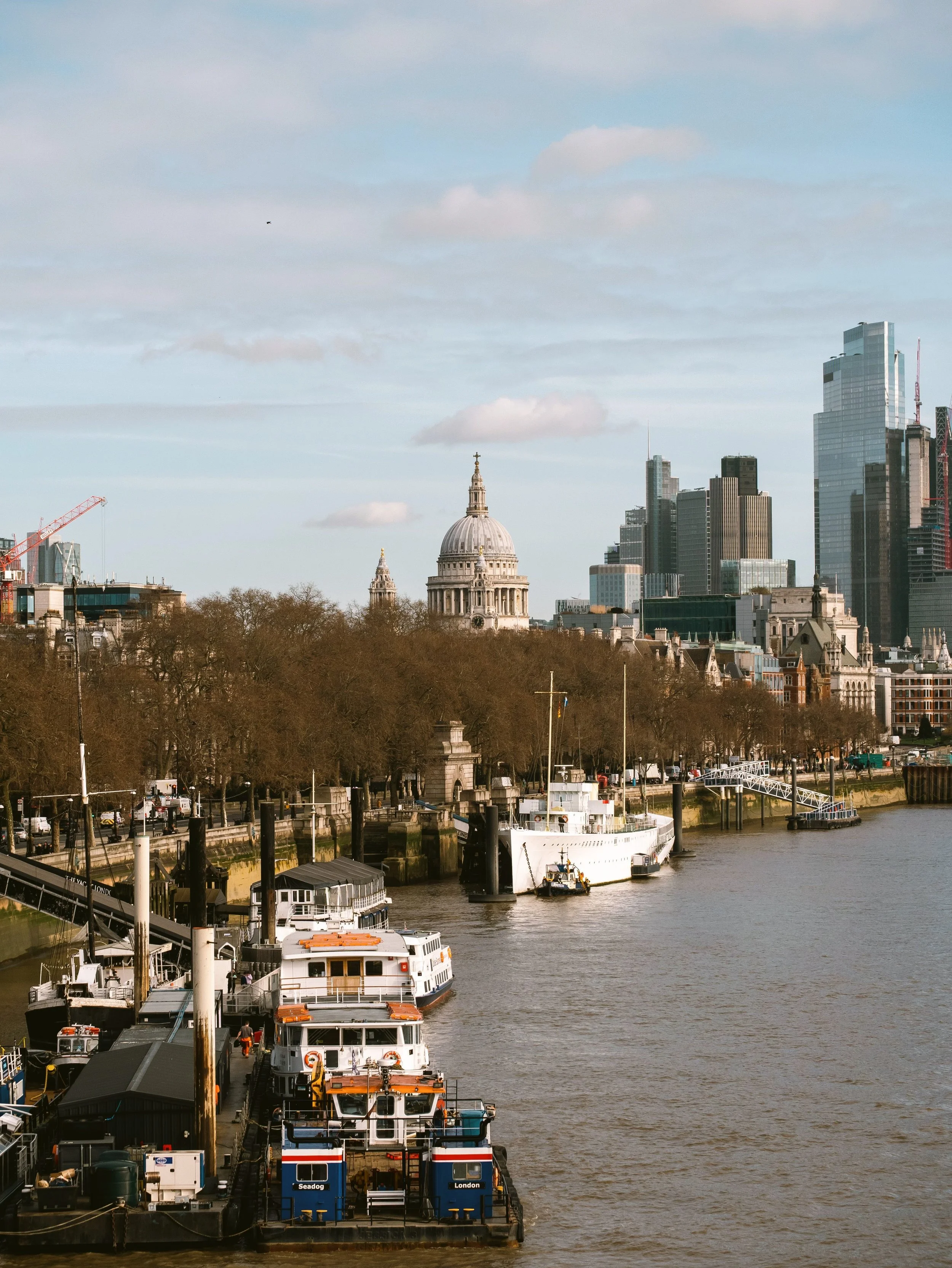
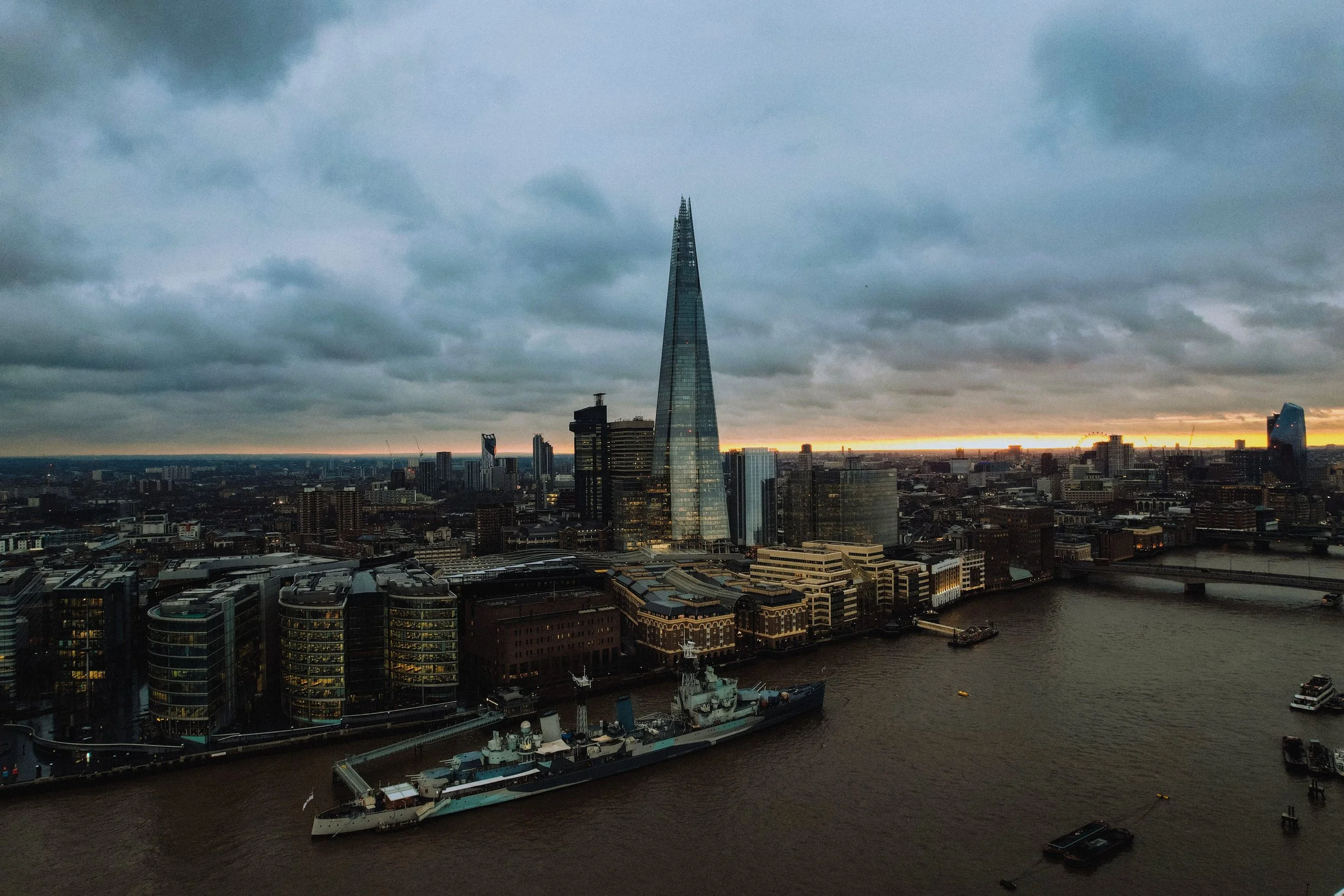
Further along, a decommissioned power station holds one of the most visited modern art museums on the planet — Tate Modern. Walk the whole promenade on a clear evening — St Paul's Cathedral on one bank, the Shard on the other — and you'll understand why Londoners treat this walk less like sightseeing and more like therapy.
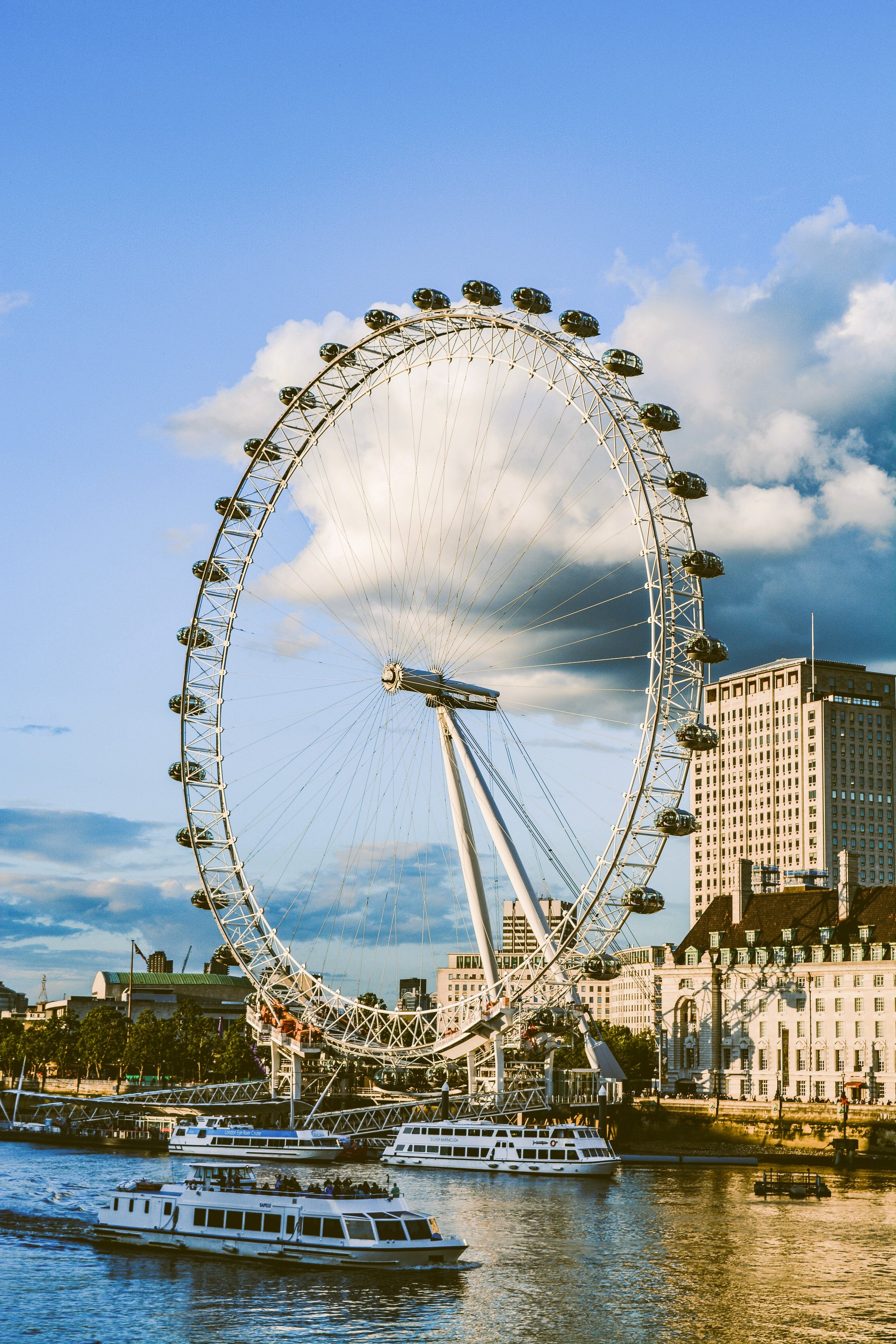
At the western end, the London Eye turns slowly against the sky — the millennium project everyone assumed would come down after a year, still spinning a quarter-century later. [Skip the line, book ahead →]
SEE IT FROM THE WATER — Boat Tour
The river doesn't sit still long enough to photograph properly from the bank. A Thames cruise fixes that — glide past Parliament, under Tower Bridge, with the whole skyline unfolding at the pace London almost never moves at. No traffic, no tube, just the current doing the work. [Book a Thames river cruise →]