ROYAL LONDON
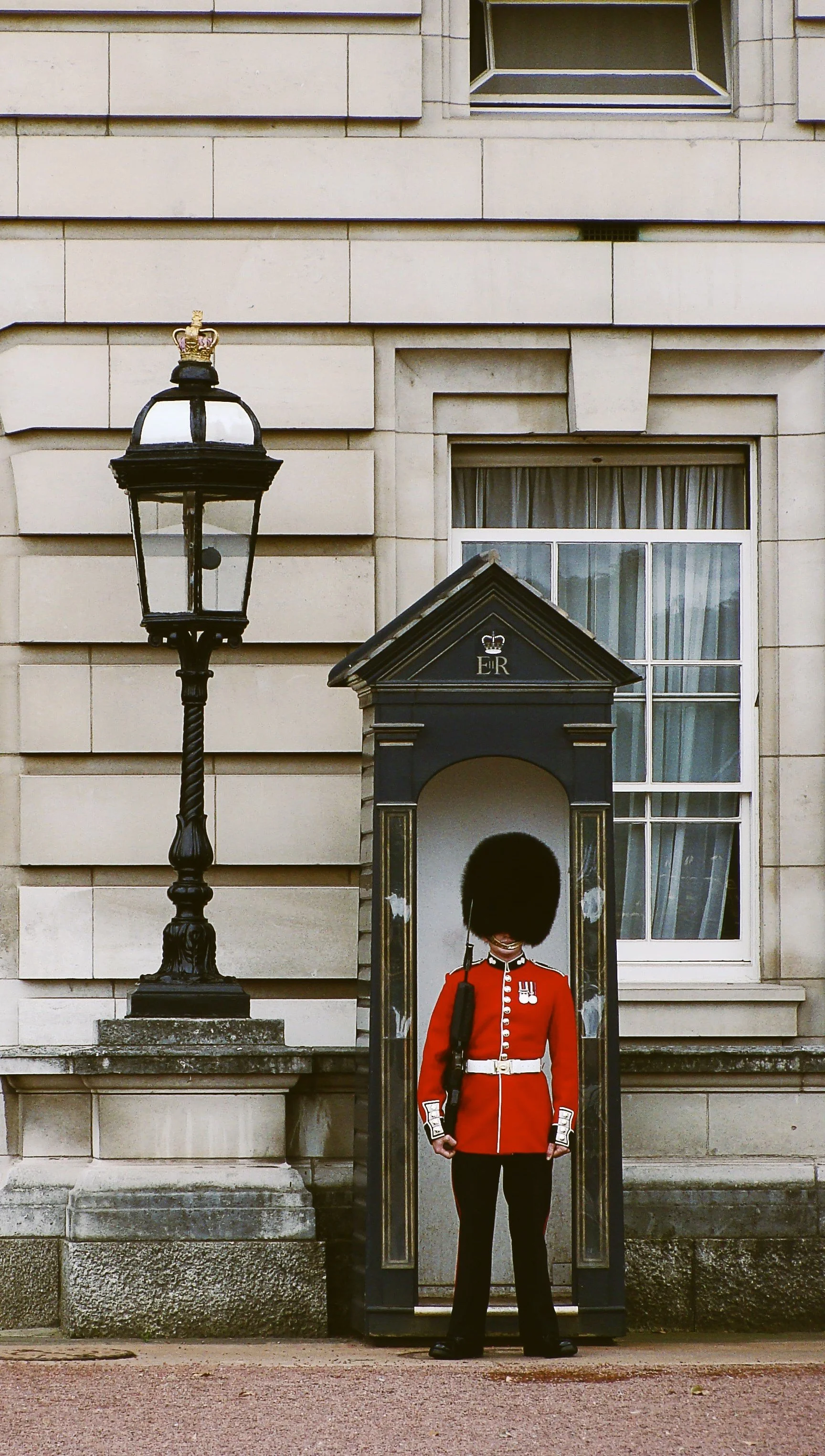
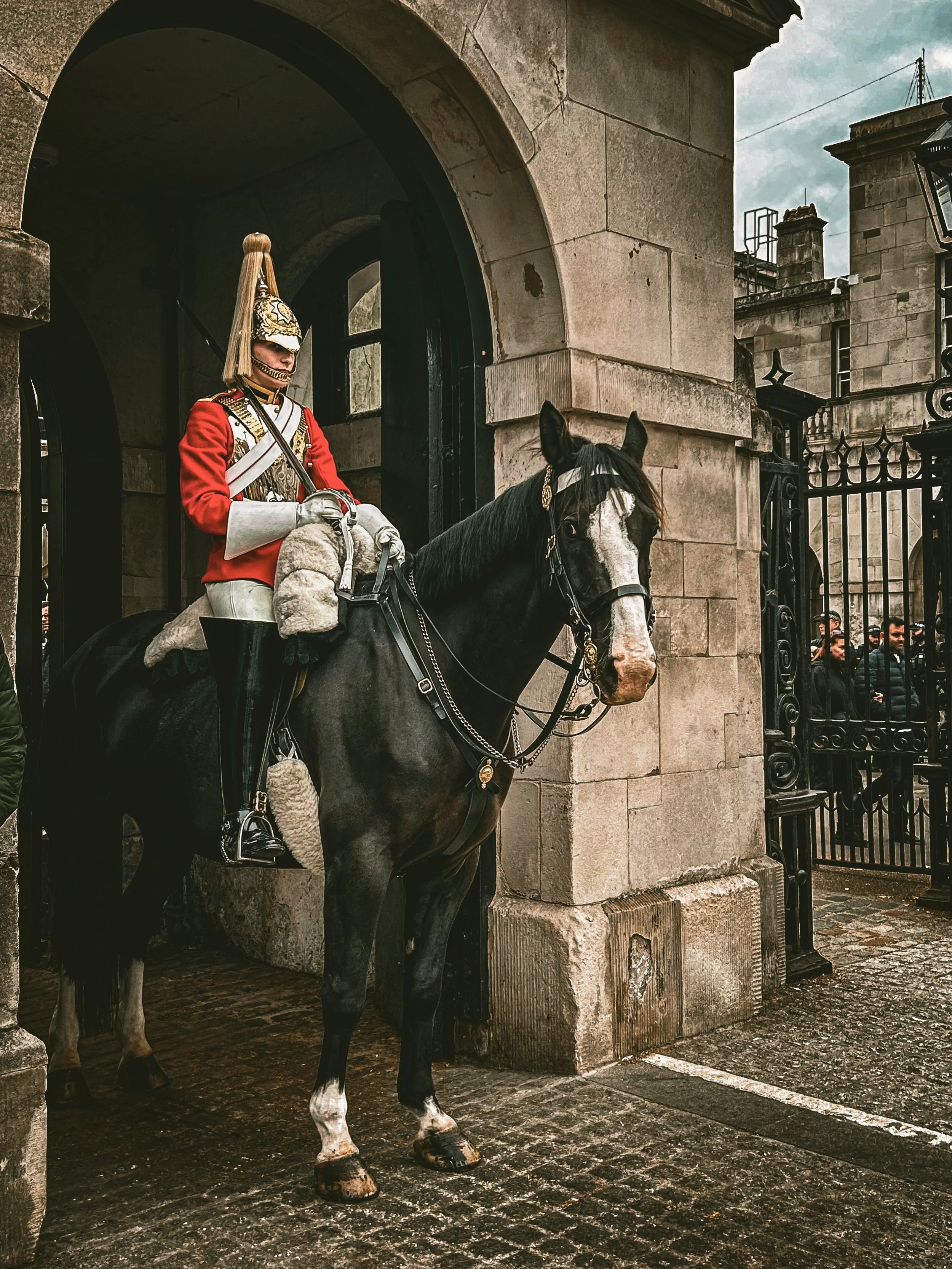
There's a flag above Buckingham Palace that changes depending on whether the King is home. That alone tells you something most capitals can't: London's monarchy isn't a museum piece, it's a household still running its own errands. Soldiers in bearskin hats are actually guarding something, not posing for it. Banknotes still carry a real, living face. A park bench a few hundred meters away has a perfect view of a palace that's still, genuinely, in use, curtains and all.
It's easy to mistake all this for pageantry and leave it at that — the marching bands, the tourists with their phones out, the sense of a very expensive show going through its motions. Underneath the ceremony, though, is something closer to eleven centuries of continuous, occasionally brutal history — a fortress that's held prisoners and crown jewels in the same walls, a palace with 775 rooms and a working postbox, a small stretch of park where a Russian ambassador's gift of pelicans has outlasted the empire that received it.
A palace, a fortress, a park — three very different ways of being reminded that the crown never really stopped working.
BUCKINGHAM PALACE
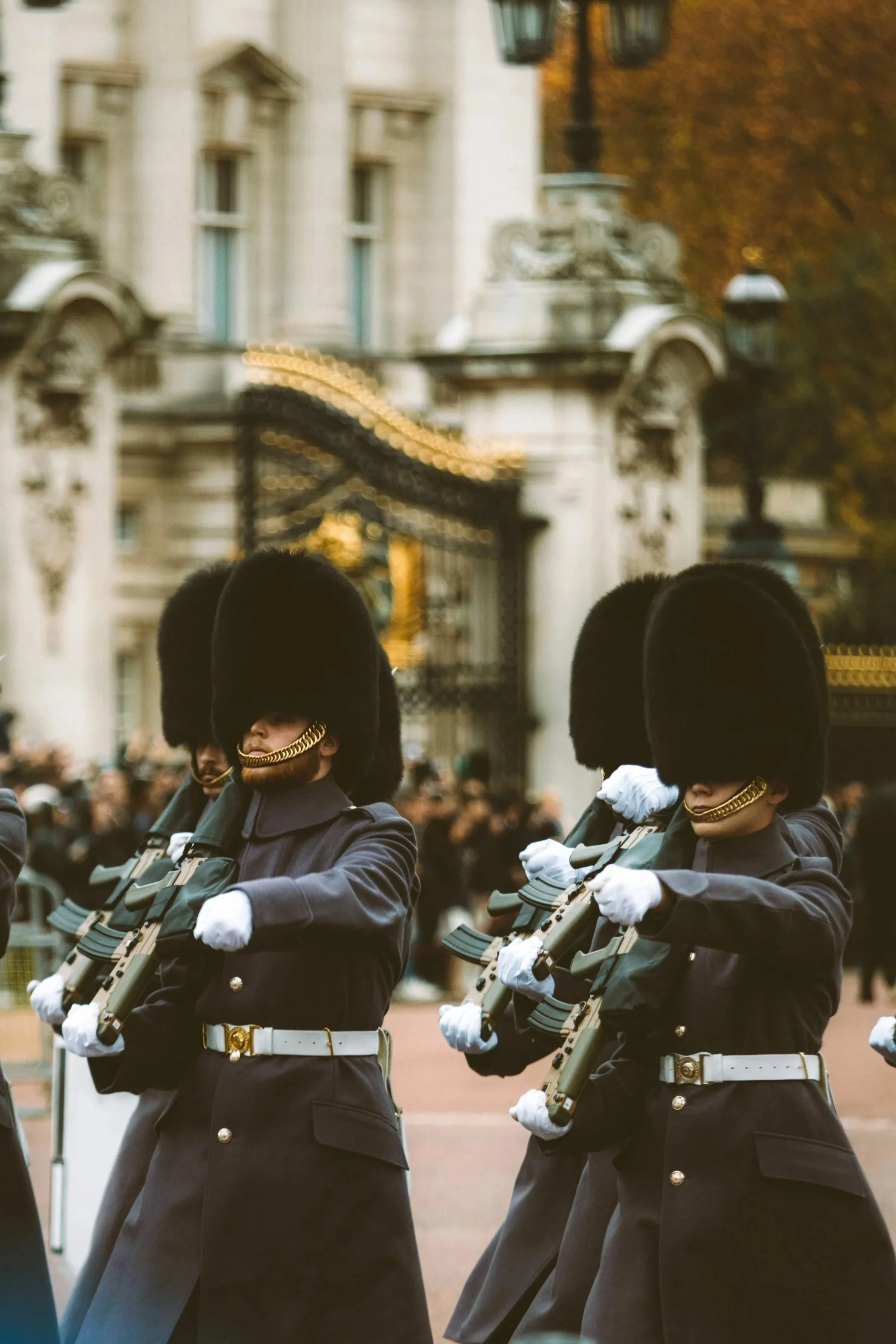
Three days a week — usually Monday, Wednesday and Friday, schedule permitting — the guards change at eleven, fresh troops marching over from Wellington Barracks to relieve the old ones. Free, loud with brass instruments, over in about forty minutes. Nobody in a bearskin hat will react to you, so don't try.
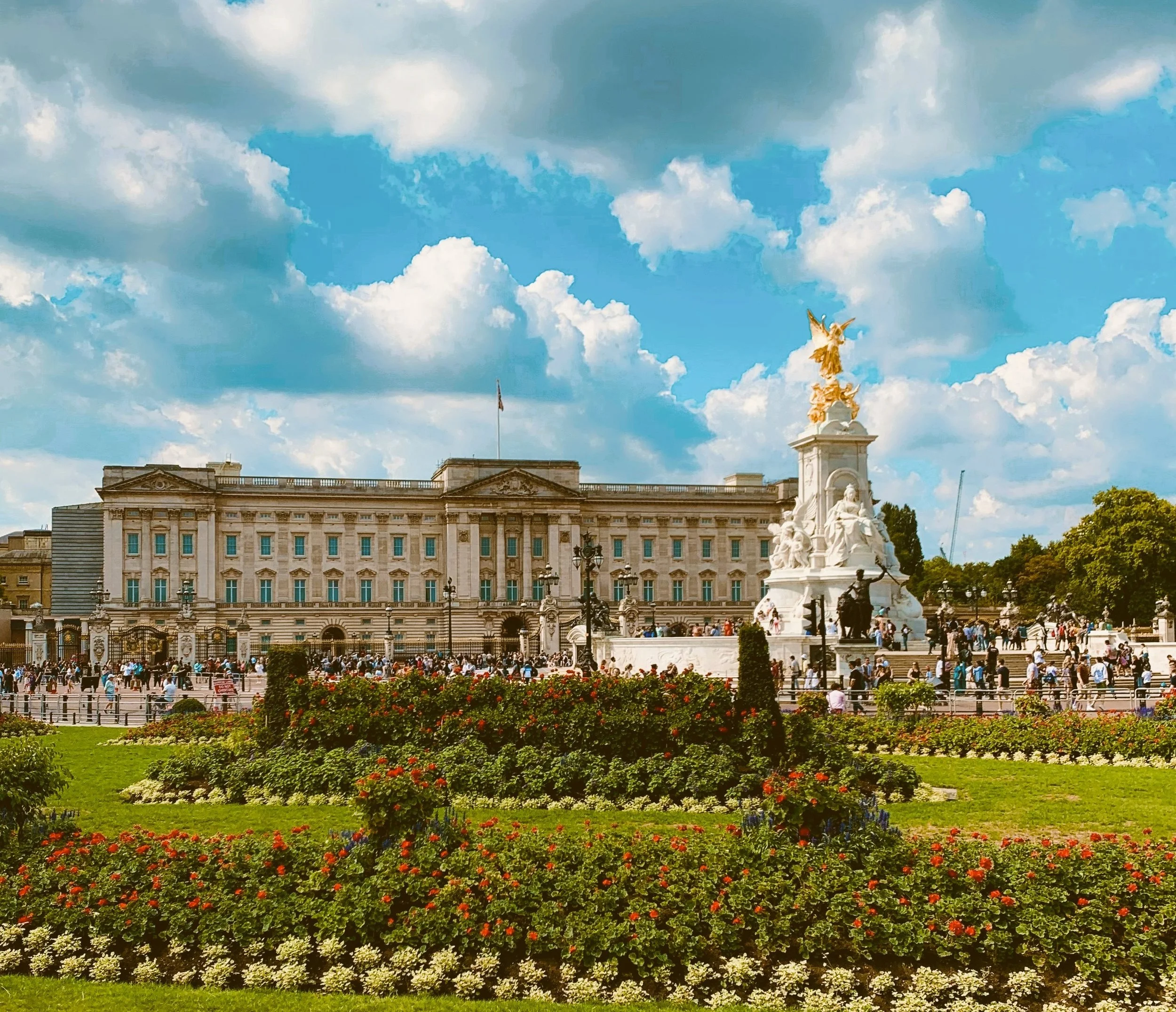
The palace itself only opens properly in summer, ten short weeks when the King decamps to Balmoral and the public walks through nineteen State Rooms he was using weeks earlier. Bought by George III in 1761 as a duke's private house, expanded ever since — there are 78 bathrooms now, and someone has to know where all of them are.
Come for the ceremony, stay for the rooms if the timing works. [Book Buckingham Palace tickets →]
the tower of london
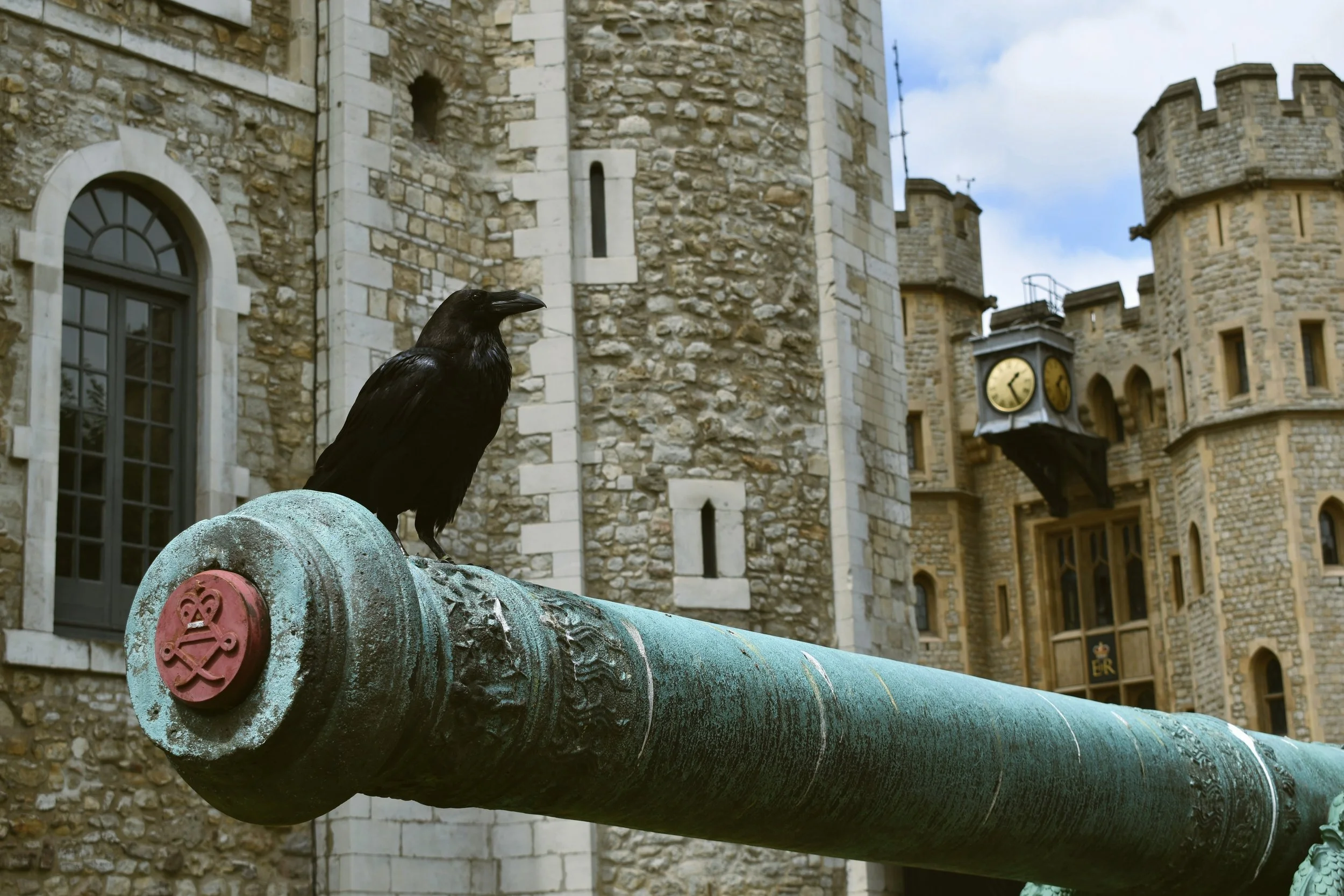
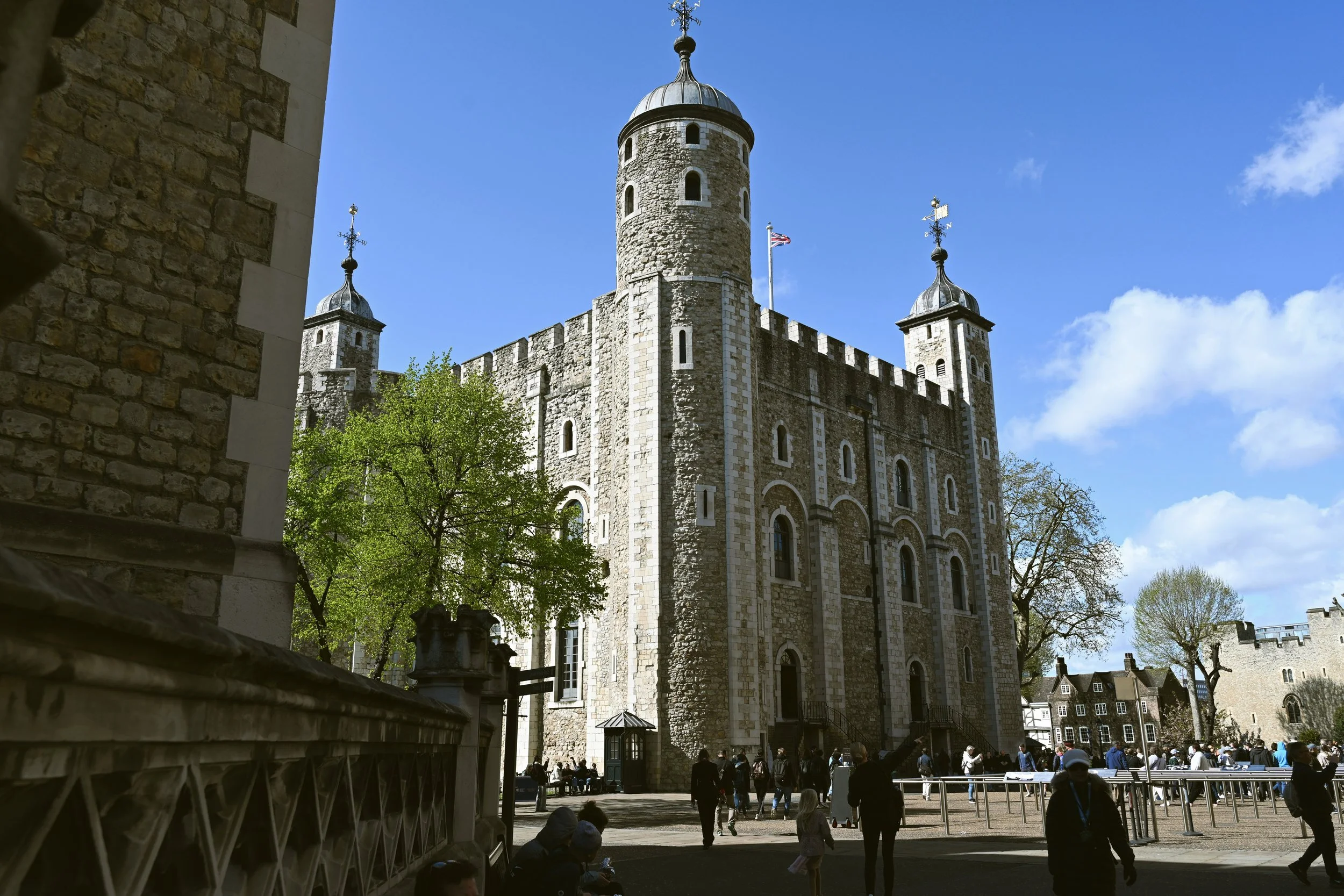
Nearly a thousand years old, and it's been almost everything — royal residence, prison, armory, even a zoo at one point. William the Conqueror started it in 1066, more threat than welcome, and the White Tower at its center still looks the part. Anne Boleyn was held here before her execution. So were countless others history forgot to name.
Two things pull the crowds now: the Crown Jewels, sitting in a vault built to slow down anyone with the wrong idea, and the ravens — seven of them, though tradition only requires six, cared for by an actual Ravenmaster, because legend says the kingdom falls the day they leave.
Yeoman Warders, the "Beefeaters", lead tours daily and are worth timing your visit around. More than thirty live inside the walls with their families — the strangest commute in London, or the shortest. [Book Tower of London tickets →]
St. james’s park & the royal parks
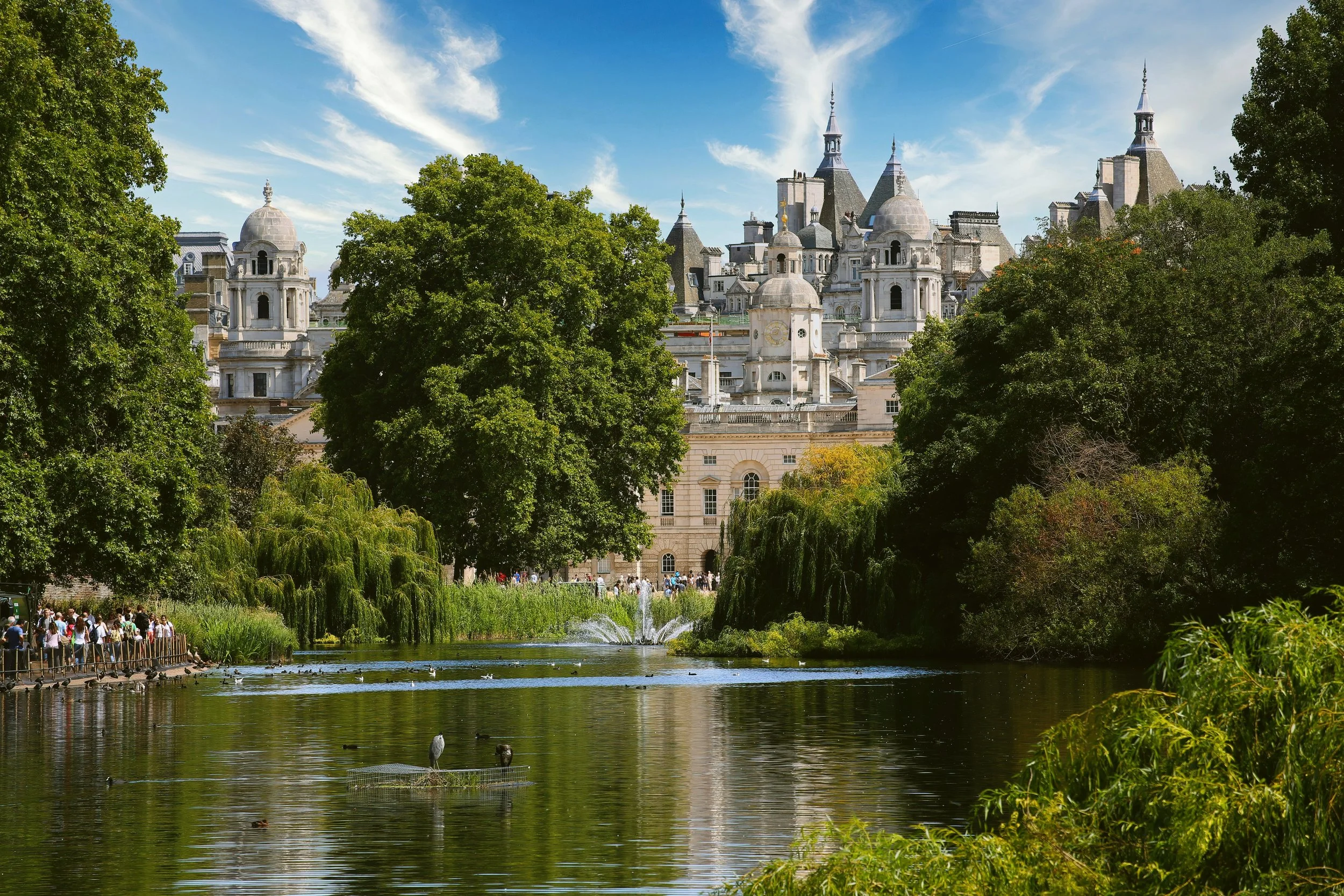
The oldest Royal Park in central London, and the one that makes you forget you're in a capital city at all. Henry VIII drained the marshland for deer hunting in 1532; a colony of pelicans has lived on the lake ever since a Russian ambassador gifted the first pair to Charles II in 1664, fed by hand most afternoons and known to eat rather more than fish.
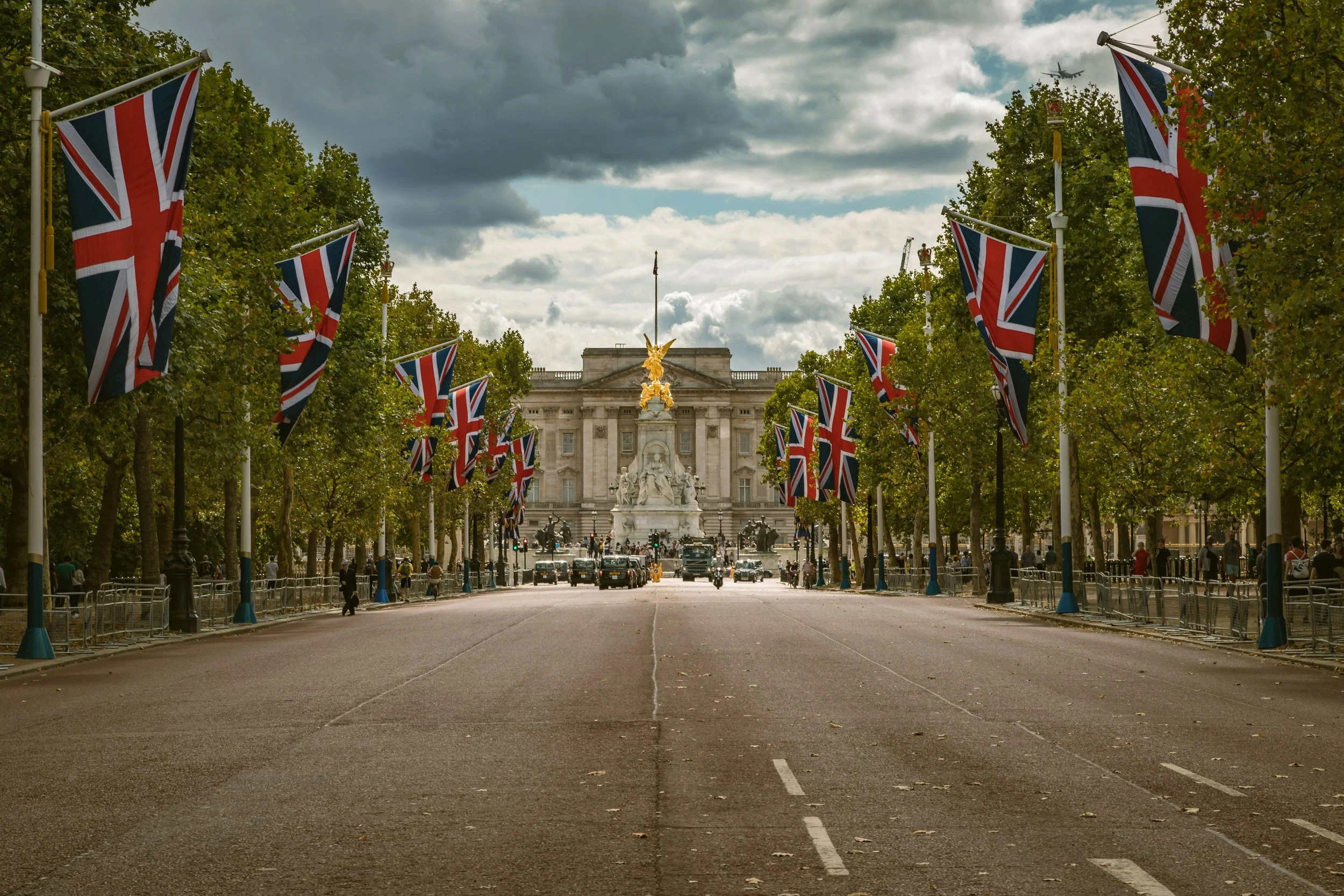
Stand on the Blue Bridge for the view London saves for postcards: Buckingham Palace to the west, Whitehall's towers to the east, nothing between you and either but water and willow trees. Walk on and the park quietly joins Green Park, then Hyde Park, then Kensington Gardens — one continuous stretch of green through the middle of the city, free and unticketed, open before you're awake and long after you've gone to bed.
The eight, in full — St James's is just the beginning:
ST. JAMES’S PARK — The royal park with the best front-row seat on the monarchy: The Mall runs along one edge, Horse Guards Parade along another, and every procession passes between them.
GREEN PARK — The plainest by design — no lake, no flowerbeds, just trees and grass, the way it's stayed since Charles II wanted somewhere to walk without being watched.
HYDE PARK — London's biggest central green space, with the Serpentine for rowing and Speakers' Corner for shouting — a tradition of free speech that's been going, unbroken, since the 1800s.
KENSINGTON GARDENS — Hyde Park's quieter, more formal neighbor, home to Kensington Palace and a statue of Peter Pan that's been startling children since 1912.
THE REGENT’S PARK — Rose gardens, an open-air theatre, and London Zoo tucked inside its edges — climb Primrose Hill after for one of the best skyline views in the city.
GREENWICH PARK — The first Royal Park to be enclosed, in 1433, with the Royal Observatory at its peak and the Prime Meridian running straight through the middle of it.
RICHMOND PARK — The largest by far, 2,500 acres of it, with wild deer that have roamed here since Charles I first enclosed the land in 1637.
BUSHY PARK — Quieter still, north of Hampton Court, with its own herd of deer and a fountain older than the United States.
PLAN YOUR ROYAL VISIT
Buckingham Palace's State Rooms only open a few weeks a year, and the Tower's ticket line can eat an hour of your day — both worth booking ahead.
[Find Buckingham Palace tickets →]
[Find Tower of London tickets →]