GRAND BAZAAR & SPICE BAZAAR
Istanbul invented the shopping mall roughly 500 years before anyone thought to put one in the suburbs. The Grand Bazaar opened in 1461, just eight years after the conquest of Constantinople, and it's been under one roof, expanding shop by shop, ever since — which makes it not just old, but continuously operating for longer than most countries have existed in their current form.
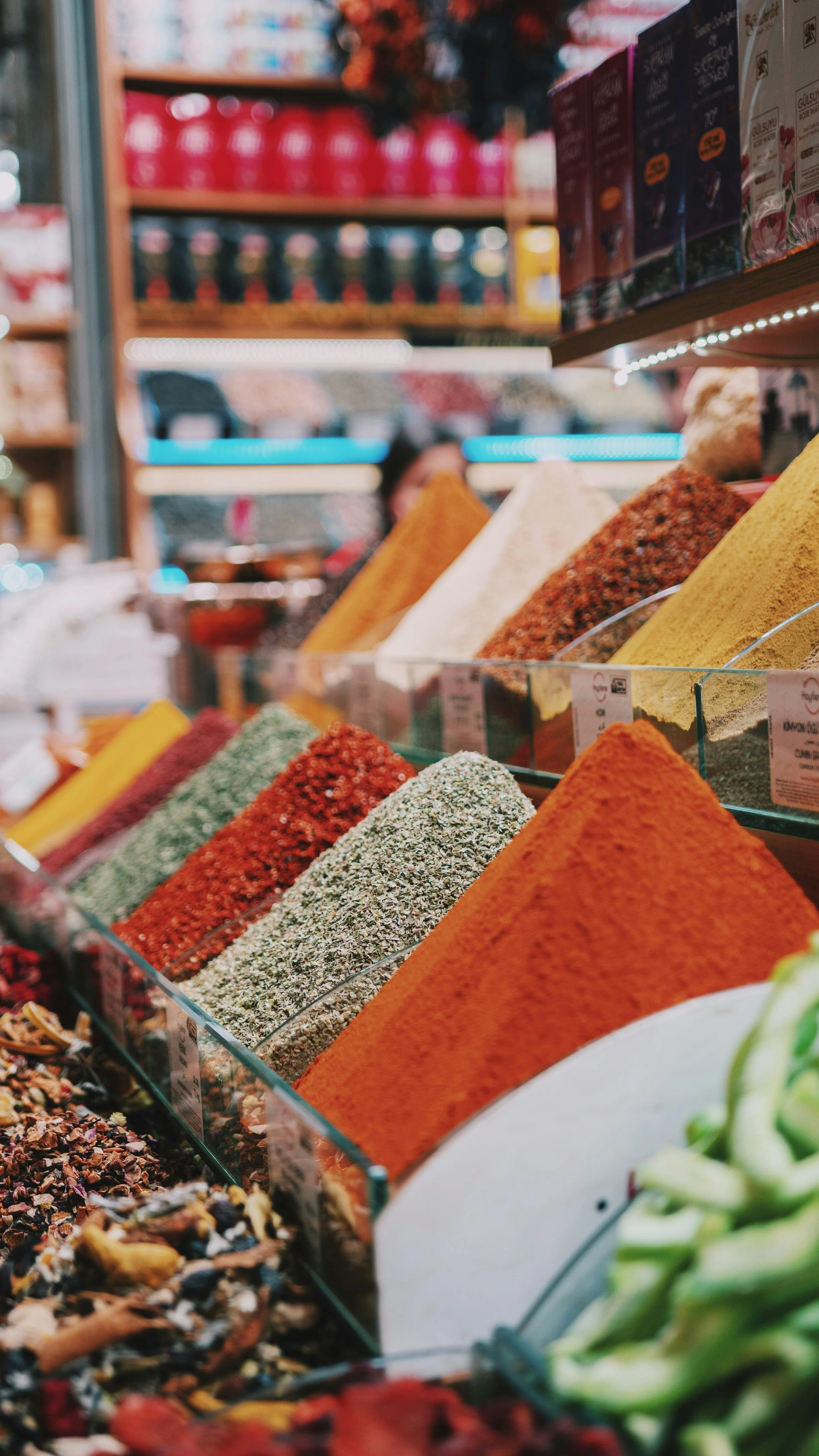
Two bazaars matter here, and they're different animals entirely. The Grand Bazaar is enormous, borderline overwhelming, a genuine labyrinth where getting lost isn't really optional. The Spice Bazaar is smaller, more contained, and does exactly what its name promises — mountains of saffron, sumac, and dried fruit stacked into pyramids, the smell hitting you before the entrance does.
Both are still functioning markets, not preserved museum pieces — real vendors making a real living, even with the tourist volume. That distinction matters more than it sounds like it should.
Budget half a day for the Grand Bazaar alone if you actually want to see it, not just pass through it.
the GRAND BAZAAR
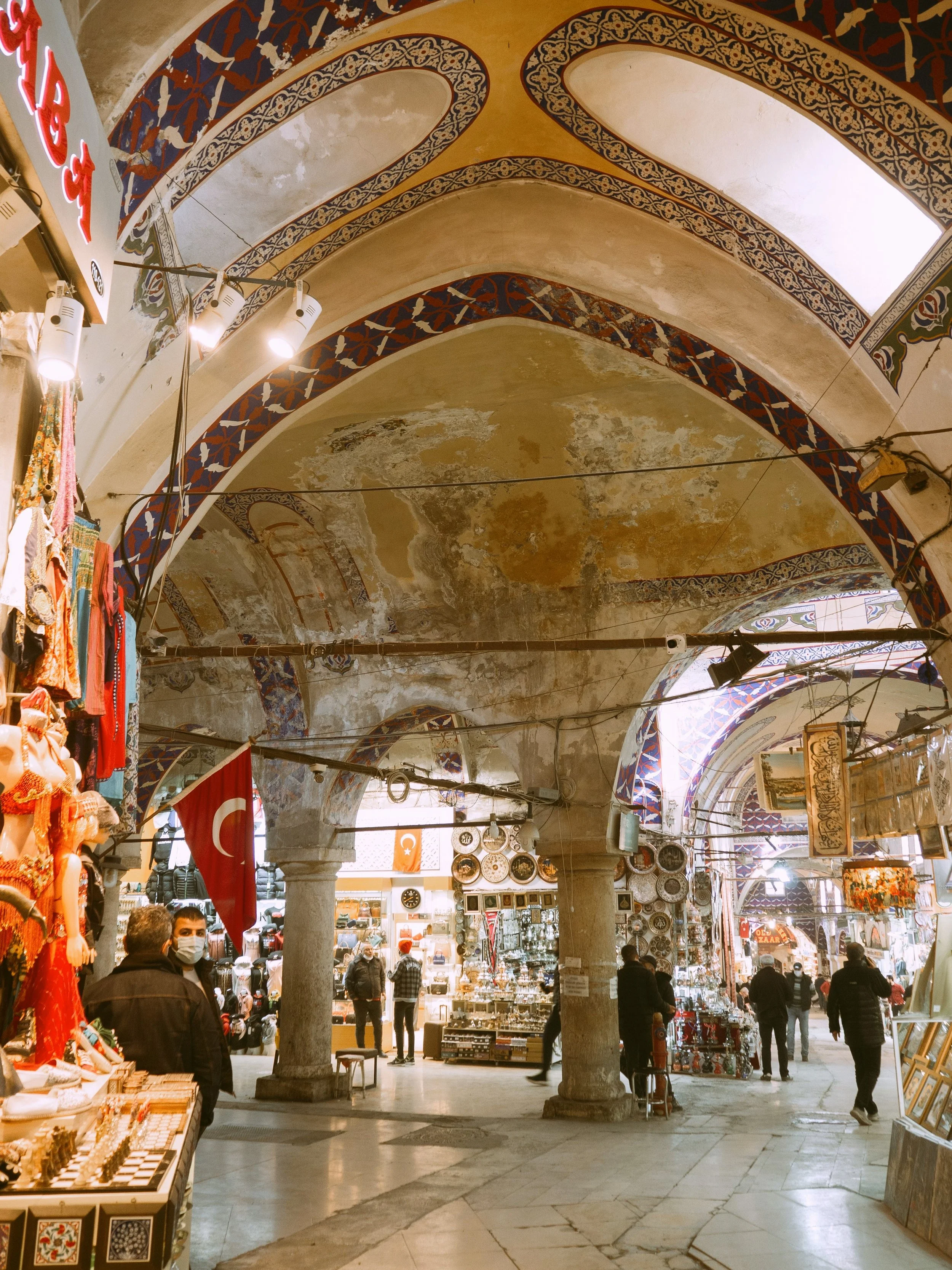
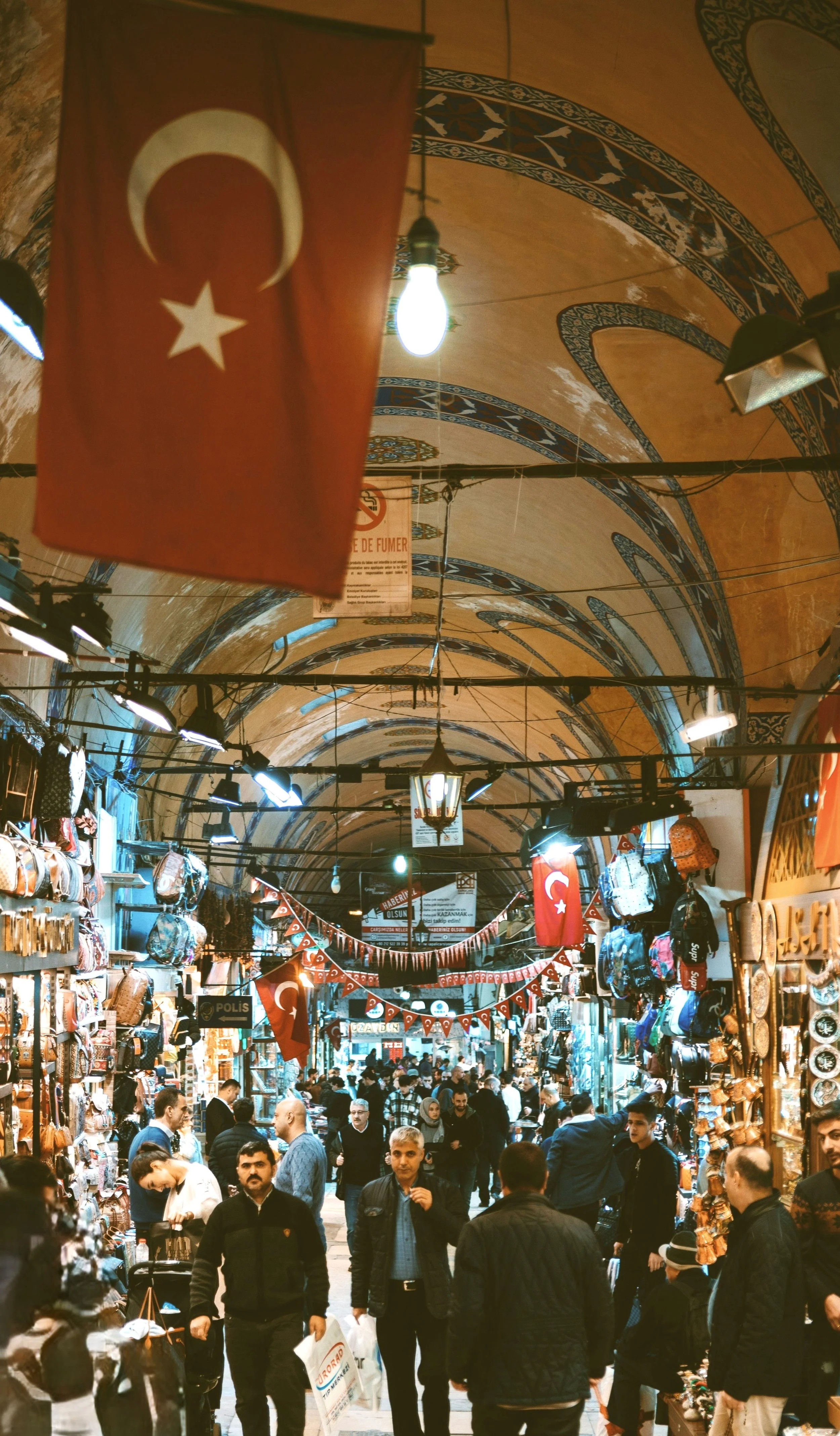
Sixty-one covered streets, over 4,000 shops, and no logical order that a first-timer will crack on their first visit — the layout grew organically over five centuries, not according to any plan. Entire streets specialize: one for gold, another for carpets, another for leather, a pattern left over from the guild system that built the place in the first place.
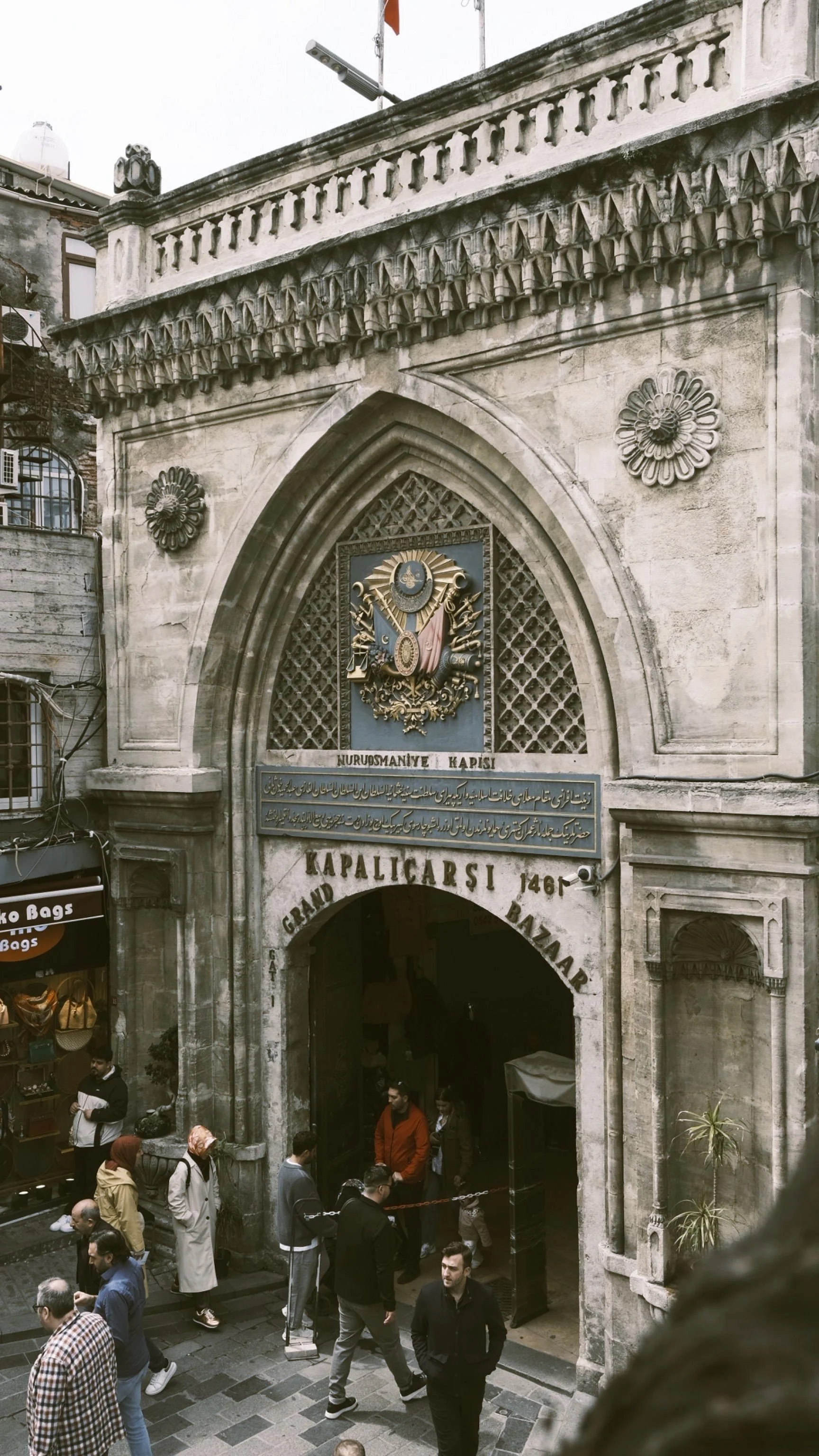
The ceiling alone is worth looking up for — vaulted brick painted in faded reds and blues, restored more than once after fires and earthquakes, including a serious one in 1894. Getting lost here isn't a failure of navigation; it's basically the intended experience. Pick a gate to remember (Nuruosmaniye is grand and easy to spot) so you have a fallback point to return to, and treat the first hour as pure wandering rather than shopping with a list.
At the bazaar's heart sits the Old Bedesten, the stone core Mehmed II built in the 1450s, now holding antiques, old coins and silverware behind heavy lockable gates. Off the covered streets, courtyard hans like the Zincirli Han still house workshops and carpet dealers. The bazaar is closed on Sundays, when the Spice Bazaar makes the better plan.
Beyazıt, 34126 Istanbul - FATIH
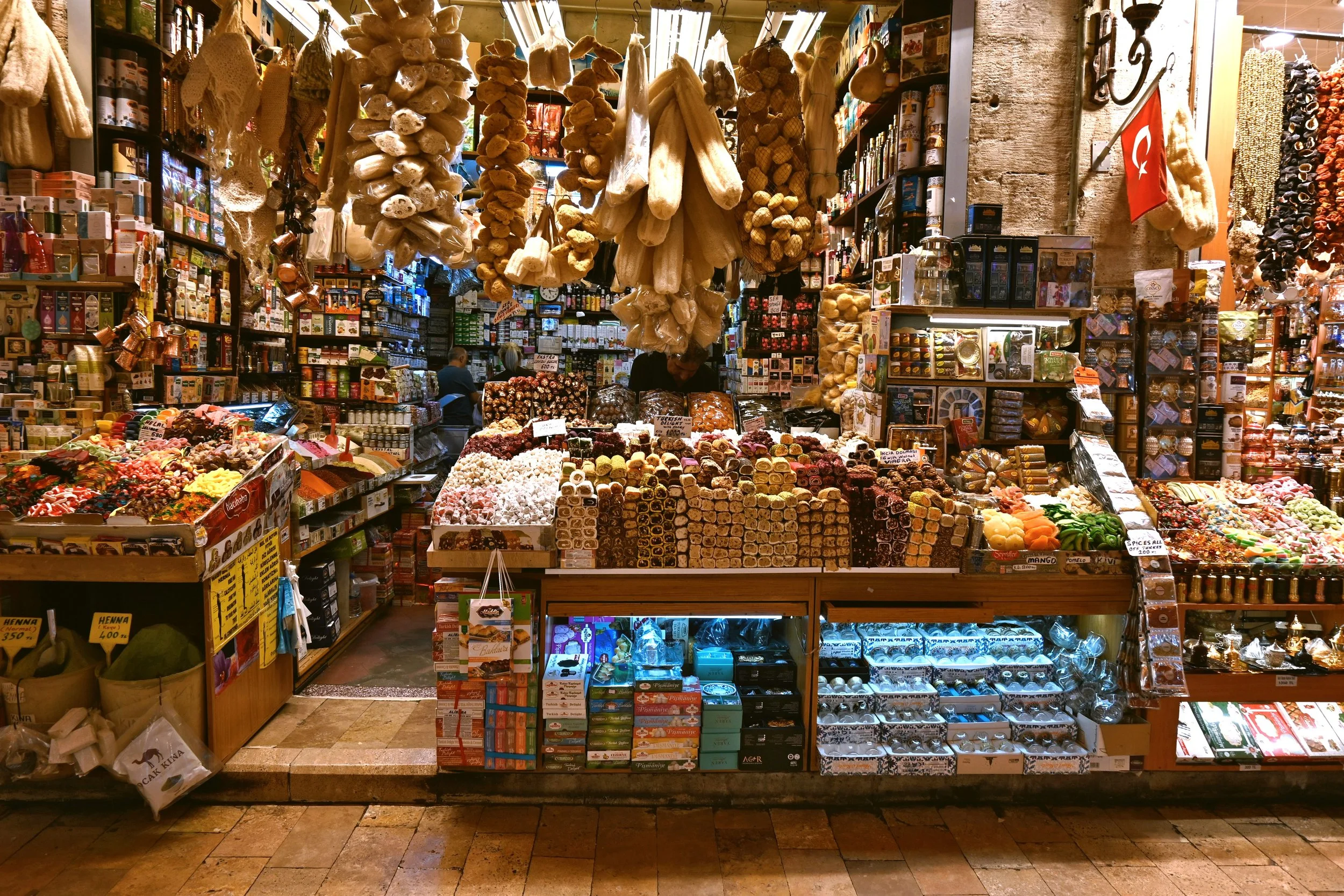
the spice bazaar
The Spice Bazaar, or Mısır Çarşısı (the Egyptian Bazaar), sits beside the New Mosque in Eminönü, and its name says who paid for it. Built between 1660 and 1664 by the queen mother Turhan Hatice Sultan, it was financed, according to tradition, with taxes from Egypt, and its rents kept the neighboring mosque and its charities running. Come for saffron, sumac, dried fruit and Turkish delight stacked in pyramids, but know that some shops now sell mostly souvenirs, and that prices here can run higher than at spice shops elsewhere in the city.
Rüstem Paşa Mahallesi, 34116 Istanbul - FATIH
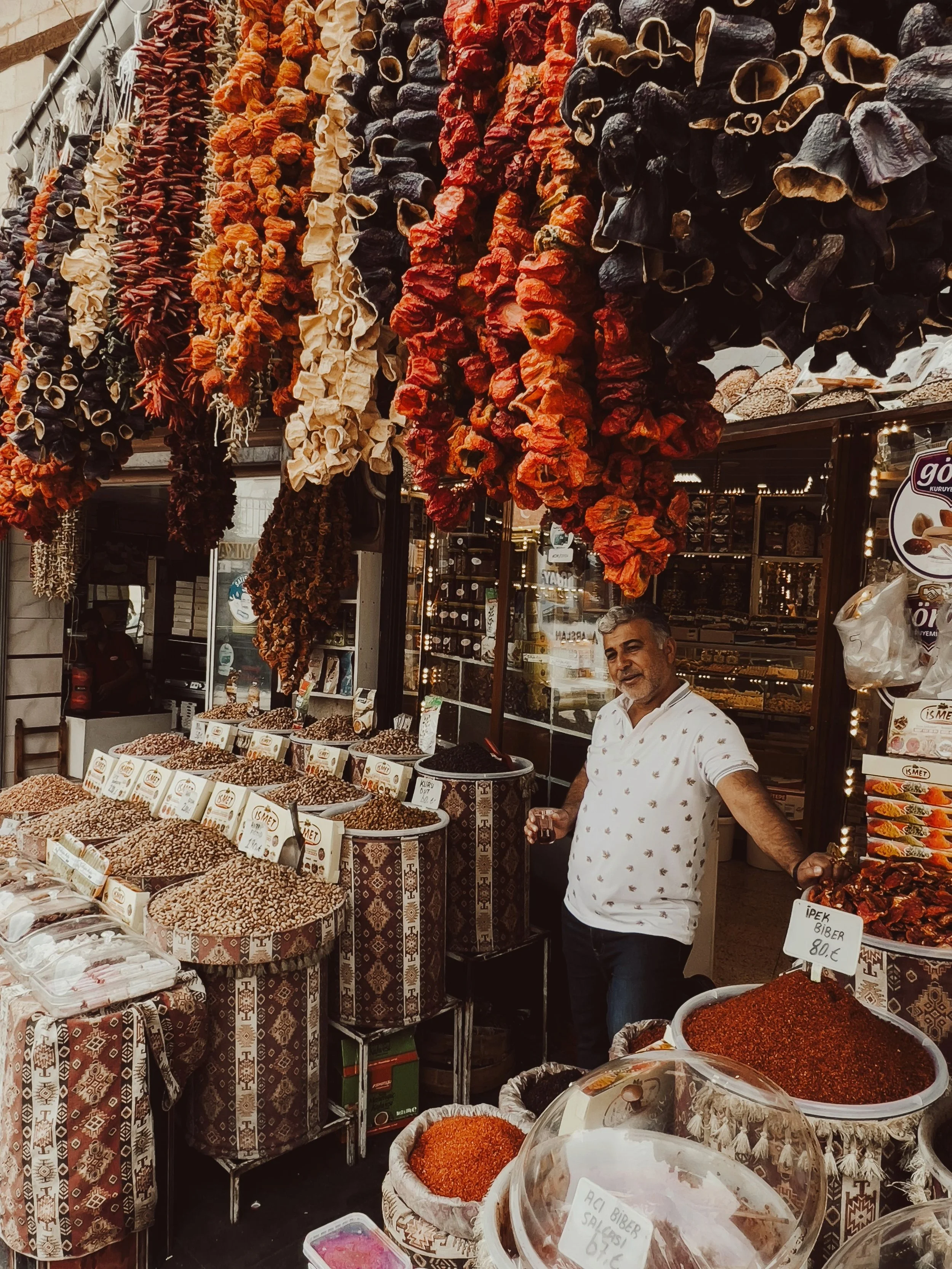
WHAT TO KNOW BEFORE YOU BARGAIN
Prices at both bazaars are opening offers, not final ones — expect the first number quoted to be roughly double what a vendor will actually accept. Counter low, stay friendly, and don't feel rude about it; haggling here is a social ritual, not a conflict.
Cash gets better prices almost everywhere, and small bills move faster than large ones. If a vendor offers you tea while you look, that's normal hospitality, not an obligation to buy — though it usually means the conversation's about to get more personal, and more negotiable.
Pickpockets work the crowded main avenues of the Grand Bazaar specifically because they're crowded; keep bags zipped and in front of you, same as any dense market anywhere in the world.
GUIDED WALK TOUR
If navigating 4,000 shops solo sounds like more chaos than charm, a guided walking tour of both bazaars hits the highlights of each in a few hours, with someone who actually knows which vendors are worth your time.