BEYOND THE OLD CITY
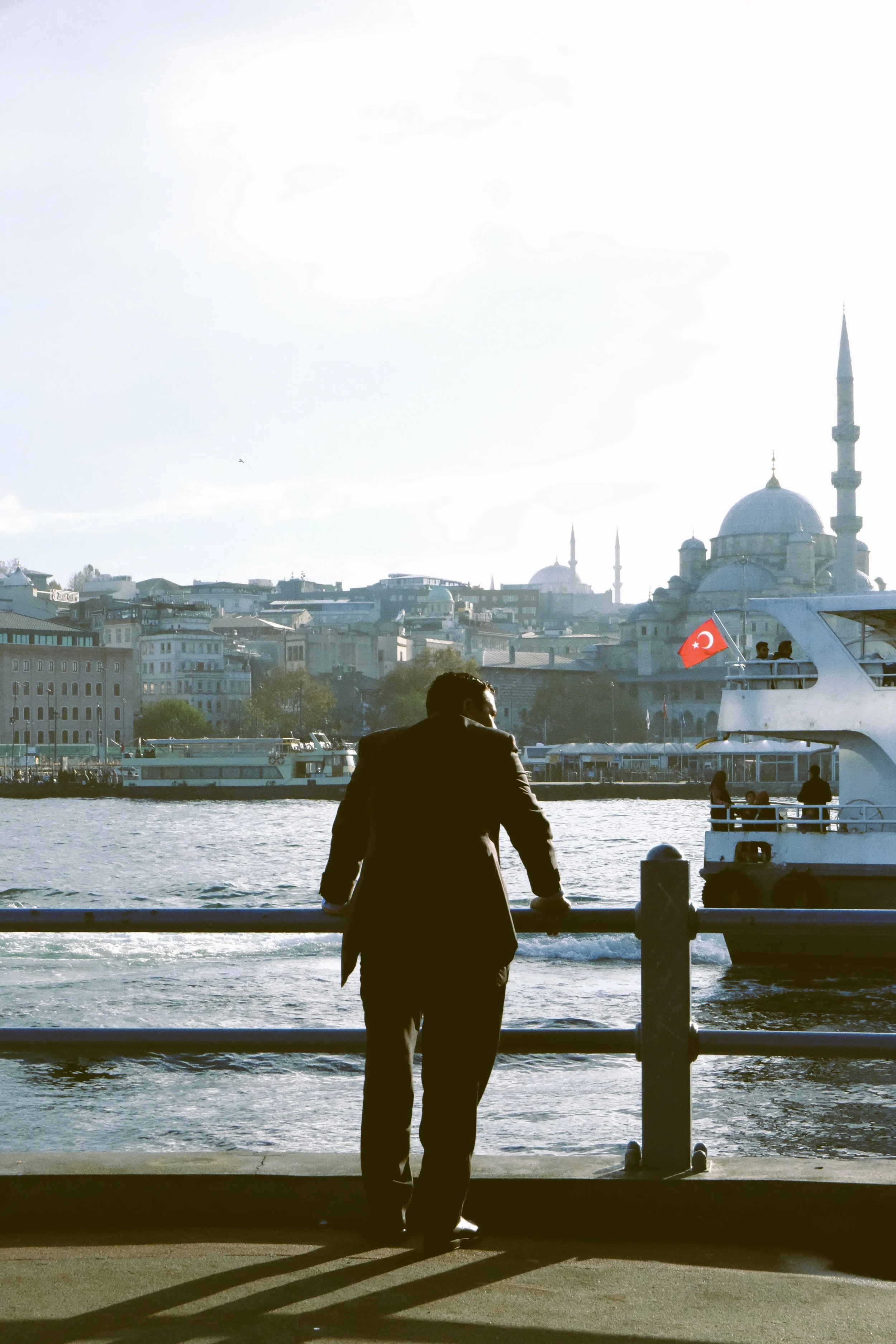
Sultanahmet — where Hagia Sophia, the Blue Mosque, and both bazaars sit within walking distance of each other — is where Istanbul performs its own history for you. Cross the water, or just walk twenty minutes north from the Golden Horn, and the city stops performing — this is where people actually live, work, and go out on a Tuesday night, mosques and palaces replaced by record shops, contemporary galleries, and bars that don't care if you've seen the Blue Mosque yet.
Three areas make up most of that story. Kadıköy, on the Asian side, has its own gravity entirely — a ferry ride away, and worlds apart in mood. Galata and Karaköy climb a steep hill lined with a medieval Genoese tower that's watched over the city for nearly 700 years, now surrounded by design studios instead of merchant warehouses. And Beyoğlu, anchored by İstiklal Avenue, carries a layered history most visitors never learn — a 19th-century European quarter that, at its most interesting, doubled as a nest of wartime spies.
None of this needs a ticket or a queue, mostly. It needs a few unplanned hours and a willingness to end up somewhere you didn't map out in advance.
KADIKÖY & the asian side
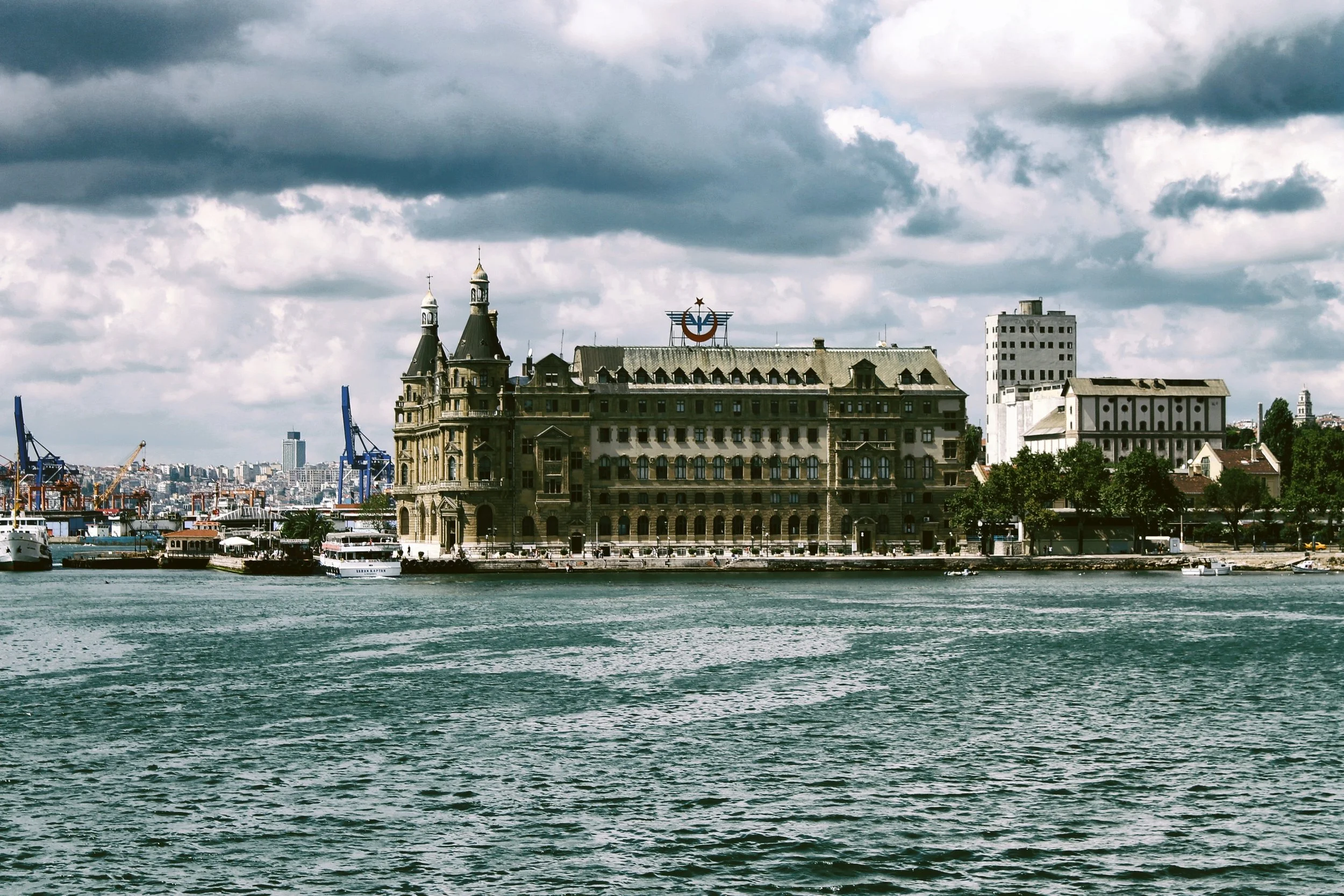
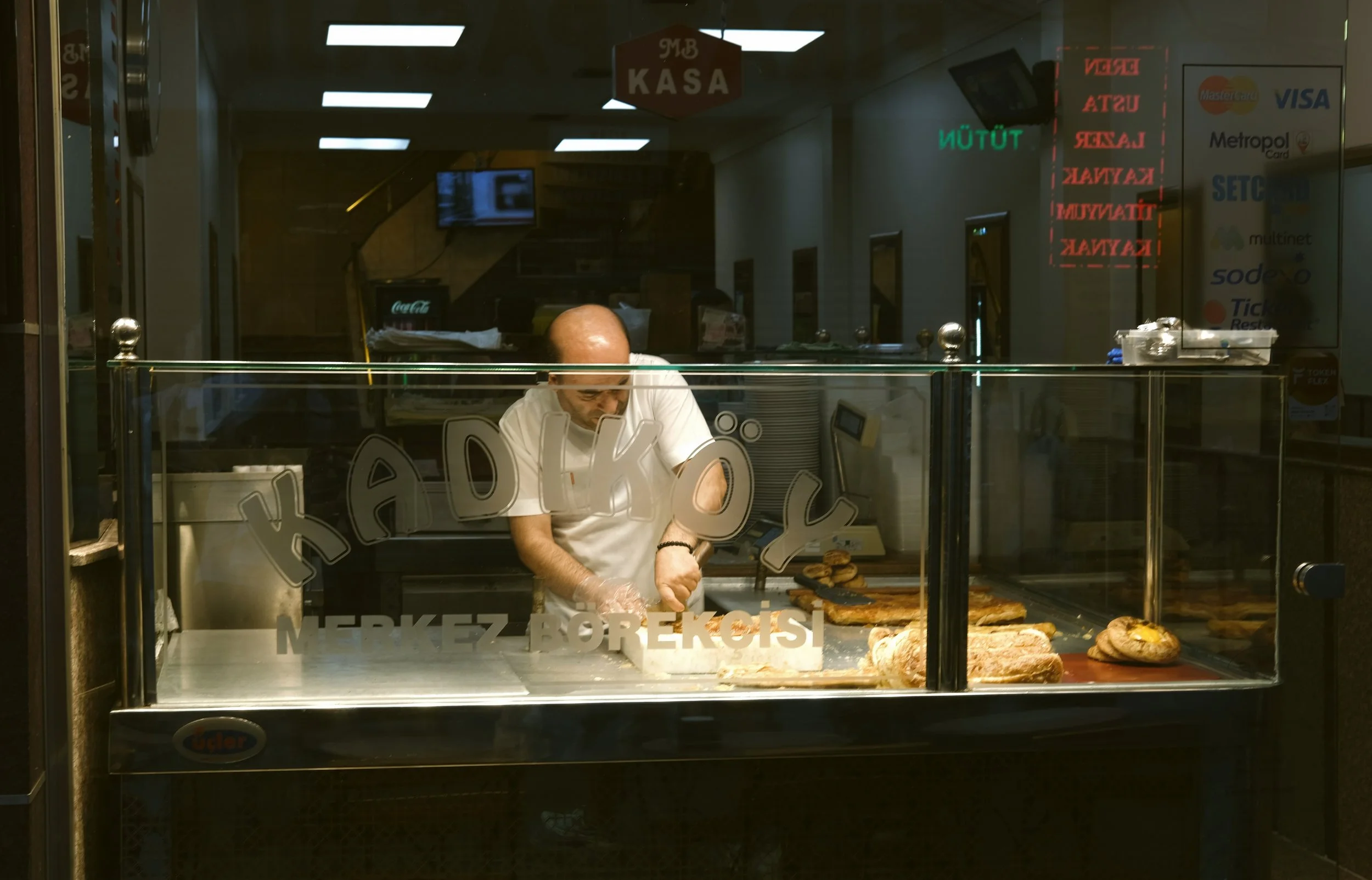
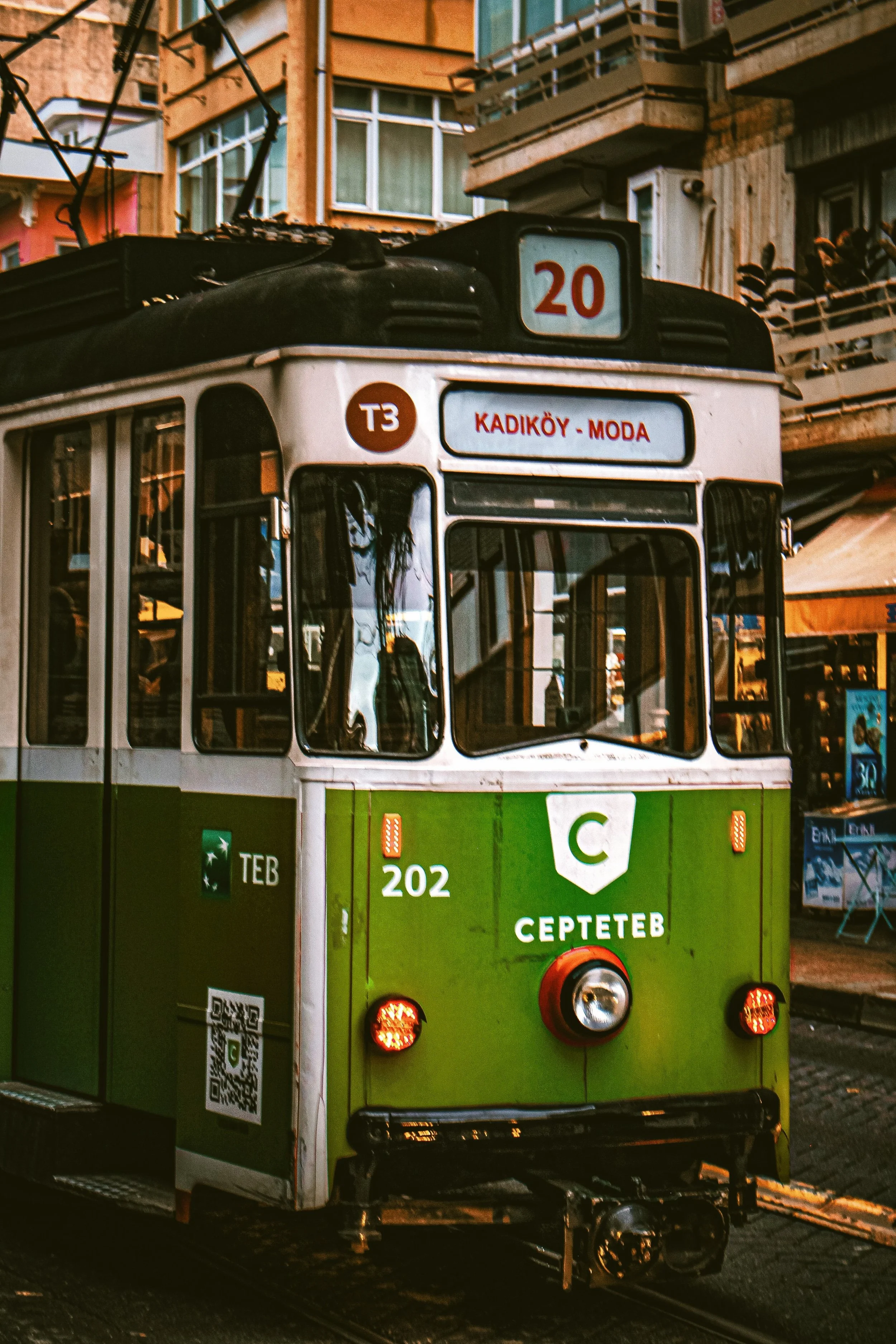
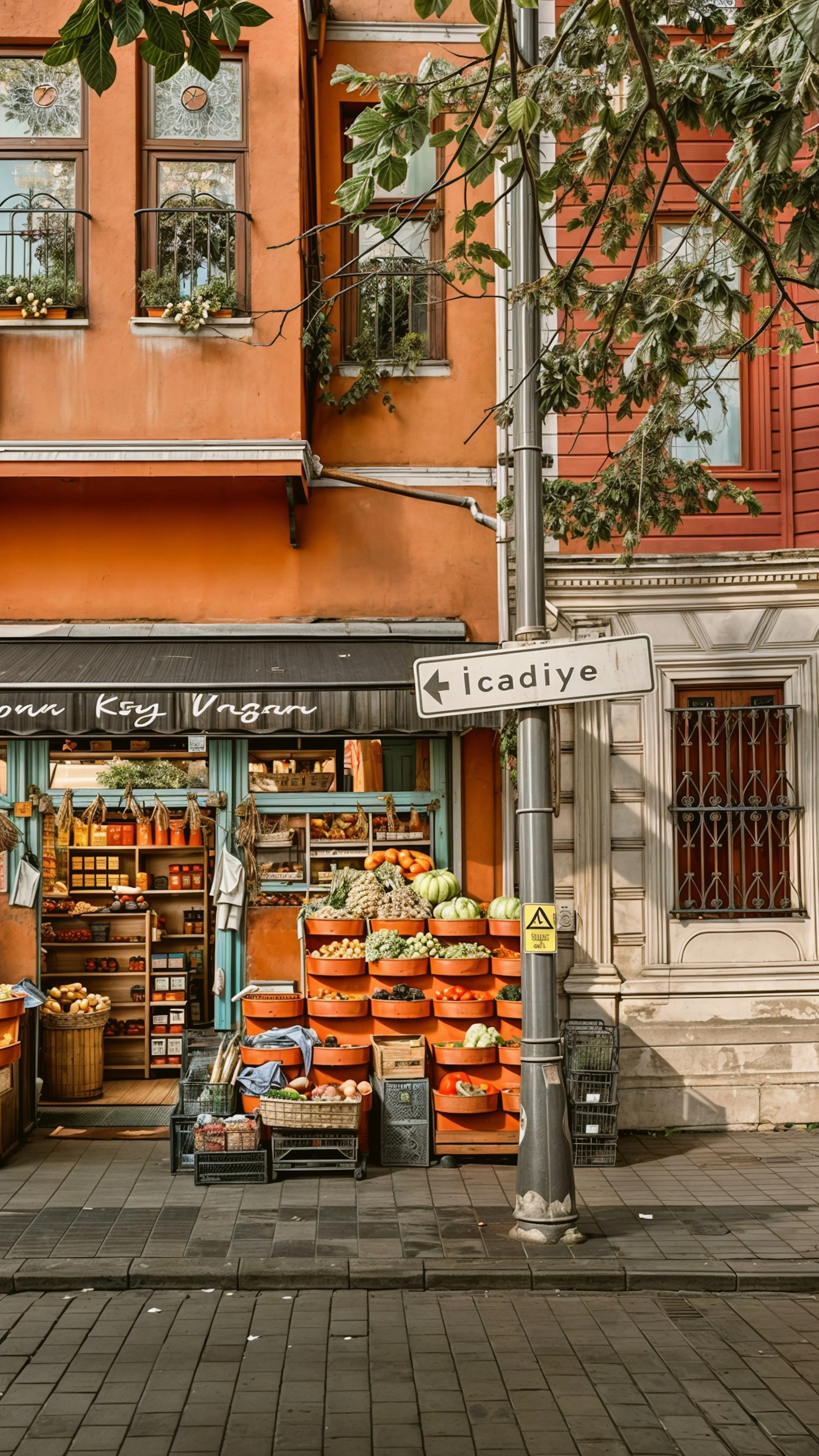
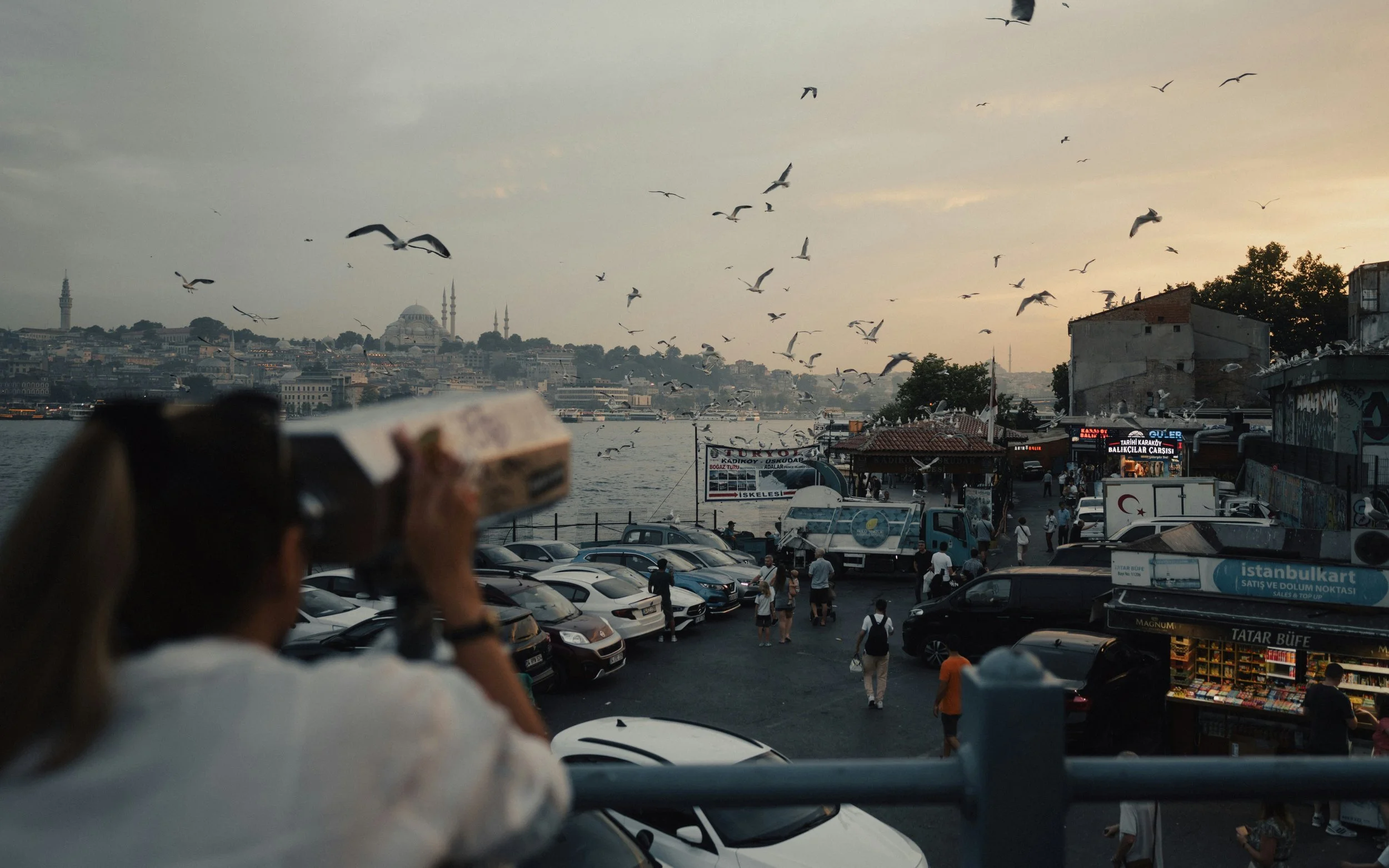
The ferry over is half the point. Twenty minutes across the Bosphorus, seagulls trailing the boat, simit vendors working the deck. Near the Asian shore, the grand Haydarpaşa Station appears on the waterfront, a castle-like terminus from 1909 that once sent trains toward Anatolia and beyond. Land in Kadıköy and the register changes completely: fewer souvenir shops, more record stores, secondhand bookshops, and bars that fill up with actual locals rather than people working through a checklist.
Moda, the neighborhood's leafy waterfront extension, is where Kadıköy relaxes, a seaside promenade good for an evening walk, ice cream in hand, with the European side lit up across the water. Back inland, Kadıköy's Tuesday market (Salı Pazarı) is one of the city's largest and least touristed, produce and textiles sold the way it's been done for generations, no performance involved.
Haydarpaşa Station
galata & karaKÖY
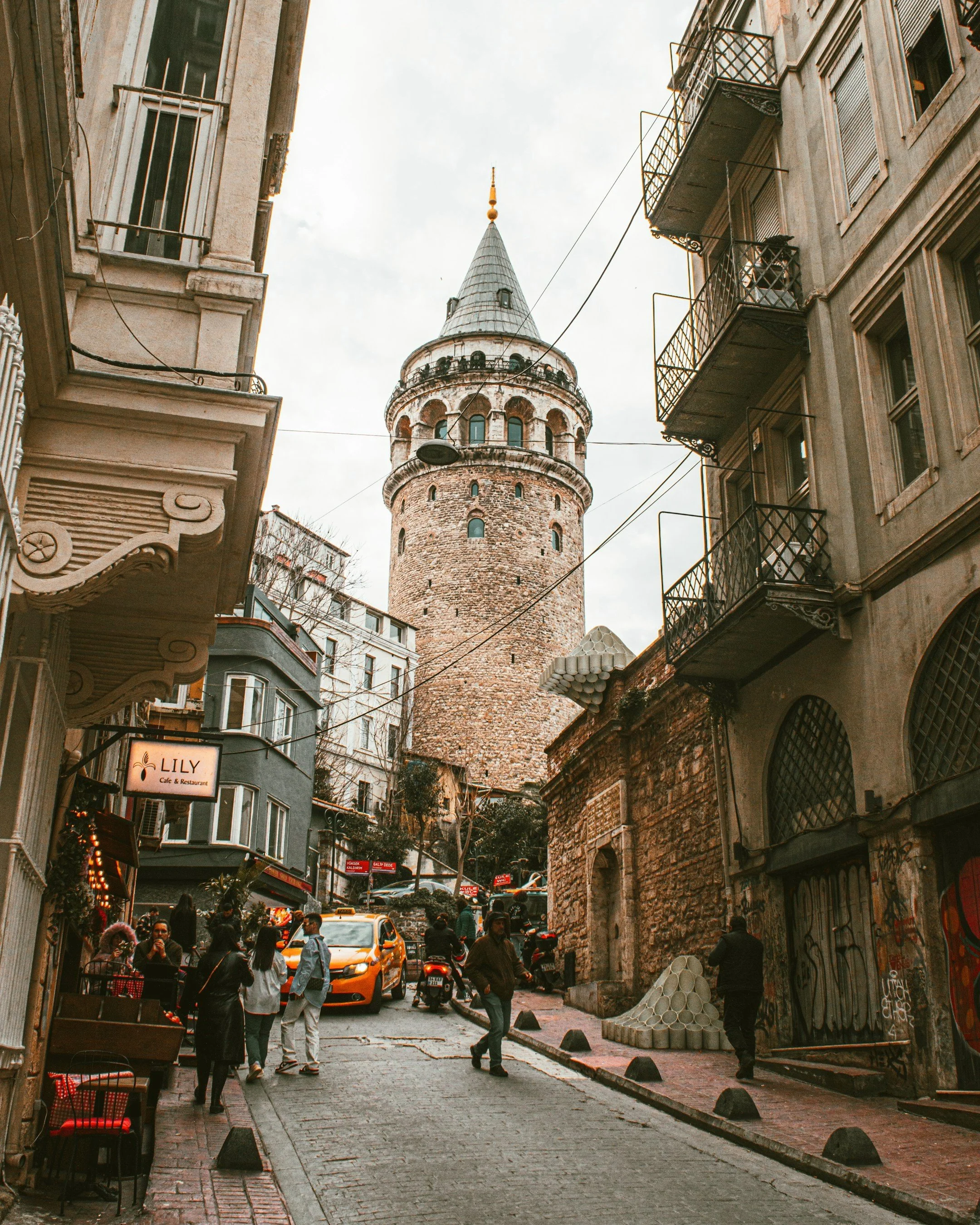
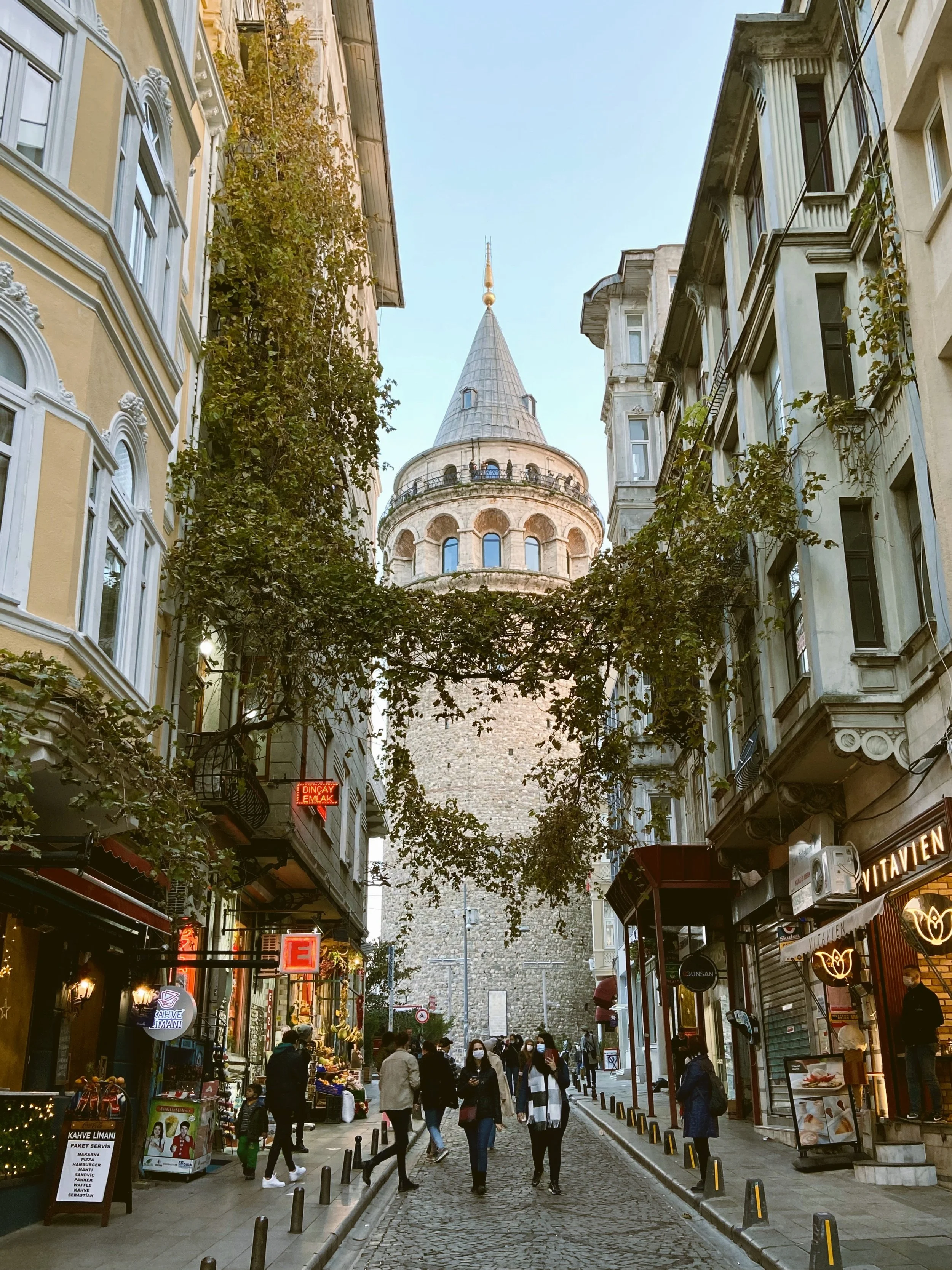
The Galata Tower has been standing on this hill since 1348, built by Genoese merchants who controlled this side of the city as their own semi-independent colony — for a while, it was the tallest structure in Constantinople. In the 17th century, an Ottoman polymath named Hezarfen Ahmed Çelebi reportedly strapped on homemade wings, jumped from the top, and glided roughly three kilometers across the Bosphorus to Üsküdar, on the Asian side — a story that rests on a single account, by the traveler Evliya Çelebi, and that some historians treat as pure legend. He was rewarded with a bag of gold, then exiled soon after; the sultan reportedly found a man capable of that a little too unsettling to keep close.
Below the tower, Karaköy has become the city's design and gallery district — contemporary art spaces and specialty coffee tucked into old warehouses that used to service the docks a few steps away.
Beyoğlu, İstiklal & Taksim
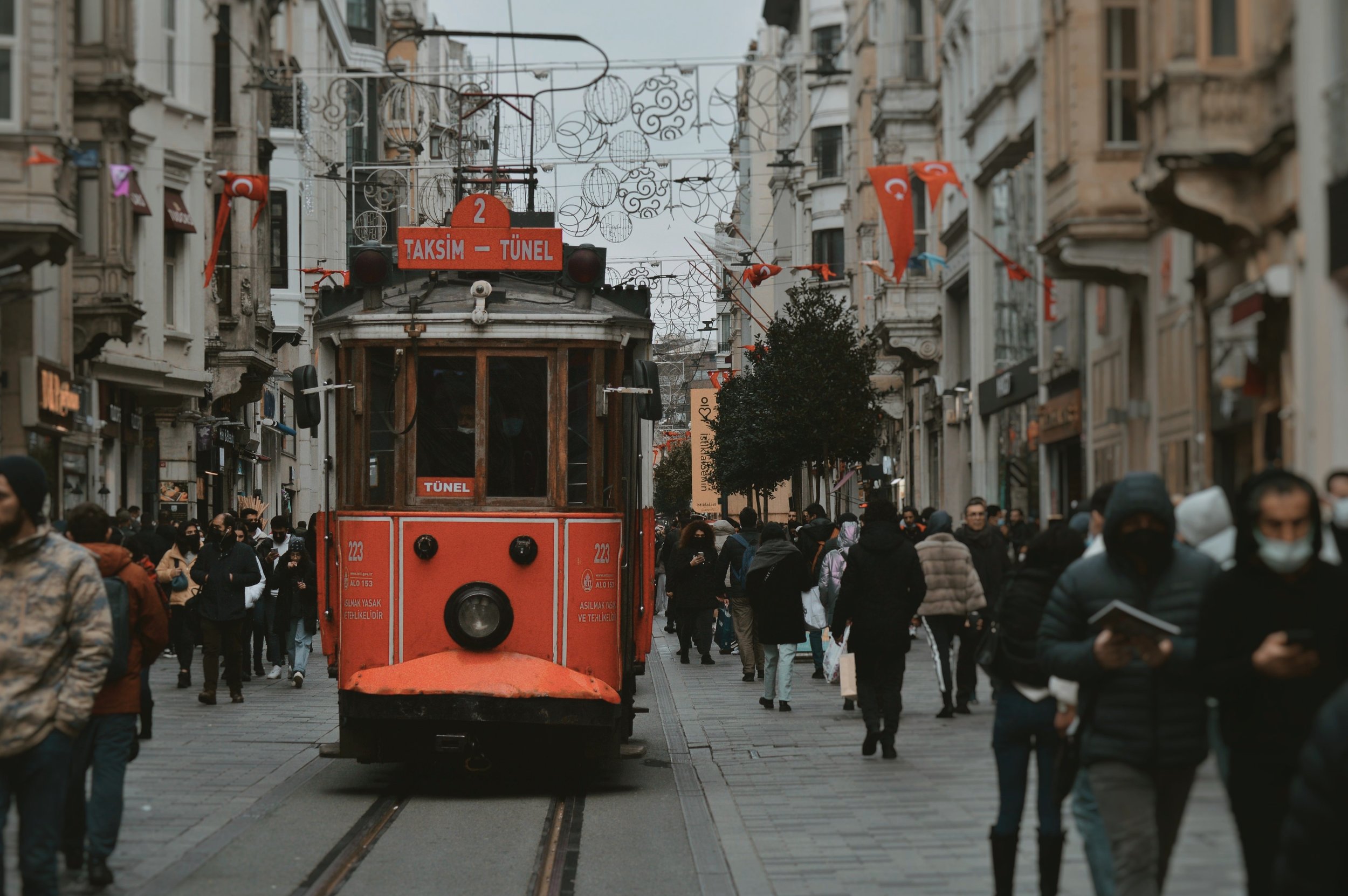
İstiklal Avenue is Istanbul's great pedestrian spine, a vintage tram still rattling down the middle of it, flanked by 19th-century buildings that once housed European consulates and trading houses. It ends at Taksim Square, still the city's default gathering point for everything from New Year's Eve to political protest.
A City of Spies
These same streets spent much of the 20th century as one of the world's great espionage crossroads. Turkey stayed neutral through most of WWII, and Istanbul — thick with foreign consulates and a short hop from the Balkans and the Soviet Union — became prime territory for rival intelligence services.
The most notorious episode: in 1945, Soviet vice-consul Konstantin Volkov offered to defect to the British, promising names of Soviet agents inside their own ranks. The case landed on the desk of Kim Philby — the senior British officer secretly working for Moscow. Philby tipped off his handlers, then dragged his feet getting to Istanbul. By the time he arrived, three weeks later, Volkov and his wife were already gone, seized and shipped to Moscow, where they were executed.
Nobody suspected a thing. Philby was posted to Istanbul himself in 1947, running the British station under diplomatic cover, then moved on to Washington. He wasn't unmasked until 1963.
Ian Fleming visited the city and clearly took notes — Istanbul's tangle of real spies and double-crosses is the backdrop for From Russia with Love.