THE BASQUE COAST
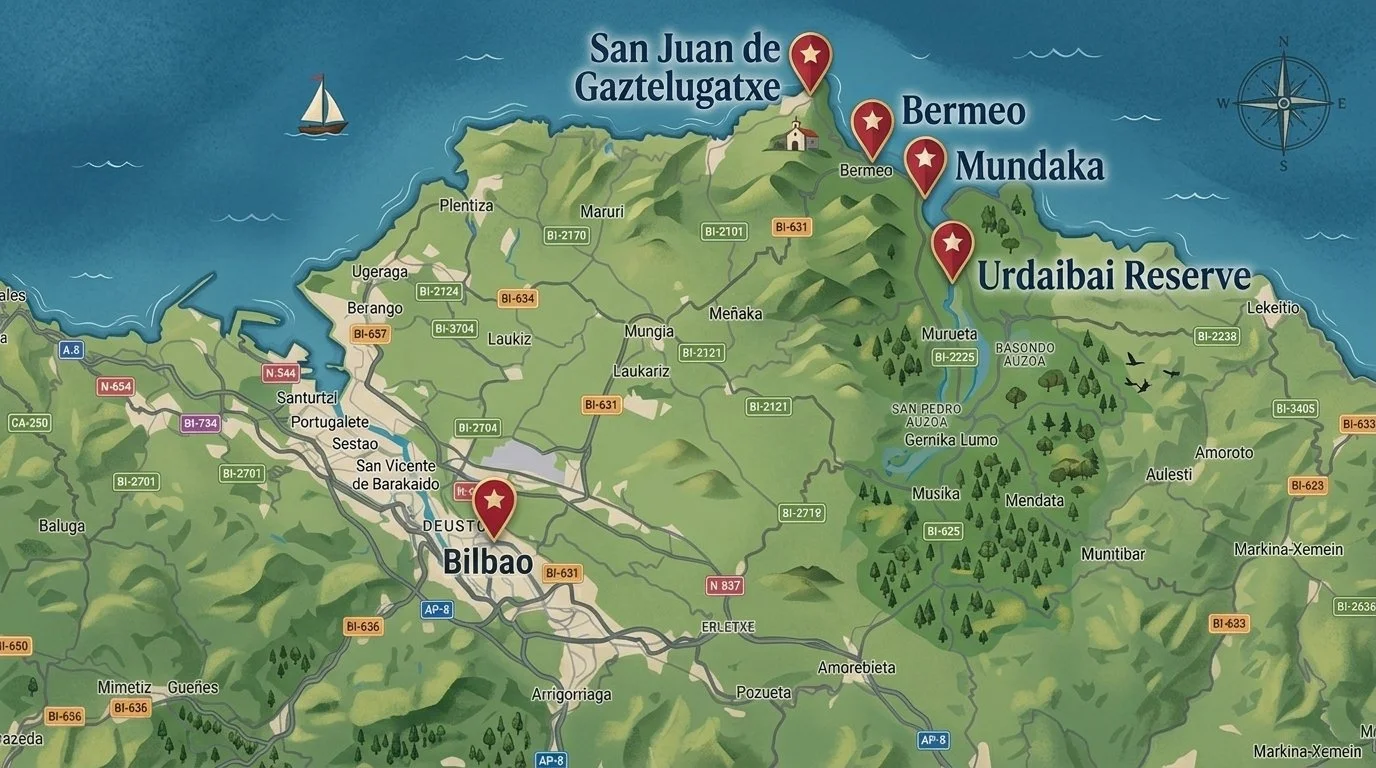
Drive north out of Bilbao and the city is gone in minutes. The motorway turns into a narrow road, the road starts to wind, and suddenly there's nothing in front of you but green hills dropping straight into the sea.
This is the other Bizkaia. Not the one of shipyards and blast furnaces, but the one that has lived from the sea for centuries: fishermen who went out after whales and cod as far as Newfoundland, harbors where the boats still come in every afternoon, and villages that look as if someone painted every house a different color just to be seen from the water.
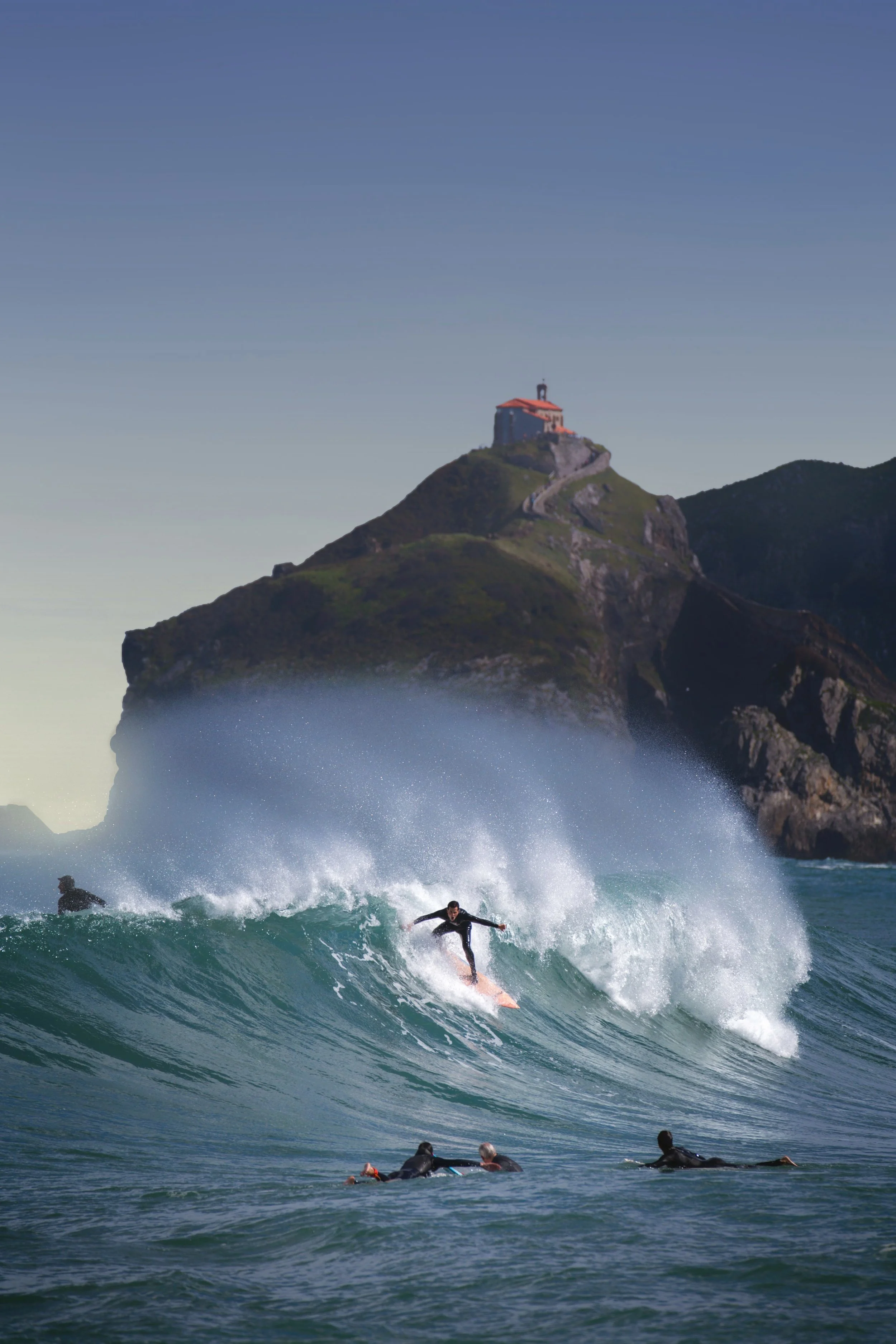
Most people come for one image, and you've probably seen it already: a tiny hermitage perched on a rock in the sea, joined to the coast by a long stone stairway. That's San Juan de Gaztelugatxe, and it's every bit as dramatic in person. But it's only the start.
The Cantabrian Sea is moody, cold and often grey, and the weather can change three times before lunch. Leave early, take a jacket even in August, and don't plan too much. The best moments here usually happen between the places you were actually heading to.
houseS of parliament & big ben
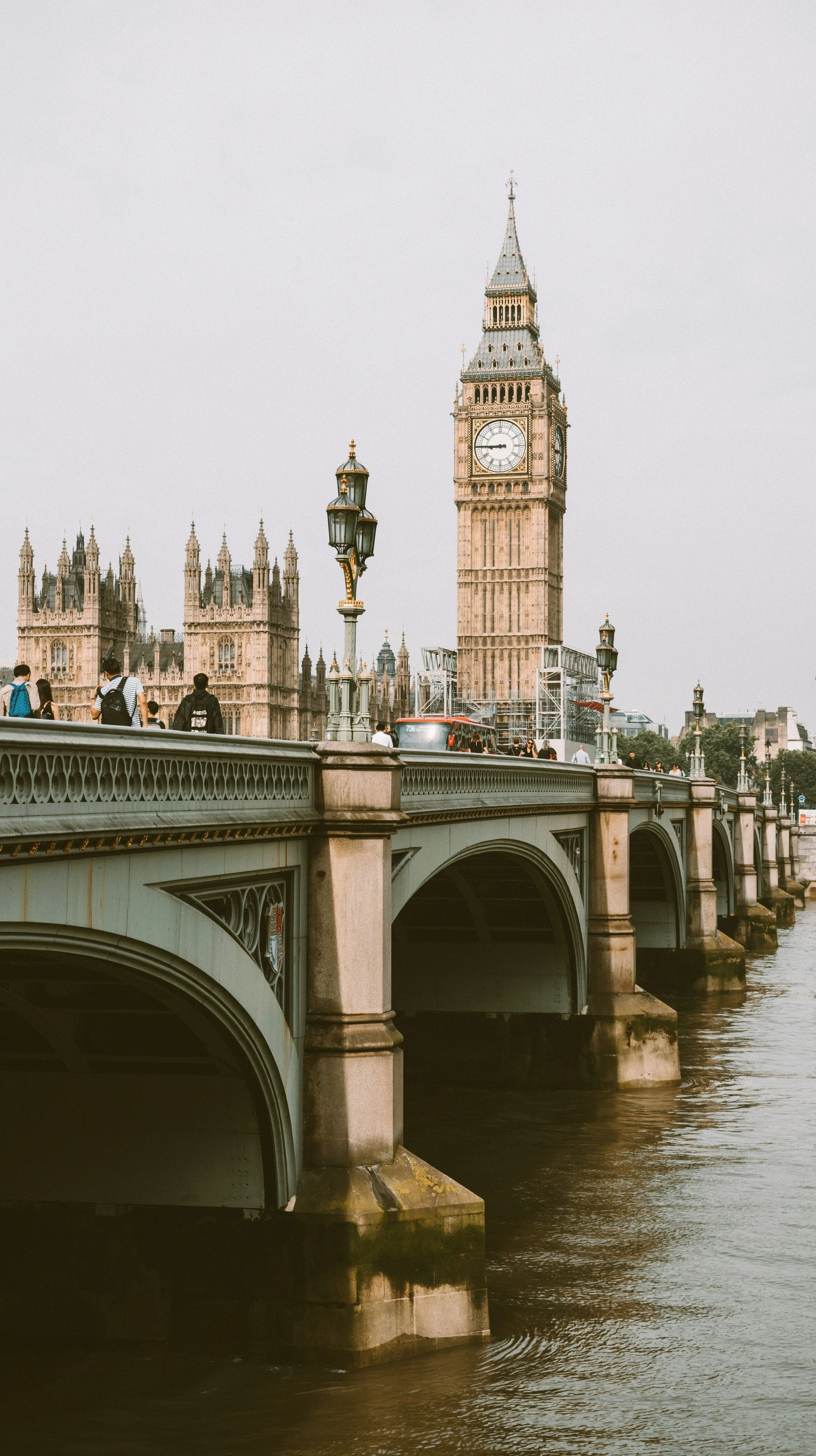
Technically, "Big Ben" is only the bell — 13.7 tonnes of it, cast in east London in 1858 after the first bell, made in the north of England, cracked, and hauled to the tower on a carriage pulled by sixteen horses. Everyone still uses the name for the whole tower anyway. It's officially the Elizabeth Tower now, renamed in 2012 for Queen Elizabeth II's Diamond Jubilee, though good luck getting a cabbie to call it that.
The Palace of Westminster burned down in 1834, so catastrophically that Turner painted it twice from a boat on the river, too transfixed to leave. What rose in its place took decades and became one of the most recognizable silhouettes on Earth — 96 metres of Gothic Revival ambition, a clock face on all four sides so nobody in the city has an excuse to be late. It was bombed in 1941, losing the House of Commons chamber, but the clock tower stood and Big Ben kept striking the hours.
tower bridge
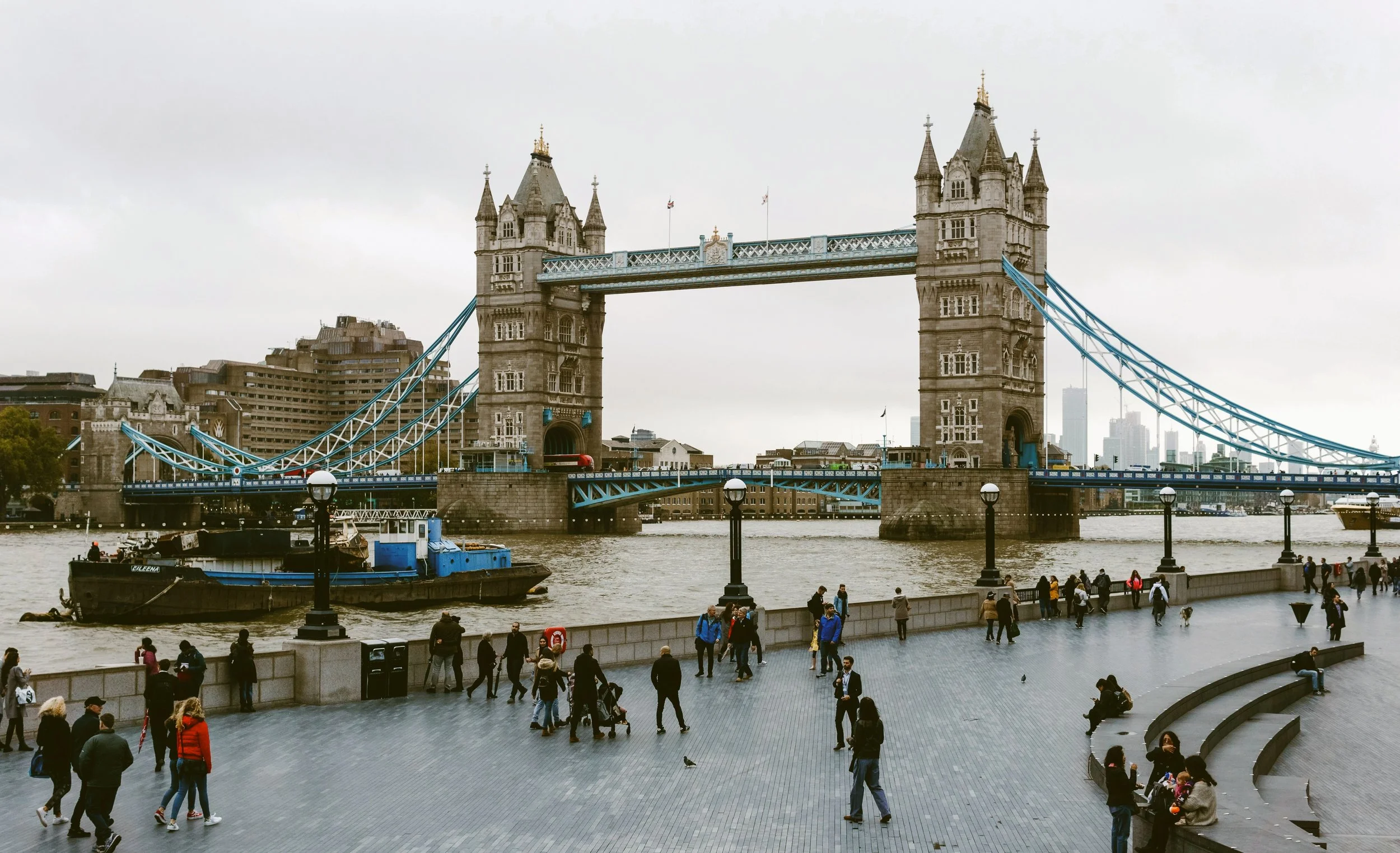
Every film needing a quick London shot calls this "London Bridge," which is its own quiet injustice — actual London Bridge is half a mile upriver and looks like nothing at all. This one, all Gothic stone towers and blue steel, opened in 1894 to solve an unglamorous problem: how to let tall ships through without stopping road traffic dead. The answer was the bascules, twin road sections that still lift skyward roughly 800 times a year.
The high-level walkways sat half-forgotten for decades, closed after becoming a haunt for thieves. They reopened in 1982, but what made them a draw was glass: since 2014, you can stand 42 meters up and look straight down through the floor at the river below. Time it right and you'll catch the bascules rising.
south bank
Cross to the south side and the whole register of the city changes — less grandeur, more noise, buskers and the smell of street food drifting off Borough Market. This stretch spent most of its history as London's disreputable half, theatres and bear-baiting pits kept outside the City's jurisdiction. Shakespeare's Globe stands a few hundred feet from where the original burned down in 1613 — a spark from a stage cannon, gone in under an hour.
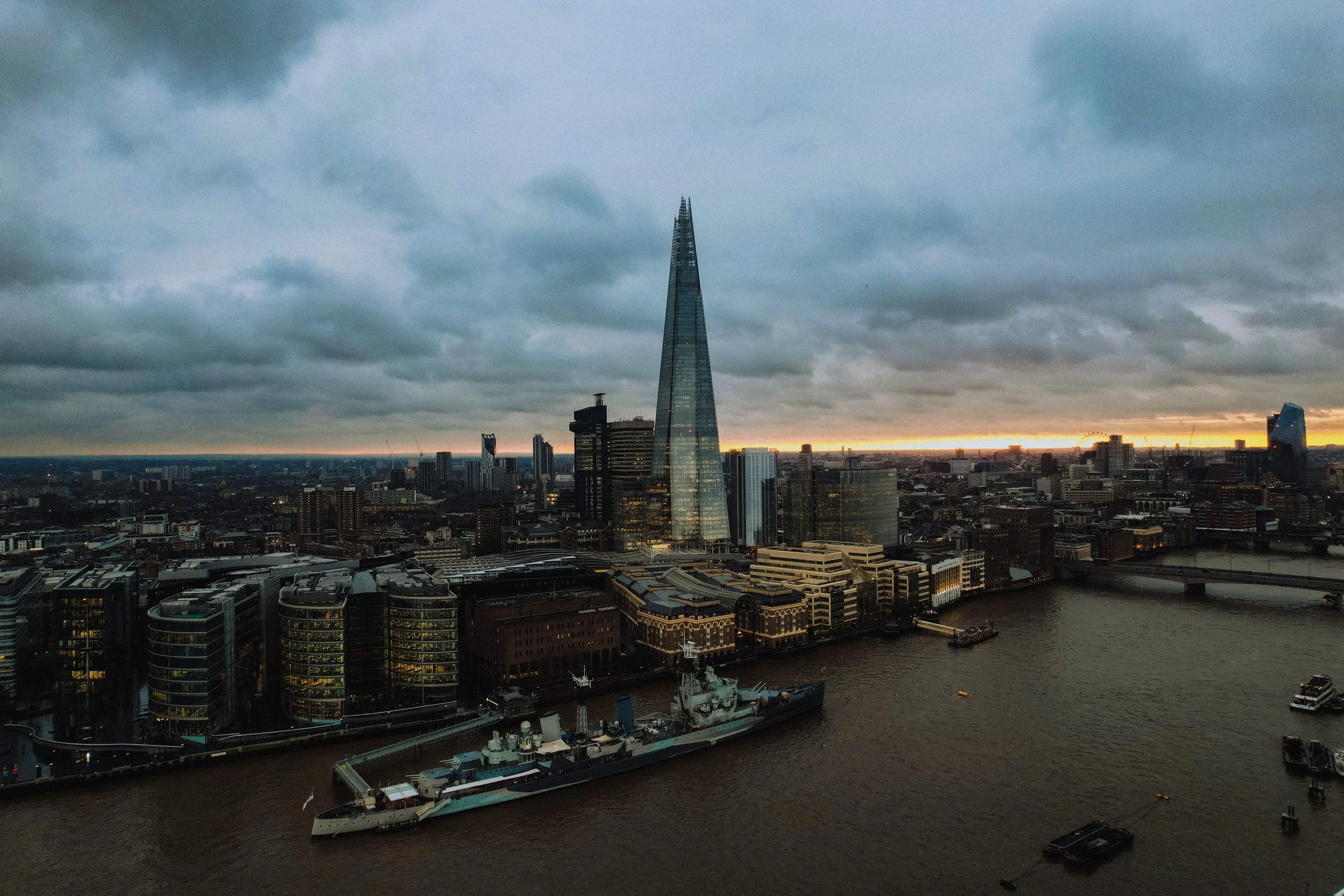
Further along, a decommissioned power station holds one of the most visited modern art museums on the planet — Tate Modern. Walk the whole promenade on a clear evening — St Paul's Cathedral on one bank, the Shard on the other — and you'll understand why Londoners treat this walk less like sightseeing and more like therapy.
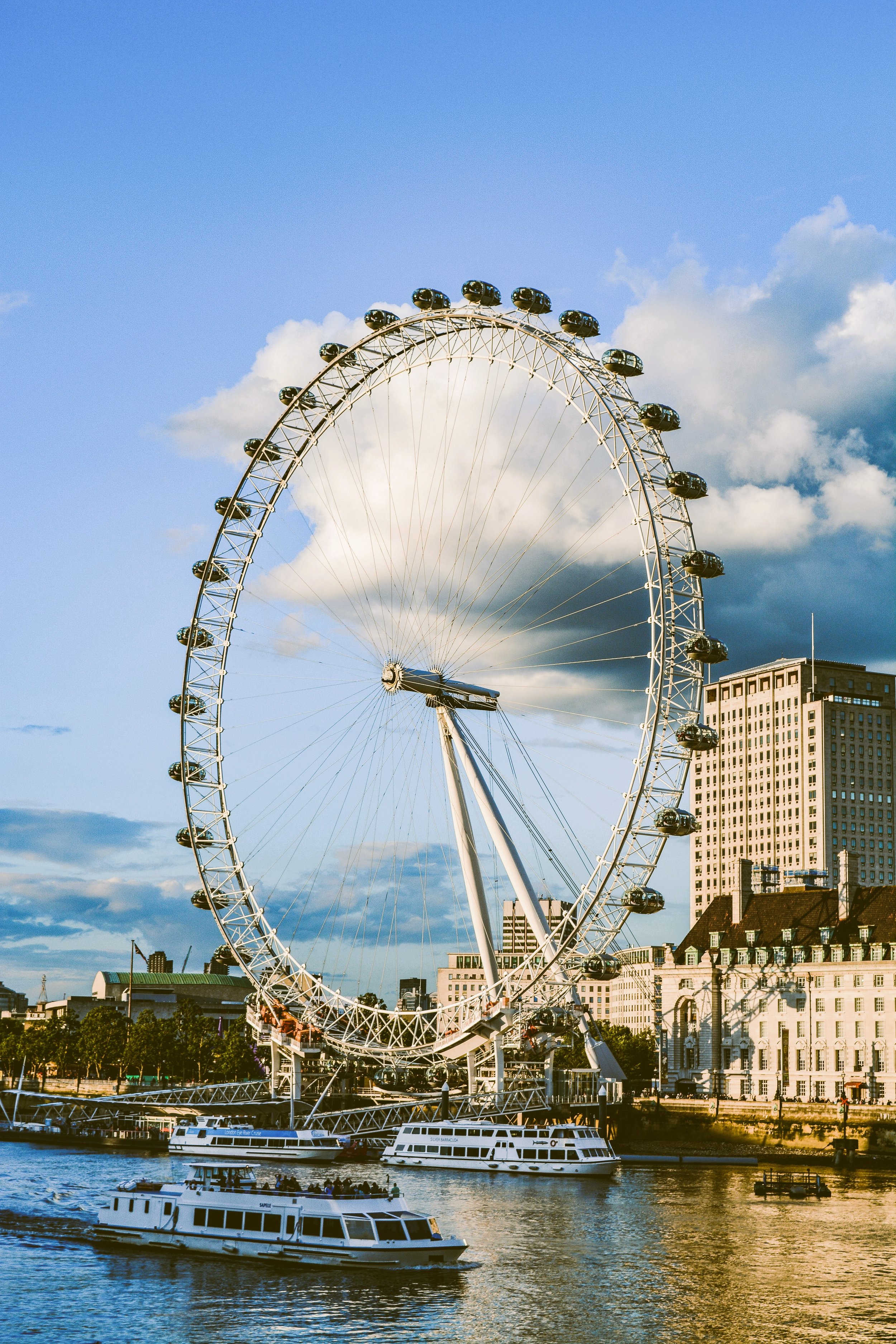
At the western end, the London Eye turns slowly against the sky — the millennium project everyone assumed would come down after a year, still spinning a quarter-century later.
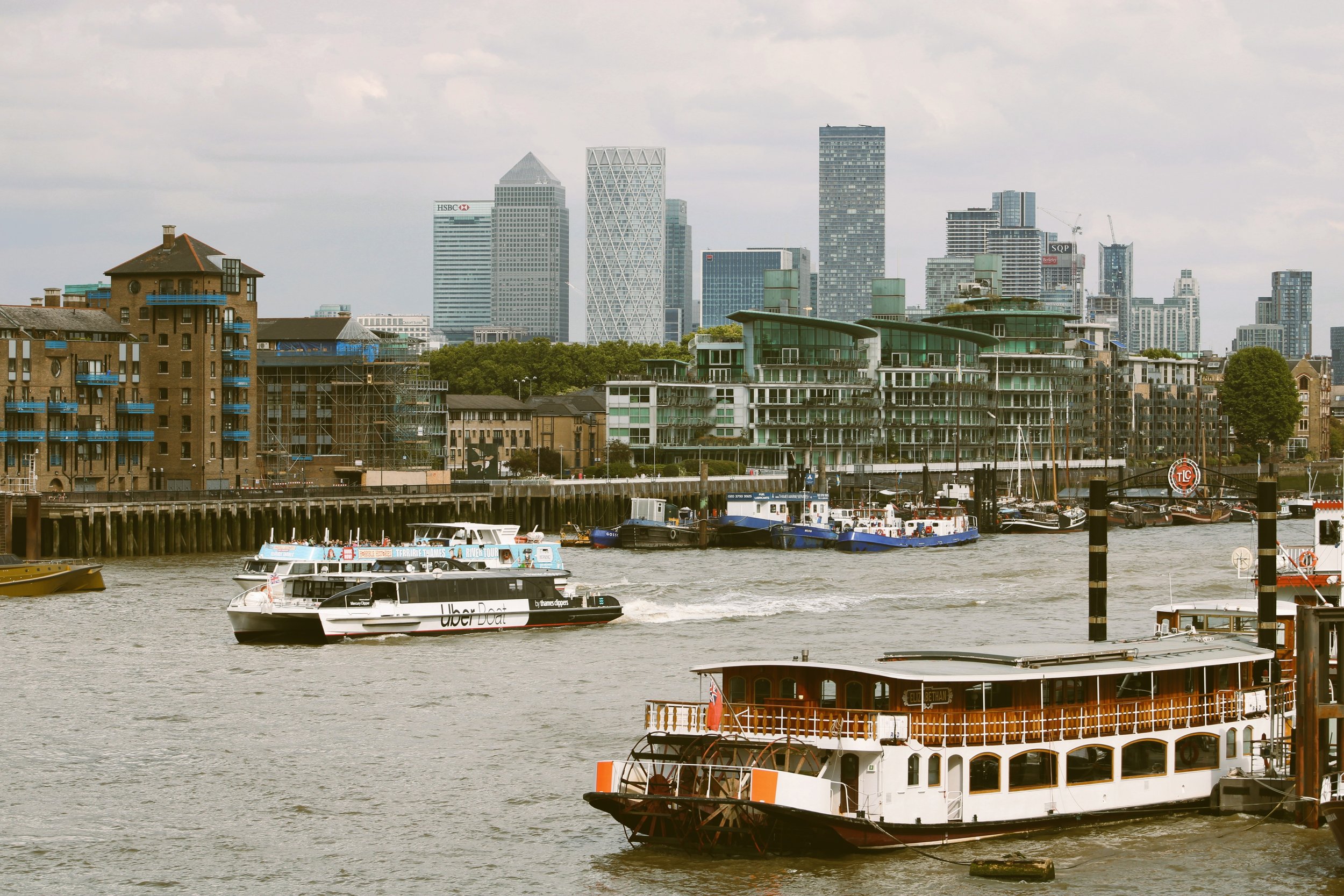
SEE IT FROM THE WATER — Thames Boat Tour
The river doesn't sit still long enough to photograph properly from the bank. A Thames cruise fixes that — glide past Parliament, under Tower Bridge, with the whole skyline unfolding at the pace London almost never moves at. No traffic, no tube, just the current doing the work.